Build for Life: Kit Homes, Accessibility, and Aging in Place in Australia
It’s funny, isn't it? We spend so much time dreaming up the perfect house, drawing plans on the back of serviettes, poring over designs online, but how often do we actually think past the ‘now’?
I mean, really think about it. That dream home, will it still be your dream home when you’re pushing 80, maybe with a dodgy hip, or a knee that plays up in winter? Or what about when your folks come to stay, and one of them needs a bit of extra room to move around? This isn't just about getting older, it's about smart design. It's about building a place that stays functional, comfortable, and truly yours, for decades to come. That’s where designing a kit home for accessibility and aging in place really shines. You're building it from scratch anyway, so why not build it right from the get-go?
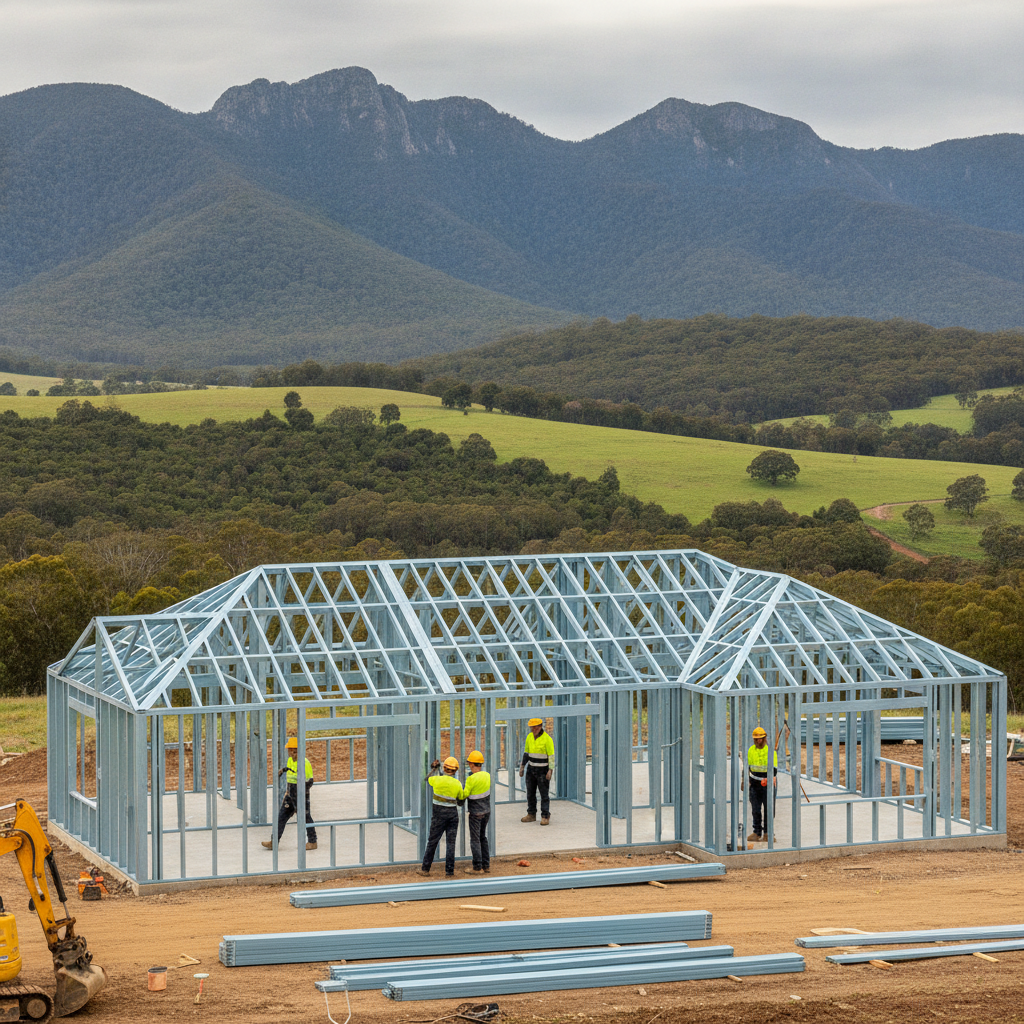
And when we talk about kit homes, especially the ones with steel frames like what we use – TRUECORE steel, that's what makes them solid – you've got a fantastic base to start with. Steel is straight, strong, and won't twist or shrink over time. That means your perfectly planned accessible doorways stay perfectly planned.
Thinking Ahead, Right From the Plans
Designing for accessibility and aging in place doesn't mean your house has to look like a hospital. Far from it. It's about thoughtful design choices that blend into the aesthetics. Think about it more like good universal design, where the benefits extend to everyone. Ever tried wrestling a pram through a narrow doorway? Or carried a sleeping toddler up a flight of stairs? Yeah, exactly. Wider openings, fewer steps, and sensible layouts aren't just for the elderly or those with mobility issues, they're just plain practical.
When you're first looking at kit home plans, or even sketching your own, start asking yourself: how would this feel if I was on crutches? Or pushing a wheelchair? That mental exercise right there will change your perspective.
Wider Doors and Hallways: Your Future Self Will Thank You
This is probably the easiest and most impactful change you can make, and it costs barely anything extra when you're building new. Standard internal doors are usually 820mm wide. For true accessibility, you want a minimum of 870mm clear opening. That means specifying a wider door frame. External doors should be even wider, say 920mm, especially the main entry. You'd be surprised how much difference that extra few centimetres makes if someone needs to get through with a walker or a wheelchair. Hallways? Keep them at least 1000-1200mm wide. This gives enough turning circle for mobility aids, and honestly, makes the whole house feel more open and spacious even without one.
With a steel frame, getting these custom dimensions is no drama. The frame comes engineered to suit your exact openings, so your builder isn't hacking into timber trying to make things fit later. It's precise, which is what you want for something like this.
Kitchens: The Heart of the Home, Made Accessible
The kitchen often needs the most thought. It's where spills happen, hot things get moved, and you're constantly reaching, bending, and turning. For an accessible kitchen, think about:
- Adjustable Bench Heights: Some clever systems let you raise or lower sections of the bench, or have varying heights so someone can prep sitting down.
- Pull-Out Pantry Shelves: No more crawling on the floor to find that can of chickpeas from 2018. Full extension pull-out shelves are a godsend for anyone with back issues, or just for convenience.
- Drawer Dishwashers: These are brilliant. You don't have to bend over as far as a traditional drop-down door. Same goes for wall ovens mounted at a comfortable height.
- Lever Taps: Forget fiddly knobs. Lever taps are easy to operate, even with arthritic hands.
- Clear Floor Space: Make sure there's enough room to turn around, especially near the sink, cooktop, and fridge. A 1500mm clear turning circle is the gold standard for wheelchairs.
This is where your owner-builder hat comes on strong. You'll be sorting out the kitchen fit-out, so you get to make all these choices directly. You're not relying on a builder's standard package. You pick the taps, the oven height, everything.
Bathrooms: Safety First, Style Second (But You Can Have Both)
Bathrooms are probably the highest risk area in a house for slips and falls. This is where planning for accessibility truly pays off. And again, it doesn't mean ugly grab rails everywhere.
- Roll-In Showers: This is non-negotiable for serious accessibility. A hob-less, level-entry shower means no step to trip over. You'll need to sort out the floor gradient correctly with your slab pour to ensure water drains properly.
- Reinforced Walls: Even if you don't put in grab rails now, reinforcing the walls around the toilet and shower during the framing stage means you can easily install them later without major renovation. Just chuck in some extra noggins or plywood sheeting behind the plasterboard where you might want rails. Steel frames are super easy to add extra blocking to for this specific purpose.
- Wall-Hung Vanities: These create more clear floor space underneath, which is great for wheelchair access.
- Comfort Height Toilets: A slightly taller toilet makes it easier to sit down and stand up.
- Non-Slip Flooring: This is a must. Large format tiles with a matte finish or specific non-slip ratings are best.
Remember, your kit includes the steel frame. Getting those walls reinforced is something your frame erector can do easily at the framing stage, or you can mark it up for your plasterer to know where to add backing plates. It’s cheap insurance for later.
No-Step Entries and Level Transitions
Think about how you get into your house. Steps up to the verandah? A step down into the living room? These are trip hazards for everyone, not just those with mobility issues. Aim for no-step entries at all external doors, and level transitions between different flooring types inside. This means careful planning with your slab pour and ensuring your verandahs are set at the correct height relative to your internal floor level.
Ramps are another option, but a level entry is always superior if you can manage it. Council usually has specific requirements for ramps anyway – gradient, landings, handrails – so it’s often easier just to build level in the first place.
Lighting and Electrical: Seeing is Believing
Good lighting is crucial. Think about:
- Sensor Lighting: Especially in hallways, bathrooms, and outside. No fumbling for light switches in the dark.
- Task Lighting: Bright, focused lighting in the kitchen, laundry, and over reading nooks.
- Light Switches and Power Points: Mount them at an accessible height, say 900-1100mm from the floor, not too low, not too high. Large rocker switches are easier to operate than tiny toggles.
- Accessible Outlets: Think about where power points are located. Are there enough? Are they too low behind furniture? Planning this with your electrician during the rough-in stage is key.
Your kit home is a blank canvas for this sort of thing. You're bringing in the electrician, so you get to specify exactly where every light and power point goes. Take your time with this part of the plan.
Owner Builder Tips: Making it Happen
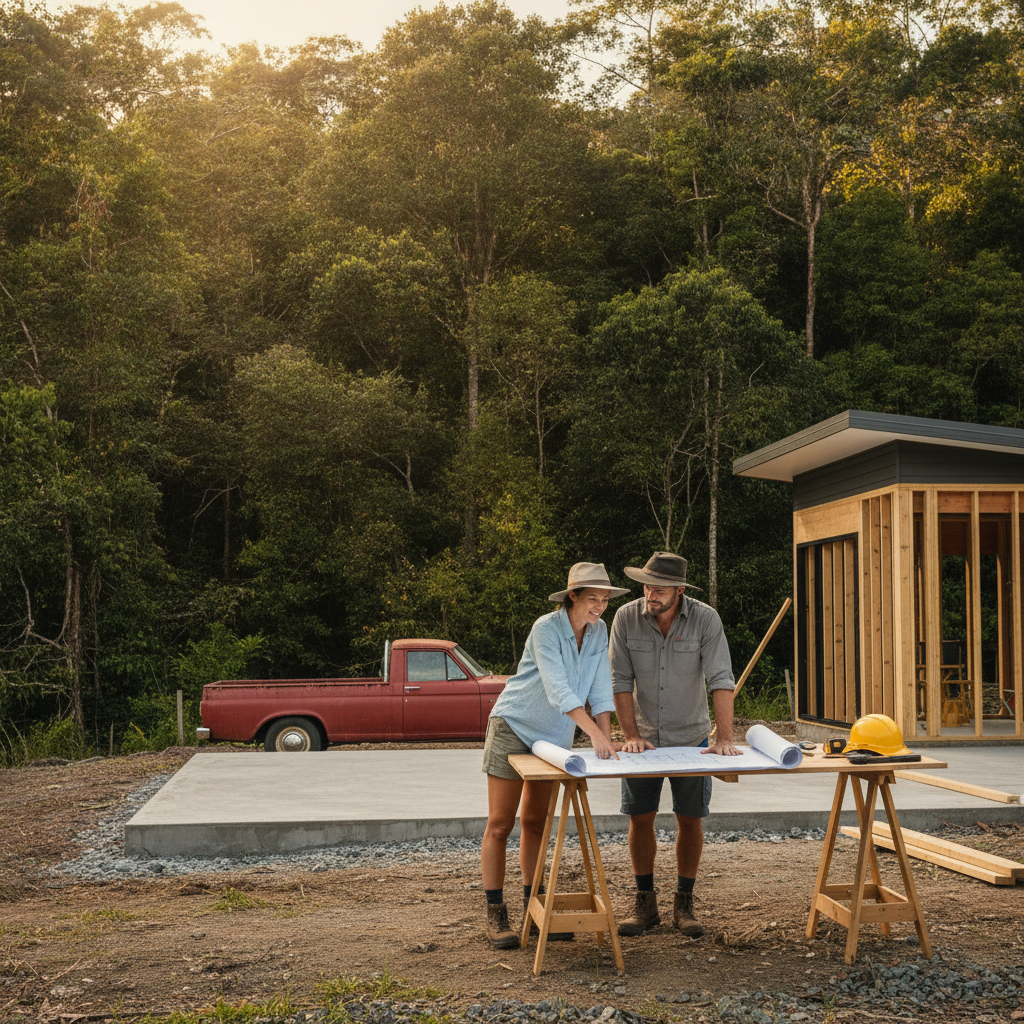
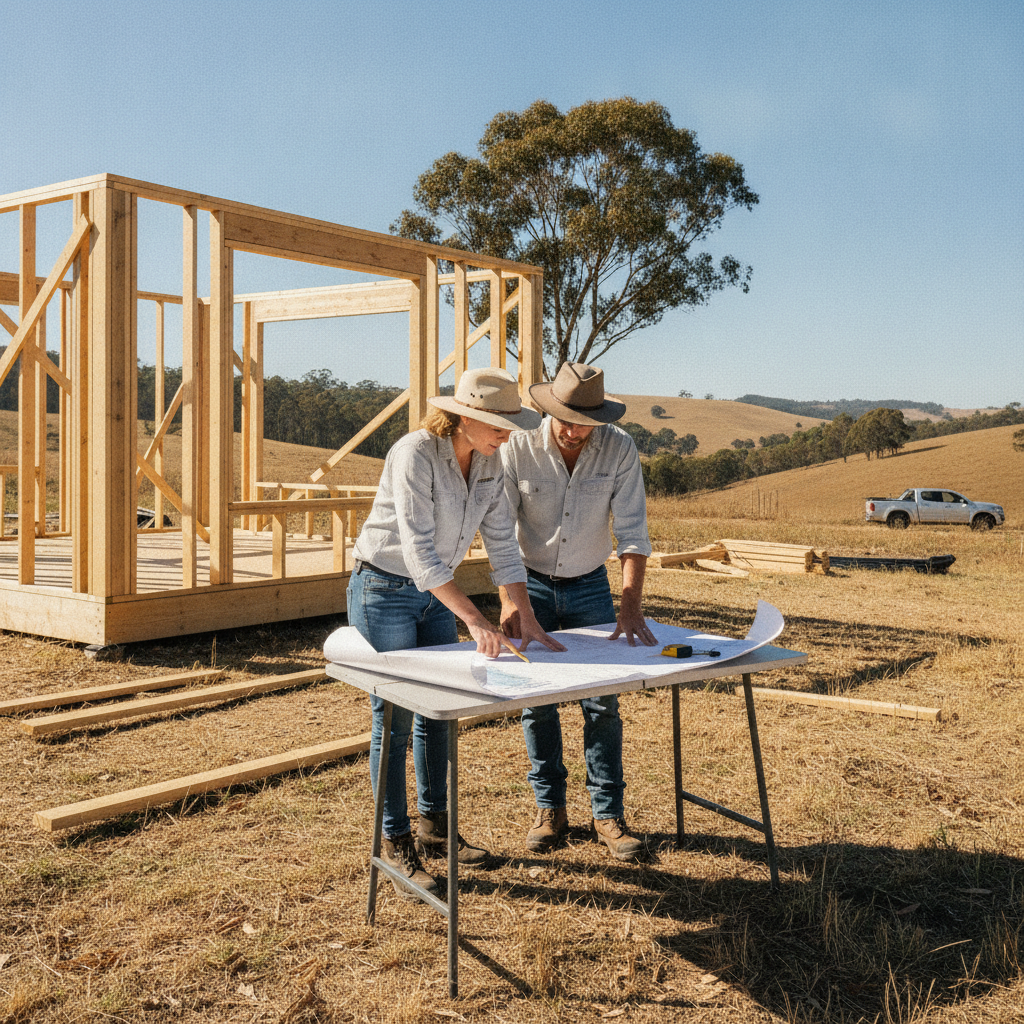
As an owner-builder, you're the project manager, the chief decision maker. This is both a massive responsibility and an incredible opportunity to build a home perfectly tailored to your needs, including accessibility. Here's how to keep it on track:
- Do Your Homework on Standards: Look up the Liveable Housing Design Guidelines. While not mandatory everywhere yet, they offer excellent practical advice. The National Construction Code (NCC) Volume Two also has some requirements, but Liveable Housing goes further.
- Talk to Your Kit Home Supplier: Seriously, tell us your vision. We provide the frames, roofing, cladding, windows, and doors. Knowing your accessibility goals upfront means we can ensure the frame dimensions, door and window openings, and even the type of windows (like casement or awning rather than double-hung for easier operation) align with your plan.
- Engage the Right Trades: When you're getting quotes for your slab, your plumber, and your electrician, make sure they understand your accessibility requirements. A good concrete pourer will understand the need for a truly level entry. A savvy plumber will know about fitting reinforced walls for grab rails.
- Walk Through Your Plans (Mentally): Before anything gets built, print out your floor plans, put them on the floor, and literally walk them. Pretend you're pushing a wheelchair. How do you get from the bedroom to the bathroom? Can you reach the kitchen bench? This mental walkthrough can reveal so much.
- Don't Be Afraid to Adapt: Even with the best plans, things change. As an owner-builder, you've got the flexibility to tweak things on site (within structural limits and council approvals) if you realise something isn't quite right. That's the beauty of building your own.
Why Steel Frame Kit Homes for Accessibility?
We use TRUECORE steel for a reason, right? When you're building for the long haul, especially with an eye on accessibility, steel offers some distinct advantages:
- Dimensional Stability: Steel frames don't warp, twist, or shrink. This is critical for maintaining those precise door opening widths and level transitions you've painstakingly planned. A crooked timber frame can mess with your whole accessible design.
- Strength and Durability: Steel is incredibly strong. It can easily accommodate reinforced points for grab rails, heavier fixtures, and wider spans for open spaces without needing bulky supports.
- Termite Proof: This is a no-brainer for any build in Australia, but especially if you're planning a home for aging in place. You don't want the stress of termites on top of everything else down the track.
- Fire Resistance: Another solid benefit. Living in regional Australia, BAL ratings are always a consideration. Steel frames are non-combustible.
So, when you spec out your kit home, you're getting a structure that's not just a box, it's a foundation for a truly adaptable and future-proof home. It means the accessibility features you design in today will actually stay accessible, year after year.
The Payoff: Peace of Mind and True Independence
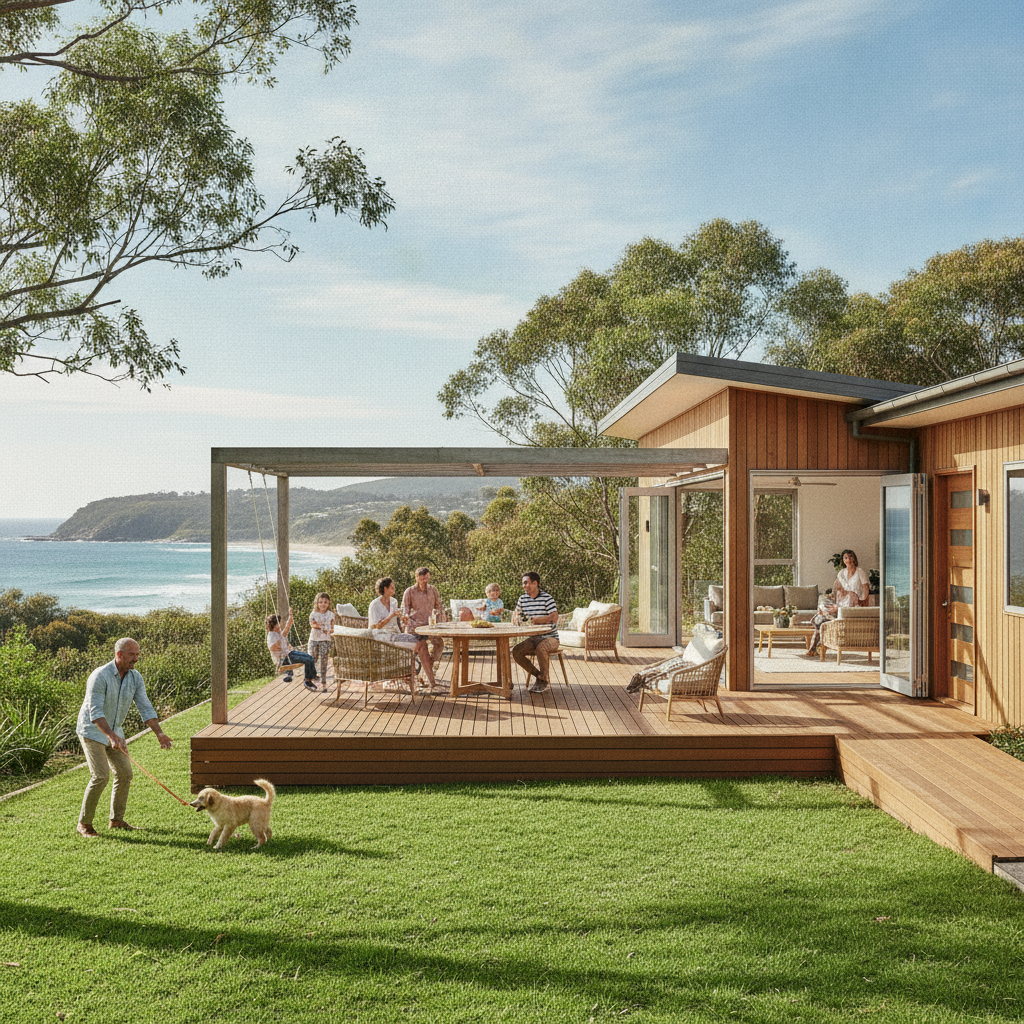
Building with accessibility in mind isn't just about avoiding problems later. It’s about creating a home that supports independence, dignity, and comfort for everyone who lives there, no matter their age or ability. It means grandkids can visit easily, parents can stay longer, and you yourself can live in your own home for as long as you want, without having to face disruptive, expensive renovations down the line. It's an investment in your future, and honestly, a damn smart one at that. Think about it. You're building your dream, so build it so it stays your dream, always. That's good design, plain and simple.