Tree Change Dreams? Why Australian Kit Homes Are Your Ticket to Regional Living
Moving out of the city isn't just a fantasy anymore. Folks are packing up, selling the overpriced shoebox, and heading for regional Australia. And you know what's making that move a whole lot easier for heaps of them? Kit homes. Yeah, the ones you build yourself, or at least get a decent head start on. They're not just some cheap shortcut; they're a smart way to get exactly what you want, where you want it, without the big city building hassles.
I've seen it firsthand, countless times. People trading their daily grind for a bit of dirt, a bit of peace, maybe even a chook run. Last Tuesday night at 11pm, there you were again - pinching and zooming on floor plans while the kettle boiled for the third time. That's the dream right there, taking shape. And a kit home, especially one built with a solid steel frame, is often the best way to get it off the screen and onto your block.
Why Regional Living & Kit Homes Just Click
Regional living ain't about compromise anymore. It's about space, community, and often, a better lifestyle for your dollar. But building out there can be a pain. Trades might be scarce, materials delivery can be a nightmare, and finding a decent builder who doesn't charge an arm and a leg to drive an extra hour is a challenge. That's where kit homes truly shine.
You get your main structure, all the crucial bits like frames, roofing, cladding, windows, and doors, delivered right to your site. It's a massive chunk of the work sorted. And with a detailed construction manual, any capable owner-builder, or a good local tradie you suss out yourself, can get it standing. This approach gives you back control, cuts down on project management headaches, and often shaves a fair bit off the overall cost. Think about it: you're not paying a builder's premium on materials mark-up and every little bit of labour from day dot. You're handling a good chunk of that yourself, or at least coordinating it.
Owner-Builder Tips: Getting Started on Your Regional Dream
So, you're keen to jump in as an owner-builder? Good on ya. It's a huge undertaking, no doubt, but incredibly rewarding. First things first, get your head around the legal stuff. Each state has different rules for owner-builders. You might need to complete a course, apply for a permit, and show you've got the know-how or a plan to manage the various trades. Don't skip this. Council won't even look at your DA without it.
Site Specifics & Planning Permission
This is where heaps of people stumble. Before you even think about designs, get serious about your block of land. What's the Bushfire Attack Level (BAL) rating? What are the flood overlays? How's the access for trucks delivering materials? A good kit home supplier will often have designs that are pre-engineered for higher BAL ratings, which is a massive help if you're in a bushfire-prone area. And most regional councils will be pretty direct about what you can and can't do on your block. Get a proper site survey done early, like yesterday. It'll save you a world of pain and potential re-designs down the track.
Then there's the Development Application (DA). This is your official permission from the council to build. It's not a quick process, so factor in a few months, minimum. You'll need site plans, floor plans, elevations, storm water plans, and all sorts of other documents. Your kit home supplier can usually provide the architectural plans for your chosen design, but you'll need to get all the site-specific stuff sorted by local professionals – a surveyor, an engineer, and maybe a town planner if your block's tricky. Seriously, don't underestimate the DA process. It's where dreams can get stalled if you're not organised.
Building Techniques: Why Steel Frames Are a Winner for the Bush
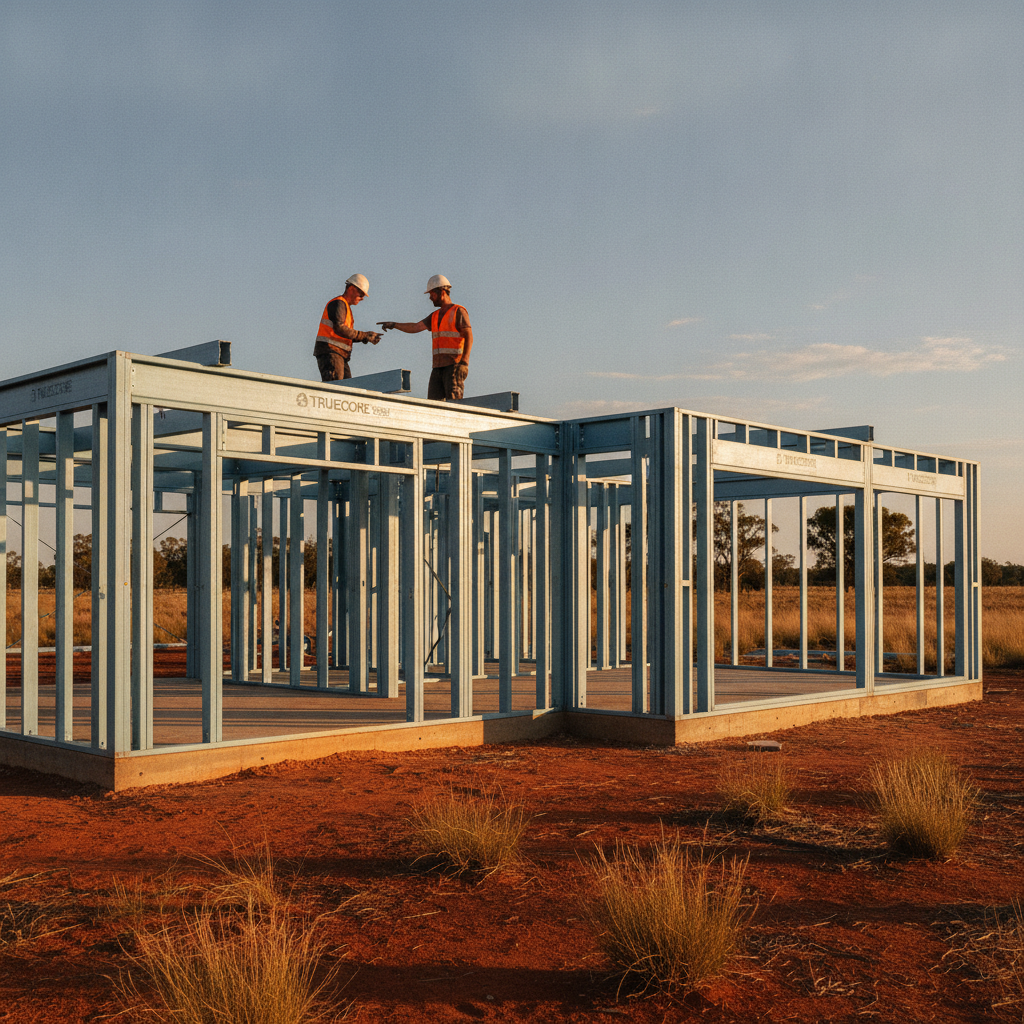
Alright, let's talk frames. If you're building out in regional Australia, especially if you're thinking long-term, you want a steel frame. Period. We use BlueScope Steel, TRUECORE brand, for our frames, and there's a good reason for it.
- Termite Proof: This is a big one. Out in the country, termites aren't just a possibility; they're a certainty. Timber frames are like an all-you-can-eat buffet for those little buggers. Steel? They can't eat it. Simple as that. No need for chemical treatments or constant vigilance. That's peace of mind right there, especially if you're not living on site every day during the build, or if you're going away for a few weeks once it's built.
- Fire Resistance: Another massive plus for regional areas. Steel is non-combustible. While extreme heat can affect its structural integrity eventually, it won't ignite or add fuel to a fire like timber. This can be crucial in bushfire zones, potentially making it easier to get insurance or even meet specific BAL construction requirements from the NCC.
- Straight & True: Steel frames don't warp, twist, or shrink like timber. This means your walls stay straight, your ceilings stay flat, and your plaster doesn't crack. It makes the fit-out easier and your finished home just looks better. A plumb wall is a happy wall.
- Durability: Steel is incredibly strong and durable. It holds up against high winds, which you definitely get in some parts of regional Australia. Plus, our frames are made from galvanised steel, so they're protected against corrosion.
Now, a quick tip for the owner-builder: when you're sheeting out with plasterboard or hanging anything heavy, remember steel frames are hollow. You'll need to plan for noggins or blocking where you want to attach shelves, TVs, or anything that needs a solid anchor. Don't just assume you can screw anywhere. Talk to your kit supplier about how to best incorporate these details into your frame design.
Kit Home Tips: Making Your Build Smoother
So, you've got your land, your DA's in, and you've decided on a kit. What next? Organisation, mate. That's the secret.
Choosing the Right Design for Your Lifestyle
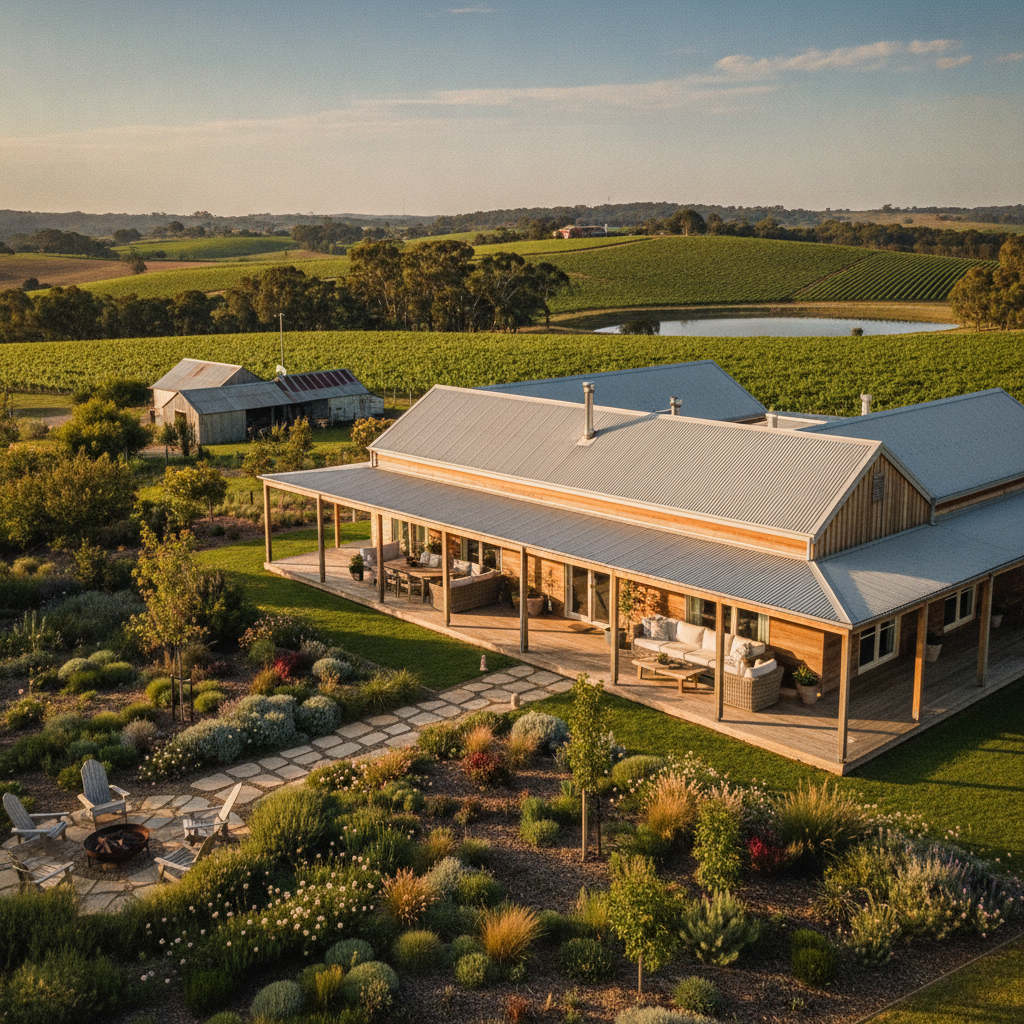
Don't just pick the cheapest or the prettiest. Think about how you actually live. If you've got three kids and a dog, a tiny two-bedroom probably isn't going to cut it in five years. If you're planning on working from home, make sure there's a dedicated office space, not just a corner of the living room. Regional homes often have bigger verandas and outdoor living areas; make sure your design embraces that. Does it capture the best views? Is it positioned to deal with the harsh summer sun and maximise winter warmth? These things matter, big time.
Managing Trades & Materials
This is where owner-builders really earn their stripes. While the kit provides the core structure, you're responsible for the slab, plumbing, electrical, plastering, flooring, painting, and all the final fit-out. Here's a trick: get your quotes from local tradies early. Don't wait until the frame's up. Good trades are busy, especially in regional areas. Lock them in. And when it comes to materials not in the kit (think kitchen, bathroom fixtures, flooring), order them with plenty of lead time. Supply chain issues are real, and the last thing you want is a stalled build because your tiles are stuck in Perth.
We had a customer in Bundaberg who had everything sorted, except he forgot to order the specific sized windows for his main living area. Simple mistake, but it held up the cladding and waterproofing for three weeks while he waited for a custom order. Learn from other people's stuff-ups, eh?
Building for the Climate
Australia's climate is harsh. Your kit home needs to handle it. Our kits include insulation, but you need to think about more than just R-values. Consider passive design principles. Does the house have good cross-ventilation for summer breezes? Are the windows appropriately shaded? Can you include rainwater tanks for drinking and garden use? These aren't just 'nice-to-haves' in regional Australia; they're often essential for comfort and sustainability, and for keeping those power bills down.
Design & Lifestyle: Making Your Kit Home Your Own
The beauty of a kit home is the flexibility. While the frame is set, the interior fit-out is all yours. This is where your personality gets to shine.
Embracing Australian Style
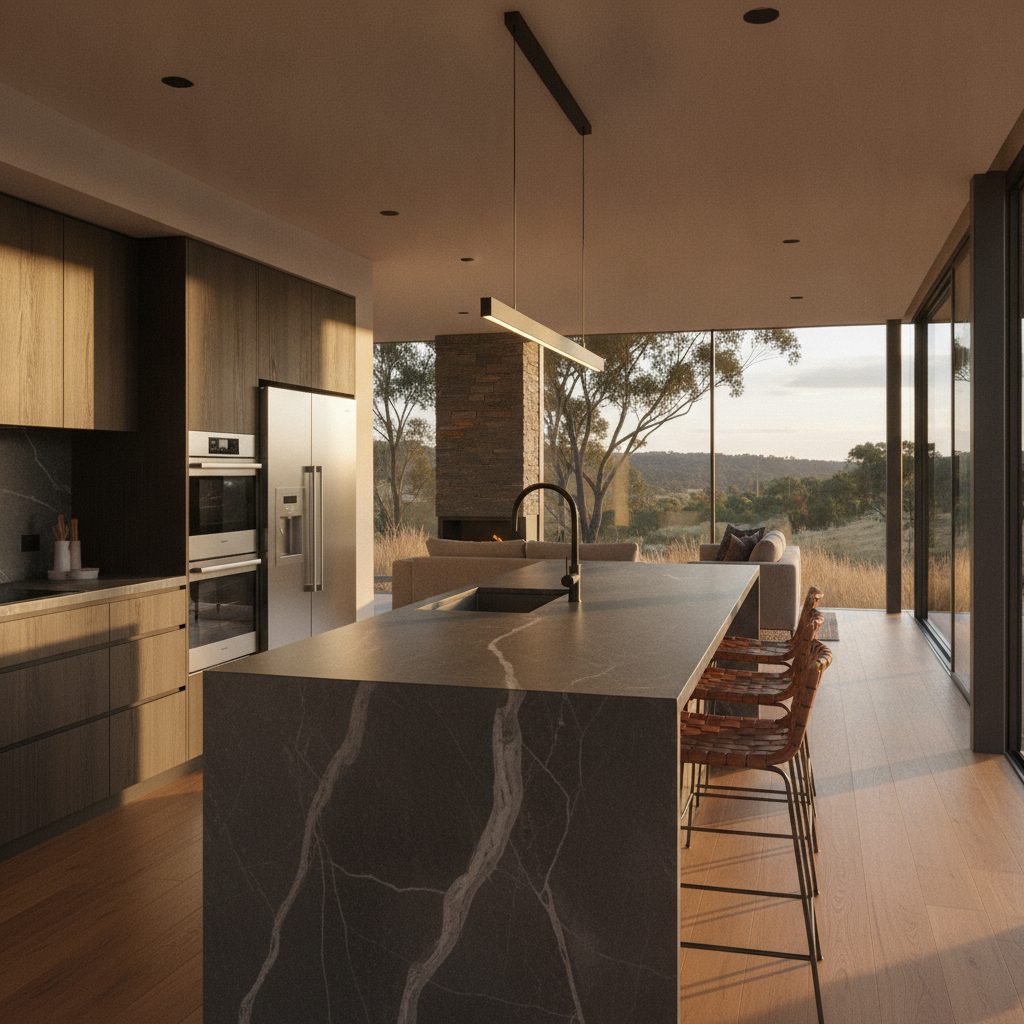
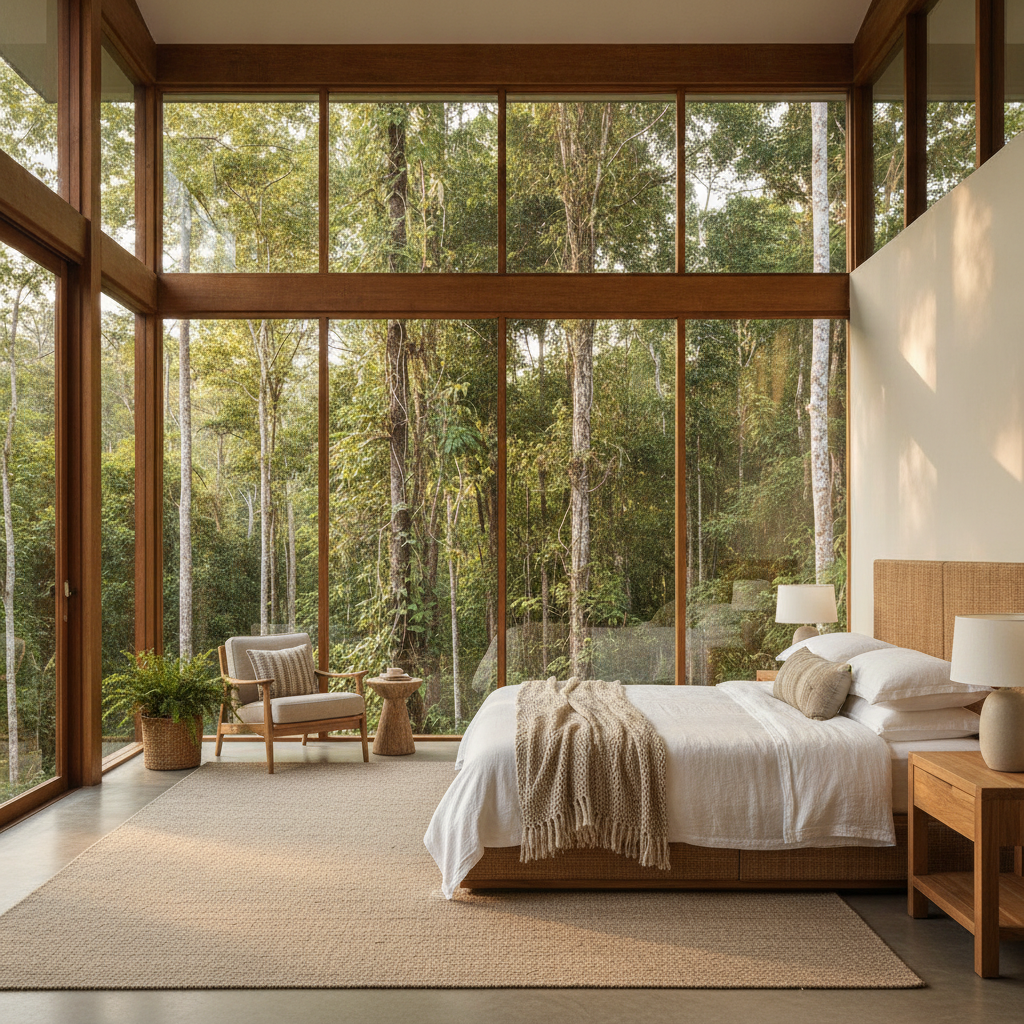
Regional Australian homes often lean into a relaxed, earthy aesthetic. Think natural materials, open-plan living, and a strong connection to the outdoors. Wide verandas, big sliding doors that blur the lines between inside and out, and perhaps a fireplace for those chilly country nights. The Varley design sells well because it just feels like home, open and breezy. Don't chase fleeting trends; build something that feels right for the location and for you. Consider low-maintenance landscaping too; you don't want to spend every weekend mowing and weeding when you've got a whole new lifestyle to enjoy.
The Kit Home Community
You're not alone in this. There are heaps of owner-builders out there, and a strong community online. Join Facebook groups, read forums. You'll find people who've faced the same challenges and can offer advice, or even recommend a good local tradie. The shared experience is a huge part of the owner-builder journey. It gives you a bit of a boost when you hit a snag.
Moving Forward with Confidence
Building a kit home for your tree change isn't just about constructing a house; it's about building a new life. It's a big project, no doubt. There will be headaches, there will be dust, and there will be moments you wonder what you've gotten yourself into. But seeing your own home take shape, knowing you had a hand in every part of it, and then finally sitting on your veranda with a cuppa, looking out over your own bit of Australia – that's a feeling you just can't buy. And a steel-framed kit home gives you the solid, reliable foundation to make that dream a reality. Go on, give it a crack.