The Great Australian Shift to Regional Living
The way Australians think about work and home has changed for good. Not long ago, being close to a capital city CBD was the top priority for most workers. Now, a reliable internet connection and a dedicated office space are often more valuable than a short commute. This shift has sparked a massive interest in regional areas, from the rolling hills of the Sunshine Coast hinterland to the quiet stretches of the Victorian countryside. People are looking for more space, cleaner air, and a lifestyle that allows for a better balance between professional tasks and family time.
As this demand for rural living grows, many are finding that traditional building paths in remote areas can be tricky. Getting a full-service builder to travel long distances can be difficult, and their schedules are often packed for years. This is where the kit home model is making a real difference. For those with a bit of DIY spirit or the willingness to act as an owner-builder, kit homes provide a structured way to get a high-quality house onto a rural block without the typical headaches of regional construction.
Understanding the Kit Home Building Model
A kit home isn't a pre-made box that arrives on a truck. Instead, it's a sophisticated system where the primary components of the building are designed, engineered, and delivered to your site ready for assembly. This usually includes the structural frames, roofing materials, external cladding, windows, doors, and insulation. Think of it as a professional building package that takes the guesswork out of the structural phase.
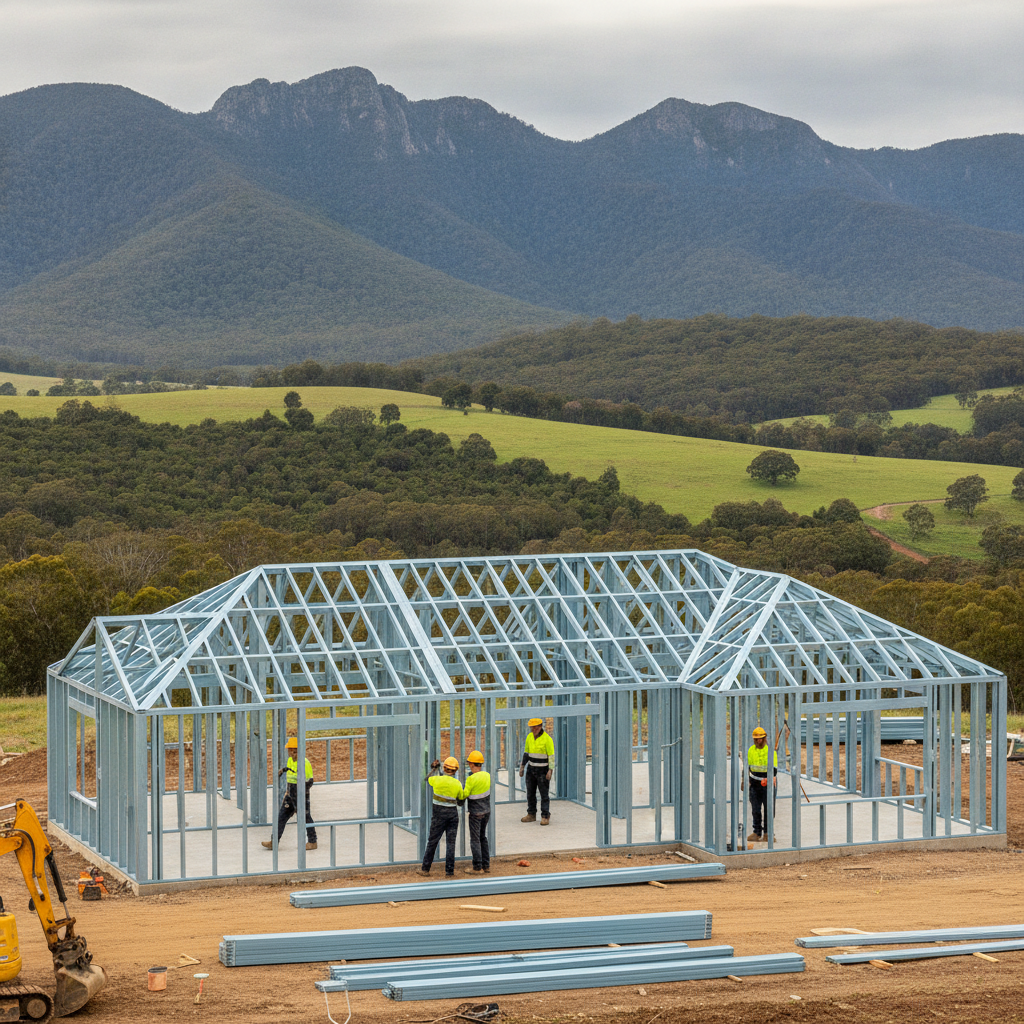
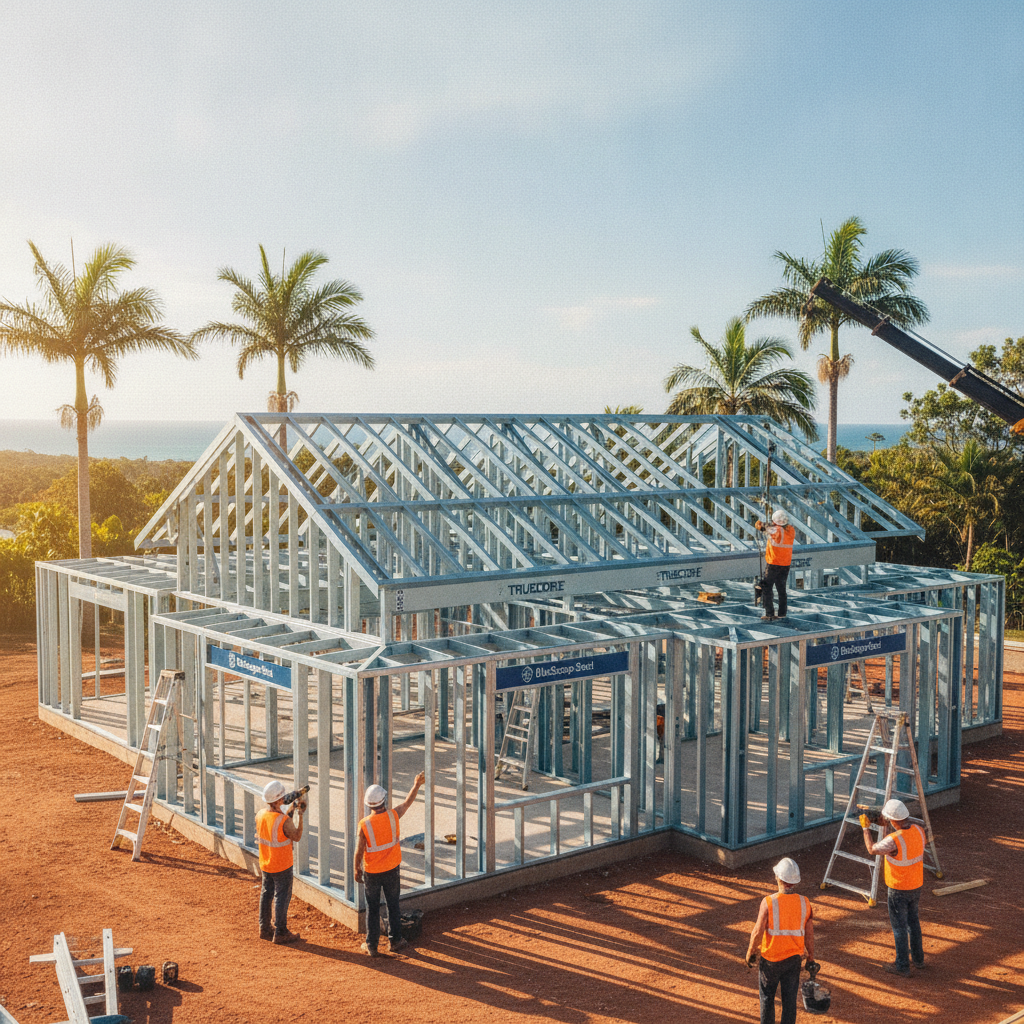
For an owner-builder, this is a huge advantage. Instead of sourcing hundreds of different parts from various suppliers, you receive a coordinated delivery. In our context, these kits use BlueScope Steel TRUECORE frames. Steel is a smart choice for the Australian climate because it's termite-proof and doesn't warp or twist over time. When you're building in a remote area where maintenance might be harder to arrange, having a straight, durable frame is a big relief.
The Practicalities of the Owner-Builder Pathway
Building a kit home means you'll be taking on the role of an owner-builder. This doesn't necessarily mean you're swinging the hammer every single day, though many people do choose to do much of the work themselves. As an owner-builder, you're the project manager. You'll be responsible for arranging the site works, pouring the slab, and hiring licensed trades like plumbers and electricians to handle the specialized connections.
Before you start, you'll need to look into the requirements for an owner-builder permit in your specific state. In most parts of Australia, this involves a short course that teaches you about site safety, insurance, and your legal obligations. It's a great way to gain a deep understanding of how your home is put together. Managing the process yourself gives you total control over the timeline and the finishing touches, which is exactly what many DIY enthusiasts are looking for.
Site Preparation in Rural Australia
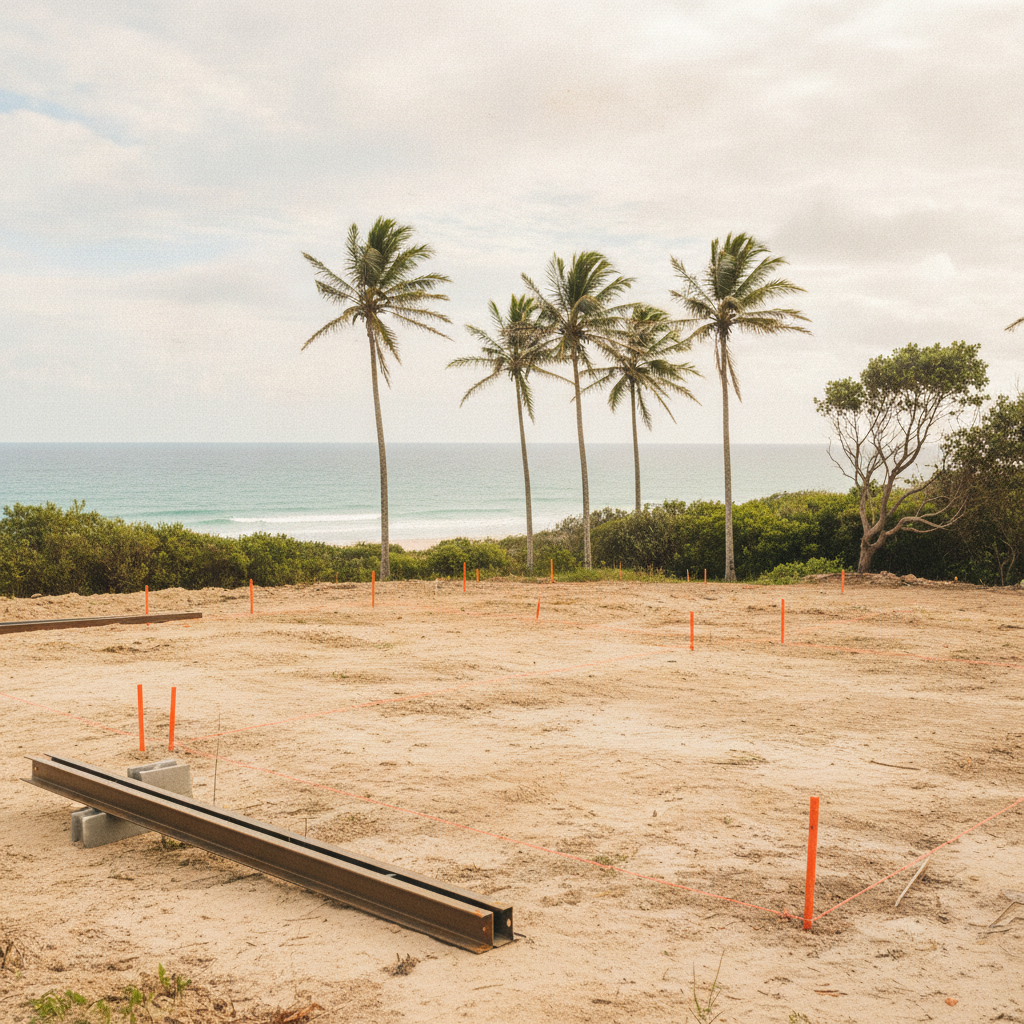
When you move away from the city, the land itself becomes a bigger factor in your build. Rural blocks come with their own set of challenges that you won't find in a suburban estate. The first step is always site access. You need to make sure that a large delivery truck can get onto your property to drop off your kit components. This might mean laying down a temporary driveway or clearing some overhanging branches before the kit arrives.
Another vital consideration is the Bushfire Attack Level (BAL) rating. Much of regional Australia is prone to bushfires, and your home design must reflect the risk level of your specific block. Kit homes are actually very well-suited to high BAL areas because they use non-combustible materials like steel frames and metal cladding. When you're planning your site, you'll also need to think about services. Most rural blocks aren't connected to a town sewer or water mains. You'll need to plan for rainwater tanks, a septic system, and perhaps even a solar power setup with battery storage if you're going completely off-grid.
Why Steel Frames Make Sense for the Bush
We've mentioned steel frames already, but it's worth looking at why they are so popular for rural kit homes. In many parts of Australia, termites are a constant threat to timber-framed buildings. Using BlueScope Steel TRUECORE means you have one less thing to worry about. The frames won't be eaten, and they won't rot. This longevity is a key factor when you're building a home that you want to last for generations.
Steel is also incredibly light compared to traditional timber, which makes the assembly process much easier for a small team or an owner-builder. The frames come pre-punched with holes for electrical and plumbing lines, which saves your trades a lot of time when they arrive on-site. Because the steel is precision-engineered, the walls are perfectly straight and the corners are square. This makes the later stages of the build, like installing cabinetry or tiling bathrooms, much smoother.
Designing a Productive Home Office
Since the move to rural Australia is often driven by remote work, the design of the home office is a top priority. When you're building a kit home, you have the flexibility to choose a layout that separates your workspace from the main living areas. This is important for mental health; you want to be able to 'leave' work at the end of the day, even if your office is only twenty metres from your bedroom.
Natural light is another big factor. Large windows not only provide a great view of your new rural surroundings but also keep you alert during the workday. When selecting your kit, think about the orientation of the windows to catch the winter sun while blocking the harsh summer heat. Proper insulation, which is included in the kit, will keep the office at a comfortable temperature year-round without needing to run the air conditioner constantly. This is especially important in regional areas where temperatures can swing wildly between day and night.
Managing the Build Stages
The process of building a kit home usually follows a clear set of steps. Once your slab is down and cured, the steel frames are stood up and braced. This is often the most exciting part for owner-builders, as the house takes shape very quickly. Next comes the roofing and the external cladding. Once the windows and doors are in, the house is 'locked up'.
Lock-up is a major milestone. It means the interior of the house is protected from the weather, and you can start on the fit-out at your own pace. This is when the plumber and sparky do their 'rough-in' work, followed by the insulation and internal wall linings. Because you're the manager, you can decide to do the painting, flooring, and kitchen installation yourself to save on labour, or you can bring in local craftsmen to give the home a high-end finish. This flexibility is what makes the kit home model so appealing to the DIY community.
Building for the Future
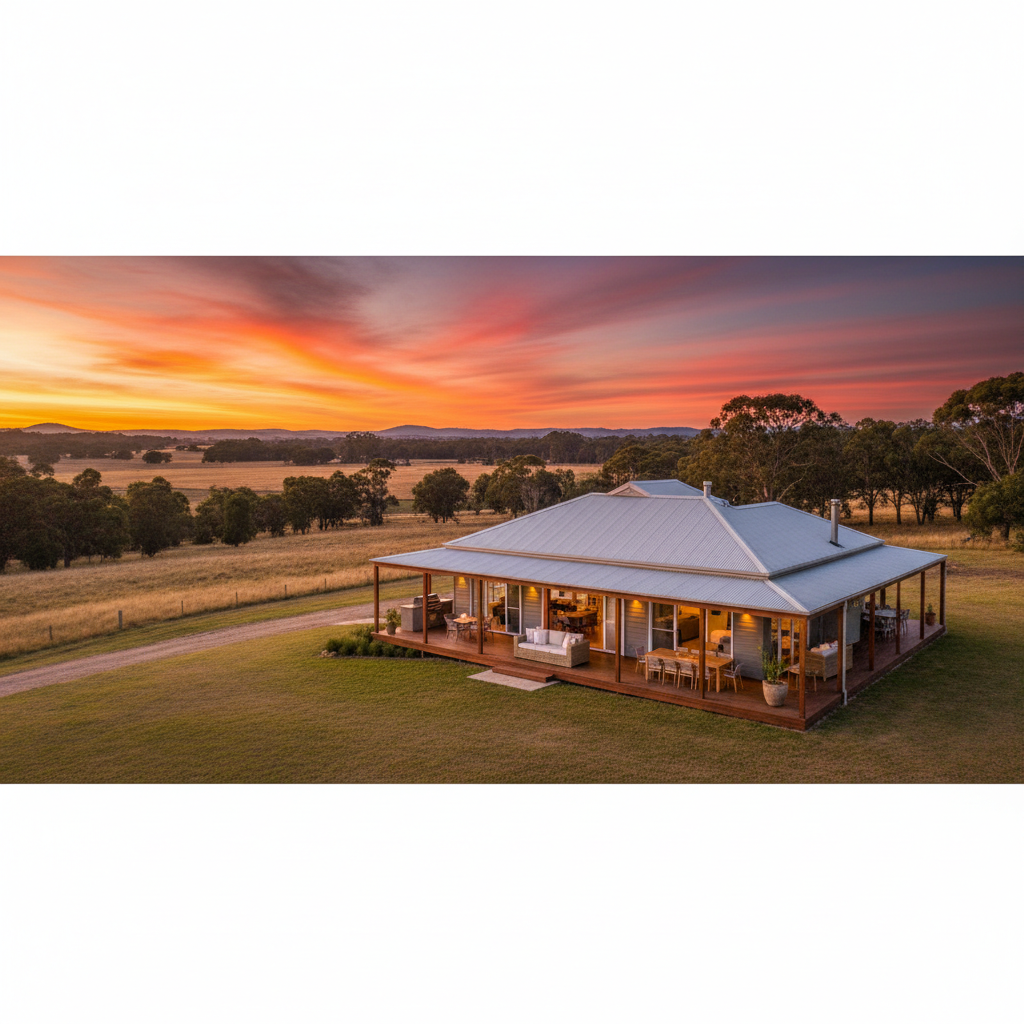
Choosing a kit home is a practical way to achieve the dream of rural living without the complications of a traditional building contract. It allows you to use high-quality Australian materials like BlueScope Steel and Colorbond roofing while maintaining the freedom to manage your own project. As more Australians realize that they don't need to be tied to a city office, the trend of building smart, durable, and beautiful kit homes in the country is only going to grow.
If you're ready to trade the sound of sirens for the sound of magpies, a kit home offers the structure and support you need to make that change. With a bit of planning, a solid owner-builder permit, and a clear vision for your new workspace, you can create a home that perfectly suits your new regional lifestyle. It's about taking charge of your housing future and building something that you can be proud of for years to come.