Starting Your Owner-Builder Project the Right Way
Building a home with your own hands is a classic Australian dream. It offers a sense of pride that you just do not get from buying an existing property or hiring a volume builder to do everything for you. Kit homes have become a popular choice for people looking to take control of their building project, offering a structured way to get a high-quality house onto a block of land. However, the path to finishing a home can be tricky if you have not done it before. Many first-time builders walk into the process with a few misconceptions that can lead to headaches. Understanding the common mistakes made by others can help you stay on track and ensure your build goes as smoothly as possible.
Underestimating the Site and Access Requirements
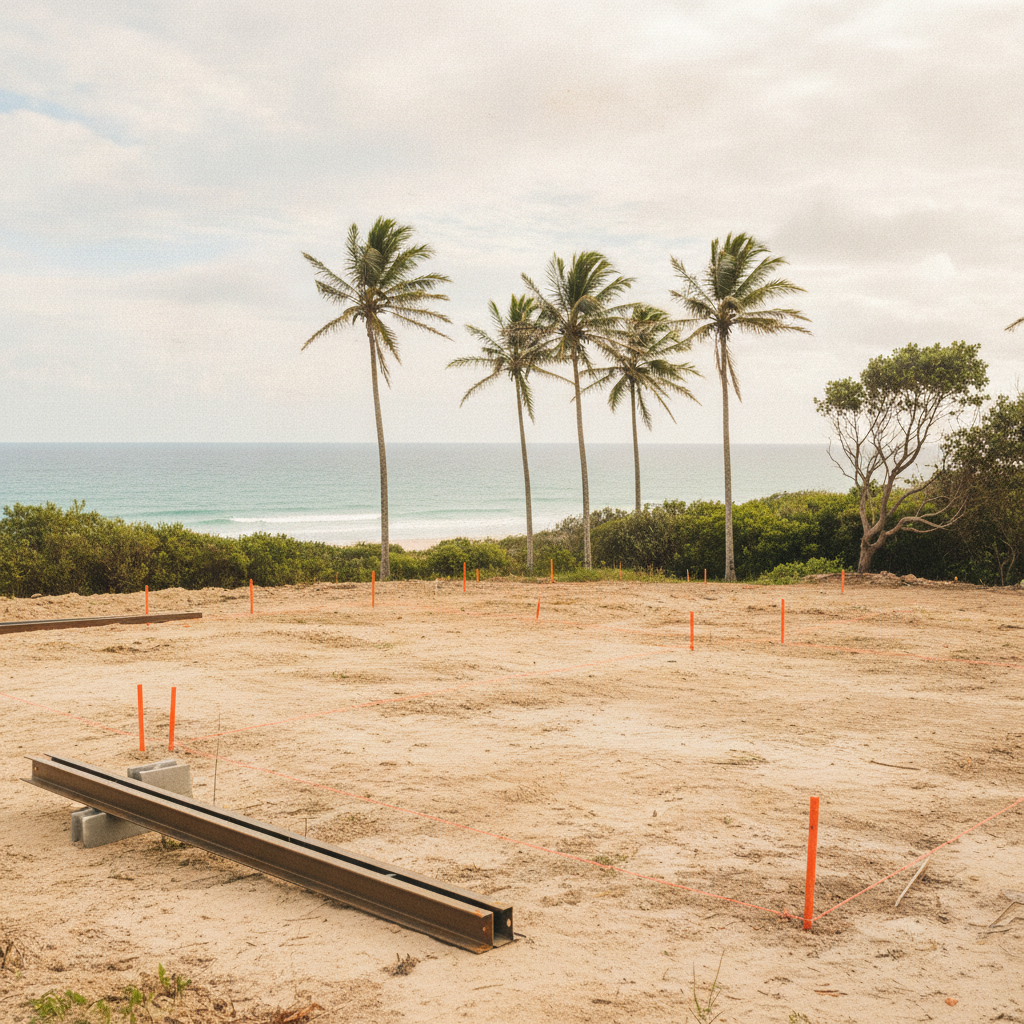
One of the most frequent errors is assuming every block of land is ready for a kit home. Australian geography is incredibly diverse, and your specific piece of dirt comes with its own set of rules. Before you even think about the floor plan, you need to understand your site. Is it on a steep slope? Is it in a high Bushfire Attack Level (BAL) zone? These factors change what you need from your kit. For example, if you are in a bushfire-prone area, your windows and cladding need to meet specific standards. While steel frames made from BlueScope TRUECORE steel are non-combustible and provide an excellent foundation for fire-resistant builds, the entire envelope of the house must comply with local regulations.
Access is another massive factor. A semi-trailer or a large crane needs room to move. If you have a narrow bush track or low-hanging power lines, the delivery driver might not be able to get the materials to your building pad. You might have to pay for smaller truck transfers, which adds extra steps to your project. Always check your access points and ensure the ground is stable enough for heavy vehicles before the delivery date arrives.
Misunderstanding What Is Inside the Kit
A kit home is a fantastic way to get the primary structure of your house, but it is not a complete house in a box that includes every single screw and light bulb. First-time buyers often get caught out because they did not read the inclusion list thoroughly. A standard kit usually includes the steel frames, trusses, roofing, external cladding, windows, doors, and insulation. What it usually does not include are the things that stay in the ground or behind the walls that are specific to your site. You will need to source your own slab materials or flooring systems, plumbing pipes, electrical wiring, and the interior fit-out items like kitchens, bathrooms, and floor coverings.
By knowing exactly what comes in your delivery, you can start sourcing the other components from local suppliers early. This prevents the project from grinding to a halt because you realized too late that you did not order the plasterboard or the skirting boards. Your kit provider gives you the skeleton and the skin, but you are the one responsible for the organs and the finishing touches.
The Precision of the Concrete Slab
When you are building with steel frames, there is very little room for error. Steel is manufactured to millimetre-perfect dimensions. This is a huge benefit for the straightness of your walls, but it means your foundation must be just as accurate. A common mistake is hiring a concretor who is used to the wiggle room of timber and letting them get away with a slab that is out of square or not level.
If your slab is five centimetres too long or has a significant dip, your steel frames will not sit correctly. You might find yourself having to grind down concrete or use structural shims to level things out, which adds time and frustration. If you are an owner-builder, be present when the formwork is being set. Check the diagonals yourself to ensure the slab is perfectly square. A little extra care during the slab pour makes the frame assembly much easier.
Waiting Too Long to Book Tradies
Even if you plan to do a lot of the work yourself, you will still need licensed professionals for specific tasks. In Australia, you must use a licensed plumber and electrician for their respective trades. A big mistake first-timers make is waiting until the frames are up to start looking for these contractors. The best tradies are often booked out weeks or months in advance. You want to have your team lined up before the kit even arrives on site. Having a good relationship with a local plumber means they can come in and do the rough-in at exactly the right time, keeping the project moving. If you are scrambling to find someone at the last minute, you might end up paying a premium or, worse, having your site sit idle while you wait for a window in someone's schedule.
Ignoring Local Council Requirements
Every local government area in Australia has its own set of rules regarding owner-building and kit homes. Some people assume that because the home is a kit, it somehow bypasses the usual planning permissions. This is not true. You still need Development Application (DA) or Complying Development Certificate (CDC) approvals. You will also need to obtain an owner-builder permit in most states if the value of the work exceeds a certain amount.
Failing to get your paperwork in order before you start can lead to heavy fines or orders to stop work. Part of this process involves engineering certifications. Most reputable kit providers supply the engineering for the structure itself, but you will still need site-specific engineering for your footings or slab. Make sure you have a clear list of every certificate and permit required by your local council before any soil is turned.
Poor On-Site Material Management
Once the kit arrives, you have a lot of materials sitting on your land. A common error is just letting the driver drop the packs wherever there is space. If the roofing iron is at the bottom of a pile and you need it last, but it is blocking where the crane needs to stand, you will spend hours moving heavy materials around. Plan your site layout. Designate a spot for the frames, a spot for the cladding, and a dry, secure area for windows and doors.
Protection from the elements is also vital. While steel frames are hardy, things like windows, doors, and internal timber components do not like sitting in the rain or direct sun for weeks on end. Have heavy-duty tarpaulins ready and ensure everything is stored off the ground on skids. Security is another thought. If your site is remote, consider how you will secure smaller items and tools. A shipping container on site is often a wise investment for an owner-builder to keep everything safe and dry.
Rushing the Assembly Process
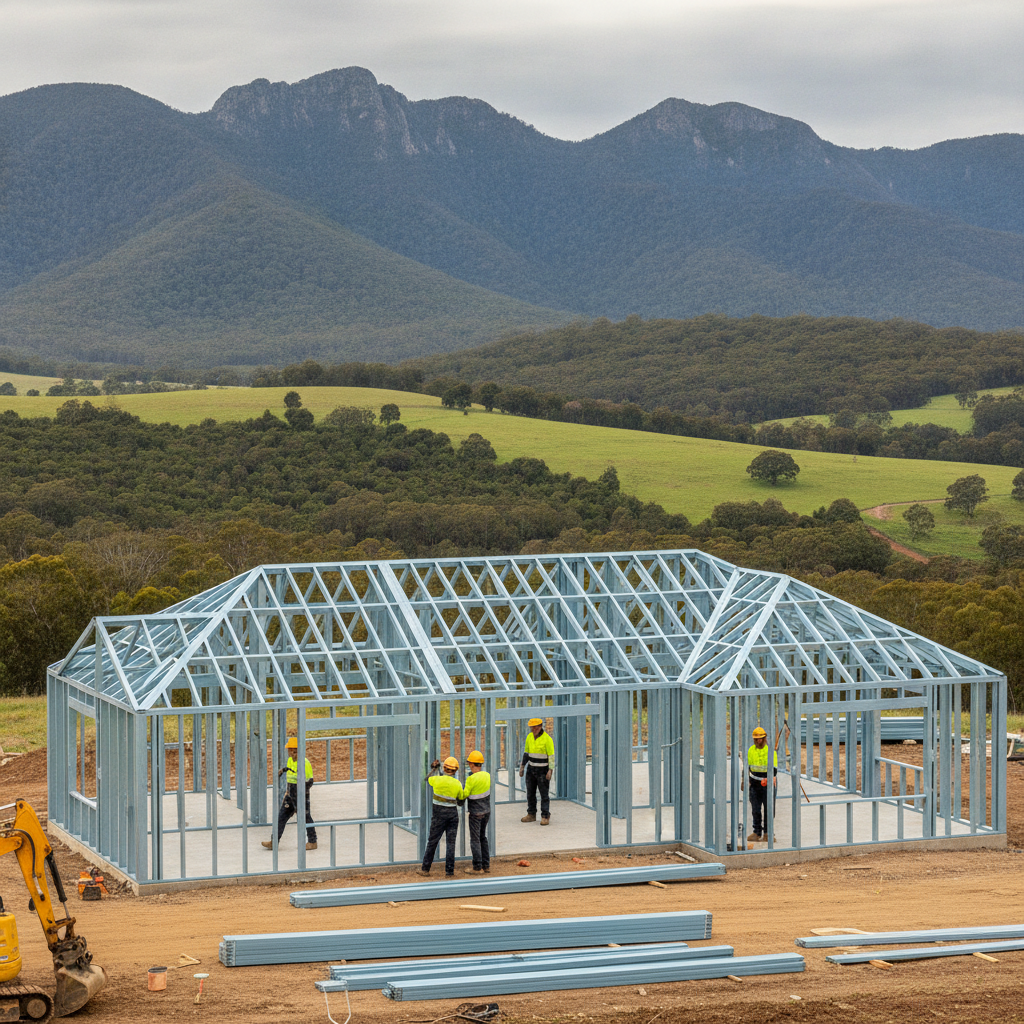
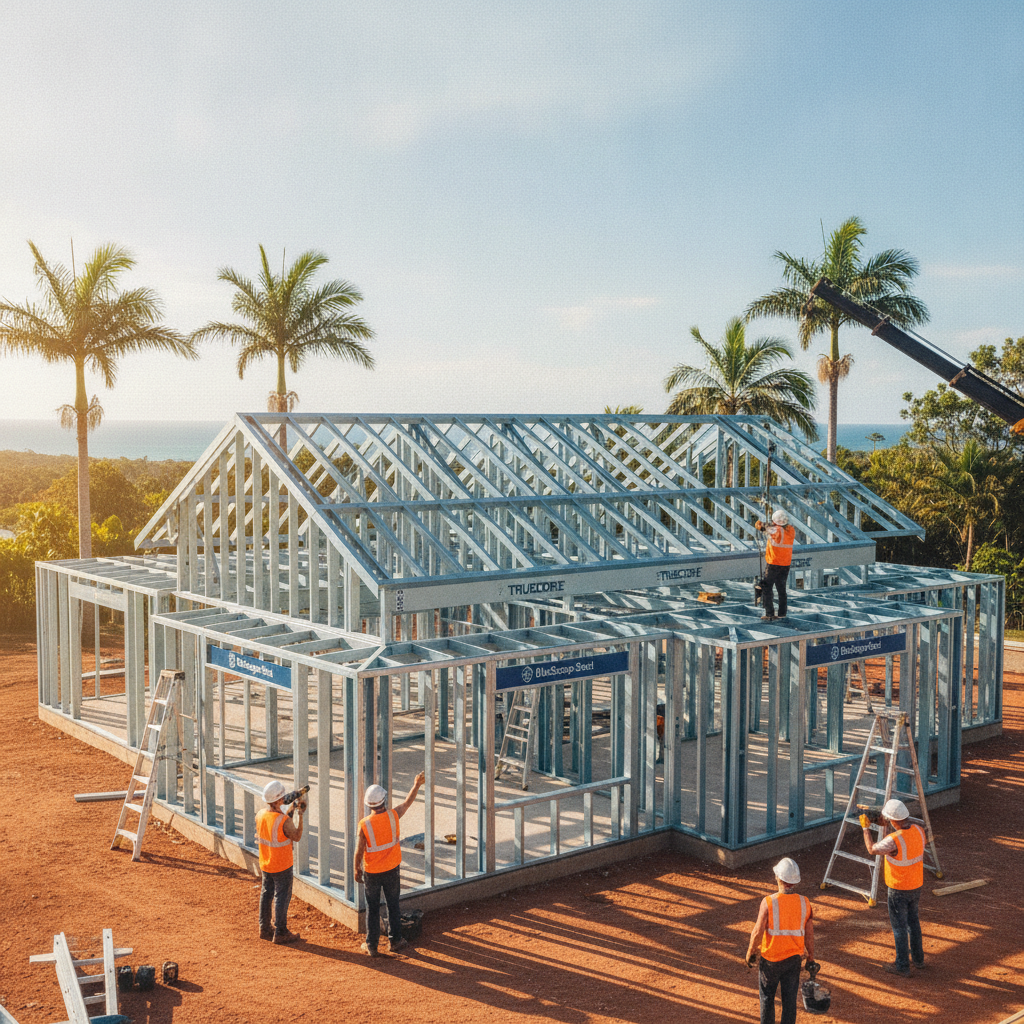
The beauty of a steel frame kit is how quickly it can go together, but speed should not come at the expense of accuracy. Modern kits using BlueScope TRUECORE steel come pre-punched and clearly marked, making them much like a giant assembly set. However, if you miss one step in the bracing or do not check that every wall is perfectly plumb before moving to the roof, those small errors will magnify. If the walls are slightly leaning, your windows will not open properly, and your plastering will look wavy. Take the time to read the assembly manual twice. Check your levels at every stage. It is much faster to fix a mistake when you are just putting up the studs than it is when the roof is already on.
Final Thoughts for the Australian Owner-Builder
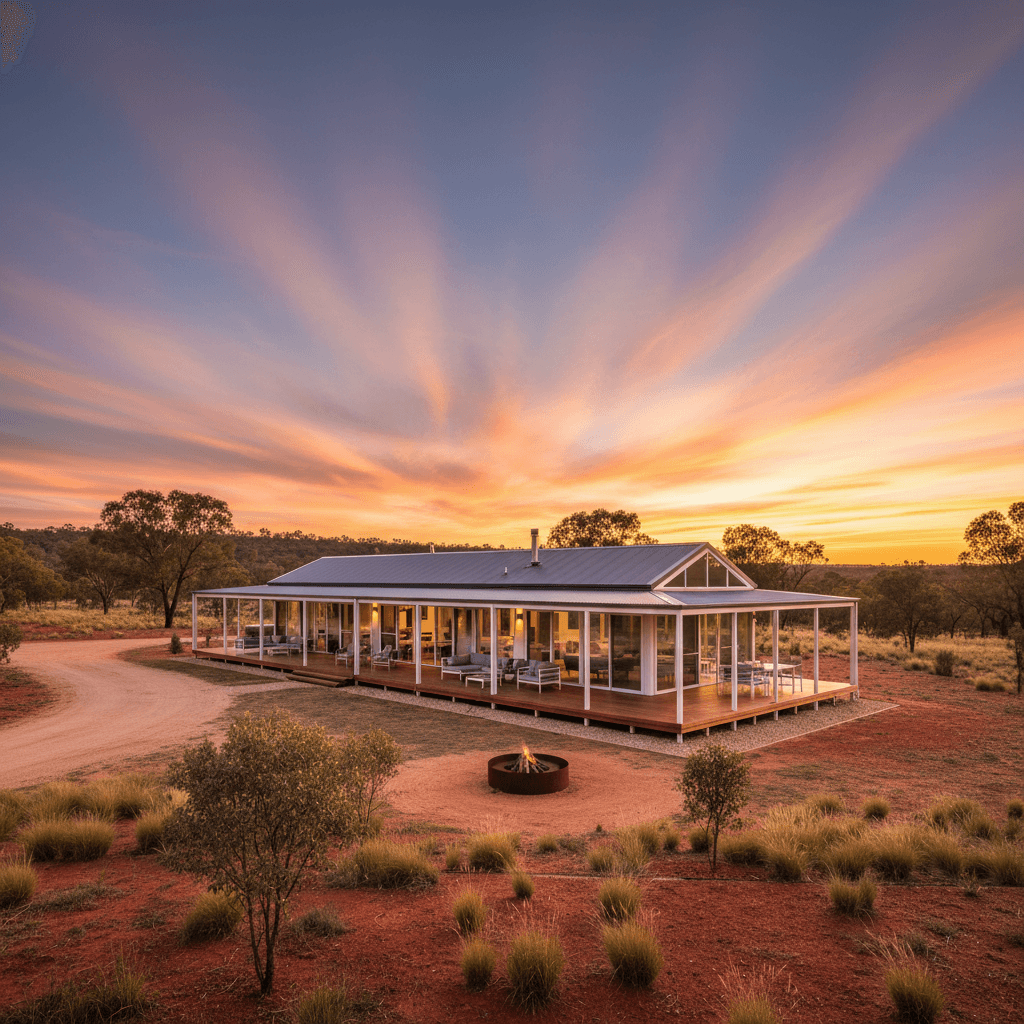
Building a kit home is one of the most rewarding ways to create a place for your family. It gives you the flexibility to manage your own project while working with high-quality, precision-engineered materials. By avoiding these common mistakes, you can focus on the joy of the build rather than the stress of fixing errors. Take your time with the site preparation, be meticulous with your slab, and keep your communication with council and tradies clear. With a bit of planning and a lot of patience, you will end up with a beautiful, durable home that you can be proud of for decades to come.