Building for the Future: Why Steel Frame Kit Homes Suit Australian Conditions
Building your own home is a massive goal for many Australians. There is something deeply satisfying about being involved in the creation of your own living space, especially when you are looking to move away from the standard suburban cookie-cutter options. In the search for the perfect build method, many people find themselves looking at kit homes. They offer a structured way to manage a project while still maintaining that hands-on owner-builder spirit. However, the biggest decision you will likely make early on is not about the floor plan or the kitchen tiles, but what is actually holding the house up. Choosing between a traditional timber frame and a modern steel frame is a fork in the road that defines the longevity and maintenance requirements of your home for decades to come.
For those building in Australia, the choice is increasingly leaning toward steel. Specifically, kit homes that utilize BlueScope TRUECORE steel are becoming the standard for people who want a house that can withstand everything our unique environment throws at it. From the scorching heat of the outback to the humid coastal regions, the structural integrity of your home depends on materials that do not buckle under pressure. We are going to look at why steel frames are leading the way for owner-builders and how they compare to older building methods.
The Termite Factor: Natural Protection
Ask any Australian homeowner about their biggest fear, and termites will usually be near the top of the list. These silent destroyers cause millions of dollars in damage to Australian properties every single year. When you build with a timber frame, you are essentially providing a buffet for these pests. Even with chemical treatments, timber remains a food source that requires constant monitoring and expensive annual inspections. There is always that nagging worry that a breach in the chemical barrier could lead to structural issues hidden behind your plasterboard.
Steel frames change that dynamic completely. Termites simply cannot eat steel. When you use TRUECORE steel in your kit home, you are building with a material that is 100 percent termite-proof. You do not need to worry about the structural frame being compromised by pests, which provides incredible peace of mind. This built-in resistance means you can skip some of the more aggressive chemical treatments usually required for the skeleton of the house. For an owner-builder, this is one less thing to manage during the construction process and one less ongoing maintenance task to worry about once you move in.
Straight Walls and Precision Engineering
One of the most frustrating parts of building with timber is dealing with the natural inconsistencies of wood. Timber is an organic material, it can have knots, bows, and twists. Even if a timber stud is straight when it arrives on site, it can warp as it dries out or reacts to humidity. This leads to issues later in the build, such as wavy walls, doors that do not close properly, or cracks in the cornices because the frame has moved.
Steel frames are manufactured using high-precision technology. Each piece is engineered to exact specifications, meaning every stud is perfectly straight and remains that way. Because steel does not absorb moisture, it will not swell or shrink with the seasons. This precision is a dream for owner-builders. When you are installing your own windows, doors, or internal cabinetry, you want to know that the opening is perfectly square. Working with a steel frame makes the following stages of the build, like hanging plasterboard or installing skirting boards, much faster and more professional in appearance. You won't find yourself having to plane down studs or pack out walls just to get a flat finish.
Bushfire Performance and Safety
Living in Australia means being aware of bushfire risks. Many kit homes are built in rural or semi-rural areas where Bushfire Attack Level (BAL) ratings are a significant part of the planning process. While the frame is only one part of a fire-resistant strategy, using non-combustible materials is a logical step for any safety-conscious builder. Steel does not catch fire and it will not contribute fuel to a blaze.
In the event of a fire, a steel frame can maintain its structural integrity longer than timber, which could provide vital extra time. Furthermore, because steel frames do not require the same chemical preservatives that some treated timbers do, there are no toxic fumes released from the frame if it is exposed to high heat. For families building in regions prone to fire, the choice of a non-combustible steel frame is often an easy one to make.
The Efficiency of the Owner-Builder Process
A kit home is designed to streamline the building process, and the frame is the heart of that system. When your kit arrives, the steel frames are typically pre-assembled or provided in easy-to-manage sections that are clearly marked. Because steel has a high strength-to-weight ratio, these frames are often lighter than their timber counterparts. This makes them easier to handle on-site, which is a major advantage if you are doing a lot of the heavy lifting yourself or with a small team of helpers.
Another benefit that often goes unmentioned is the pre-punched service holes. When the frames are manufactured, holes for electrical wiring and plumbing are already in place. This means your tradespeople can come in and run their lines through the house without needing to spend hours drilling through every single stud. It makes the 'rough-in' stage of the build much cleaner and faster. Most electricians and plumbers find working with a well-designed steel frame a much simpler task, which helps the whole project stay on schedule.
Weathering the Australian Climate
Our climate is famous for being harsh. We have high UV levels, intense storms, and extreme temperature fluctuations. BlueScope TRUECORE steel is specifically designed for these conditions. It features a metallic coating that protects the steel from corrosion. This is particularly important in coastal areas where salt spray can be an issue for inferior metals. Unlike timber, which can rot if moisture gets trapped in the wall cavity, steel remains unaffected by dampness or lack of airflow within the structure.
This durability extends to the roof and cladding as well. Most high-quality steel kit homes include roofing and wall sheets made from COLORBOND steel, which is tested in some of the most punishing outdoor sites in Australia. This ensures that the exterior of your home stays looking fresh for years without the need for constant repainting or repairs that timber weatherboards often require.
Practical Tips for Potential Kit Home Buyers
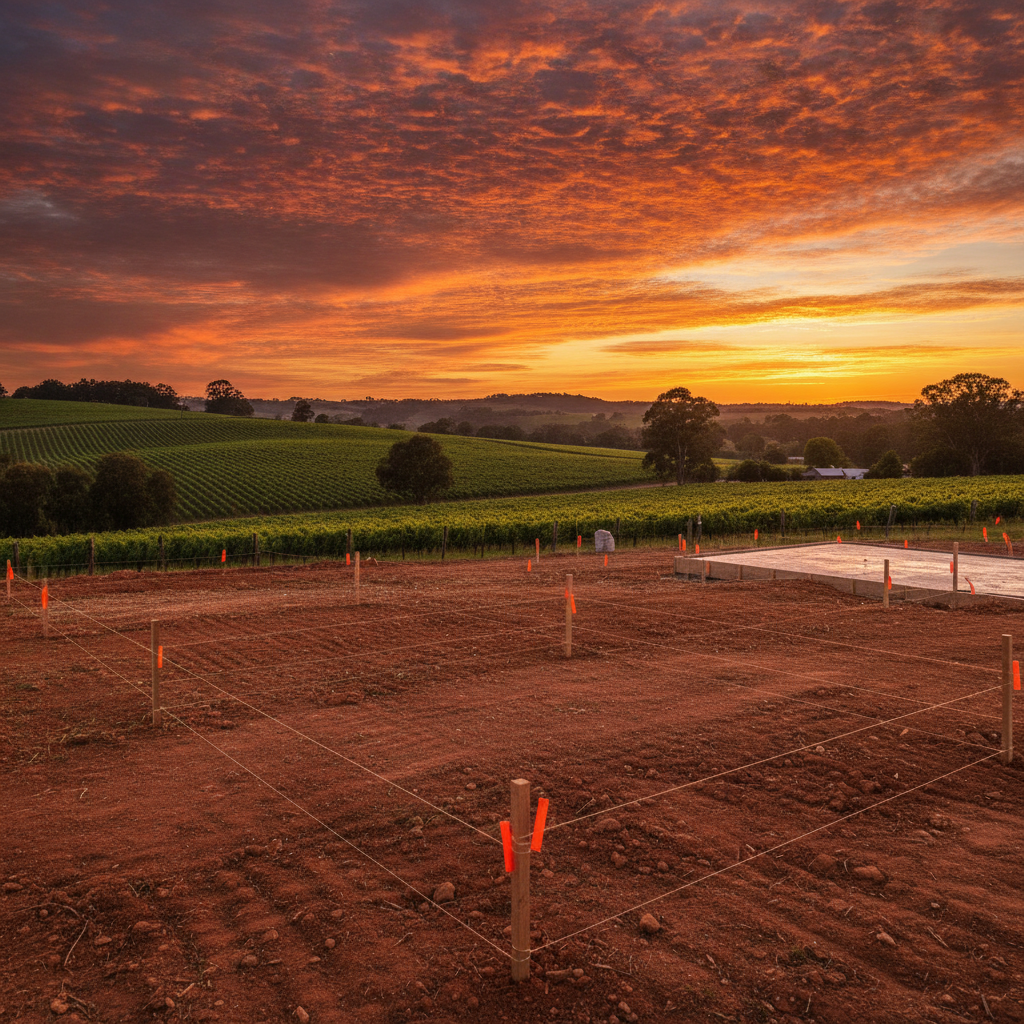
If you are considering a steel frame kit home, there are a few practical things to keep in mind as you plan your project. First, focus on your site preparation. A steel frame is incredibly precise, which means your concrete slab or sub-floor needs to be spot-on. Take the time to ensure your footings are level and square, as this will make the frame assembly a breeze.
Second, think about your insulation. Because steel is a good conductor of heat, it is important to use a high-quality thermal break and bulk insulation. This is a standard part of modern steel frame construction and ensures that your home stays cool in summer and warm in winter. Your kit provider will usually include these components, but it is worth understanding how they work together to create an energy-efficient building envelope.
Third, talk to your local council early. While kit homes are a common and accepted way to build, every council has its own set of rules regarding owner-builders and specific site requirements. Having your plans and engineering details ready to go will help the approval process move smoothly. Since steel frames come with full engineering certifications, they are generally very well-received by building certifiers and council inspectors.
Environmental Considerations
For many Aussies, building a home also means thinking about the environment. Steel is one of the most recycled materials on the planet. A steel frame can contain a significant amount of recycled content, and at the end of the building's long life, the entire frame can be recycled again. There is very little waste on a kit home site because the frames are made to order. You are not paying for off-cuts that end up in a skip bin. This efficiency makes it a very clean way to build, with a much smaller footprint on the building site itself.
Final Thoughts on Choosing Steel
Deciding to build a kit home is an exciting step toward independence and home ownership. By choosing a steel frame made from TRUECORE steel, you are investing in a foundation that is built to last. You are choosing a home that is resistant to termites, won't twist or warp, and provides a safer environment in fire-prone areas. For the owner-builder, the precision and ease of assembly make the process much more manageable, allowing you to focus on the finishing touches that make a house a home. While there are many ways to build, few offer the long-term reliability and peace of mind that comes with a steel-framed kit home tailored for the Australian way of life.