Taking Control of Your Home Build
Starting a construction project on your own land is a massive milestone for many Aussies. Kit homes have changed how people think about building. Instead of starting from scratch with a pile of raw timber and a saw, you're getting a system that's designed to fit together with precision. Being an owner builder is about more than just swinging a hammer, it's about managing a project from start to finish. It's a way to get hands-on with your future home while knowing the heavy lifting of design and structural engineering has already been handled.
Becoming an owner builder gives you a sense of pride that's hard to find elsewhere. You aren't just a customer watching from behind a fence, you're the one making the decisions. However, the biggest challenge for most people is knowing where their skills end and where a professional's expertise should begin. Getting this balance right is the secret to a successful build that meets all the Australian standards and stands the test of time.
What Exactly Comes in the Kit?
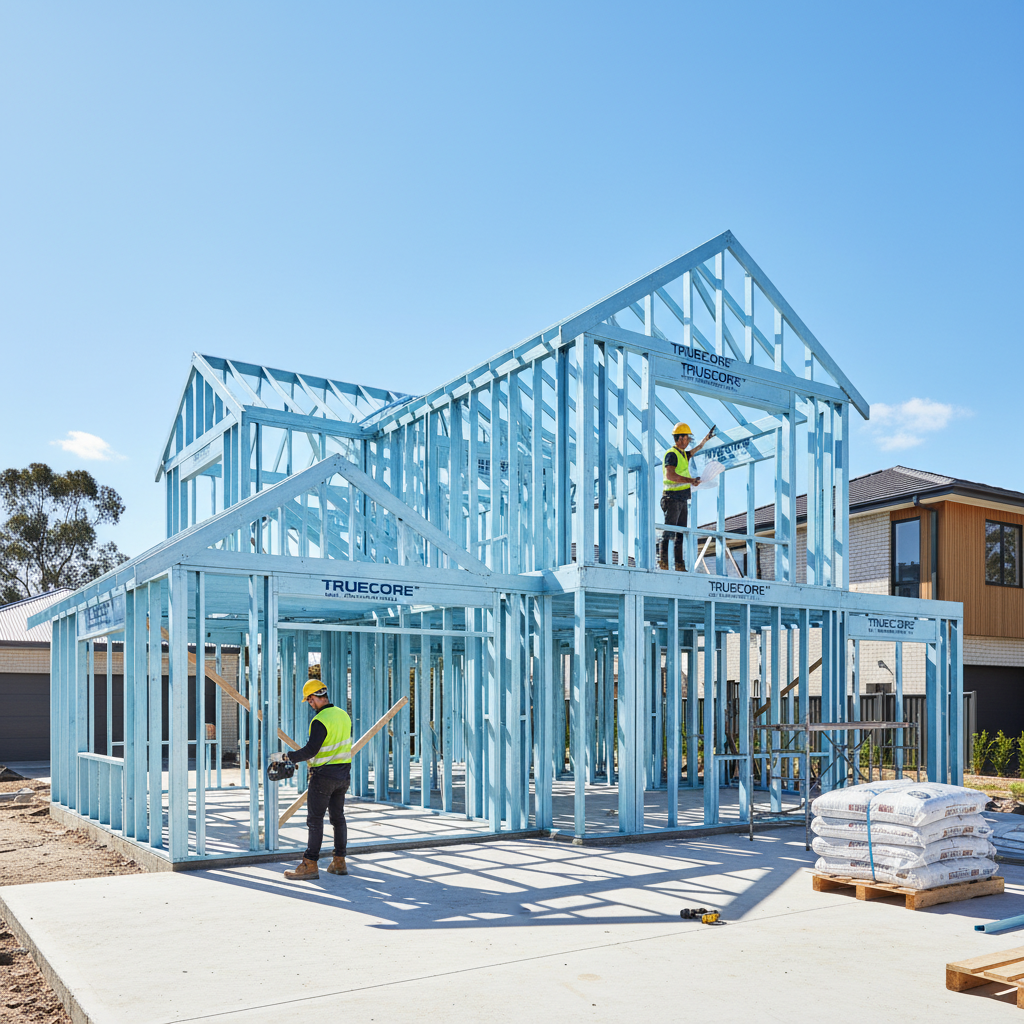
Before you pick up a tool, you need to know what you're working with. A quality kit home in Australia usually includes the main structural components. We're talking about the frames, the roof, the cladding, and the external openings. When we talk about frames, we mean the skeleton of the house. Using steel frames, particularly those made from BlueScope Steel TRUECORE, is a smart move for owner builders. These frames arrive pre-punched and ready to be bolted together. They're light, they're straight, and they don't twist or warp over time like some other materials might.
Beyond the bones of the building, your kit will generally include the roofing iron, the external cladding, windows, doors, and the insulation needed to keep the house comfortable. It's a comprehensive package, but it's not the whole house. You'll still need to handle the site works, the concrete slab, the internal fit-out, and all the services like water and power. Understanding this scope is the first step in planning your DIY strategy.
The DIY Sweet Spot: Tasks for the Owner Builder
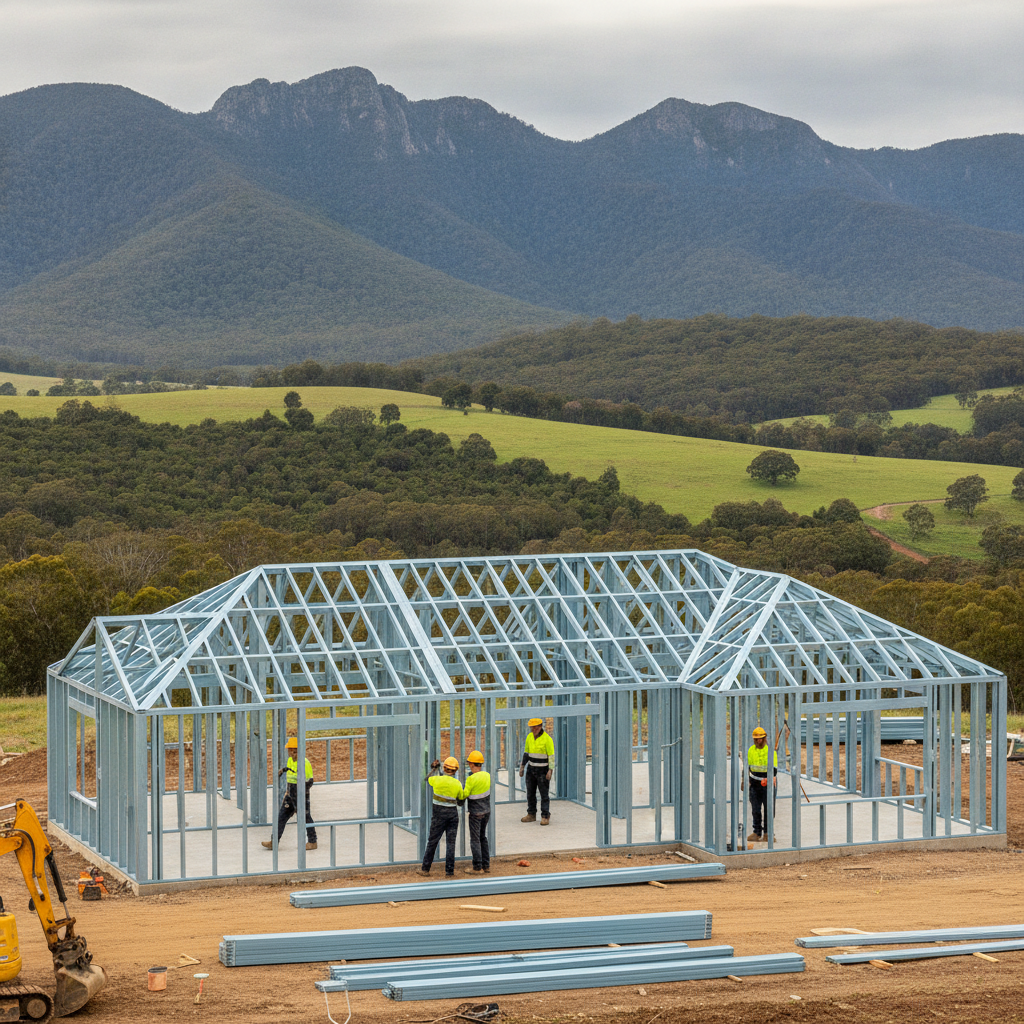
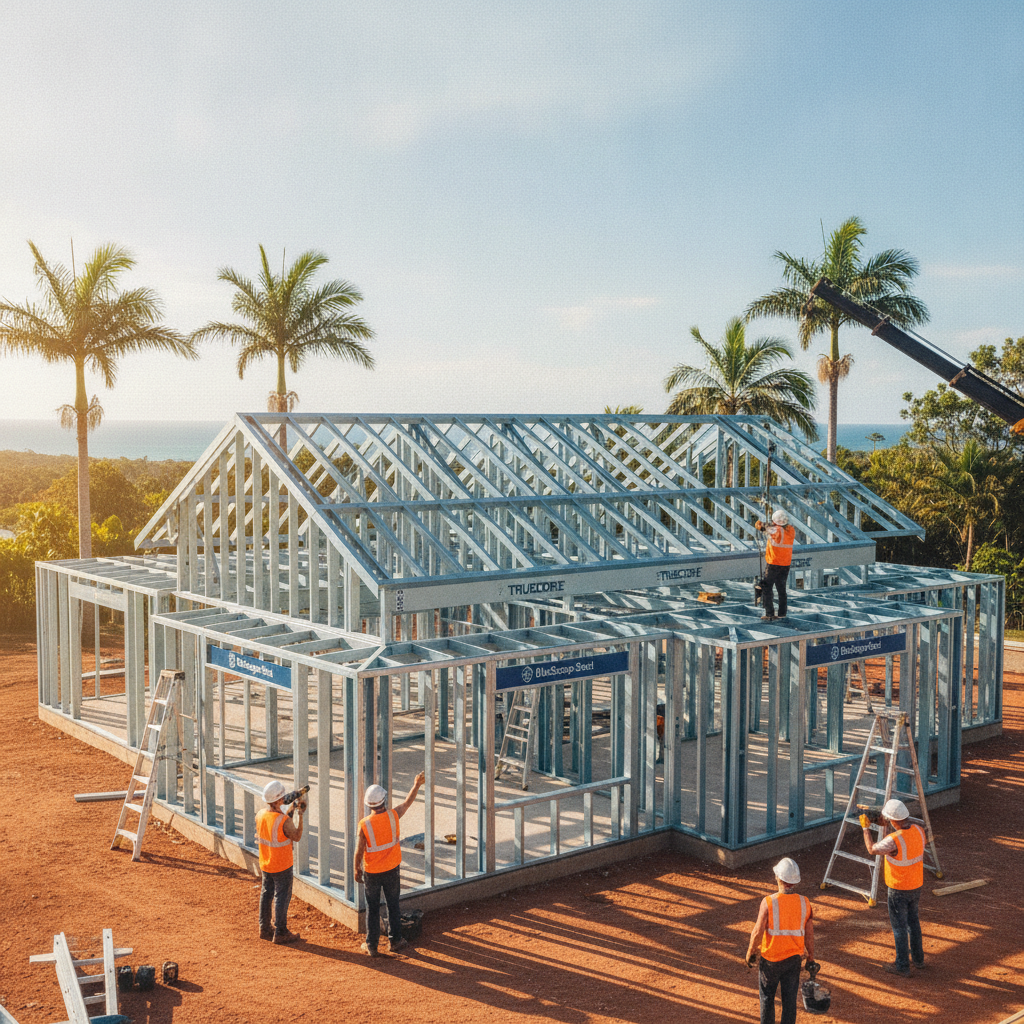
If you're handy with a drill and a level, there's a lot you can do yourself. Frame assembly is one of the most rewarding parts of the process. Because steel frames are manufactured to exact specifications, putting them up is often compared to a large-scale model kit. You'll follow the plans, bolt the sections together, and see the shape of your home appear in a matter of days. It's physical work, but it's manageable for someone with basic building knowledge and a couple of helpful mates.
Once the frames are up and fixed to the slab, you can move on to the building wrap and insulation. Installing insulation batts is a classic DIY job. It's a bit dusty and can be a tad itchy, but it doesn't require a trade certificate. Proper insulation is vital for the Australian climate, keeping the heat out in summer and the warmth in during winter. Doing this yourself allows you to take the time to ensure there are no gaps, which can make a huge difference in your home's thermal performance.
External cladding and internal plasterboarding are also areas where many owner builders choose to get involved. Cladding involves fixing the outer skin to the frames. Whether you're using timber, fibre cement, or steel cladding, it's a matter of following the manufacturer's guidelines for spacing and fixings. It's a job that requires patience and an eye for detail, but it's well within the reach of a determined DIYer. The same goes for painting. Whether it's the internal walls or the external trim, painting is a task that most people can handle to save on labour costs.
Knowing When to Call in the Experts
While doing it yourself is a great way to be involved, there are some areas where you simply cannot, and should not, do the work. In Australia, plumbing and electrical work must be done by licensed professionals. This isn't just a suggestion, it's the law. These trades require years of training to ensure safety and compliance with national standards. Your local council will require certificates of compliance from these trades before they'll sign off on your home. Attempting these jobs yourself can lead to dangerous outcomes and will void your insurance.
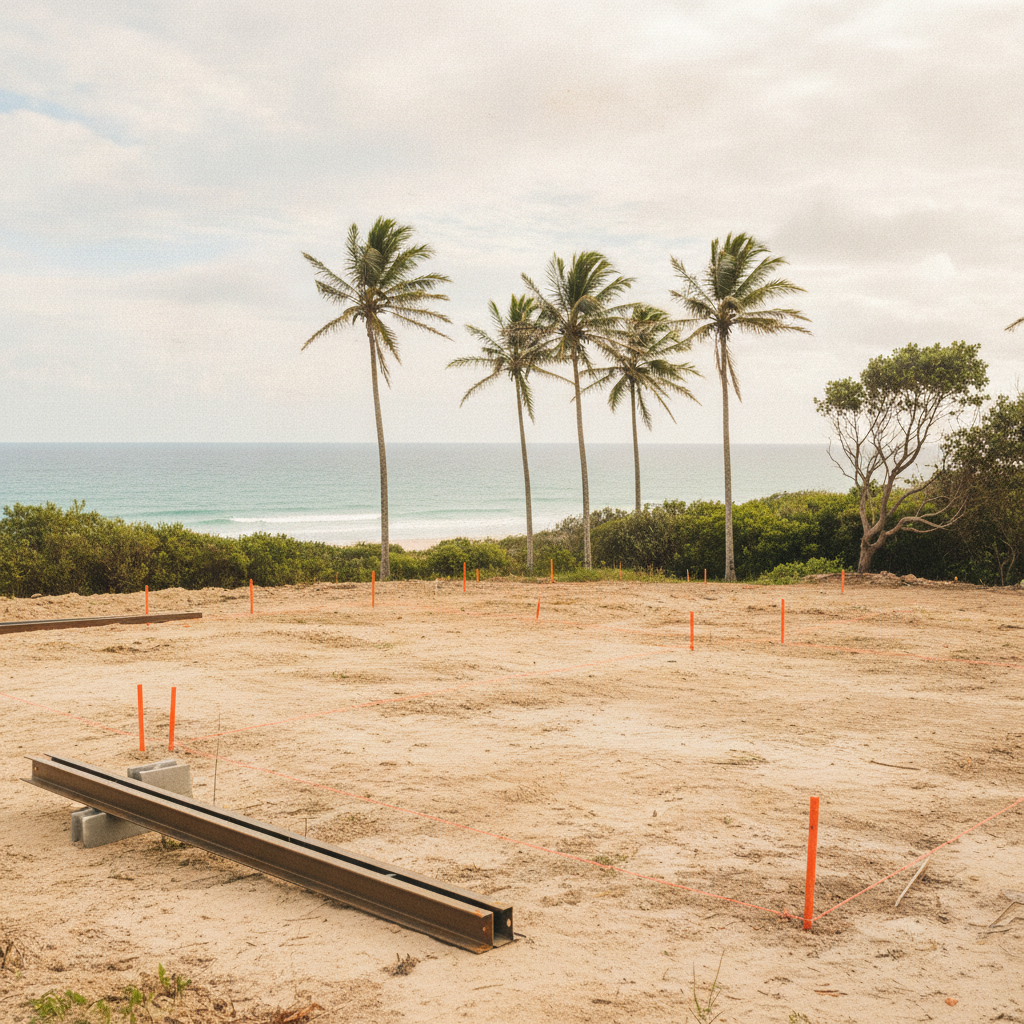
The concrete slab is another area where hiring a pro is usually the best bet. The slab is the foundation of everything. If it's not perfectly level or if the dimensions are slightly off, every other part of the build will be more difficult. Professional concreters have the gear and the experience to pour a slab that is dead flat and structurally sound. It's a fast-paced job that doesn't allow for mistakes, so it's worth every cent to have it done right.
Roofing is another task that sits in the middle. While some owner builders feel comfortable fixing roof sheets, it's high-risk work. Working at heights requires specific safety equipment like harnesses and guard rails. If you aren't comfortable with heights or don't have the right safety gear, hiring a roof plumber is a smart move. They'll also ensure that the flashing and guttering are installed correctly to prevent leaks during those heavy Aussie downpours.
The Precision of BlueScope Steel TRUECORE
One of the biggest advantages for an owner builder using steel frames is the sheer accuracy of the product. When you're using BlueScope Steel TRUECORE, you know that every piece is manufactured to the millimetre. This means that when you go to install your windows and doors, they'll actually fit the openings. In traditional timber framing, you might find yourself planing down studs or shimming out gaps because the wood has bowed. Steel stays straight and true.
This precision flows through to every other part of the build. Your plasterboard will sit flatter on the walls, and your kitchen cabinets will be easier to install because the corners are actually square. For a DIYer, this removes a lot of the frustration that comes with traditional building methods. It allows you to focus on the assembly and finishing rather than fixing structural mistakes.
Managing Your Site Like a Pro
A big part of being an owner builder is the logistics. You need to be ready for when the kit arrives. Make sure you have a clear, flat area for the delivery truck to unload. You don't want your steel frames or cladding sitting in the mud or blocking the access for your future trades. Organising your site helps the project run smoothly and keeps everyone safe.
Safety is your responsibility as the site manager. This means keeping the area tidy, ensuring people have the right protective gear, and managing hazards. A clean site is a safe site. Make it a habit to clean up at the end of every day. Not only does it make the place safer, but it also makes it much more pleasant to work in the next morning.
The Final Touches and Internal Fit-out
Once the shell of the house is complete and the trades have finished the rough-in, you get to the fun part - the interior. Installing the kitchen, fitting out the wardrobes, and laying the flooring are all tasks that many owner builders find very satisfying. These are the parts of the home you'll see and touch every day, so taking the time to do them well is worth the effort.
For items like tiling or floor sanding, you might decide to hire a specialist if you're looking for a high-end finish. Tiling, in particular, is an art form that takes a lot of practice to master. If you're confident, give it a go in a small area like a laundry first before tackling a main bathroom. The beauty of being an owner builder is that you can choose exactly how much you want to take on based on your confidence and time.
Conclusion
Building a kit home as an owner builder is a fantastic way to create a home that truly reflects your needs. By using high-quality components like steel frames and being smart about which tasks you DIY and which ones you outsource, you can achieve a professional result. Remember to stay organised, follow the plans to the letter, and always prioritise safety. Whether you're bolting together TRUECORE steel frames or putting the final coat of paint on the walls, every bit of work you put in brings you closer to your dream home. It's a big project, but with the right approach and a bit of Aussie determination, it's one of the most rewarding things you'll ever do.