Built Tough: Weatherproofing Your Kit Home for Australia's Wild Side
Australia throws everything at your house. Cyclones ripping through Queensland, bushfires tearing across the Blue Mountains, inland temperatures that'd melt a thong, and icy frosts in Tasmania. Building a kit home here, especially as an owner-builder, means you gotta think about weatherproofing from day one. It ain't just about keeping the rain out; it's about building something that'll last decades without turning into a leaky sieve or rattling apart in the first big blow. And if you're building with a steel frame kit, like the ones we do with TRUECORE steel, you've already got a massive head start.
People think about the big storms, right? Cyclones, major floods. But it's often the relentless everyday stuff – constant UV radiation, weeks of driving rain, or that sneaky morning dew that just sits there, year after year – that does the slow, insidious damage. So, let's talk about building a fortress, Aussie style.
Slab Down, Water Out: Foundation Drainage is King
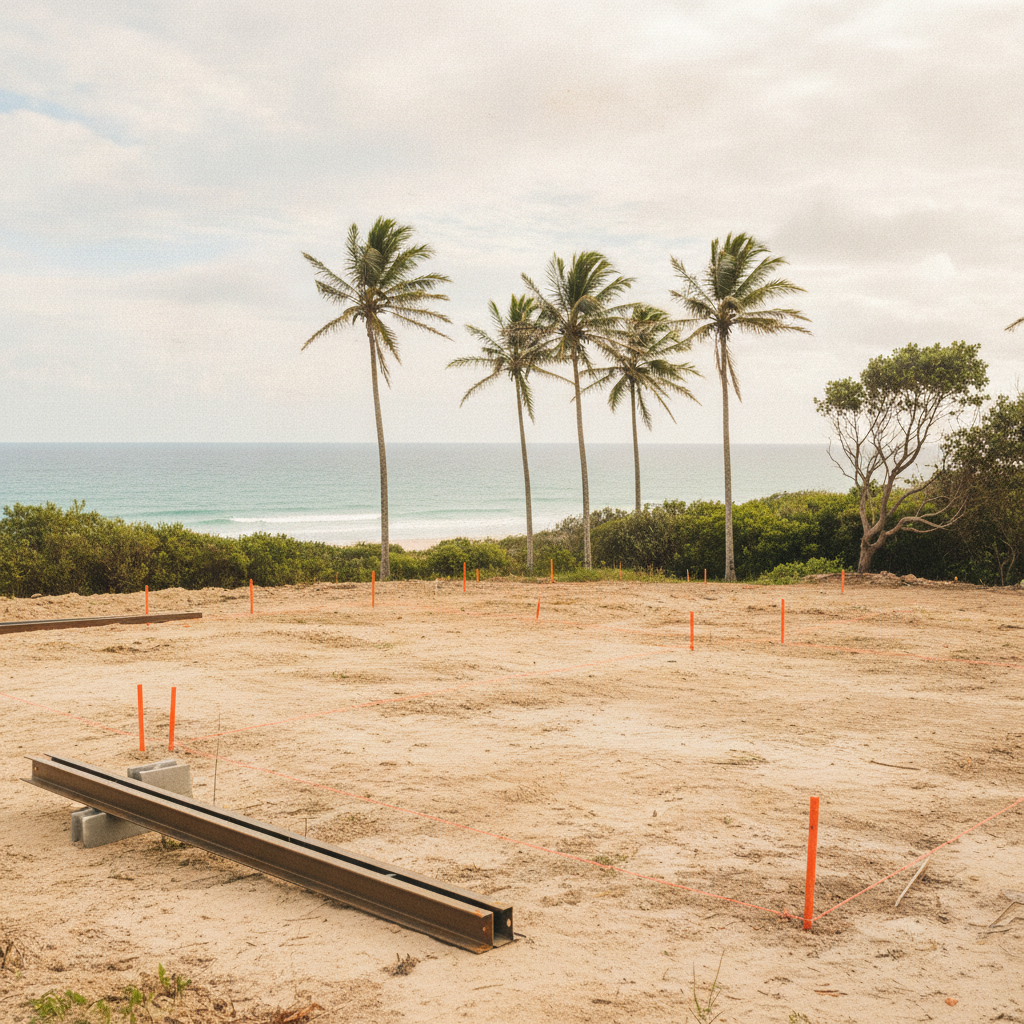
It all starts with your slab. Or stumps, whatever your engineer spec'd. For most kit homes, especially in urban or semi-rural areas, you'll be on a concrete slab. And mate, if you don't get the drainage around that slab sorted, you're asking for trouble. Water pooling against your foundation is a silent killer. It leads to rising damp, cracking, and a whole world of pain later on. Your builder will screed the slab to fall away from the house, but you've gotta keep that fall going.
The ground around your home needs to slope away from the slab by at least 50mm over the first metre. That's a minimum, too. More is always better. Think about swales or ag-pipes if your site's a bit tricky, especially if you're on a cut-and-fill block. You're trying to shunt water away from the house perimeter, not let it sit there and soak into the ground right next to your footings. We had a bloke in Lismore a few years back, didn't bother with proper external drainage, just graded it flat. First big rain, his garden beds became little moats around his house. Took him ages to fix. Don't be that bloke.
Steel Frames: Your First Line of Defence (Beyond the Bushfire)
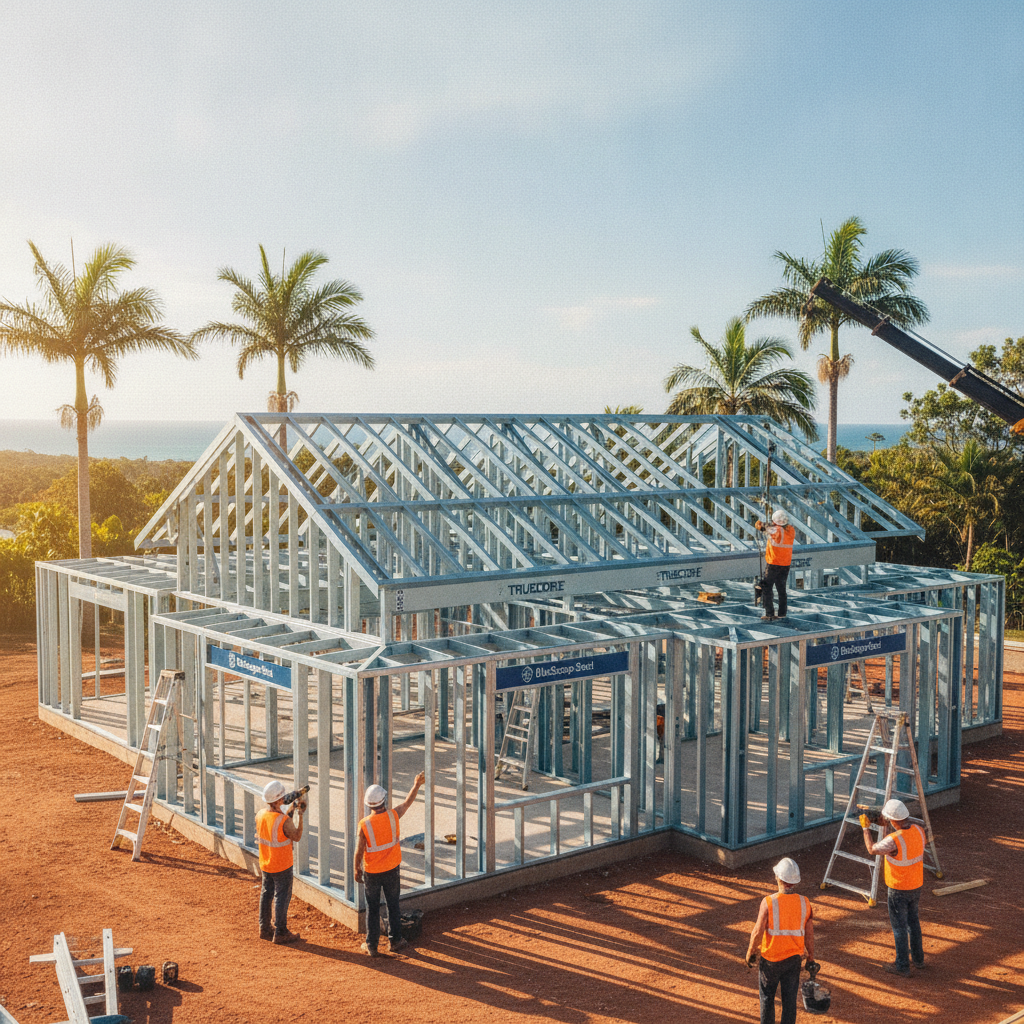
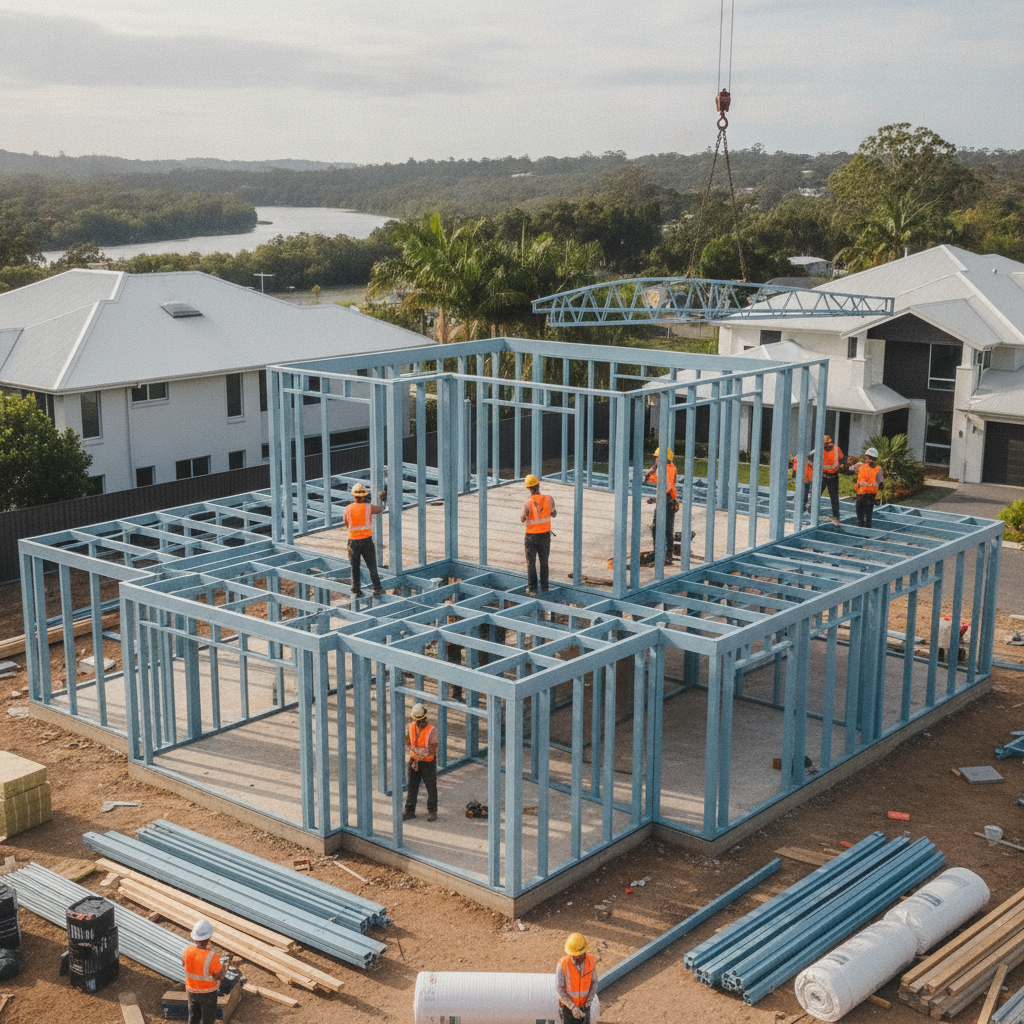
Right, so you've got your slab. Next up, the frame. With a TRUECORE steel frame, you're already sidestepping some massive weatherproofing headaches. Timber can warp, twist, and shrink. It can soak up moisture, providing a lovely buffet for termites, and it's a feast for fire. Steel? Nah. Doesn't warp. Doesn't shrink. Termites can chew on it all day, they won't get far. And in a bushfire prone area (BAL ratings are a big deal here, remember), steel is non-combustible. That's a huge one.
But the weatherproofing advantages go further. The stability of steel means less movement in your structure over time. Less movement means less chance of cracks appearing in plasterboard or cladding joints, which are tiny pathways for water ingress. Plus, the accuracy of the fabrication – everything cut to precise lengths off-site – means your walls are straighter, plumb and square. This makes fitting cladding, windows, and doors a much tighter, more weatherproof job. No dramas trying to make a crooked timber stud meet a straight window frame.
Wrapping It Up: House Wrap & Sarking
Once that frame's up, you're not just chucking the cladding straight on. Not if you're serious about weatherproofing. You need a sarking or house wrap. This is a synthetic membrane, basically a big roll of fancy plastic, that goes over your frame before your external cladding. It's a critical layer.
What does it do? Heaps. Firstly, it's a secondary barrier against water. If rain gets past your cladding – and it will, eventually, in a driving storm – the sarking stops it hitting your frame or insulation. It directs that water downwards, behind the cladding, and away. Secondly, it acts as a wind barrier, stopping drafts and making your insulation work heaps better. Less cold air whistling through your walls, less heat escaping. Thirdly, some sarking products have a reflective surface, which can help with thermal performance, especially in hot climates, reflecting radiant heat away from the building envelope.
Make sure it's installed correctly, lapped like shingles, top over bottom, with all joins taped. Any tears? Tape 'em up. It's a simple step but makes a massive difference to the long-term performance of your home. It's in your kit, use it right.
Cladding Choices: More Than Just Good Looks
The external cladding is your primary shield against the elements. And mate, you've got choices. Each has its pros and cons for weatherproofing.
- Colorbond Steel: Tough as nails. Doesn't crack, doesn't warp. Fantastic for rain, hail, and especially good for bushfire resistance in higher BAL zones. Minimal maintenance too, just a wash down. Great for roofs, but cladding options are heaps popular now for walls.
- Fibre Cement (HardiePlank, etc.): Super versatile. Comes in sheets or weatherboards. Good fire resistance. Excellent for wet areas, won't rot or attract termites. Needs to be painted and sealed properly, especially at joins and penetrations, otherwise water can wick in.
- Timber Cladding: Looks beautiful, no doubt. But timber needs serious maintenance for weather. Regular painting or staining is non-negotiable, protecting it from UV and moisture. Timber needs to be fixed with a rainscreen or cavity system behind it so any moisture that gets past can drain and dry. You can't just stick it straight onto sarking in most places, not if you want it to last.
- Brick Veneer: Yeah, some kit homes go this way, usually with a timber or steel frame behind it. Bricks are solid, heavy, and offer good thermal mass. But the mortar joints need to be done right, and a cavity behind the brick is absolutely critical for drainage and air circulation.
Whatever you pick, the installation is everything. Lapping, sealing, flashing around windows and doors – these details are non-negotiable. Don't rush these bits. A dodgy lap in a weatherboard or a poorly sealed penetration is where water will find its way in, every single time.
Windows & Doors: The Weak Links If You Let Them Be
Windows and doors are necessary holes in your perfectly weatherproofed wall. They are where most water ingress happens if not done right. It's true.
Firstly, the quality of the windows and doors themselves matters. Double glazing helps with thermal performance, sure, but a good frame and tight seals are paramount for water and air tightness. Aluminium frames are common, just make sure they're Australian made and rated for your specific wind zone. If you're near the coast, you need robust frames that can handle salt spray and higher winds.
Installation? That's where owner-builders can shine or crash. You need to flash those window and door openings properly. This usually involves adhesive membranes or specific flashing tapes that go over the frame and lap onto the house wrap. These create a waterproof shingle-style system, directing any water that gets behind the trim, out and away from the opening. The sill flashing, especially, needs to direct water to the outside face of the cladding, not into the wall cavity.
Sealants (silicone or polyurethane, depending on the application) are important, but they are the last line of defence. They shouldn't be relied upon as the primary waterproof barrier. If your flashing is good, the sealant just provides a neat, airtight finish. If your flashing is crook, no amount of silicone will save you long-term.
Roofing: Your Home's Umbrella
Your roof is your biggest shield. For kit homes, Colorbond steel roofing is pretty much standard, and for good reason. It's light, strong, comes in long lengths so fewer joins, and sheds water like a duck's back. Plus, it's non-combustible, which again, is massive for bushfire areas.
Pitch is important. A steeper pitch sheds water faster, and can be crucial in heavy rainfall areas. Low-pitched roofs need specific profiles designed for minimal fall and require meticulous installation. The overlaps, the flashings around chimneys or skylights, the valleys, the ridge capping – every single one of these points needs to be perfect. Any screw not seated properly, any flashing not bent just so, any leaf debris blocking a gutter, and you've got a potential leak.
For high wind areas, extra fixings or specific cyclone-rated battens and roof sheeting might be necessary. Check your local council's requirements and your engineering drawings. Don't skimp on this. The roof is what takes the beating in a storm. Get it right.
Insulation: Beyond Just Keeping Warm or Cool
Most people think of insulation for thermal comfort, right? Keeping the heat out in summer, heat in during winter. But it plays a role in weatherproofing too, indirectly. A well-insulated home, combined with good sarking and airtight construction, reduces the chances of condensation forming within your wall cavities. Condensation is just water, and water where it shouldn't be can lead to mould, rot (if timber is present), and degrade the performance of your building materials.
Our kits come with insulation batts for walls and ceiling, plus reflective foil insulation (sarking) for the roof. Install them according to the manufacturer's instructions and the NCC Volume 2 requirements. Don't squash the batts, don't leave gaps, and make sure the sarking isn't damaged. It all works together as a system.
Maintenance: Keep An Eye On Things
Even the toughest house needs a bit of love. You've built it strong, but you still need to check it regularly. After a big storm, walk around. Look for dislodged flashing, cracked sealants, blocked gutters, or any signs of water pooling. Trim back trees and bushes that might scratch cladding or block gutters. A quick fix now can save you a monumental repair job down the track.
Building your own kit home is a proper achievement. Doing it right means taking the time on these weatherproofing details. It's not the sexy stuff, no, but it's the stuff that lets you sleep soundly through a wild Aussie storm, knowing your place is standing strong. With a solid steel frame at its core, and a bit of grunt from you on the details, you'll have a home built to handle whatever the Australian climate throws at it.