Council Inspections for Your Kit Home: Don't Sweat It (Much)
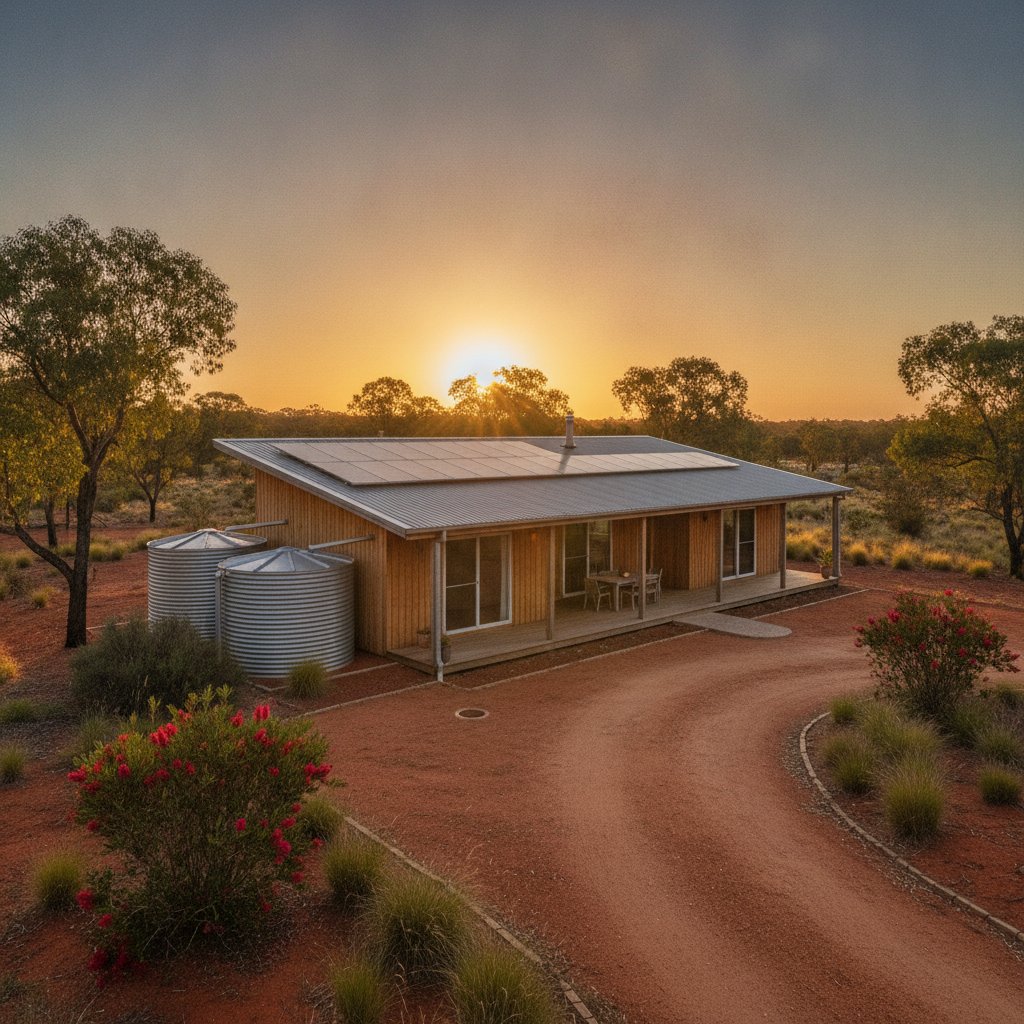
Right, so you've pulled the trigger on a kit home, maybe one of our tough steel frame jobs. You've got the plans, the shed's full of BlueScope Steel (TRUECORE, naturally) waiting to be put up, and you're mentally mapping out every screw. Good on ya. But before you get too far ahead, there’s that little hurdle called council inspections. Or, more accurately, your private certifier inspections. And yeah, it can make a lot of owner-builders a bit twitchy.
Listen, it’s not about them trying to trip you up. It’s about making sure your new house won't fall down, won’t catch fire, and will actually be a safe place to live for decades. That's why the NCC (National Construction Code) exists, and why certified professionals get paid to check your work. And when you're building a kit home, especially out in a rural zone where things can feel a bit more relaxed, keeping track of these checkpoints is even more important. Because if you miss one, it can cost you time and a bucketload of cash to fix.
Getting Your Certifier on Board Early
First things first: your certifier isn't just someone who shows up when you call. They're part of the process from the get-go. You’ll engage them once your development application (DA) or complying development certificate (CDC) is approved. They review your plans, stamp 'em, and tell you what inspections are mandatory for your specific build. This isn't a one-size-fits-all thing, especially with different councils and even different certifiers having their own ways of doing things. Some are more by-the-book than others. So, get them involved, ask questions, and don't be shy. A good relationship with your certifier makes the whole process smoother. And make sure they know it's a kit home, a steel frame one, too. That changes a few things.
The Big Inspections: What to Expect
Alright, let’s talk brass tacks. What exactly are they looking at? This can vary slightly, but generally, you'll have a few key hold points where you can't proceed until the certifier has signed off. You'll get a schedule from your certifier, and you need to stick to it.
1. Footings / Slab Reinforcement Inspection
This is usually the first one, and it’s a biggie. Before you pour any concrete, the certifier needs to see that your formwork is correctly set out, the excavation depth is right, and critically, that your steel reinforcing mesh and bars are in place exactly as per your engineer's slab design. This means correct bar sizes, correct spacing, and correct chair heights to ensure the reo is sitting in the right spot within the concrete. They'll have a copy of your slab design and they'll be checking it against what's on the ground. For a kit home, this is no different than any other build. Get your trench mesh right. Make sure your overlaps are compliant with AS 3600. And check the cover – that's how much concrete will be over the steel.
Out in the sticks, sometimes the ground can be a bit more unpredictable. If you hit rock or really soft soil, your engineer might need to adjust the design. Don't just plough ahead. Get that sorted first, and make sure the certifier knows. Otherwise, it's a failed inspection, and a lot of headaches.
2. Frame Inspection (Pre-Cladding)
This is where your kit home really starts to shine, or show up any mistakes. Once your steel frame is up, plumb, and braced, but before you put on any external cladding or internal lining, the certifier needs to come out. They're checking a few things:
- Structural Integrity: Is it built to the plans? Are all the connections tight? Are the hold-down bolts for the frame to the slab correct? For steel frames, they'll be looking at the specific bracing details and connections outlined in our engineering. We use BlueScope TRUECORE steel, so it's strong, but it's only as good as its installation.
- Dimensional Accuracy: Is the building square? Are the room sizes correct? Are your window and door openings the right size for the units you're installing?
- Bracing: This is massive. Kit homes often rely on engineered bracing systems. They'll check that all specified bracing is installed correctly – straps, wall bracing, roof bracing, particularly if you're in a high wind zone (which a lot of rural areas are).
- Tie-downs: How are the roof trusses tied to the walls, and the walls to the slab? This is critical for wind resistance, especially with the weather we get in Australia.
- NCC Compliance: They'll check things like minimum ceiling heights, stair dimensions if you have them, and basic fire separation if your plans call for it.
Don't be surprised if they pull out a tape measure and check a few critical dimensions. They're not there to be your mate, they're there to do a job. Have your engineering plans right there for them to refer to. Seriously, have them printed out, highlighted, ready to go.
3. Waterproofing Inspection (Wet Areas)
Before you tile your bathroom, laundry, or any other wet area, the waterproofing needs to be inspected. This is often done by a specialist waterproofing certifier, or your principal certifier might have the accreditation. They'll check:
- Application: Has the membrane been applied correctly? Are there enough coats?
- Coverage: Are all the necessary areas covered – shower recesses, full floors of bathrooms, junctions?
- Falls to Drains: This is a big one. Is the floor actually sloping towards the drain, so water won't pool?
- Water Stops: Are water stops installed at doorways and other critical points?
A failed waterproofing inspection can lead to ripping up freshly laid work, so get this right. Don't rush it. And yes, even a steel frame kit home needs solid waterproofing, probably even more so to protect that frame from any stray moisture in the long run.
4. Final Inspection (Occupancy Certificate)
This is it, the home stretch. Once everything is done – cladding, roofing, windows, doors, insulation, plaster, kitchen, bathrooms, electrical, plumbing, painting – the certifier comes back for the final sign-off. They're checking:
- Overall Compliance: That the building is completed in accordance with the approved plans and all relevant standards.
- Safety: Are balustrades at the correct height? Are smoke detectors installed and working? Is glazing compliant?
- Services: Are all services (water, sewer, electricity) connected and operational? Is there a final electrical safety certificate (Certificate of Compliance for Electrical Work, or CCES)? Is the plumbing working and signed off?
- Fire Safety: If you're in a BAL (Bushfire Attack Level) zone – and heaps of rural properties are – they'll be checking that all the specific BAL requirements have been met. This is massive. Things like screening on vents, specific window types, compliant subfloor enclosures. Don't mess with BAL.
- Drainage: Is stormwater managed correctly? Are downpipes connected to tanks or stormwater lines?
Once they're happy, they'll issue your Occupancy Certificate. Without this, you can't legally live in the house. Simple as that.
Tips for Rural Kit Home Builders
Building a kit home out in the sticks adds a few extra layers to the inspection game. Here's some hard-won advice:
- Plan for Travel Time: Your certifier might have to drive a fair way. Give them plenty of notice for inspections. Don't call them at 4 pm on a Friday expecting them out by 9 am Saturday. They’ll likely charge you travel, too, so factor that in.
- Weather Woes: Rural sites can get bogged down. If it's raining cats and dogs, they might not be able to get to site safely, or the inspection might not be possible (e.g., footings full of water). Be realistic.
- BAL Ratings are King: Seriously, if you're in a bushfire prone area, your BAL rating dictates a lot of your construction, from subfloor to roof. Every single element needs to be compliant. The certifier will be eagle-eyed on this for the frame and final inspections. Make sure your kit supplier, like us, provides components that meet your BAL rating.
- Access Roads: Is your site accessible for a standard car? Or do they need a 4x4? Let them know. Nothing worse than a certifier turning back because they can't get in.
- Keep Everything Documented: All your approvals, plans, engineering certs, soil reports, and especially any variations. Have them on site in a neat folder. When they ask for something, you hand it over. Easy.
- Ask for Checklists: Some certifiers will provide a checklist for each inspection stage. Use it. It’s a literal cheat sheet to pass.
- Be Present: Try to be on site for every inspection. You learn a heap, and you can answer any questions they have immediately.
Don't Get Rattled
It's easy to feel like the certifier is an obstacle, but they're really there to ensure your kit home is built right, safely, and to Australian standards. A bit of planning, clear communication, and sticking to the approved plans will make the whole process smooth sailing. It’s part of the owner-builder journey. Embrace it. You’ll be cracking a cold one on your verandah, looking out over your well-built, certified kit home, sooner than you think.