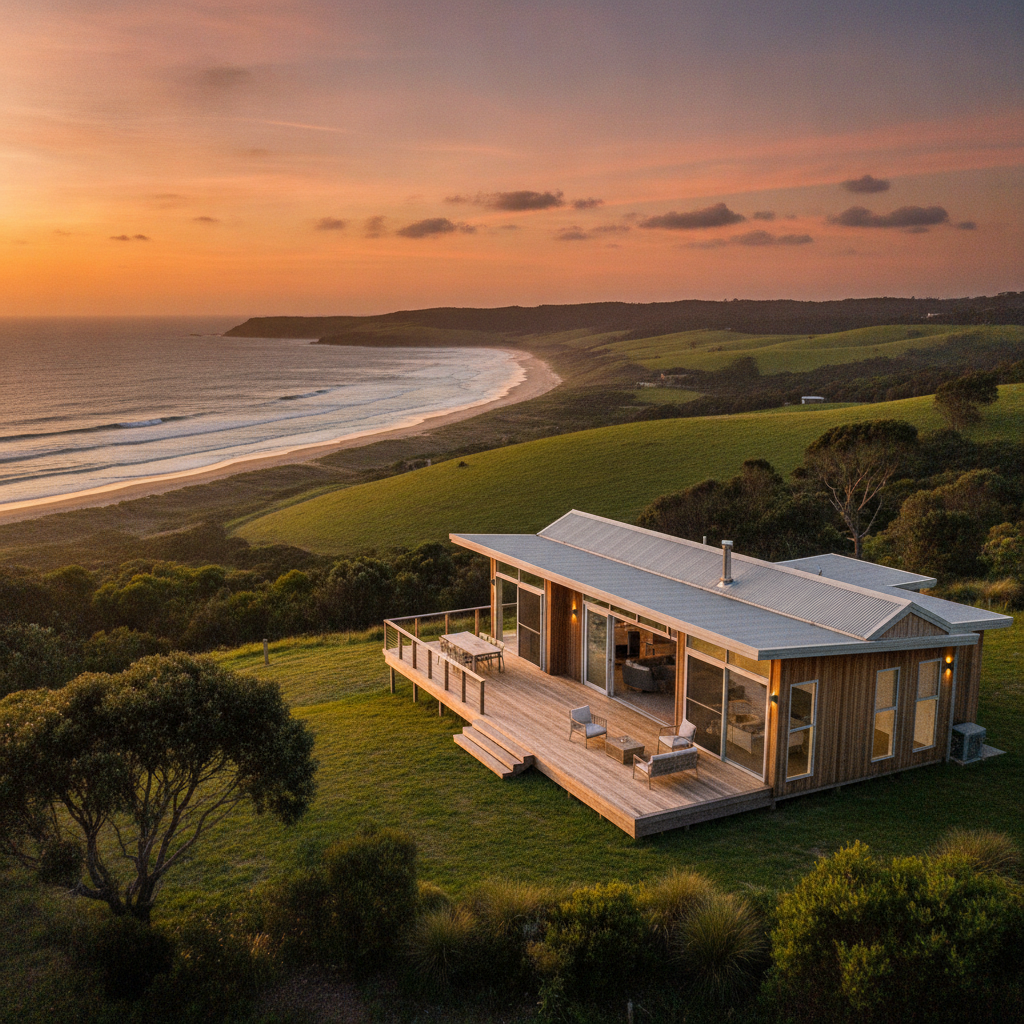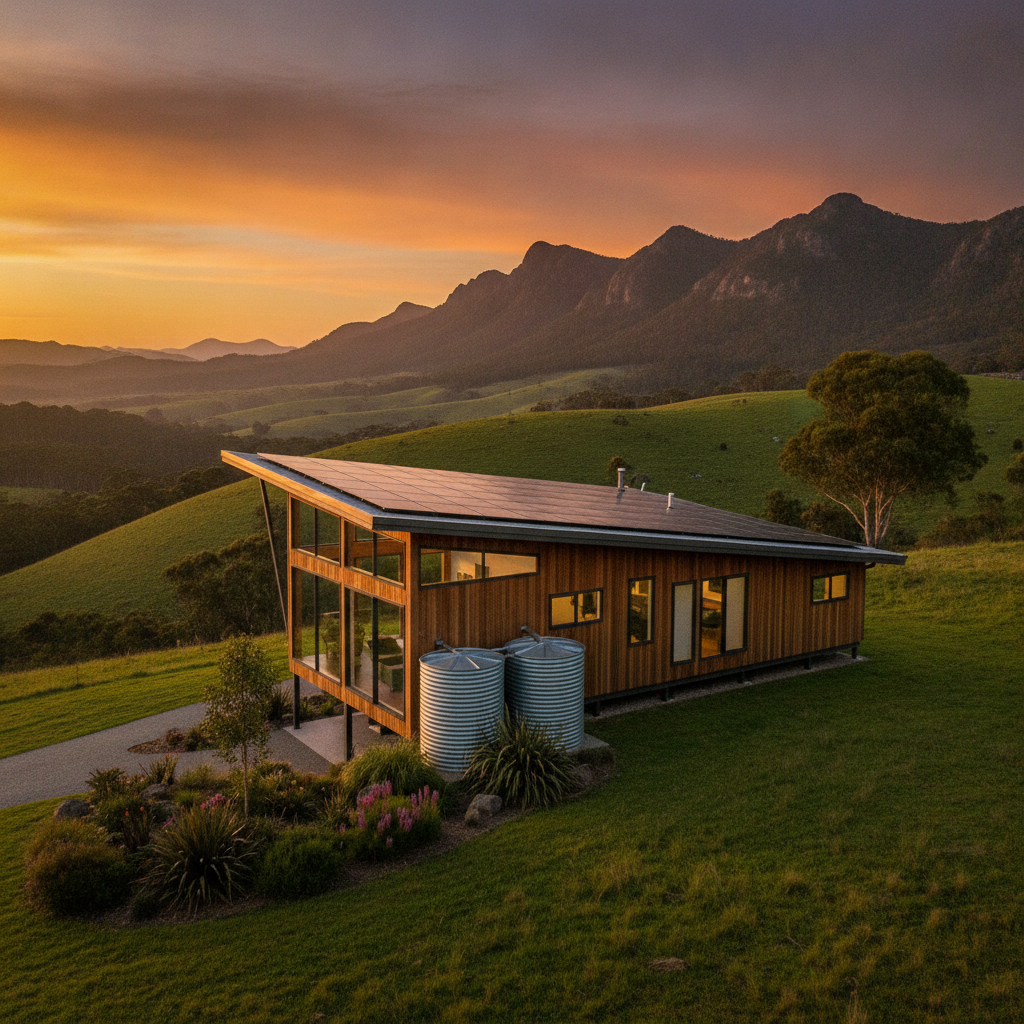
The Reality of the Slab and the Spirit Level
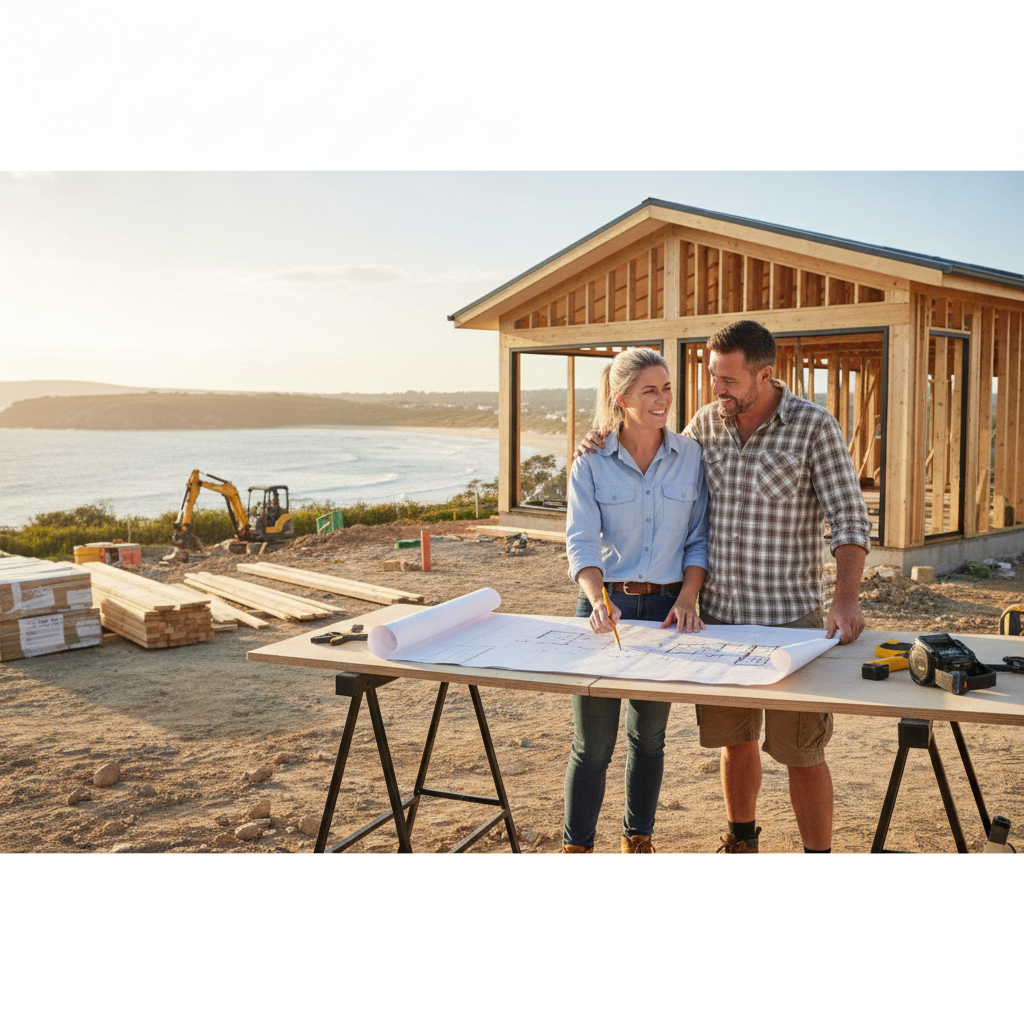
Standing on a raw concrete pad in Goulburn in the middle of July isn't exactly a postcard moment. It's four degrees, the wind is whipping off the Great Dividing Range, and you're looking at a stack of BlueScope steel frames wrapped in plastic. Most blokes get a bit of a twitch in their eye at this point. It's the moment where the dream of owner-building hits the cold, hard reality of construction. But here's a bit of truth from someone who's spent fifteen years in the kit home game. You don't need to be a master carpenter to get these walls up. You just need to know how to follow a plan, own a decent impact driver, and recognize when you're out of your depth.
The biggest mistake I see isn't people failing at the building part. It's people failing at the thinking part. They think being an owner-builder means you have to do every single thing yourself. That's a fast track to a divorce and a half-finished house sitting in the rain. Being a smart owner-builder is about project management. It's about knowing which jobs will save you a packet if you do them yourself and which jobs will cost you three times as much to fix when you inevitably mess them up. Steel frame kits make the 'doing' part a lot easier because everything's pre-cut and numbered, but you still need a head on your shoulders.
The No-Go Zones: When to Call the Pros
Let's start with the stuff you shouldn't touch. In Australia, the law is pretty clear on a few things. You aren't a sparky. You aren't a plumber. If you try to wire your own power points or plumb your own toilet, you aren't just breaking the law, you're voiding your insurance and potentially killing someone later. Plus, you need those compliance certificates for your final occupancy permit. Don't be the bloke who tries to save two grand on a plumber only to find out the council won't sign off on the house. It's just not worth the headache.
Then there's the slab. I've seen DIY enthusiasts try to pour their own footings and slabs to save on the 'exorbitant' trade costs. Stop right there. If your slab is out by even twenty millimetres, your steel frames won't sit right. Your walls will be wonky, your roof won't line up, and you'll be swearing at the sky for six months. A good concreter who understands AS 2870 (that's the Australian Standard for residential slabs and footings) is worth his weight in gold. Let them handle the formwork, the rebar, and the pour. You want that slab level enough to play billiards on.
The Sweet Spot: Where the Owner-Builder Shines
Now, once that slab is cured and the truck drops off your kit, that's your time to shine. This is where the steel frame advantage really kicks in. We use TRUECORE steel because it's straight. Timber moves. It twists, it bows, and it has knots. Steel is dead straight every time. Because the frames are manufactured to millimetre precision, they go together like a giant Meccano set. This is the ultimate DIY job. You can grab a couple of mates, some sawhorses, and a few drills and have your wall frames standing in a weekend. It's satisfying work. You'll actually see the house take shape, which is a massive psychological win when you're months into a project.
And don't worry about termites. That's the other big win with steel. While you're standing those frames in a place like Queensland or regional NSW, you can sleep easy knowing the local pests won't be eating your structural integrity for breakfast. Just make sure you're using the right fasteners. Don't go cheap on the screws. Use what's specified in the kit manual. There's a reason we specify certain gauges and lengths.
Roofing and Cladding: The Middle Ground
Getting the roof on is a massive milestone. It makes the site 'lock-up' ready and keeps your internal materials dry. Most owner-builders can handle laying the corrugated iron or the Trimdek, but you've got to be honest about your fear of heights. If you're shaky on a ladder, hire a roof plumber. But if you're comfortable, it's a straightforward process of laying the sarking, the batts, and then the sheets. Just watch the wind. I once saw a guy in the Hunter Valley try to move a six-metre sheet of roofing in a gust. He nearly ended up in the next postcode. Always have a helper on the ground passing things up and another on the roof with you.
Cladding is another area where you can save heaps of cash. Whether you're using horizontal weatherboards, CFC sheets, or more corrugated steel for that modern look, it's mostly a matter of patience. Get your starter strips level. That's the secret. If the first row of cladding is level, the rest will follow. If it's crooked, the whole house looks like it's melting. Use a laser level. They're cheap these days and far more accurate than your grandfather's old spirit level that's been dropped one too many times.
Tips for the Internal Fit-out
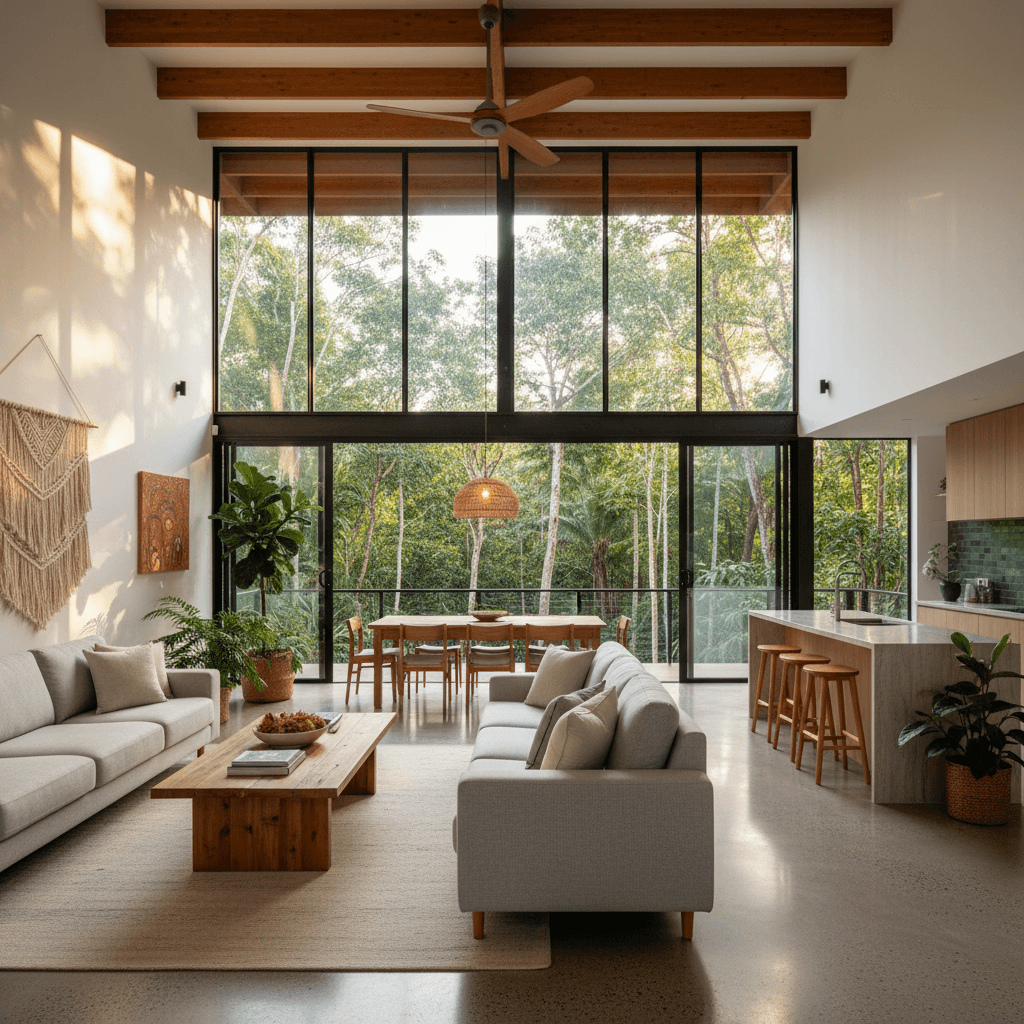
Once you're inside, the pace slows down. This is where the detail work happens. Plastering (or gyprocking) is a bit of a dark art. Anyone can screw a sheet of plaster to a steel stud, but the flushing and sanding? That's where you see the difference between a pro and an amateur. If you want perfectly smooth walls that don't show every joint when the afternoon sun hits them, hire a flusher. You do the hanging, let them do the mud work. It'll save you weeks of sanding and a whole lot of dust in your lungs.
Painting, skirting boards, and flooring are all prime DIY territory. You can take your time here. Put on a podcast, grab a brush, and just get it done. It's also where you can really see your personal style coming through. Plus, the money you save on a professional painter (who'll charge you ten grand for a standard house) can be spent on better kitchen appliances or that stone benchtop you've been eyeing off at the showroom.
Navigating the Council Maze
Before you even pick up a hammer, you've got to deal with the council. Every LGA in Australia has its own quirks. Some are easy, some make you want to pull your hair out. You'll need your Development Application (DA) and then your Construction Certificate (CC). Don't just wing this. Read the LEP (Local Environmental Plan) for your area. If you're in a bushfire-prone area, you'll need to know your BAL (Bushfire Attack Level) rating. This affects everything from the type of glass in your windows to the seals on your doors. Our kits are designed to meet various standards, but you need to tell us what your specific site requires. Ignorance isn't an excuse when the building inspector shows up for a mandatory inspection.
A Few Hard-Earned Lessons
- Don't buy the cheapest tools. You don't need top-tier trade gear for a one-off build, but that $20 drill from the discount bin will burn out by lunchtime on day two. Get a decent mid-range cordless set with at least two batteries.
- Keep the site clean. A messy site is a dangerous site. Trip over a piece of scrap steel and you're out of action for weeks. Spend the last 20 minutes of every day cleaning up. Your back will thank you.
- Measure twice, cut once. It's a cliche because it's true. Actually, with kit homes, you're doing less cutting, but the 'measure twice' rule applies to your layout and positioning. Check your diagonals. If your frames aren't square, nothing else will be.
- Talk to your neighbors. You're going to be making noise. There will be trucks blocking the street. A six-pack of beer or a nice chat goes a long way in preventing noise complaints to the council.
The Finish Line
The day you get your final certificate is a weird one. You'll be exhausted, your bank account will be lighter, and you'll probably have a few new scars. But you'll be standing in a house that you built. There's a specific kind of pride in that. You'll know exactly where every pipe runs and how every stud is fastened. You didn't just buy a house; you managed a complex engineering project from the ground up. It’s not for everyone, and it’s definitely not easy. But for the right person, it’s the only way to build. Now, get off the computer and go check your site levels again. You've got work to do.