Creating a Functional Haven through Smart Design
Building a new home in Australia is a chance to start fresh. It is a moment to look at how you live and fix the things that did not work in your previous house. One of the most common complaints homeowners have is a lack of space for the things they own. When you choose to be an owner-builder, you have a unique opportunity to build storage into the very skeleton of your home. Instead of adding cupboards as an afterthought, you can plan for them from the first day you look at your floor plans.
A kit home offers a fantastic starting point for this process. Because you are managing the fit-out and the finishing touches, you can decide exactly where every shelf, nook, and cupboard goes. Whether you are building on a rural block or a suburban lot, thinking about storage early will make your daily life much smoother once you move in. This approach is about more than just finding a place for your shoes, it is about creating a home that feels open, airy, and organised.
The Advantage of Steel Frame Precision
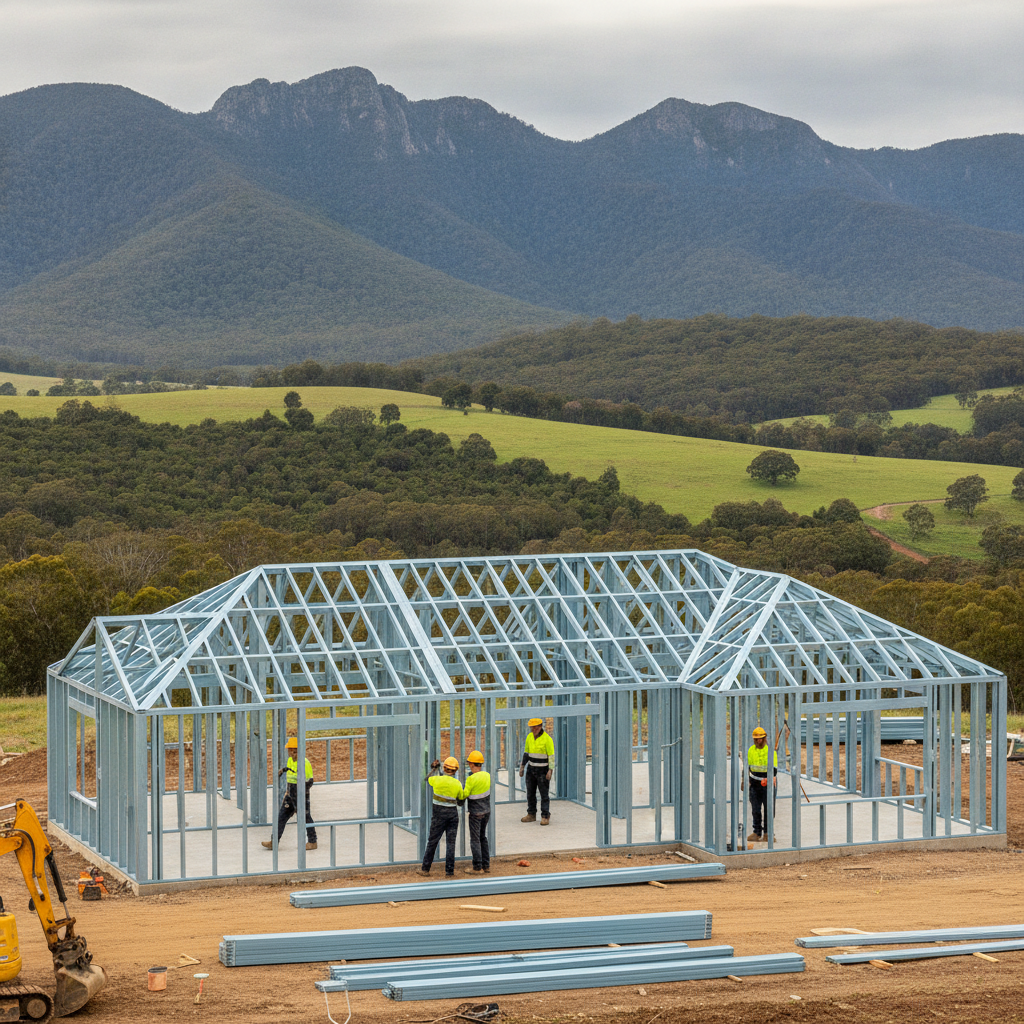
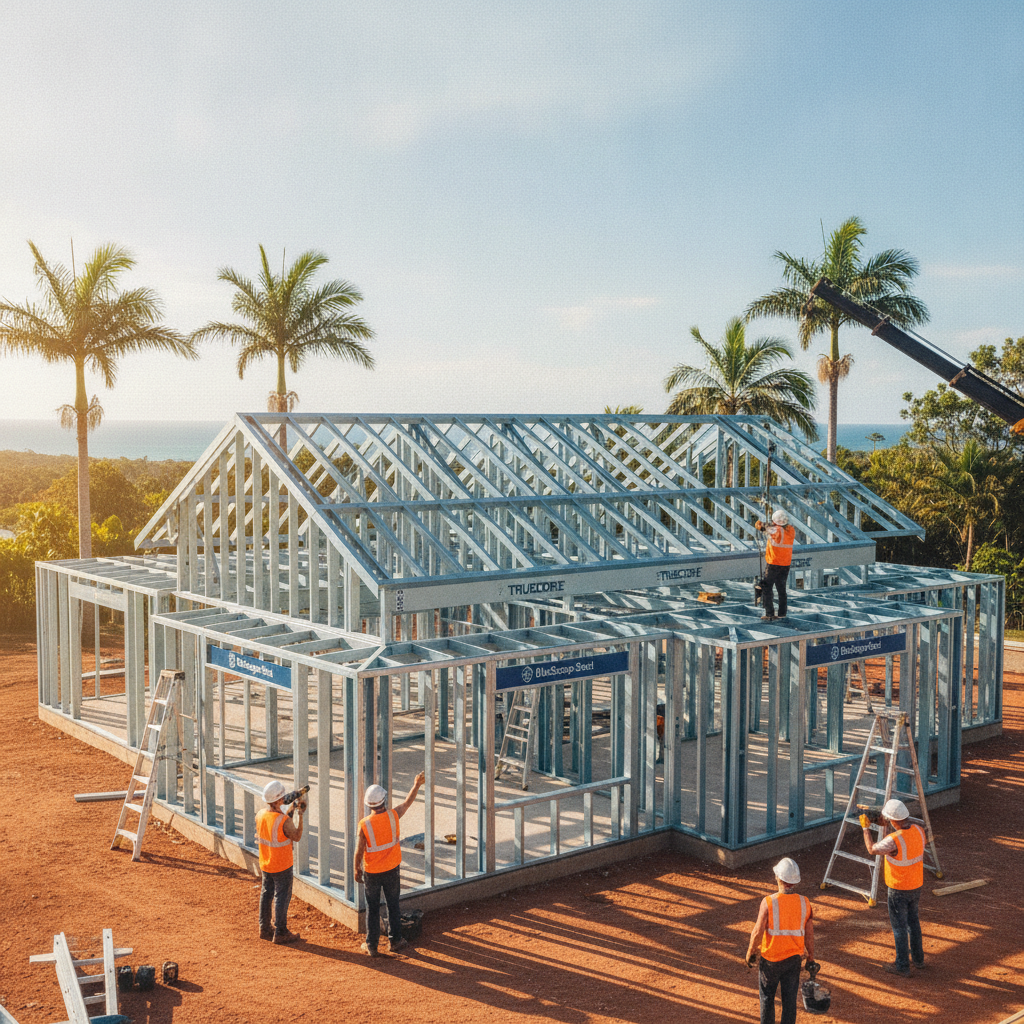
One of the quiet benefits of using a kit home with BlueScope Steel TRUECORE frames is the sheer accuracy of the structure. Steel frames are manufactured to millimetre-perfect specifications and they stay that way. Unlike some traditional materials, steel does not warp, twist, or shrink over time. This is a massive plus for an owner-builder when it comes to storage.
When your walls are perfectly straight and your corners are perfectly square, installing custom joinery becomes a much simpler task. If you want to build a floor-to-ceiling library wall or a sleek set of kitchen cabinets, you will find that the straight lines of the steel frame make the installation of these units far easier. You will not be fighting with bowed studs or uneven surfaces, which means your storage solutions will look more professional and function better for years to come.
The Australian Mudroom: A Lifestyle Necessity
In many parts of Australia, the lifestyle involves a lot of time outdoors. Whether you are dealing with red dust in the outback, sandy feet from the coast, or wet gear from a rainy afternoon in the hills, an entryway that acts as a buffer is a key addition to any floor plan. While not every kit home plan includes a dedicated mudroom, it is a feature you can easily integrate during your fit-out phase.
Think about the space immediately inside your main entry or near the door leading from your garage. By installing a bench with shoe cubbies underneath and hooks for hats and bags above, you prevent the rest of the house from becoming a dumping ground. Using the same cladding or internal lining materials provided in your kit for these built-in areas can help the storage feel like a natural part of the architecture rather than a separate piece of furniture.
Kitchen Storage and the Butler's Pantry
The kitchen is often the heart of the home, but it is also the place where clutter accumulates fastest. When you are looking at your kit home layout, consider how you can maximise every centimetre of the kitchen. Deep drawers are often more practical than lower cupboards because they allow you to see everything at the back without having to get down on your hands and knees.
If your floor plan allows, a walk-in pantry or a butler's pantry is a fantastic way to keep the main kitchen benches clear. This is where you can store bulky appliances like mixers, air fryers, and bread makers. Because you are the owner-builder, you can customise the shelving heights to suit your specific needs. High shelves are perfect for items you only use once a year, like Christmas platters or large roasting pans, while eye-level shelves should be reserved for your daily staples.
Using Vertical Space and Wall Cavities
Many people forget to look up when they are planning their storage. In a kit home, you can often make use of the vertical space above doors and windows. Small, high-set shelves can hold books or decorative items that do not need to be reached often. This keeps the floor area clear and makes the room feel larger.
Another clever trick for owner-builders is to look at the wall cavities. Because you are overseeing the trades or doing some of the work yourself, you can identify areas between the steel frames where recessed shelving can be installed. This is particularly useful in bathrooms for toiletries or in hallways for keys and small items. It uses space that would otherwise be hidden behind plasterboard, giving you extra storage without taking up any actual floor space.
Zonal Living and Multi-Functional Areas
Designing your home in functional sections can help manage the flow of items throughout the house. Think about how you can group activities together. For example, if you have a study nook, ensure it has enough built-in cabinetry to hide away printers, chargers, and stationery. If you are building a family room, consider built-in bench seating along a window that doubles as a storage chest for toys or extra blankets.
This zonal approach means that every part of the home has a purpose and a place for the items associated with that purpose. It prevents the 'everything drawer' from becoming an 'everything room'. By focusing on these functional blocks during your planning, you create a home that adapts to your needs as your family grows or your lifestyle changes.
The Often-Overlooked Laundry
The laundry is frequently the smallest room in the house, but it does some of the heaviest lifting. In an Australian kit home, you can turn the laundry into a storage powerhouse. Instead of a simple trough and a washing machine space, plan for overhead cupboards that reach all the way to the ceiling. You can store seasonal items here, like beach towels in winter or heavy quilts in summer.
Consider installing a pull-out drying rack or a tall cupboard specifically for your ironing board and vacuum cleaner. If you can fit a hanging rail under a cabinet, it provides a perfect spot to dry shirts on hangers, reducing the need for ironing later. These small touches make the chore of laundry much less of a headache and keep the rest of the house free from drying clothes.
Outdoor and Bulk Storage
Living in Australia often means having gear for camping, surfing, or gardening. Your kit home package usually includes high-quality roofing and cladding, and you can use these materials to create integrated outdoor storage. Building a small, matching storage locker on the side of the house for garden tools or surfboards keeps the exterior looking tidy and cohesive.
If your site allows for it, consider how the slab and site works can facilitate storage. An elevated floor might allow for some under-house storage for timber or ladders. Just ensure that any storage area is well-ventilated and protected from the elements to keep your gear in good condition.
Practical Tips for the Owner-Builder
When you are managing your own build, it is easy to get caught up in the big tasks like the slab or the roofing. However, taking the time to mark out storage on your sub-floor or frames before the plasterboard goes up is a smart move. Walk through the framed house and imagine where you will stand when you unload groceries or where you will put your coat when you come home. This physical walkthrough often reveals storage opportunities that are not obvious on a 2D drawing.
Talk to your trades about your plans. Your electrician can place power points inside cupboards for charging vacuums or tablets, and your plumber can ensure pipes are tucked away to allow for maximum drawer depth in the bathroom vanity. Being proactive as an owner-builder ensures that these small details are not missed.
Conclusion: A Place for Everything
Maximising storage in your new kit home is about more than just finding room for your belongings, it is about designing a life that is less cluttered and more focused on the things you enjoy. By using the precision of steel frames and taking a hands-on approach to your floor plan, you can create a home that works for you. From the entry mudroom to the clever use of vertical space, every decision you make during the build process will pay off in the years to come. Your kit home is a blank canvas, and with a little bit of planning, you can make sure it is as functional as it is beautiful.