Termites Be Gone: Why Steel Frames Are Your Best Mate Against Australian Pests
Down here in Australia, termites ain't just an inconvenience; they're a genuine threat to your biggest investment, your home. Walk through any timber yard and you'll see the treated pine stacks, all designed to keep the little chewers away. But even the best treated timber has its limits. That's where steel frames, good old BlueScope Steel TRUECORE, really shine through. We're talking about a construction material that termites simply cannot eat. Period. And that, mate, is a massive weight off your shoulders when you're building a kit home.
I've seen some shocking stuff in my time in this industry, houses eaten out from under people because the termite barrier failed, or they just weren't vigilant enough. It's heartbreaking. So, when someone asks me about the real advantages of a steel frame kit home, besides the straightness and the speed of erection, termite proofing always comes up near the top. Especially for owner-builders, who are often managing a million things, having that peace of mind from the very start is gold.
The Termite Threat: It's Real and Everywhere
Think termites only hit the old Queenslanders up north? Nah, not anymore. These buggers are widespread. From the humid coasts of Cairns down to the cooler climes near Melbourne, you'll find them. They love the warm, damp conditions under houses, in wall cavities. They're silent destroyers, often doing heaps of damage before you even notice them. And believe me, the cost of repairing extensive termite damage can easily run into the tens of thousands. Your insurance might not even cover it, depending on the policy. It's a risk you just don't need to take with a new build, especially when there's such a simple, effective alternative.
Remember that job in Gympie? Customer had an older timber home on stumps. Reckoned he was safe, always checked under the house. Turns out, they'd built a mud tunnel up through a void in the brickwork, completely missed it. The entire lounge room floor was basically held up by the carpet. We’re talking main bearers, floor joists, gone. Took months to fix, and cost him a bomb. You just don't get that specific type of panic with a steel frame, because there's nothing for them to munch on.
Steel: The Unpalatable Choice for Pests
This is where steel frames truly stand out. Termites eat timber for cellulose. Steel? No cellulose there. They might investigate it, they might even build mud tunnels on it to get somewhere else, but they can't digest it. They can't tunnel through it. Your main structural elements – your wall frames, your roof trusses – they're safe. This isn't just about making your house harder to eat; it's about fundamentally removing their food source from the structural bones of your home.
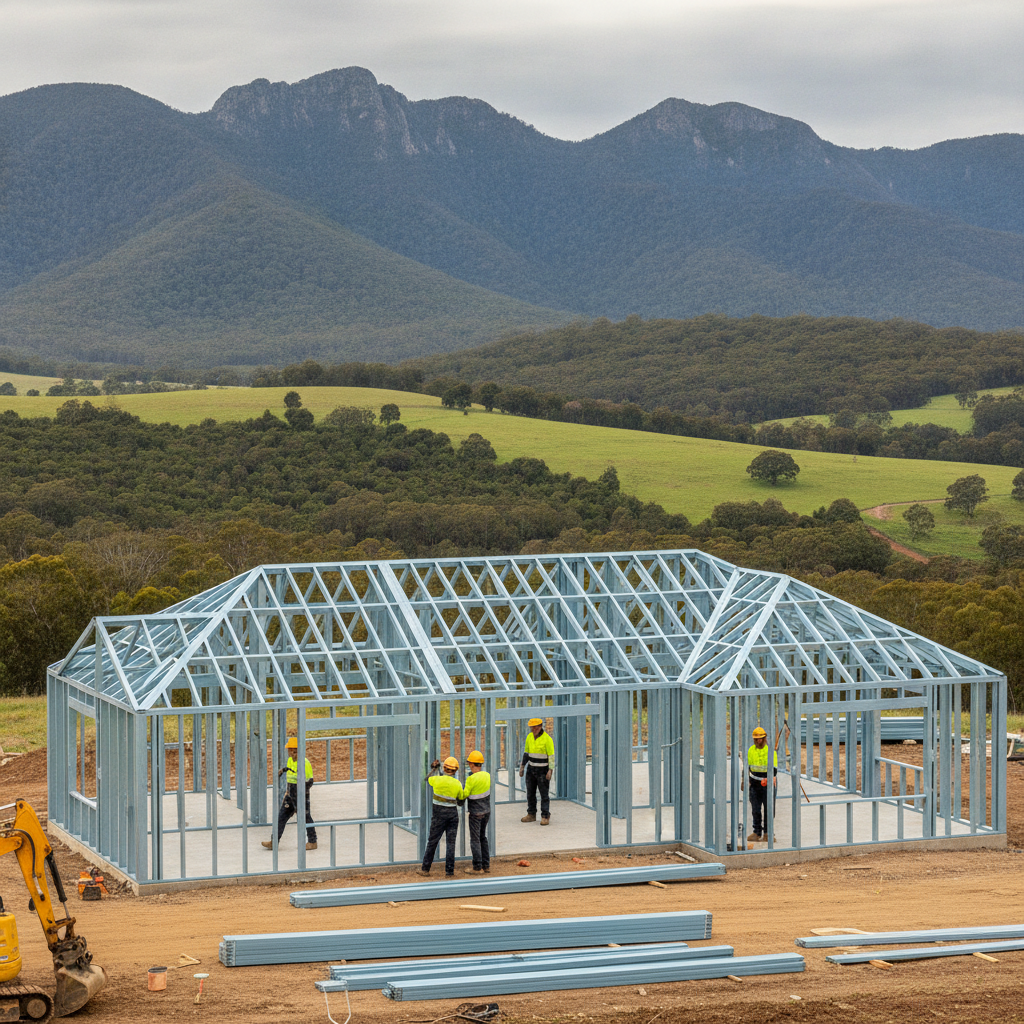
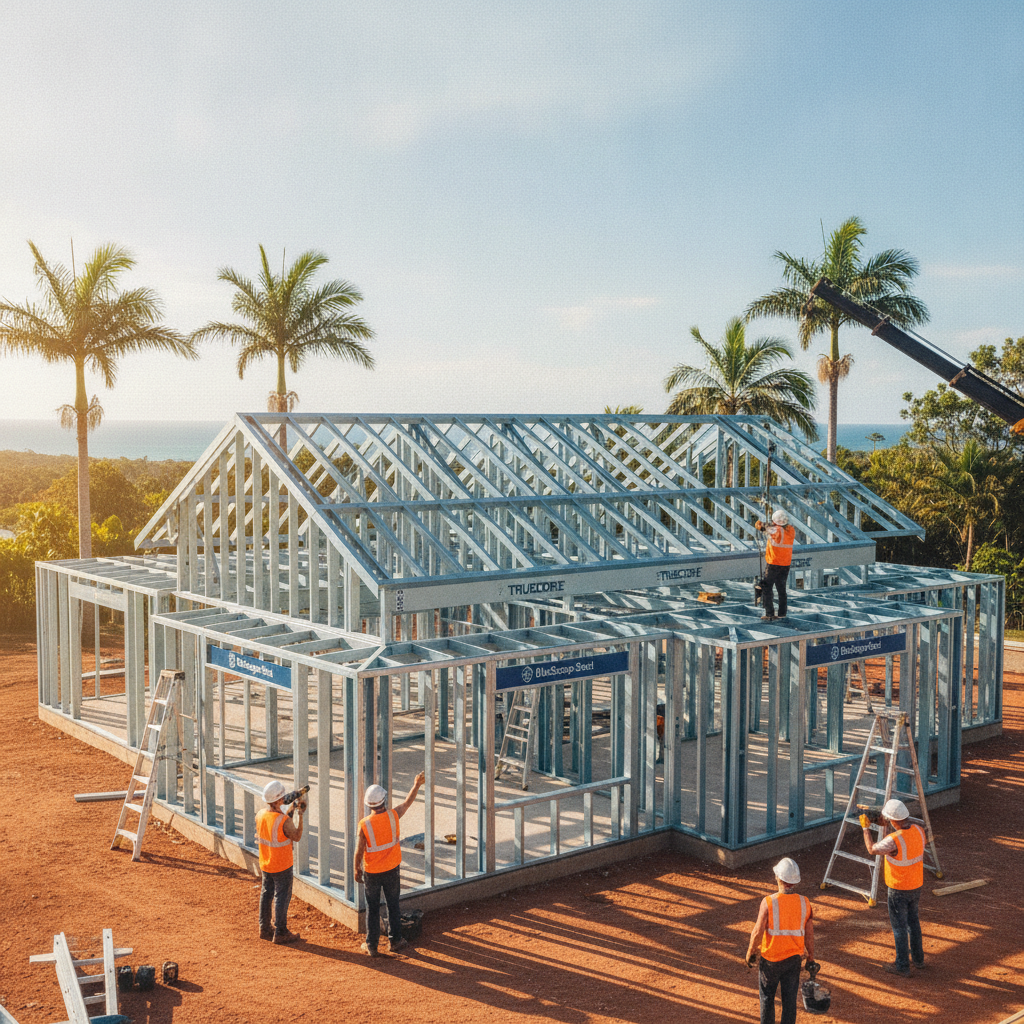
When you're building a kit home with BlueScope Steel TRUECORE frames, you're essentially putting up a big, shiny, unappetizing barrier to these pests. And because our kits include those frames, along with roofing, cladding, windows, doors, and insulation, you're building a pretty solid envelope right from the get-go. While owner-builders are responsible for their slab and site works, getting that frame up, knowing it’s steel, that's a huge milestone for peace of mind.
Beyond the Bite: Other Steel Frame Perks
Now, while termite protection is a massive win, it’s not the only reason steel frames are a smart choice. We're talking about a whole stack of benefits for your kit home build:
- Straight and True: Timber can twist, bow, and shrink as it dries. Steel frames, especially the light gauge variety we use, stay straight. This makes cladding easier, plasterboard goes up flatter, and your finished walls look heaps better. Less fuss, less rework, better finish.
- Lightweight, Yet Strong: Don’t let the ‘light gauge’ fool you. Steel has an incredible strength-to-weight ratio. This means less material needed for the same strength as timber, making it easier to handle on site for owner-builders. Plus, it can span longer distances, which means more open-plan living possibilities without needing loads of internal supports.
- Non-Combustible: In bushfire-prone areas, this is a big one. Steel doesn't ignite, and it doesn't add fuel to a fire. While your cladding might burn, your frame will stay standing, offering better protection for your family and property. This is especially important when you’re dealing with high BAL (Bushfire Attack Level) ratings.
- Consistent Quality: Steel is manufactured to precise standards. You don't get knots, warps, or defects like you can with timber. Every stud, every truss member, is uniform. This speeds up construction and reduces waste on site.
- Longevity and Durability: Galvanised steel frames don't rot, rust, or warp. They're built to last, often outperforming timber in harsh Australian conditions. Less maintenance over the long haul.
Owner-Builder Tips: Protecting Your Kit Home
Even with a steel frame, an owner-builder needs to be smart about termite protection for other elements. The frame itself is safe, but you'll still have timber in your roof trusses if they’re timber, and possibly other non-structural elements depending on your fit-out choices. Timber window frames, door frames, skirting boards - these can still be vulnerable.
Your Termite Action Plan:
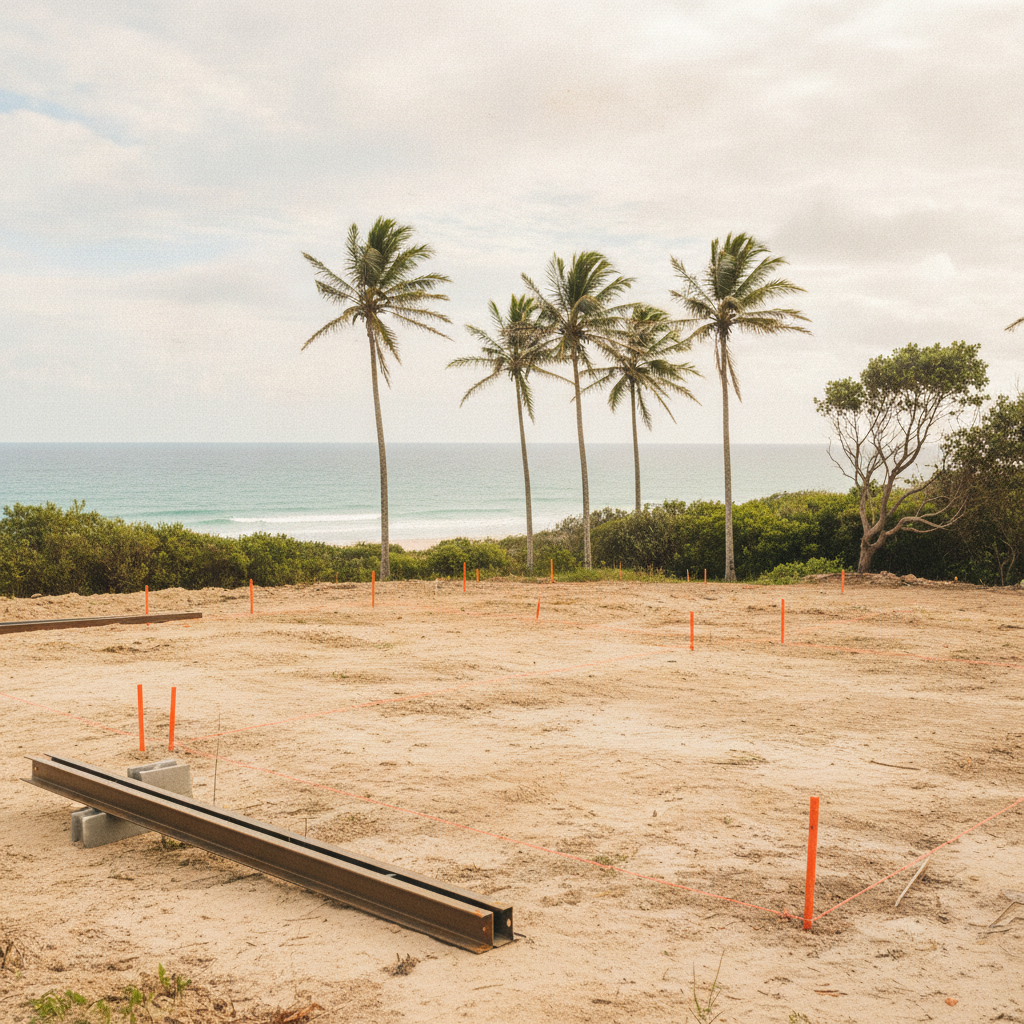
- Slab Protection: Your concrete slab is your first line of defence. Work closely with your concretor to ensure proper slab preparation and consider a physical or chemical termite barrier system applied *before* the slab is poured. There are several options available that comply with Australian Standards, like AS 3660.1. Don't skimp here.
- Perimeter Barriers: Even after the slab, a chemical barrier around the perimeter of the house, applied by a professional, offers another layer of protection. These need to be topped up every few years.
- Clear the Decks: Keep timber away from your foundations. Don't stack firewood against the house. Don't have garden beds right up against the cladding. Mulch needs to be kept clear too. Termites love moist timber.
- Good Drainage: Fix any leaks promptly. Ensure stormwater drains away from the house. Termites thrive in damp conditions.
- Regular Inspections: Even with a steel frame, regular inspections by a pest control professional are still wise. They can spot mudding on the external walls, or evidence of termites trying to get into non-steel components. It’s cheap insurance compared to the repair bill.
- Ventilation: Ensure good ventilation under your house if you're building on stumps or a raised floor. Stagnant, humid air is an open invitation for pests.
Building a kit home is a huge undertaking for an owner-builder. You're juggling trades, materials, council regs. Choosing a steel frame removes a significant headache, that constant worry about termites munching away at your pride and joy. It lets you focus on the other stuff, the exciting parts, like getting that cladding just right or picking out your kitchen finishes.
It’s not just about building a house; it’s about building a home that lasts. And in Australia, lasting means standing up to everything our environment throws at it, including those pesky termites. So, when you’re looking at kit home options, really consider the peace of mind that comes with a steel frame. It's a smart decision for the long run.