The Great Australian Shift to the Backyard
Backyards across Australia are shrinking. Not because the land is disappearing, but because we're finally getting smart about how we use the dirt we already own. If you walk down a leafy street in Coorparoo or a dusty one in Dubbo, you'll see the same thing. A shiny new roof peeking over the back fence. It's the granny flat boom, and it isn't just for Grandma anymore. People are building these secondary dwellings for home offices, teenage retreats, or just to have a bit of extra room when the family stays over. It makes sense. Why move and pay a fortune in stamp duty when you can just build out the back?
Most of these projects start because someone needs more space but doesn't want to deal with a massive renovation on their main house. So, they look at kit homes. These aren't the flimsy sheds of the 80s. We're talking high-tensile BlueScope steel, precision engineering, and designs that actually look like a proper house once the cladding's on. I've been in the industry for 15 years and I've seen the shift. It used to be all about the four-bedroom, two-bathroom suburban dream. Now, it's about being clever. It's about maximizing what you've got. And kit homes are the engine room of that change.
The Steel Frame Advantage in Small Spaces
When you're building a secondary dwelling, you're usually working in a tight spot. You've got fences to worry about, existing trees, and probably a neighbor who's a bit too curious about what's going on. This is where steel frames really shine. We use TRUECORE steel from BlueScope because it's light and tough. You don't need a massive crew to manhandle these frames into position. A couple of blokes can get a small kit frame up in a few days without breaking their backs. Plus, it's straight. Timber can twist and bow, especially if it gets copped by a bit of rain on site. Steel stays true. That means when it's time to put your windows in or hang your plasterboard, everything fits like it should. No dramas.
And let's talk about termites. If you live anywhere north of Hobart, termites are a constant worry. Using a steel frame kit means you've got one less thing to stress about. They won't touch it. While your neighbor's old timber pergola is getting eaten from the inside out, your secondary dwelling is sitting pretty. It's a huge selling point for owner-builders who want a structure that'll last longer than they will. We've seen a massive uptick in people specifically asking for steel because they've had a bad run with pests in the past.
Design Trends: Bigger Isn't Always Better
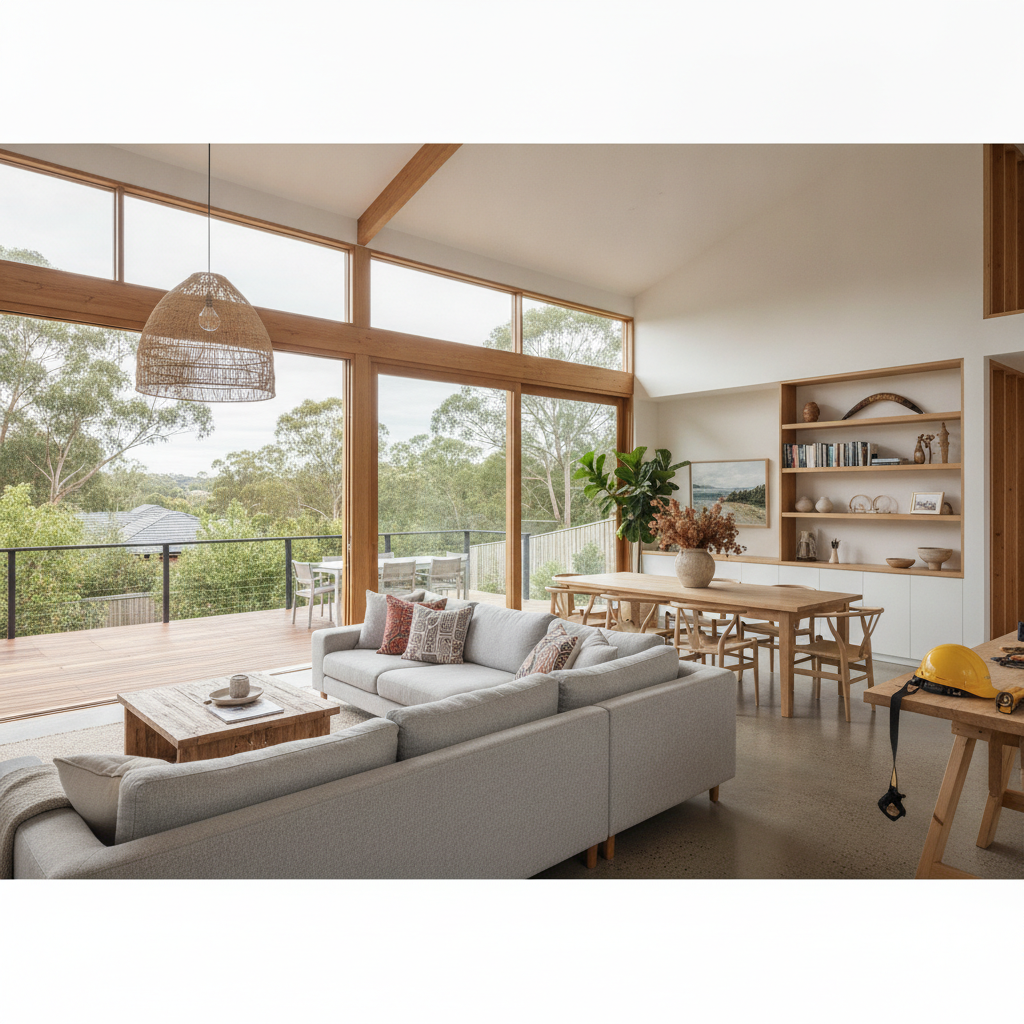
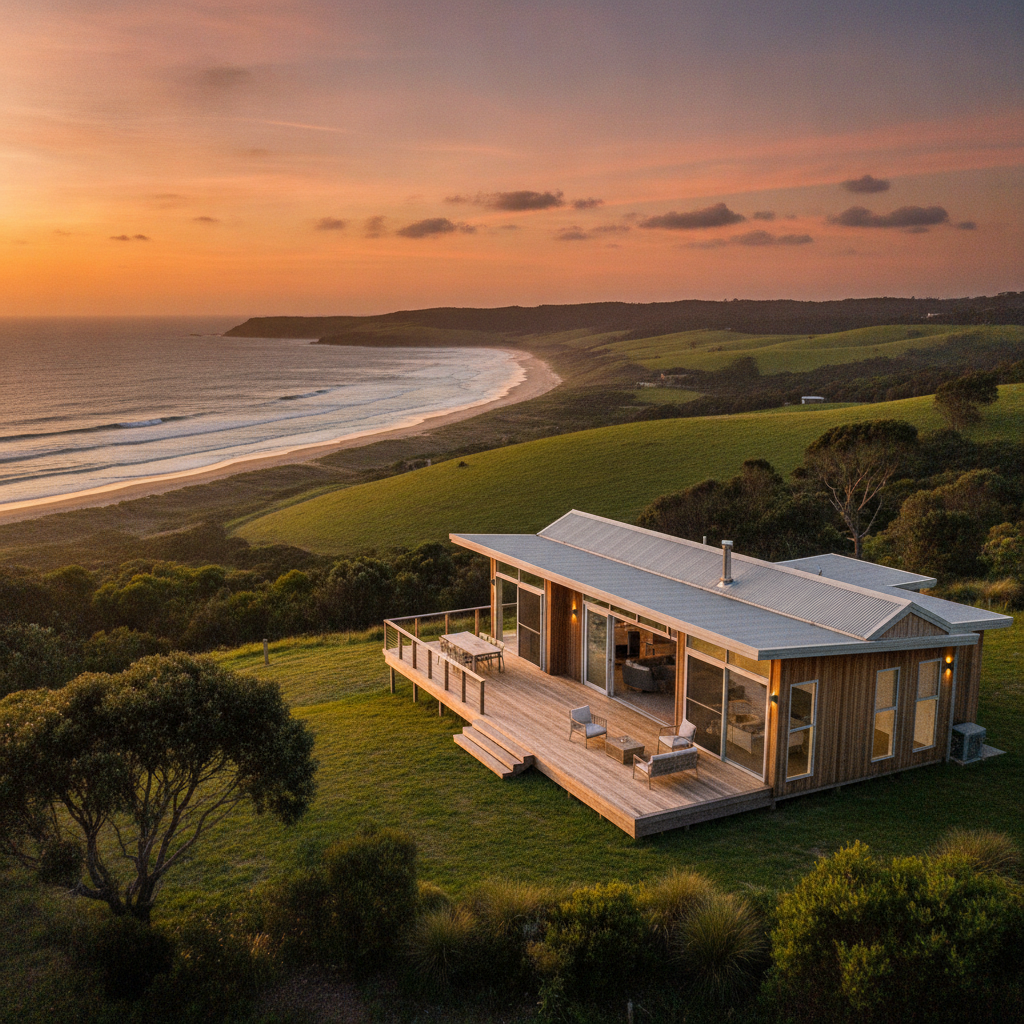
The trend right now is all about clever footprints. Most councils have a 60 square meter limit for secondary dwellings without jumping through massive hoops. So, the challenge is making that 60 squares feel like 100. High ceilings are the trick here. We're seeing more people opt for skillion roofs because they allow for higher internal ceilings on one side. It makes a small room feel massive. Combine that with some decent sized windows and you've got a space that doesn't feel like a granny flat. It feels like a studio. And it's not just about the look. It's about how the air moves. In the Queensland heat, those high ceilings and well-placed windows for cross-ventilation are a godsend.
Dark cladding is also huge right now. Everyone wants that Colorbond Monument look. It's sleek, it's modern, and it hides the dirt. But you've got to be careful. Dark colors soak up the sun. That's why we include proper insulation in our kits. You can't just slap some tin on a frame and hope for the best. You need that thermal break and high-quality batts to keep the place liveable when the mercury hits 40. I tell everyone the same thing. Don't skimp on the insulation. You'll regret it the first time you try to sleep in there in mid-January.
The Owner-Builder Reality Check
Look, I love the DIY spirit. It's what built this country. But being an owner-builder isn't just about swinging a hammer on the weekends. It's about project management. You're the boss. You're the one calling the plumber when he hasn't shown up by 9am on Tuesday. You're the one sussing out the council permits. It's a big job, but it's incredibly rewarding if you do it right. The key is preparation. Before the kit even arrives on your site, you need your ducks in a row. Is the slab level? Have the underground services been located? Have you got a spot for the truck to drop the materials? I've seen guys order a kit and realize halfway through the delivery that the crane truck can't get past the power lines. That's a bad day for everyone.
And you've got to follow the rules. Australian Standard AS 3660.1 for termite management isn't just a suggestion. It's the law. Even with a steel frame, your slab and your connections need to be spot on. Same goes for your BAL rating. If you're building in a bushfire-prone area, your kit needs to meet specific requirements. We help with the frame and the materials, but as the owner-builder, you're the one making sure the whole project ticks the boxes for your local council. It sounds daunting, but most of it is just common sense and staying organized. Keep a folder. Write everything down. Take heaps of photos.
Getting the Site Ready
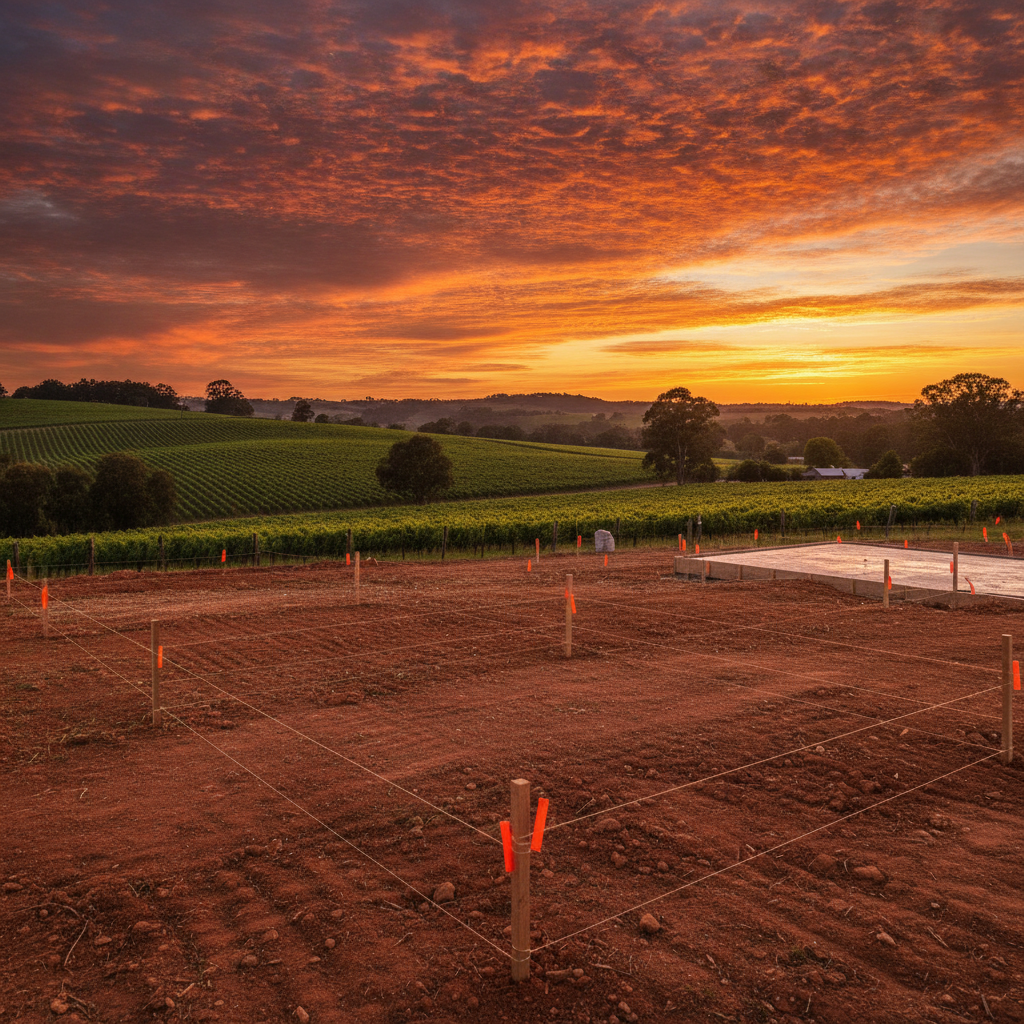
The ground is where most people go wrong. They think a backyard is flat until they try to pour a slab on it. Get a surveyor out. It costs a few hundred bucks but it can save you thousands in extra concrete. If your site has a bit of a slope, you might need to look at an elevated floor system instead of a slab. We do both. Steel sub-floors are great for sloping blocks because you aren't fighting the terrain as much. You just set your stumps, level them up, and you're away. It also gives you a crawl space for plumbing and electrical, which the sparkies and plumbers will thank you for. Trust me, a happy sparky is a fast sparky.
Another thing people forget is access. If you're building in an established backyard, how are you getting the gear in? Our kits come flat-packed, which makes it easier, but you still need a plan. You might need to take down a section of fence or talk to the neighbor about using their driveway for an hour. Most people are pretty good if you give them a heads-up and maybe a six-pack for their troubles. But if you just turn up with a semi-trailer and block the street, you're starting the project on the wrong foot.
Sustainability and Longevity
We're seeing a lot more interest in sustainable living. People aren't just building these for the sake of it. They want them to be efficient. Steel is 100 percent recyclable, which is a nice win for the environment. But more than that, it's about the lifecycle of the building. A steel frame won't rot. It won't get chewed by ants. It won't sag over time. When you build with quality materials like BlueScope steel, you're building something that's still going to be solid in fifty years. That's real sustainability. Not just a fancy label, but a building that doesn't need to be knocked down and replaced because the structure failed.
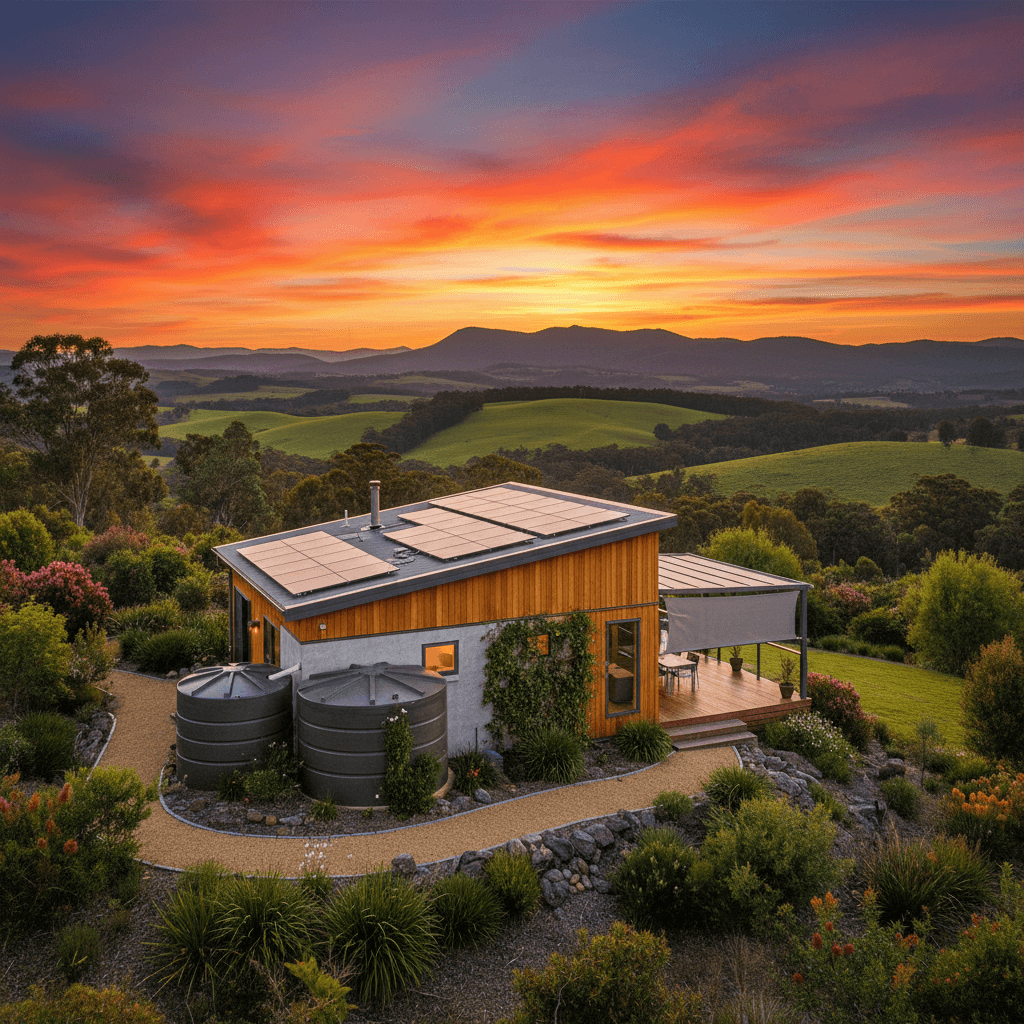
Water tanks are another big one. Most councils will require you to have some sort of rainwater harvesting for a secondary dwelling. It's a great addition anyway. Use it for the toilets or to water the garden. It's all about making the new building work with the existing house. You're creating a little ecosystem in your backyard. It's pretty cool when you see it all finished and functioning.
The Final Word on the Move
Building a kit home in your backyard is a massive undertaking, but it's one of the best moves you can make in the current market. You get the extra space you need without the stress of a massive mortgage or the hassle of moving house. You just need to be smart about it. Choose quality materials. Be honest about your own skills. Get the right trades in for the stuff you can't do. And most importantly, plan every single detail before you even think about picking up a tool. If you do that, you'll end up with a secondary dwelling that adds a heap of value to your property and gives you a space you actually want to spend time in. So, get out there, measure up your backyard, and see what's possible. You might be surprised at how much potential is sitting right behind your back door.