Tree-Change Dreams: Why a Kit Home is Your Best Mate for Regional Living in Australia
Last Tuesday night at 11pm, there you were again - pinching and zooming on floor plans while the kettle boiled for the third time. That's the tree-change siren song, isn't it? It starts with a flick through real estate listings showing sprawling acreages in places like Orange, the Atherton Tablelands, or down in Gippsland. Then you realise the actual houses on those blocks are either tired old weatherboards needing a full gut job, or fancy new builds way out of your price range. This is where a kit home, especially one you can owner-build, truly shines for anyone eyeing off a move to regional Australia.
We've seen it time and again. Blokes and sheilas fed up with the rat race, the endless traffic, the concrete jungle. They want space, peace, maybe a veggie patch, and room for the kids or grandkids to run riot. And for that, a kit home just makes sense. It's not some flimsy shack; it's a solid, well-designed house that arrives on a truck, ready for you to get stuck into. Plus, doing a good chunk of the work yourself means your hard-earned cash goes further into the property, not just into someone else's profit margin.
The Regional Rush is Real - And Kit Homes Fit Right In
COVID kicked things into overdrive, but the regional shift was happening long before that. People are genuinely rethinking what 'home' means. They're weighing up commute times against quality of life, proximity to services versus fresh air. And frankly, the value for money out of the cities is often just too good to ignore. A kit home lets you tap into that value. You buy a block, often for a fraction of city prices, and then you build a home that suits your lifestyle, not one dictated by what's already there.
Think about it. You snag a few acres outside Tamworth. You want a big verandah, maybe a decent shed, and a living area that opens right up to the bush. Trying to find an existing place with all that, perfectly configured, is like looking for a needle in a haystack. With a kit home, you pick a design, tweak it if needed, and then you're putting your own sweat equity into building exactly what you want. It's empowering, and bloody satisfying when you crack a cold one at the end of the day, looking at something you built with your own hands.
Choosing the Right Kit Home for Your Rural Block
This isn't about slapping any old kit onto a block. Regional living throws up its own challenges and opportunities. You'll want to think about the climate, the bushfire risk (Bushfire Attack Level, or BAL, ratings are serious business out here), and how much sun you get. We're talking proper insulation, well-positioned windows for cross-ventilation, and often, a wider eaves overhang to protect those walls from the harsh Aussie sun.
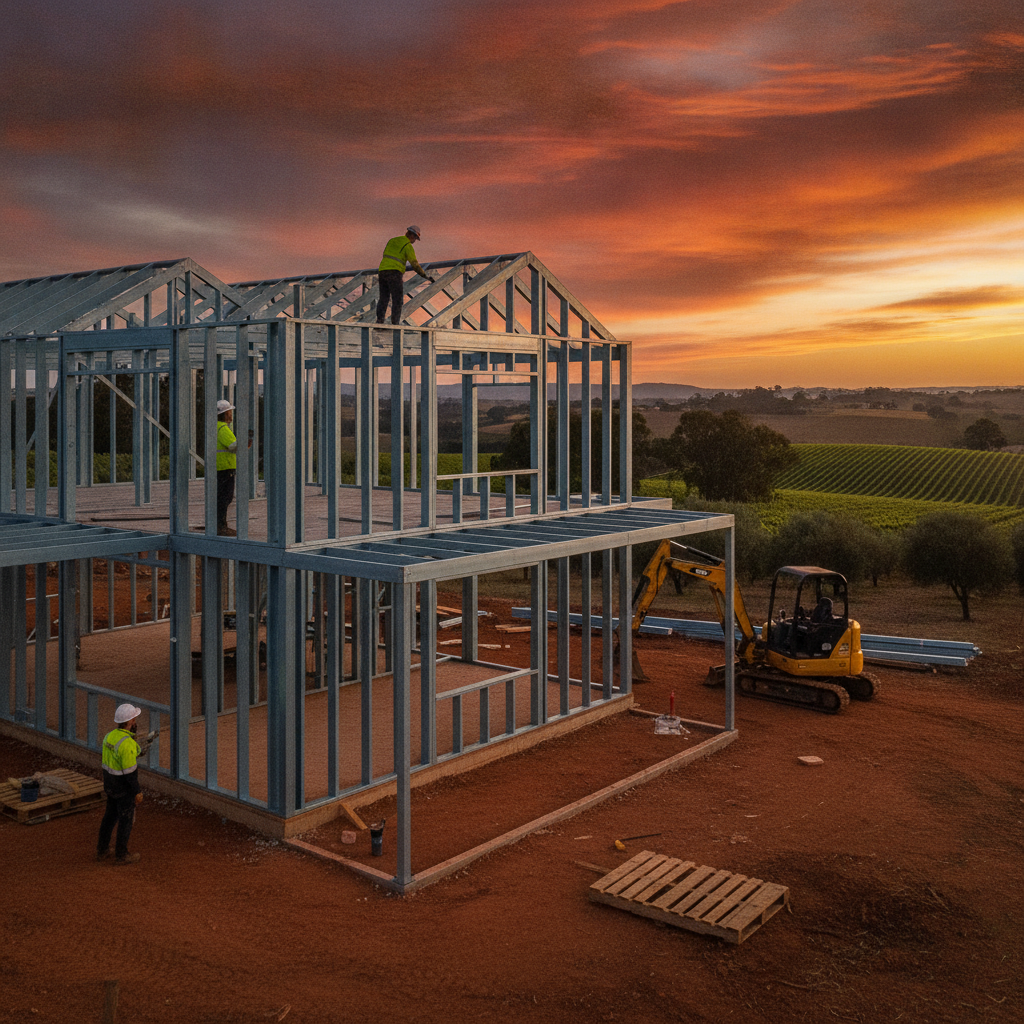
A good kit home supplier will have designs that are already geared towards these conditions. Take a look at the roofing materials. Colourbond steel is pretty standard and tough as nails. The cladding options matter too - some councils might have preferences, or you might want something that looks right with the local aesthetic. And don't forget the frame. Steel frames, made with BlueScope Steel's TRUECORE, are fantastic for rural areas. Termites don't touch them, which is a massive headache you can just avoid, and they're straight and true, which makes building a fair bit easier for an owner-builder.
Owner-Builder Tips: Getting Started on Your Country Build
So, you're keen to take the plunge and owner-build. Good on ya. It's a big undertaking, but totally doable if you plan it right. Here's a few pointers to get you started:
- Know Your Council's Rules: This is step one, before you even look at plans. Every council has different requirements, especially in regional areas. Setbacks from boundaries, minimum dwelling sizes, septic system rules, bushfire requirements (AS 3959), flood overlays - get all of it in writing. Don't assume anything.
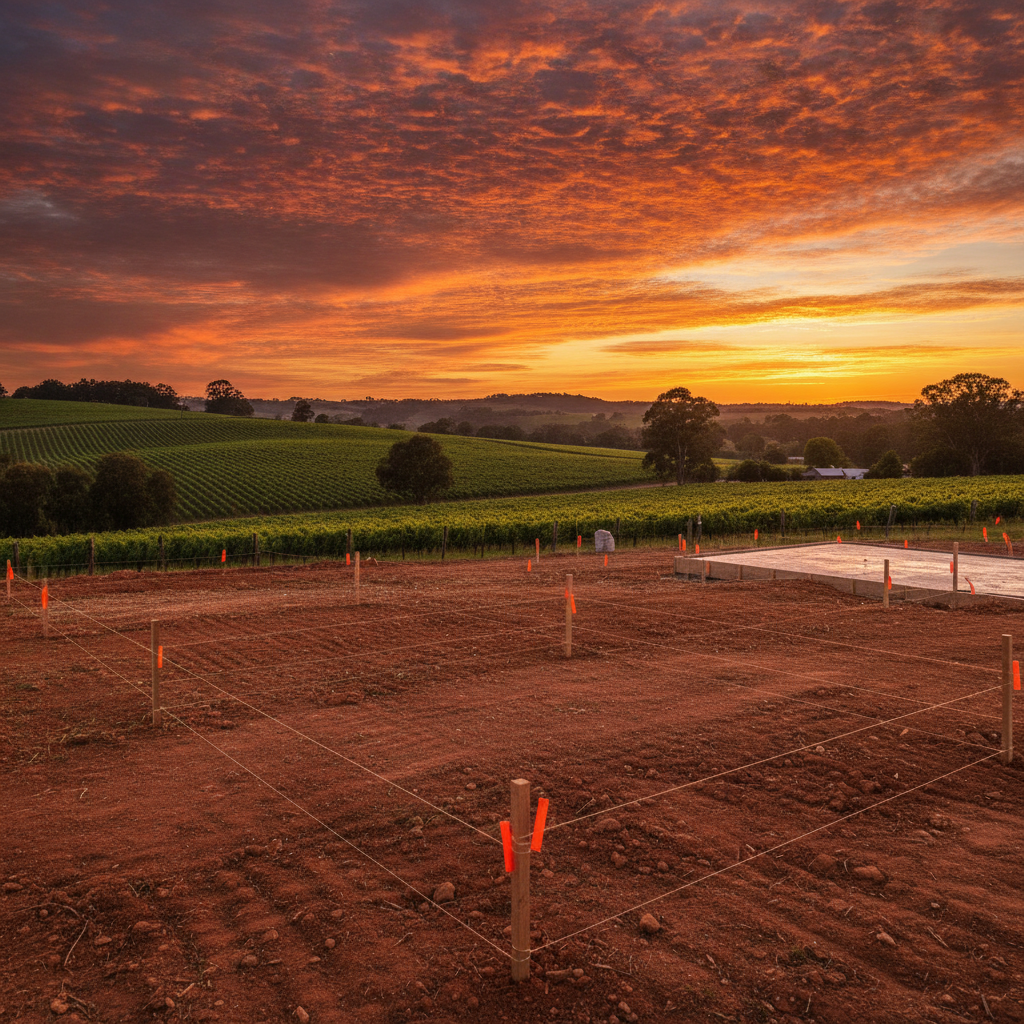
- Suss Out Your Site: Is it steep? Rocky? Sandy? What's the access like for big trucks? This will impact your site works, the type of slab you need, and even how easy it is to get materials delivered. A good site survey is money well spent.
- Get Your Plans Drawn Properly: Your kit home supplier will provide the engineering for the frame, but you'll need full architectural drawings for council DA (Development Application) approval. Make sure everything on those plans matches your kit, right down to window sizes and door swings. Discrepancies cause headaches later on.
- Find Your Trades Early: Good tradies are like gold in regional areas, and they're often booked solid months in advance. Start ringing around for plumbers, electricians, plasterers, and concreters as soon as your DA is in. Get quotes, check references, and be clear about your timeline.
- Manage Your Deliveries: Kit homes come on big trucks. You need clear access to your site, and somewhere dry and secure to store all those components once they arrive. Plan your build sequence so you're not tripping over materials you won't need for another month.
It's all about project management, really. You become the boss, the scheduler, the quality control manager. And yes, sometimes the labourer too. But that's part of the fun, right?
Steel Frame Benefits for the Bush Block
Let's talk a bit more about those steel frames. When you're building in the bush, timber has its place, but steel offers some serious advantages that you just can't ignore, particularly if you're out there on your own trying to get things done.
Termites are a huge one. Out in regional areas, those little buggers are everywhere. A steel frame means you don't have to worry about them eating your house from the inside out. No need for chemical barriers in the slab, no regular pest inspections for the frame itself. It's a massive peace of mind, especially when you're likely a fair drive from the nearest pest control bloke.
Plus, steel frames are incredibly strong and dimensionally stable. They don't warp, twist, or shrink like timber can. This means your walls stay straight, your ceilings stay level, and your plaster goes on without a drama. For an owner-builder, this is gold. You don't want to be fighting wonky frames when you're trying to hang a door or get a window square. Our kits, built with TRUECORE steel, come precision-engineered, which speeds up the erection process significantly. The pieces just click together the way they're meant to. It really takes a lot of guesswork out of the shell of the building.
Designing Your Rural Sanctuary
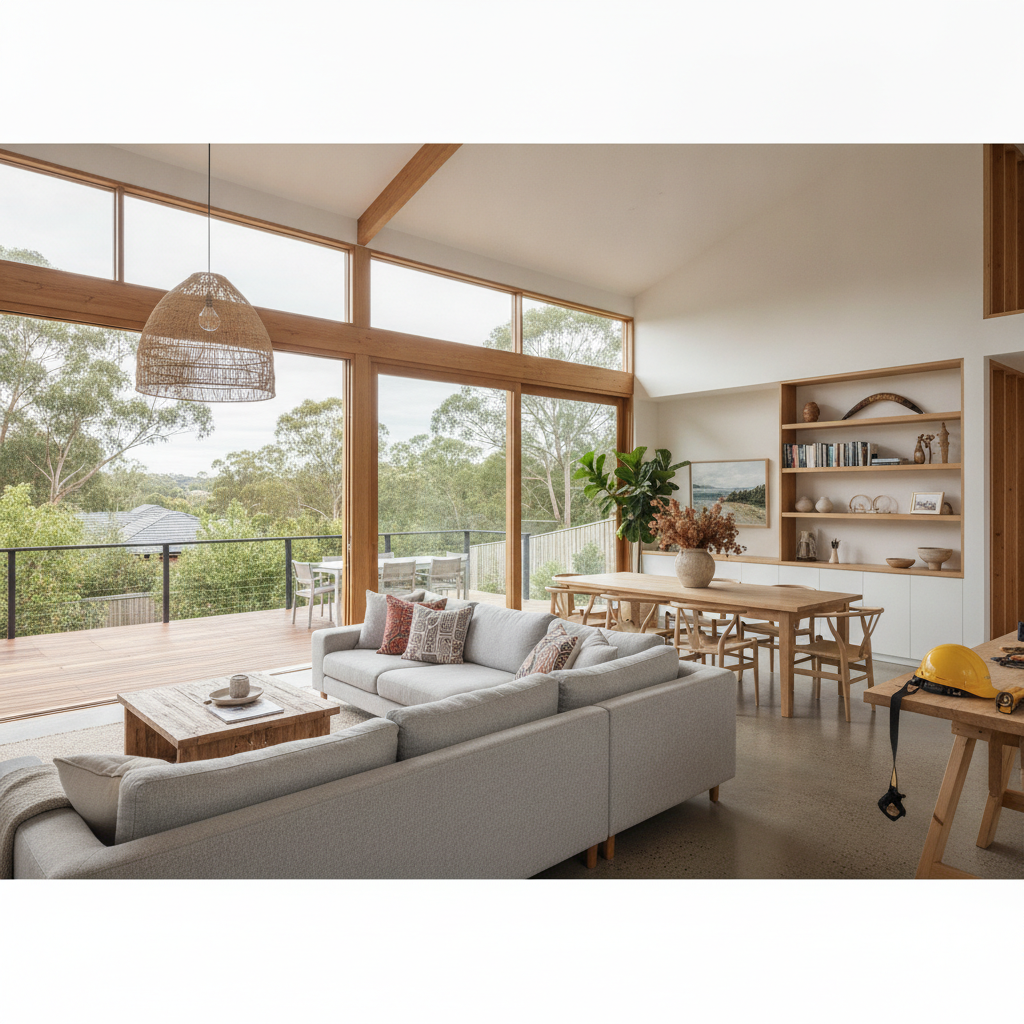
This is where the dream really takes shape. Forget cookie-cutter designs; a kit home lets you truly embrace the regional lifestyle. You want big decks for entertaining, right? Absolutely. A design that optimises natural light and takes advantage of those views? You bet. Maybe a dedicated mudroom where you can ditch your muddy boots before walking inside? Smart thinking.
Think about the flow of your home. If you've got kids or pets, an open-plan living area is probably a good idea. If you're running a small farm or have a workshop, a direct entry from the garage or a utility area into the house makes practical sense. Consider prevailing winds for your outdoor living spaces. You don't want your BBQ getting blown out every second weekend. And of course, think about your water supply – tanks are common in the bush, so factor in space for them and how they'll integrate with your plumbing. Every decision becomes part of the bigger picture of how you'll live out there.
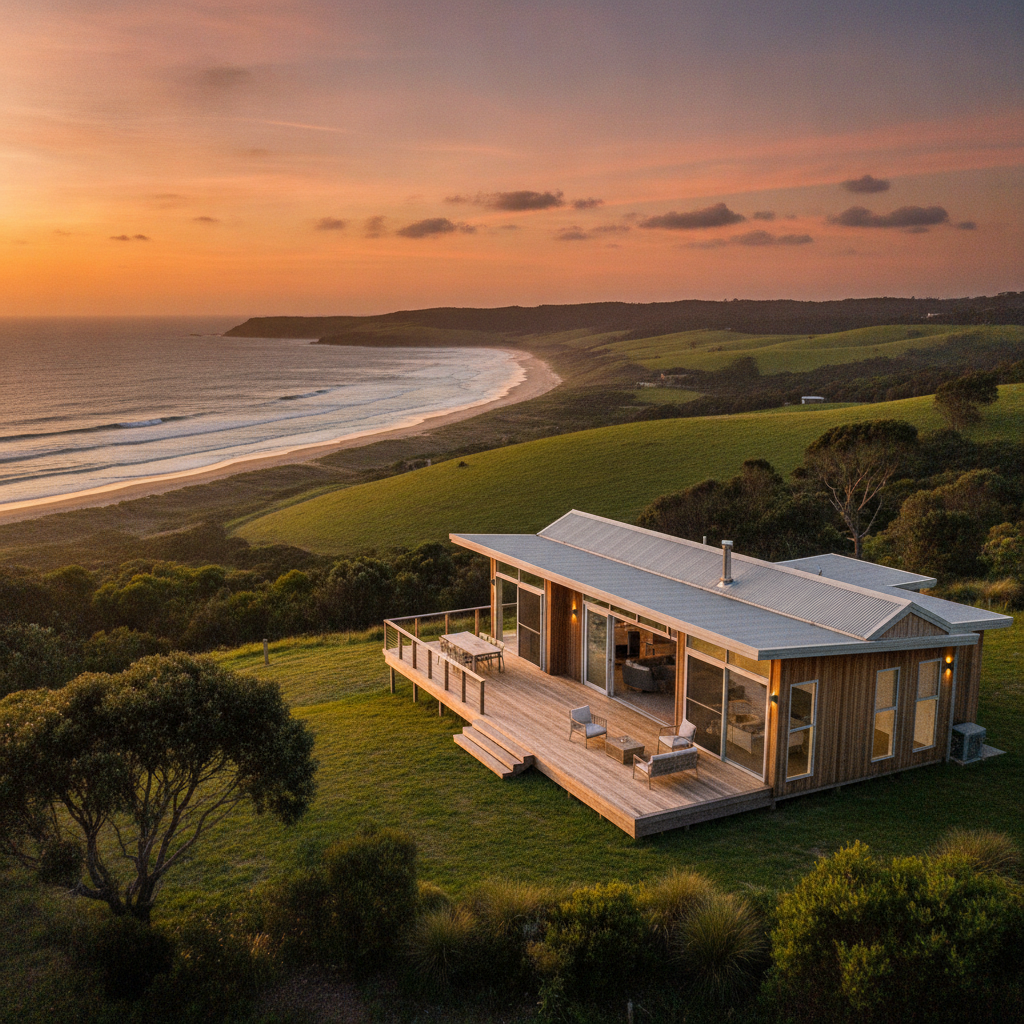
Some popular designs we see for regional blocks often feature wide verandahs that wrap around multiple sides of the house, offering shade and outdoor living space no matter the time of day. High ceilings can really open up a living area and help with air circulation, especially in warmer climates. And plenty of glass, positioned strategically, connects you to the outdoors without compromising on energy efficiency.
Life Beyond the City Limits: The Reality of Regional Living
It's not all idyllic sunsets and birdsong, mind you. Regional living comes with its own quirks. You might have further to drive for groceries or a doctor's appointment. Internet can be patchy in some spots, so check NBN availability before you buy land. And while the community spirit is often fantastic, it's a different rhythm to city life. Be prepared to slow down, to rely on your neighbours, and to get involved in local events.
But for most tree-changers, these are minor trade-offs for the incredible benefits. The peace and quiet, the clean air, the sense of community, and the sheer space to breathe are priceless. Building your own kit home out there gives you an even deeper connection to your new life. You're not just buying a house; you're crafting a home that's perfectly suited to your regional dream. And that's something pretty special, mate.
So, if you're still looking at those plans at 11pm, don't just dream it. Start planning it. The regional life, with a kit home as your foundation, is waiting.