Wrangling the Tradies: Your Guide to Subbie Management as an Owner Builder
Alright, so you’ve committed. You’re building your own kit home, maybe one of ours with the solid BlueScope TRUECORE steel frame. Good on you. That’s a massive undertaking, but rewarding as hell when you’re standing in your finished place. You’ve probably spent months poring over council regulations, trying to figure out your BAL rating, and dreaming about the deck. But the real guts of being an owner builder, beyond swinging a hammer yourself, is wrangling the subcontractors. And trust me, that's where heaps of owner builders come unstuck.
It ain't just about getting a quote and shaking hands. It's about clear communication, knowing what you're looking for, and sometimes, a bit of old-fashioned stubbornness. You're the project manager now, whether you like it or not. The buck stops with you. So let's talk about how you manage the sparkies, the plumbers, the plasterers, and everyone in between, without losing your shirt or your sanity.
Finding the Right Crew - And Avoiding the Dodgy Ones
First up, finding tradespeople. This is where most folks start, and often where they make their biggest mistakes. Don't just pick the first guy who answers the phone. Word of mouth is gold in this game. Ask around. Your mate who just built a shed in Toowoomba, your uncle who's always tinkering in his garage in Perth, even your local hardware store blokes - they've all got opinions. Get references, and actually call them. Ask the hard questions: Did they finish on time? Was the quality up to scratch? Did they clean up after themselves? Because a messy site is a problem site.
Online directories? Yeah, they exist, but treat them with a healthy dose of scepticism. Read reviews, but remember anyone can write a review. What you're really looking for is someone who knows their stuff, communicates clearly, and shows up when they say they will. And for God's sake, make sure they're licensed and insured. Every state has a licensing body - QBCC in Queensland, NSW Fair Trading, VBA in Victoria. Check them. Seriously. It takes five minutes and could save you tens of thousands if something goes pear-shaped.
For your steel frame kit home, especially when you get to the cladding and roofing, you want blokes who understand working with steel. It's not rocket science, but there are techniques. Your roofing contractor, for example, needs to be comfortable with the specific profiles and fixings that come with a steel frame kit. Someone who's only ever done tile roofs might scratch their head a bit when they see our roof battens and purlins. Not a deal breaker, but something to ask about.
The Quote Stage: Get it in Writing, Every Single Time
Never, ever, go on a handshake. I've seen too many good blokes get burned that way. Get at least three quotes for every major trade. This gives you a baseline. Don't automatically go with the cheapest. The cheapest quote often means corners are being cut, or they haven't allowed for things, and you'll pay for it later. That's a guarantee.
What should a good quote include? Heaps. Itemised breakdown of materials and labour. Specifics of the work to be done - not just 'install plumbing', but 'rough-in and fit-off all fixtures as per plans for two bathrooms, kitchen, and laundry, including connection to mains sewer and water supply.' Get specific. If your kit includes insulation, ensure they know that. If it's a complicated roof line, make sure they've accounted for the extra time.
Payment schedule is another big one. Never pay all upfront. A deposit, maybe 10-20%, is fair. Then progress payments tied to actual work completed, not just time spent. Final payment only when you are 100% satisfied and all defects are rectified. And for goodness sake, make sure the quote includes GST. Some cashie blokes try to dodge it, and that's a red flag waving like a madman.
Contracts, Even for the Small Stuff
Even for smaller jobs, have some form of written agreement. It doesn't have to be a legal tome for a small job, but a detailed quote signed by both parties can act as a contract. For larger trades - plumbing, electrical, carpentry, concrete - a proper contract is non-negotiable. Fair Work Australia has templates, or your state's building authority might too. It sets out expectations, timelines, and payment terms, so everyone knows where they stand. This protects you, and it protects them too.
Think about things like site access. Who provides the amenities? Will they clean up their rubbish? Who pays for rubbish removal? These little details might seem trivial now, but they can become huge headaches later. Especially on an owner-builder site, where you might not have a dedicated site manager sorting this stuff out.
Communication is Key, Not Just Yelling
This is where heaps of owner builders fall down. They either don't communicate enough, or they communicate too much and confuse everyone. Be clear, be concise, and be firm. Have regular site meetings, even if it's just a quick chat over a coffee first thing in the morning. Walk them through the plans, point out exactly where you want that power point, or how high you want the shower rose. Don't assume anything.
And here's a tip: put important decisions or changes in writing, even if it's just an email or a text message. 'Confirming our discussion this morning, the new power point will go on the west wall, 900mm from the floor.' This avoids the 'he said, she said' later on. It’s not about mistrust; it’s about good business practice. Especially crucial when you're managing multiple trades who need to coordinate - the plumber needs to know where the electrician is running his cables, and vice-versa, to avoid clashes inside those steel wall frames.
Site Management: Your Domain
You're the boss. Your site, your rules. Safety is paramount. Every single person on your site needs to understand basic site safety. We're talking hard hats, safety boots, proper PPE. Don't let someone start work without it. It's your legal responsibility under WHS laws to maintain a safe site. If someone gets hurt, that's on you.
Keep the site tidy. A cluttered site is an inefficient site, and a dangerous one. Have a designated area for rubbish, for materials, for tools. This also helps with security - less chance of stuff 'walking off' if it's organised. And when materials arrive, make sure they're protected from the weather. Our steel frame components come neatly bundled, but you still need to keep them dry and off the ground until they're stood up. No one wants rusty frames before the roof is even on.
Dealing with Problems: Be Firm, Be Fair
Things will go wrong. It's construction. Someone will make a mistake, materials will be delayed, or a tradie will just decide not to show up. How you handle these issues defines your success as an owner builder.
Don't fly off the handle. Stay calm. Assess the problem. Is it a minor defect or a major screw-up? Talk to the tradie directly, calmly. Refer back to the plans, the contract, the agreed scope of work. Give them a chance to fix it. Most reputable tradies will want to make it right. If they don't, then you need to escalate. That's why you have a contract and a clear payment schedule.
Sometimes you’ll have issues that cross over trades, too. Maybe the plumber puts a pipe right where the electrician needed to run a conduit. That's where you step in, facilitate the discussion, and find a solution. It's like being a referee in a very expensive sporting event.
The Practical Stuff: Scheduling and Sequencing
This is where a good plan comes in. You can't have the plasterer in before the electrician has done their rough-in. You can't pour the slab until the site works are done. Seems obvious, but you'd be surprised how many owner builders just let things happen. Build a schedule, even if it's a simple spreadsheet. List all the tasks, who's doing them, and when they need to be done by. This is your bible.
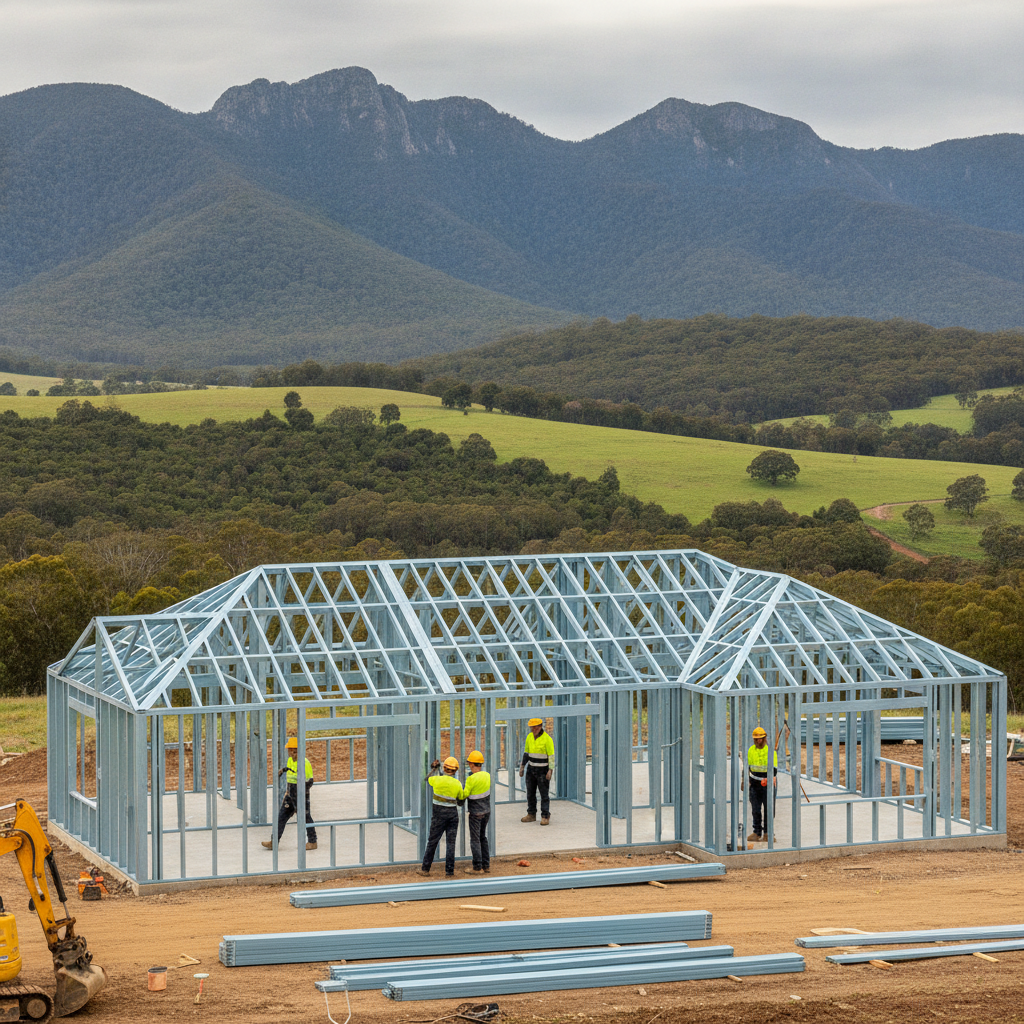
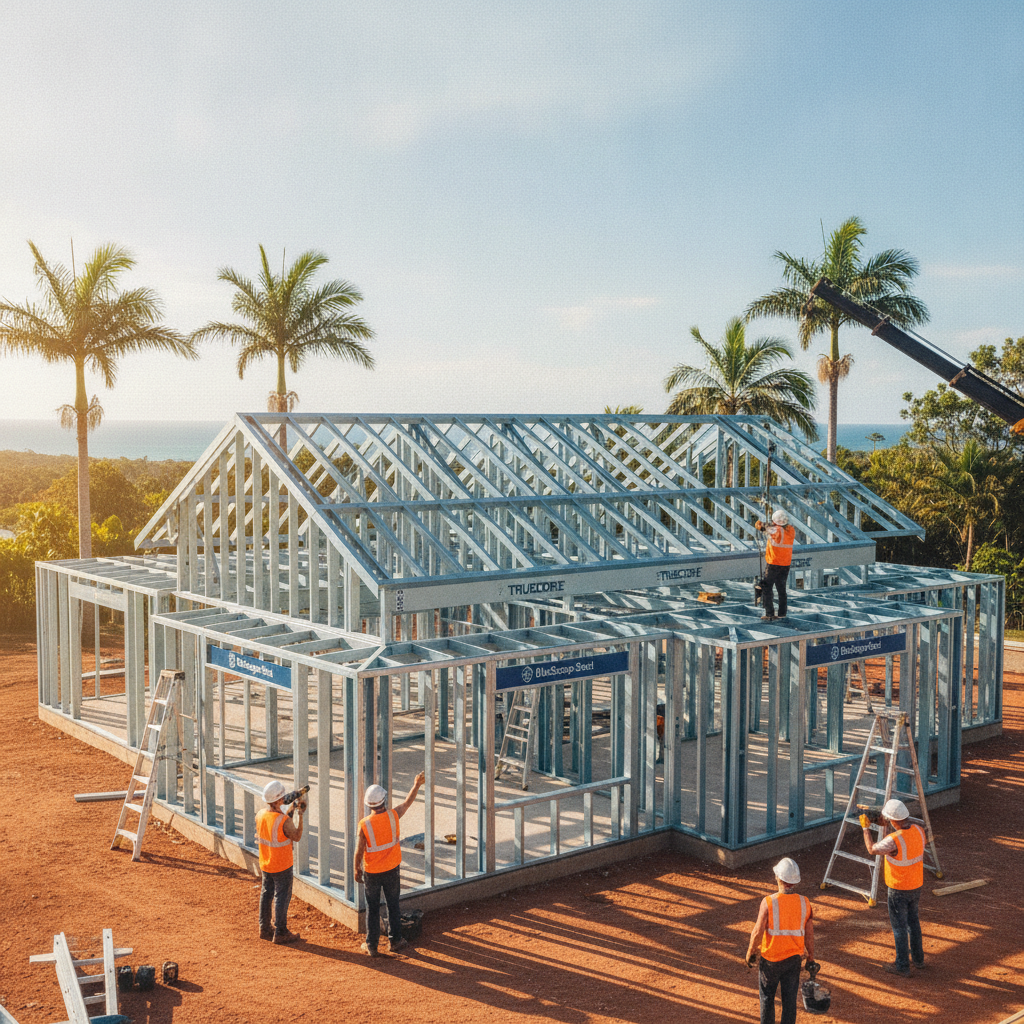
Think about the critical path. What absolutely has to happen before the next stage can begin? For a kit home, it's often the slab, then standing the frame, then getting the roof on to make it weather-tight. Then you can bring in the internal trades. If your kit has a steel frame, these go up fast, so make sure your roofers are lined up for when that frame is standing tall. Don't waste time between stages; that's just money down the drain in overheads and delayed completion.
Remember, the goal is a smooth flow of work. Keep everyone informed of the schedule, and if there are delays, communicate them immediately. An electrician who expects to start on Monday morning and finds the frame isn't quite ready will not be a happy sparky. He might just jump to another job, and then you're stuffed.
Final Thoughts: Your Kit Home, Your Rules
Being an owner builder, especially with a kit home, gives you immense control over your project. But with that control comes a stack of responsibility. Managing your subcontractors effectively is one of the biggest parts of that. It’s not always easy, it can be frustrating, and you'll probably learn a few new choice words along the way. But by being organised, clear, and fair, you'll get the job done right. And when you walk through that front door, knowing every part of it was built under your watchful eye, that feeling is second to none. Plus, your steel frame will be standing there solid for decades, a testament to your hard work. Good luck out there.