Build Smarter, Live Easier: Your Low-Maintenance Kit Home Lifestyle
No one gets into building a home so they can spend every Saturday cleaning gutters or painting trim. We want a place to relax, right? A spot where the biggest decision is whether to hit the beach or fire up the BBQ, not whether to reseal the deck for the fifth time. That's why the low-maintenance kit home, especially for busy owner-builders, is becoming a real game-changer across Australia. It gives you control during the build and freedom once you're in.
Last Tuesday night at 11pm, there you were again - pinching and zooming on floor plans while the kettle boiled for the third time. You're dreaming of a home that doesn't demand your every waking hour, a place that works with your life, not against it. And that's exactly what a well-planned kit home can deliver. It’s about being smart up front, making choices that pay off for years.
Design Choices That Save Your Sanity (And Weekends)
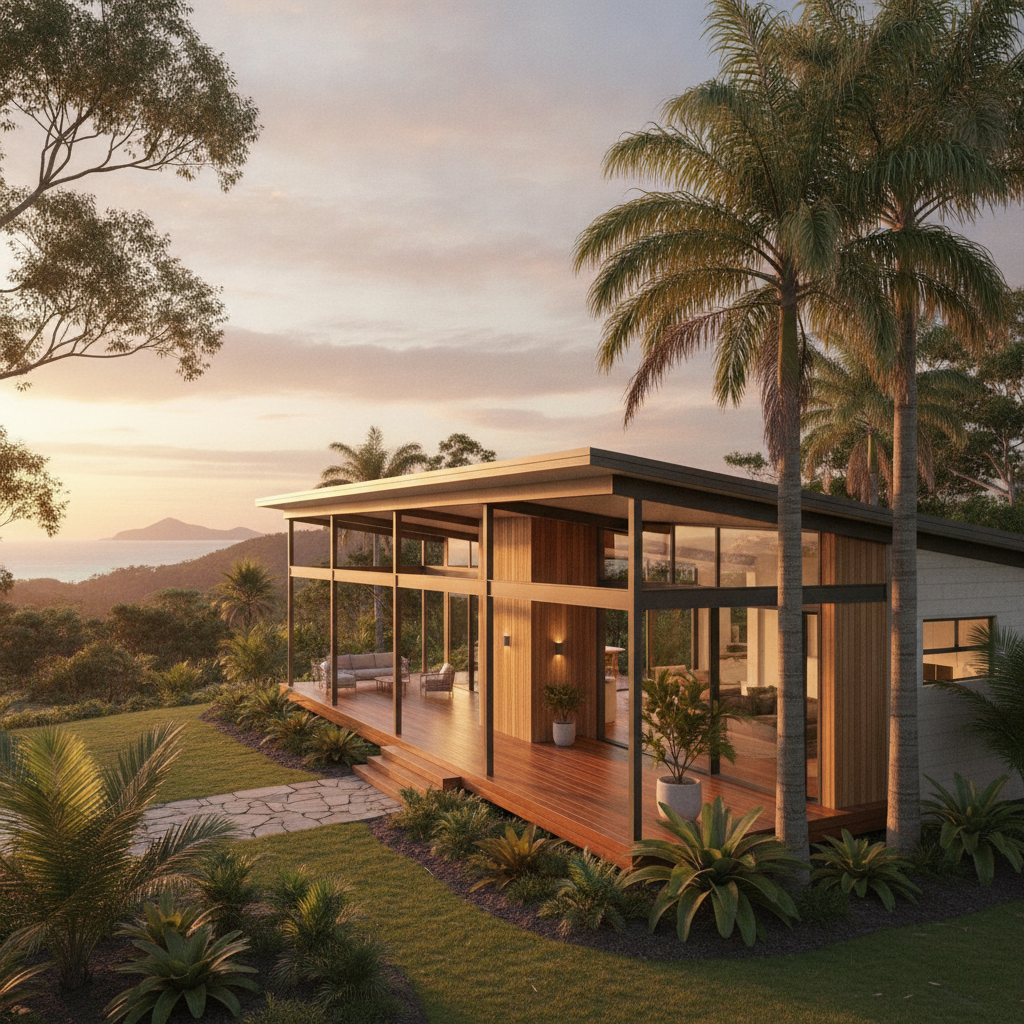
When you're designing your kit home, think long-term. Every choice you make, from the roof pitch to the flooring material, impacts how much effort you'll put into keeping the place spick and span later. This isn't just about picking nice colours; it's about practical living. For instance, a simple roofline, like a skillion or a straightforward gable, is generally easier to maintain than something with heaps of valleys and complex junctions. Less leaf build-up, less chance for leaks, less mucking around.
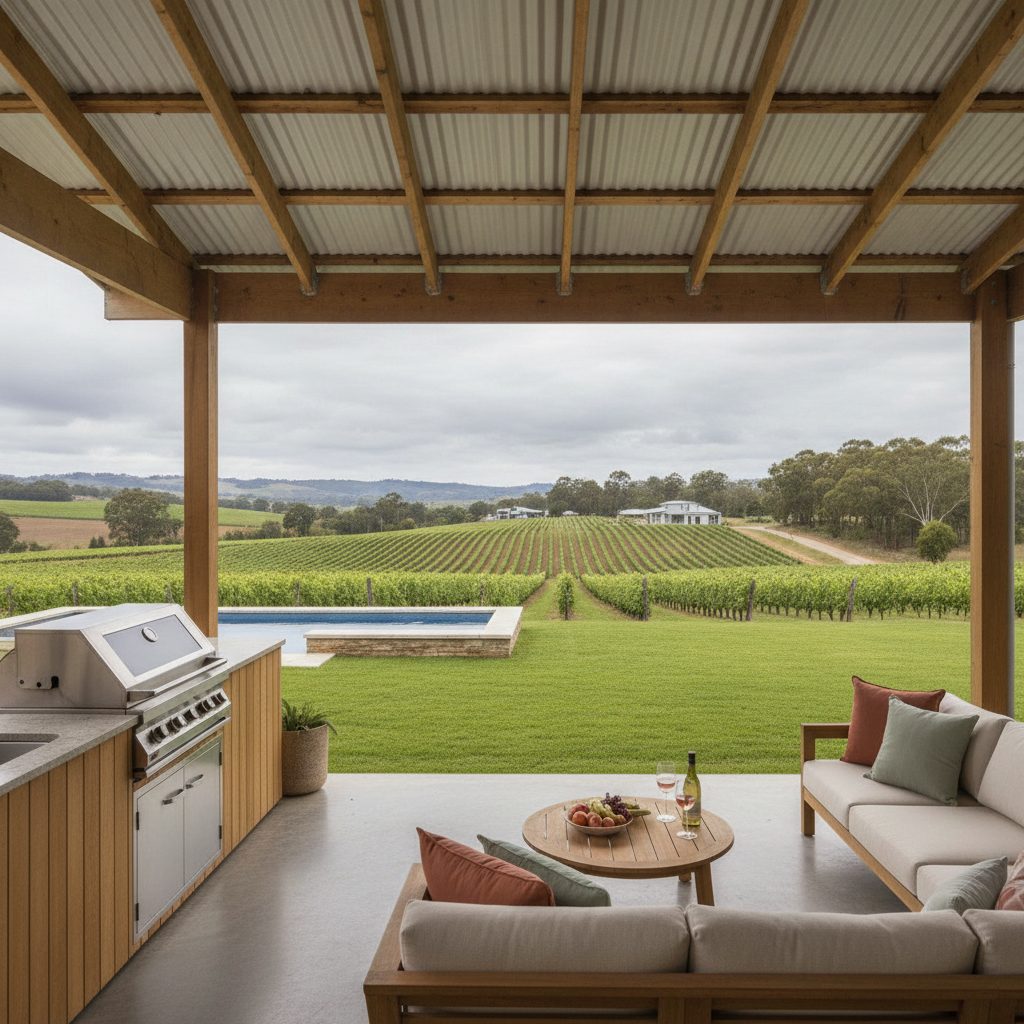
And consider your outdoor areas. Huge, fussy gardens might look lovely in a magazine, but if you’re working full-time and raising a family, are you really going to deadhead those roses every Sunday? Probably not. Hardscaping with durable pavers, native drought-tolerant plants, or even a well-designed artificial turf area can cut down on gardening chores dramatically. Focus on zones that you’ll actually use, not just maintain.
Layout for Easy Living
Think about the flow inside your home. Open-plan living spaces are popular for a reason - they feel bigger, yes, but they're also easier to clean. Less walls mean less dusting, less skirting boards to wipe. Polished concrete floors, or large format tiles, they're brilliant for high-traffic areas. Just a quick mop and you're done. Forget about carpets in entryways or kitchens; that’s just asking for trouble with spills and dirt. You want surfaces that can handle real life.
Consider the placement of things like laundry rooms. If it’s right off the garage or a backdoor, it can act as a mudroom, stopping dirt from tracking through the rest of the house. Smart, right? And storage - you can never have enough. Built-in cupboards and clever joinery reduce clutter, which makes cleaning faster. Messy benches always make a room feel dirtier than it is, even if it's not.
Materials That Work Hard So You Don't Have To
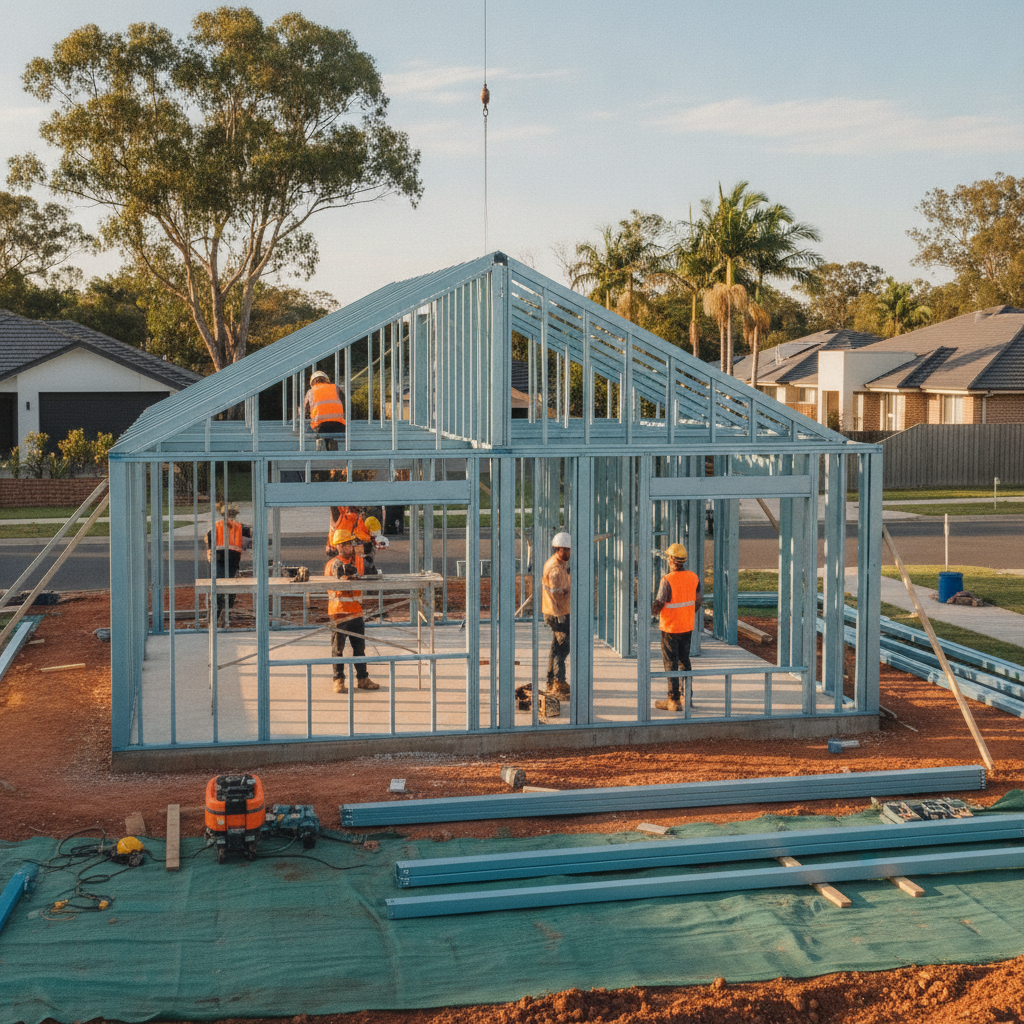
This is where kit homes really shine, especially ours with the TRUECORE steel frames. You get to choose your external finishes, and that’s a massive decision for maintenance. You want stuff that can stand up to the Aussie climate, too. The sun, the rain, the occasional cyclonic wind – it all takes a toll.
- Cladding Choices: Fibre cement boards, like HardiePlank, or even Colorbond steel cladding, they're fantastic. They don't need painting every few years like timber weatherboards. Just a wash down now and then. Brick veneer is another low-maintenance classic, though it’s a bit more involved to get it on a kit home frame, but it can be done.
- Roofing: Colorbond steel roofing is practically a given for durability and low maintenance here. It comes in a range of colours, reflects heat, and it’s tough. No fiddly tiles to replace after a hailstorm. You just need to keep the gutters clear, which is easier with a good leaf guard system.
- Windows & Doors: Aluminium window frames are your friend. They don't warp, rot, or need painting. Just wipe them down. Same goes for solid core external doors that are pre-finished or made of materials that resist weather.
- Decking: If you're going for a deck, consider composite decking. It’s a bit more expensive up front, but you'll never sand, stain, or oil it again. Ever. Think about the hours you'll save over the life of the deck. Pressure-treated timber is okay, but it needs regular love.
And speaking of those steel frames, that's a big one for long-term peace of mind. Termites? Not interested in steel. Rot? Not a chance. Warping or shrinking over time? Nope. It means your house structure stays straight and true, which helps prevent issues with cracking plaster or sticky doors down the track. It's a foundational choice that ripples through the whole home's future upkeep.
Owner Builder Tips for a Low-Maintenance Kit Home
As an owner-builder, you're the boss. This gives you a massive advantage in making these low-maintenance choices right from the start. You're not beholden to a builder's standard inclusions or their preferred suppliers. You can research, compare, and pick what genuinely suits your goals.
- Research Materials: Don't just pick something because it looks good. Read reviews, talk to other owner-builders, even visit display homes and ask what materials they’ve used and how they're holding up. Ask suppliers about their warranties and recommended maintenance schedules.
- Council & BAL Ratings: Always check your Bushfire Attack Level (BAL) rating and council requirements early. Some ratings demand specific materials that are inherently more robust and, often, lower maintenance. For example, a high BAL rating might mean you need non-combustible cladding, which often happens to be very durable anyway.
- Trades You Can Trust: Even if you're doing a lot yourself, you'll need skilled trades for things like plumbing, electrical, and concrete. A good tradesperson will install materials correctly, ensuring they last. A dodgy job means ongoing issues and more maintenance later. Don't cheap out here.
- Site Works Smart: Proper site preparation, drainage, and slab quality are crucial. If your slab is not poured right, or your site isn't drained properly, you'll be dealing with moisture problems and potential structural issues, which are massive headaches down the line. That's not low maintenance, that's a nightmare.
- Sealing & Finishing: Pay attention to the details. Good quality sealants around windows and doors, proper painting techniques (if you're using painted finishes), and robust flashing will prevent water ingress and protect your building envelope.
Owner-building isn't just about saving a few bucks; it's about having total control over the quality and choices that determine your home's long-term liveability. You get to oversee every bolt and every sheet, ensuring it meets your personal standard for future ease.
Lifestyle Benefits: More Free Time, Less Stress
The real payoff for all this upfront planning? It’s your time. Think about it. Instead of scrubbing grout, you could be out on the boat. Instead of sanding a deck, you could be spending time with the kids. That’s what a low-maintenance home offers – a genuine return on investment in your quality of life.
Imagine coming home after a long week. You’re tired. The last thing you want is a list of chores waiting for you. With a home designed for minimal upkeep, those lists shrink right down. You’re not just building a house; you’re building a lifestyle where your home supports you, rather than drains you. That's the beauty of it.
And it's not just about cleaning. Durable materials mean fewer repairs, too. Less stress about unexpected costs or the hassle of finding a tradie for a minor fix. Your kit home, built with thought and smart choices, becomes a true sanctuary. A place where you can just be, without a constant nagging feeling that something needs doing. That’s living the dream, Aussie style.
So, when you're looking at those kit home plans, don't just see walls and rooms. See future weekends. See family time. See peace of mind. Because a smart build today means a relaxed life tomorrow. And that, mate, is worth its weight in gold.