Wrangling the Trades: Your Owner-Builder Guide to Subbies on a Kit Home Site
Right, let's talk subbies. If you're tackling a kit home build, especially out in the sticks, you're not just a bloke with a hammer anymore. You're the project manager, mate. You’re the one calling the shots, making sure everyone turns up, does the job right, and doesn’t disappear with your deposit. It’s a big deal. Managing subcontractors effectively is often the difference between a smooth build and a nightmare that drags on for years. I’ve seen both, believe me. And when you’re out in a rural area, good tradies can be even harder to find and keep.
Last Tuesday night at 11pm, there you were again - pinching and zooming on floor plans while the kettle boiled for the third time. That's the dream. The reality involves a lot more phone calls, contract reading, and making sure the plumber doesn’t run his pipes right through where the electrician planned his main board. It’s a dance, and you're leading. So, let’s get into the nitty-gritty of how to boss your subbies without being a complete tyrant, and crucially, how to protect yourself.
Finding the Right Hands for the Job
Finding good tradies in rural Australia, especially for a kit home, is a bit of an art form. You can’t just chuck an ad on Gumtree and expect miracles. Word of mouth is gold out here. Seriously, ask around. Hit up the local pub, the feed store, the post office. Someone always knows someone. And don’t just ask for a chippie; ask for the chippie who built old mate’s shearing shed, the one that’s still standing after three floods.
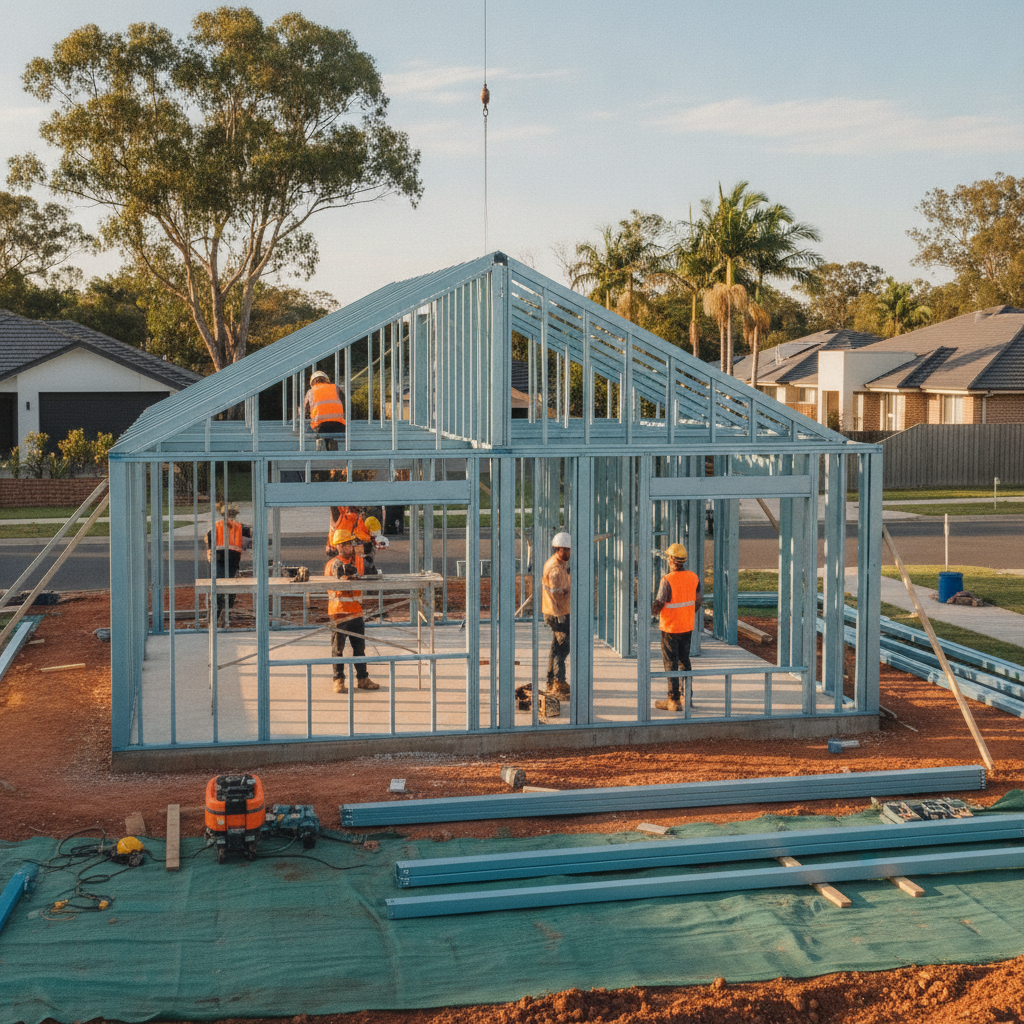
When we send out our steel frame kit homes, like a big shed or a two-storey house using BlueScope Steel, TRUECORE frames are fantastic. But that frame needs a slab to sit on, and it needs cladding, and a roof, and windows put in. That’s all you, the owner-builder. So, you’ll need a good earthmover first, then a concreter, a roofer, and then probably someone to help with the external cladding, even if you’re doing a lot of it yourself. Plumbing, electrical, plastering, painting, kitchen fit-out - that’s a whole other bunch of folk. Look for tradies who understand kit homes, too. Some old-school blokes get a bit spooked by steel frames if they’re only used to timber, though honestly, it's not that different to work with.
Get three quotes, always. Not just for price, but to suss out their attitude, their availability, and how well they communicate. If they take three days to get back to you for a quote, imagine how long they’ll take to return your call when there’s a problem on site. Red flag, that is.
Setting the Scene: Clear Contracts are Non-Negotiable
This is where most owner-builders come unstuck. They have a handshake agreement, or a two-line email, and then wonder why things go pear-shaped. Don’t be that person. A proper contract is your shield. It spells out exactly what’s expected, when it’s expected by, and how much it’ll cost. It protects both you and the subbie.
What to include in every subcontractor contract:
- Scope of Work: Be ridiculously specific. "Install all roofing sheets as per plans R01-R03, including flashings, gutters, and downpipes to stormwater connection point." Not "do the roof."
- Timeline: Start date, completion date, and any key milestones. Tie payment stages to these milestones.
- Payment Schedule: Clear progress payments. A small deposit (say, 10%) to secure their spot, then payments at agreed-upon stages (e.g., footings poured, frame up, lock-up). Never pay the full amount upfront. Never.
- Materials: Who supplies what? If they supply, specify brands and quality. If you supply, state that clearly and ensure materials are on site before they start.
- Insurances: Public liability insurance, workers' compensation if they have employees. Ask for certificates of currency. No arguments on this one.
- Defect Liability Period: Standard is usually 13 weeks after practical completion. What happens if something goes wrong later?
- Site Rules: Working hours, safety requirements, rubbish removal. Important stuff for a tidy, safe site.
- Variation Process: How are changes to the original plan handled? Always in writing, with an agreed price before work commences.
Get everything in writing. If you have a conversation on site, follow it up with an email summarising what was discussed and agreed. "Just confirming our chat, you’ll be starting the trenching on Monday the 14th, weather permitting, for the price of $X as per your quote." Simple, effective, and it covers your backside.
Managing the Day-to-Day: Be Present, Be Prepared
Once the ball’s rolling, you need to be hands-on. Your kit home materials, like the steel wall frames and trusses, will arrive with plans. Make sure those plans are accessible. Make sure the subbie has them. Don’t assume they’ve studied them at home. Walk them through the job on site, pointing out specific details or potential clashes.
Rural sites often have challenges. Access for trucks, dust, mud, no power, no water. Think ahead. Have a generator ready if power isn’t connected. Have a water tank on site for the concreter. Make sure there's a portaloo. These little things make a huge difference to a subbie’s day and their willingness to come back.
Communication is key. Check in regularly. A quick chat over a cuppa in the morning beats a frantic phone call later when a mistake has been made. Ask questions: "How's it looking for Thursday?" "Are you running into any issues?" Sometimes, just listening will uncover a problem before it escalates.
And here’s a big one: pay on time. If a subbie does a good job and you pay promptly, you’ll be at the top of their list for future work, and they’ll recommend you. You want those good recommendations, especially out in the country. If you’re late, they’ll prioritise other jobs. Simple as that.
The Tricky Bits: Dealing with Problems and Variations
Building a house is never smooth sailing, even with a kit home. Things go wrong. Deliveries get delayed. Weather turns nasty. Subbies get sick. It happens. Your job is to deal with it calmly and efficiently. Panic doesn’t help anyone.
Variations: This is probably the biggest source of arguments. The concreter poured the slab slightly smaller than you wanted, or you decided you want an extra window after the frame is up. Any change to the original scope is a variation. Always get a written quote for the additional work (or a credit for less work) and sign off on it *before* the work is done. Don’t let a subbie say, "No worries, I’ll just do it," and then sting you with a massive bill later.
Defects: If something isn't right, don't ignore it. Point it out politely but firmly. "The fall on this shower base isn't quite right, water's pooling in the corner. Can you take a look?" Document everything with photos and emails. Give them a chance to fix it. Most good subbies will rectify their work. If they refuse, then you've got your written contract to fall back on. Sometimes you just have to hold back the final payment until it's fixed. That usually gets their attention.
Delays: If a subbie isn't showing up, or they’re constantly pushing back dates, you need to address it. Your kit home project has a schedule, and delays ripple through the whole thing. Start with a phone call, then an email. "Just checking in on the roofing. You were meant to be finished by Friday, but I can see there's still a fair bit to go. What's the new expected completion?" If it continues, you might need to look at your contract's terms about late completion.
Safety on Your Site: Your Responsibility
As an owner-builder, you're responsible for site safety. You need to understand the basic requirements of Safe Work Australia and your state’s specific WHS legislation. This isn't just about avoiding fines; it's about making sure everyone goes home safe at the end of the day. A clean and tidy site is a safer site, and it shows you’re organised. Our steel frames come bundled safely, but once they're on site, it's up to you to manage them. You can't just leave a pile of timber or offcuts for someone to trip over.
- Induct your subbies: Show them where the first aid kit is, where the fire extinguisher is, emergency exits, and any specific hazards on your rural property (dam, steep slope, power lines).
- Keep the site tidy: Clear pathways, stack materials safely, get rid of rubbish regularly.
- Ensure appropriate PPE: Encourage (and sometimes insist) that subbies wear their hard hats, safety glasses, and steel-capped boots.
- Watch for high-risk work: If someone's working at height, or with heavy machinery, make sure they're doing it safely and have the right licenses.
It sounds like a lot, and it is. But a little bit of planning and consistent oversight goes a long way. You're building your home, often in a beautiful rural setting, and you want that experience to be positive. Being on top of your subcontractors is how you make sure it is.
The Pay-Off: A Home Built Your Way
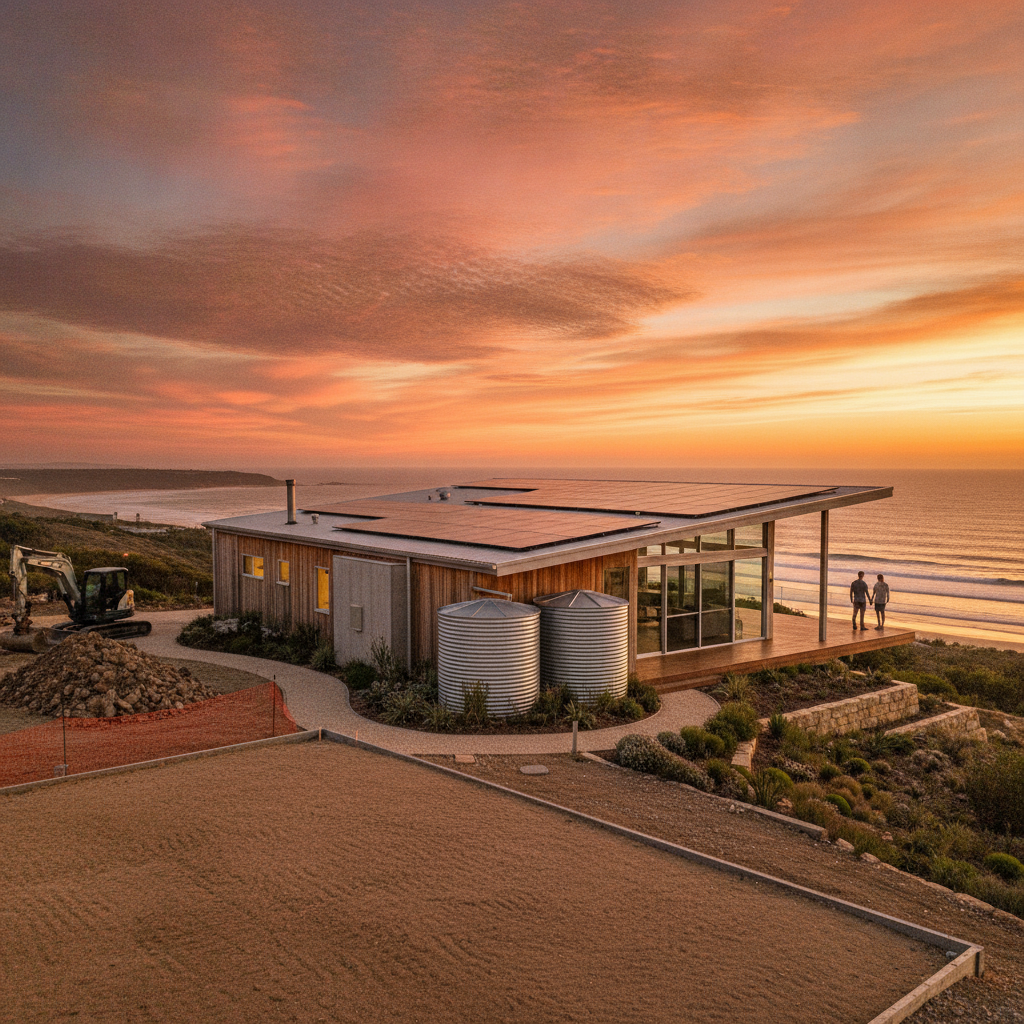
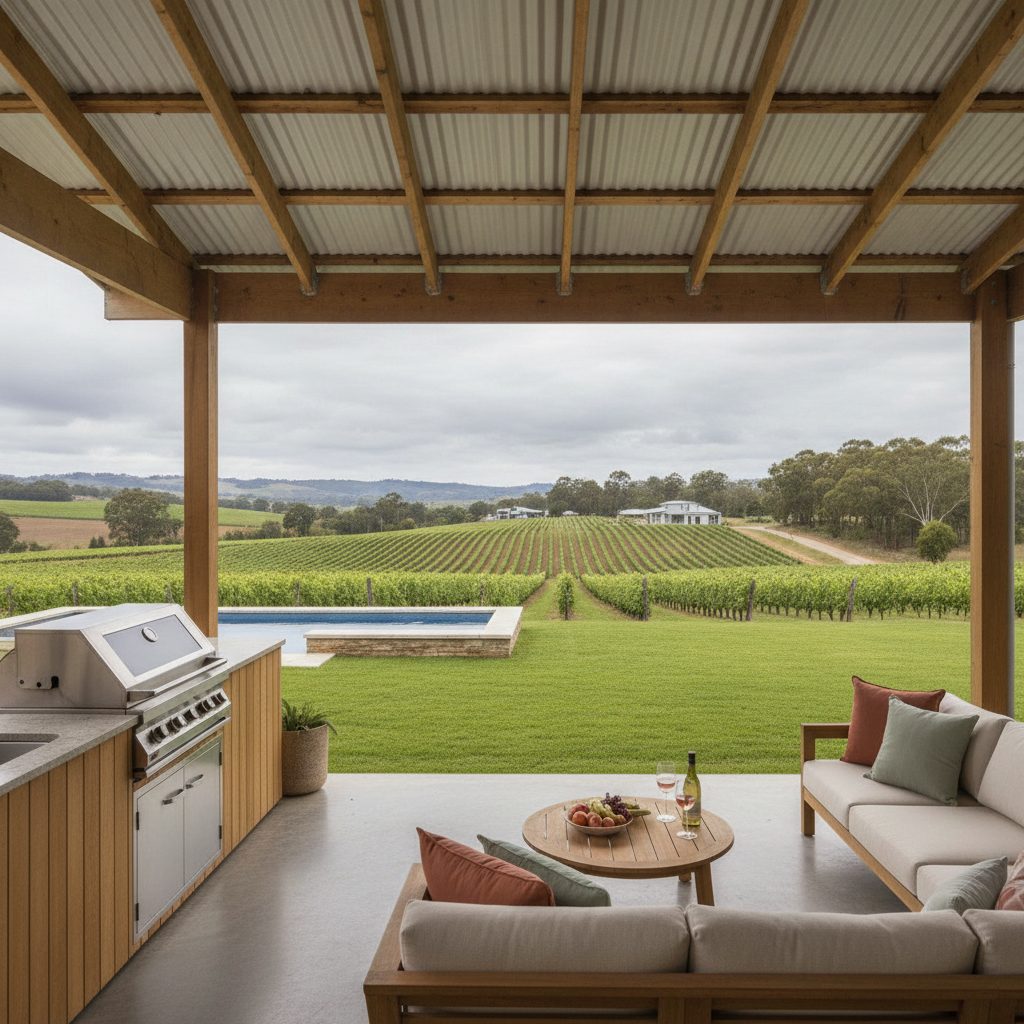
Honestly, it's not always easy. There’ll be days you want to throw the plans in the dam. But when you’re standing there, looking at your finished kit home, knowing you managed every brick, every screw, every tradie – that’s a satisfaction you just don’t get any other way. You’ve brought your vision to life, on your own terms. And that’s a pretty good feeling, knowing you’ve built something that will last, especially when it’s a robust steel frame home, ready for whatever the Aussie weather throws at it. So, get those contracts sorted, find the good local legends, and get stuck in. You’ve got this.