The Critical Role of Roofing in Your Kit Home Project
When you embark on the journey of building a kit home in Australia, your focus is often on the floor plan, the kitchen layout, or the orientation of the living room. However, the one element that stands between you and the harsh Australian elements is your roof. In our vast continent, where conditions range from tropical humidity to alpine frosts and parched desert heat, your choice of roofing material is a technical decision that impacts your home's longevity, comfort, and maintenance requirements.
As an owner-builder, understanding the building techniques behind climate-appropriate roofing is essential. It is not just about keeping the rain out; it is about thermal performance, bushfire protection, and structural integrity. Because kit homes utilize high-quality steel frames, ensuring the roof complements this precision-engineered base is the key to a high-performing home.
Understanding Australia's Climate Zones
Australia is divided into several climate zones, and what works for a beachside cottage in Queensland may be entirely unsuitable for a farmhouse in the Victorian High Country. Before choosing your roofing, you must identify your specific site conditions.
The Tropical North
Up north, the primary concerns are extreme heat, high humidity, and intense rainfall during monsoon seasons. Roofing here needs to reflect heat away from the living spaces and handle high volumes of water runoff efficiently. Non-corrosive materials are also vital due to the salt air in coastal regions.
The Arid Interior
For those building in central or inland areas, the focus shifts to extreme temperature fluctuations. You might experience 40-degree days followed by near-zero nights. Your roof needs to be a thermal barrier that prevents the house from becoming an oven during the day while retaining some warmth when the sun goes down.
The Temperate South
Southern regions face cold winters and moderate to hot summers. Here, the moisture management of the roof is critical to prevent condensation within the ceiling cavity. Thermal mass and high-quality insulation become the priorities to minimize heating costs.
Steel Roofing: The Versatile Performer
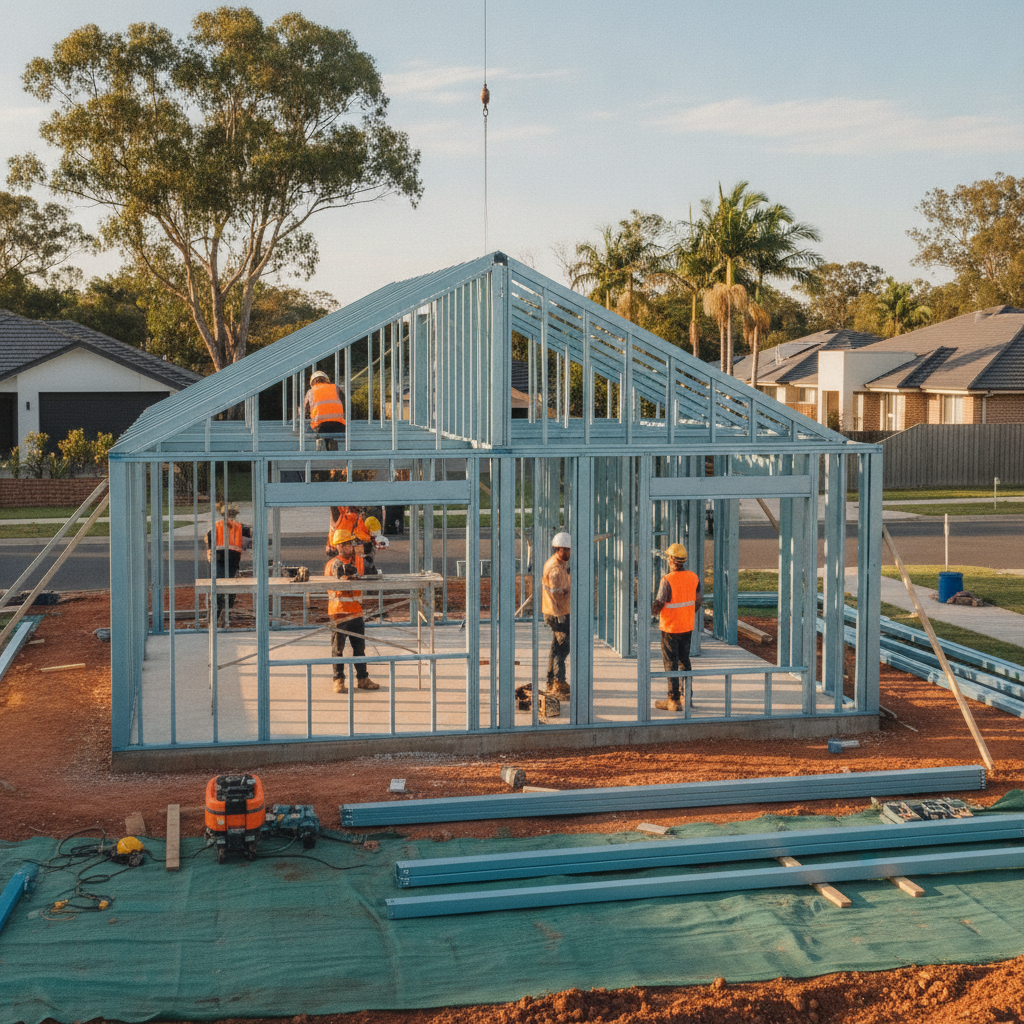
In the context of Australian building techniques, steel roofing has become the gold standard for kit homes. Using materials like BlueScope Steel specifically designed for Australian conditions offers a range of technical advantages. Steel is lightweight, which reduces the load on your steel frames, allowing for larger open-plan spans without the need for heavy internal load-bearing walls.
One of the most significant benefits of steel roofing in Australia is its performance in bushfire-prone areas. With high BAL (Bushfire Attack Level) ratings being a requirement for many owner-builders, steel provides a non-combustible barrier that offers peace of mind. It also seals tightly, preventing burning embers from entering the roof cavity during a fire event.
The Importance of Colour and Solar Reflectance
A major technical consideration often overlooked by DIY builders is the "Solar Reflectance Index" (SRI) of their roof colour. In Australia, the colour of your roof is about more than street appeal; it is a vital part of your home's insulation strategy.
Lighter colours reflect a high percentage of solar radiation. On a hot summer day in Perth or Brisbane, a light-coloured roof can keep the internal temperature several degrees cooler than a dark charcoal or black roof. This reduces the load on your air conditioning and increases the overall energy efficiency of the kit home. Conversely, in colder climates, a darker roof can help absorb heat, which might be beneficial if your home is designed to harness solar gain during winter months.
Managing Condensation and Ventilation
No matter which roofing material you choose, the building technique used for installation must account for ventilation. A roof is a breathing system. Without proper ventilation, moisture can build up in the roof space, leading to mould growth and the degradation of insulation.
For owner-builders, ensuring that your kit home includes a high-quality radiant barrier or sarking under the roofing sheets is paramount. This reflective foil helps with thermal insulation while also acting as a second skin for water run-off. Combining this with ridge vents or eave vents allows hot air to escape, creating a much more comfortable living environment year-round.
Owner-Builder Tips for Roof Installation
Managing your own build means you are responsible for the coordination of trades. When it comes to the roof, here are some practical tips to ensure the job is done right:
- Check Your Pitch: Ensure the pitch of your roof is compatible with your chosen material. Certain profiles of steel roofing require a minimum pitch to ensure water does not pool or blow back under the laps during heavy storms.
- Coordinate Your Deliveries: Roofing materials are bulky. Plan your site access so materials can be delivered as close to the building footprint as possible to minimize handling.
- Safety First: If you are assisting with the roof or managing the site, height safety is non-negotiable. Ensure your trades use appropriate scaffolding or roof safety railing.
- Fastener Quality: Always use the fasteners recommended by the manufacturer. Using low-quality screws can lead to rust spots and leaks, undermining the longevity of your high-quality steel roof.
Water Harvesting Considerations
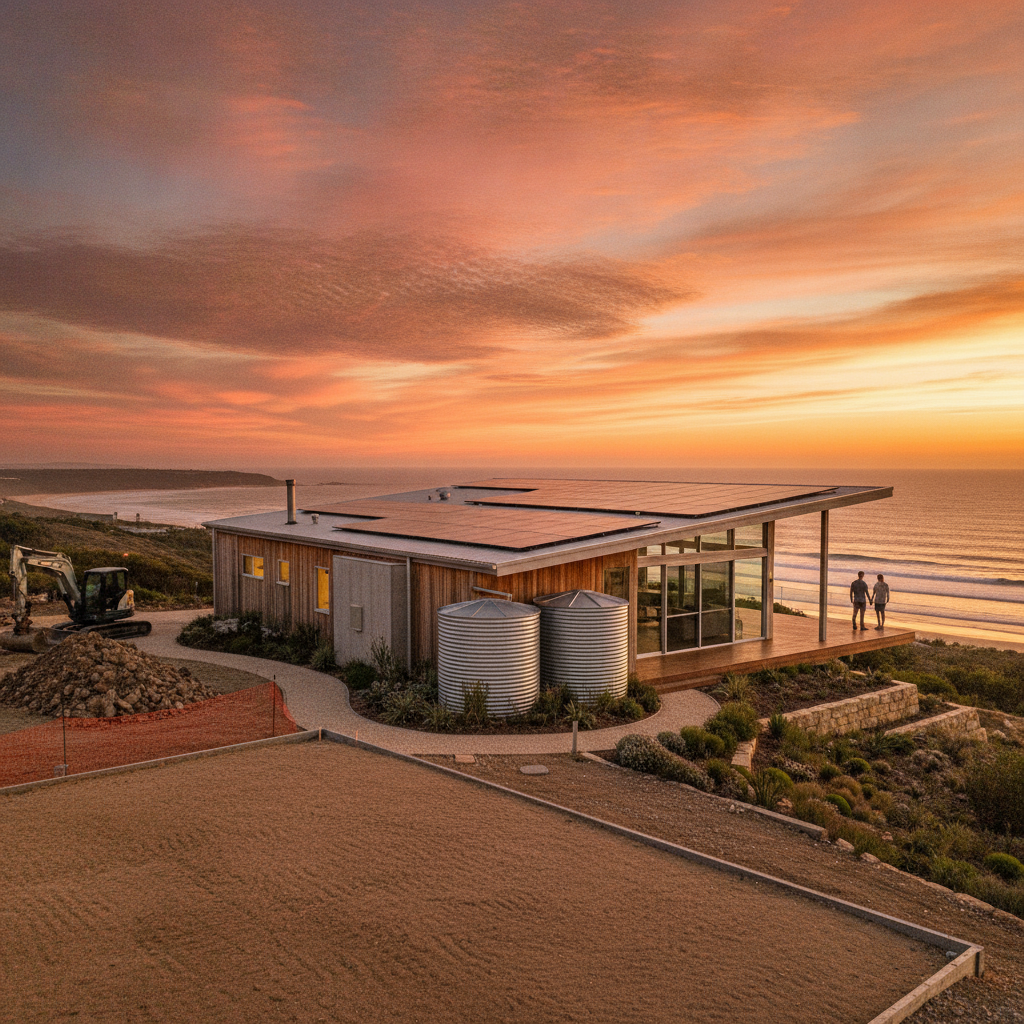
For many Australians building in rural areas, the roof represents their primary source of drinking water. If you plan to install rainwater tanks, your roofing material must be "drinking water safe." Precision-coated steel is ideal for this, as it does not leach chemicals into the water supply like some older tile glazes or treated materials might. Ensure your gutters are also installed with a consistent fall to prevent stagnant water, which can become a breeding ground for mosquitoes.
Building for Longevity
A kit home is a significant investment, and the durability of the roof dictates the lifespan of the entire structure. Steel frames are highly resistant to termites and rot, but they rely on a dry environment to maintain their structural integrity over decades. Choosing a roofing system that is tested for Australian cyclonic conditions, if you are in a high-wind area, is essential. Look for products that have been rigorously tested at facilities like the James Cook University Cyclone Testing Station.
Refining Your Choice
When finalizing your roofing selection, consult with your kit provider and local council requirements. There may be aesthetic covenants in your area that dictate colour or material, but always prioritize technical performance over pure looks. A beautiful roof that leaks or makes your house too hot will quickly lose its charm.
Remember that the roof is part of a larger system. When paired with the precision of TRUECORE steel frames and high-quality wall cladding, a well-chosen roof ensures your kit home is a sanctuary, not just a shelter. By understanding these building techniques and climate-specific requirements, you are setting yourself up for a successful owner-builder experience and a home that will stand strong against the Australian sun, wind, and rain.
Conclusion
Building a kit home allows you the freedom to create a space perfectly suited to your lifestyle and the Australian landscape. By taking a technical approach to your roofing choice, you ensure your project is built to last. Whether you are facing the heat of the Nullarbor or the humidity of the NSW coast, the right combination of material, colour, and ventilation will make all the difference. Stay informed, plan carefully, and enjoy the process of watching your dream home take shape from the ground up to the very top of the ridgeline.