The Acreage Dream Needs a Different Blueprint
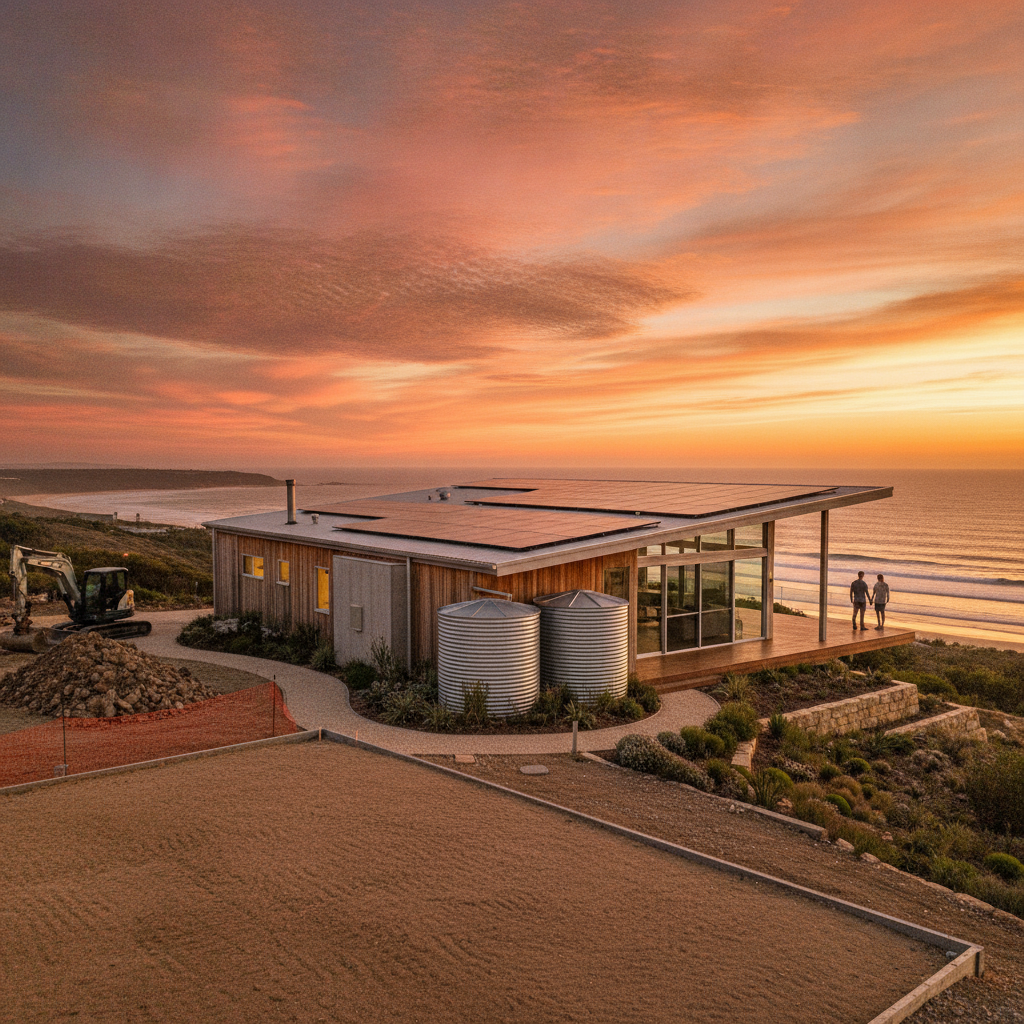
Most house designs you see in display villages are built for 450-square-metre blocks in Western Sydney or the outer suburbs of Melbourne. They're skinny, dark in the middle, and designed to stare at a neighbor's Colorbond fence. When you've got ten acres in the Hunter Valley or a rolling hills block in the Sunshine Coast hinterland, that suburban logic is useless. You don't need a skinny house. You need a wide one. A house that stretches out to catch the breeze and the view from every single room.
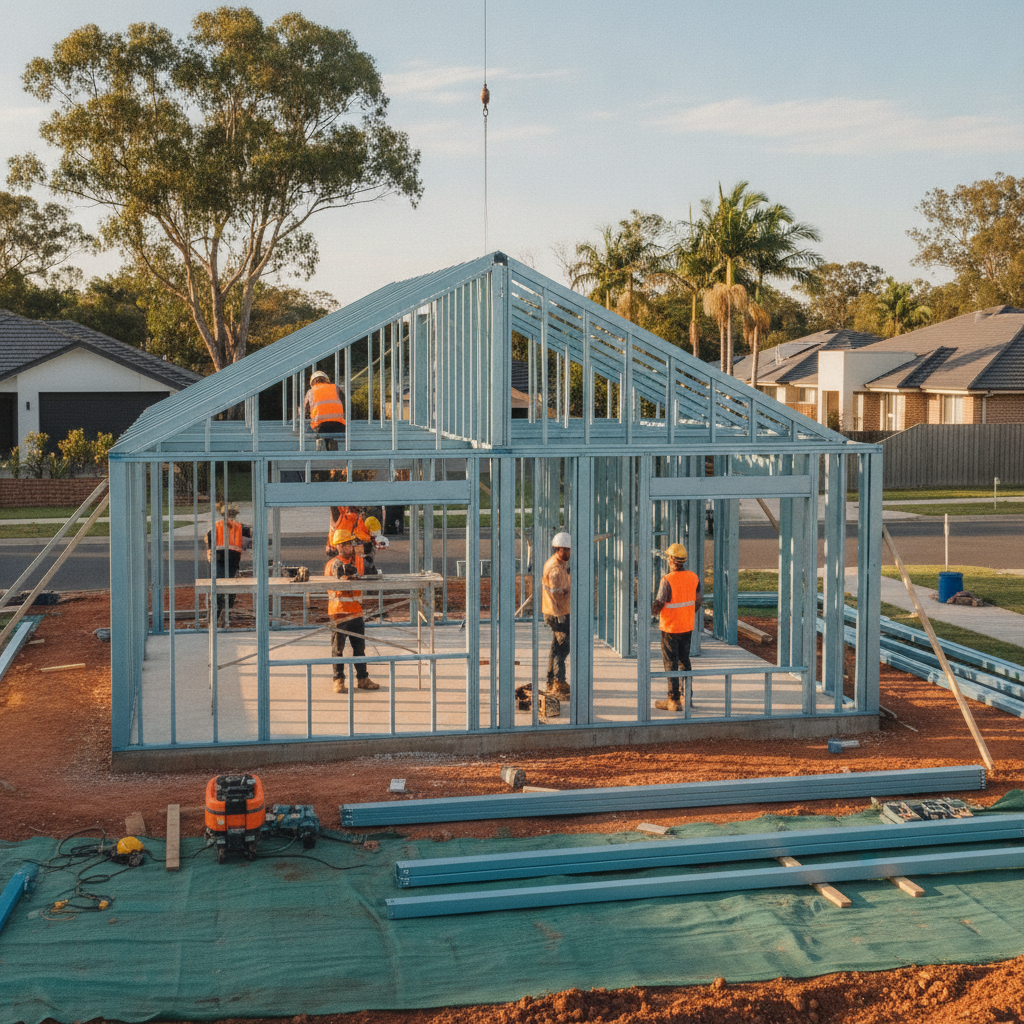
I've spent fifteen years watching owner-builders tackle rural projects. The biggest mistake? Tucking the house away in a corner because it's close to the power pole. Don't do it. You'll regret it every time you look out the window at the ridge where the house should've been. Designing for acreage is about site orientation first, and the floor plan second. If you don't line up your living areas with North-facing glass, you'll freeze in July and bake in February. It's that simple. We use BlueScope TRUECORE steel for our kit frames because out in the scrub, you don't want to worry about termites eating your investment while you're sleeping. Plus, steel stays straight. You won't get those annoying wavy walls that timber gives you after a few seasons of Aussie humidity.
The Mudroom: A Non-Negotiable for Farm Life
If you're moving to the country, you're going to get dirty. It's part of the deal. One of the most underrated design features for a rural kit home is a massive mudroom. And I don't mean a tiny laundry with a coat hook. I'm talking about a dedicated entry point, usually off the back or side, where you can kick off work boots, hang up a greasy Akubra, and wash the dog without trailing red dust through the open-plan kitchen. Because honestly, nothing ruins a nice evening like scrubbing dirt out of your floor grout.
Think about the flow. You want your laundry, a second toilet, and plenty of bench space right there by the back door. It keeps the rest of the house as a sanctuary. When you're looking at our designs, like the larger four-bedroom ranch styles, look at where the wet areas sit. Positioning them as a buffer between the dirty outdoors and the clean living space is top-tier design thinking.
Steel Frames and the BAL Rating Reality
Let's talk about fire. If you're building on acreage in Australia, you're likely facing a Bushfire Attack Level (BAL) rating. Some spots are BAL-12.5, others are BAL-40 or even Flame Zone (FZ). This changes everything. It dictates what windows you can buy, what cladding you can use, and how you seal your roof. Using a steel-framed kit home gives you a massive head start. Steel doesn't burn. It's that easy. When you're out in a regional area like the Blue Mountains or the Gippsland bush, knowing your home's skeleton isn't fuel for a fire gives you a certain peace of mind that's hard to put a price on.
But it's not just about the frame. Your choice of external finishes matters. Corrugated steel cladding like Lysaght Custom Orb is a classic for a reason. It's tough, it handles the heat, and it looks the part on an Australian farm. If you want something a bit more modern, you can mix in some weatherboard-look cladding that's actually made of fibre cement. It gives you that Hamptons-on-the-Hill vibe without the maintenance of real wood. Real wood out in the elements needs painting every five years. Who has time for that? You've got fences to fix.
Practical Tips for the Rural Owner Builder
- Position your tanks early. You'll need water for the build anyway. Get your poly or concrete tanks delivered and hooked up to the shed early so you aren't paying for water cartage during construction.
- Check your access. A semi-trailer delivering your kit needs space to turn around. If your driveway is a winding goat track through the trees, you're going to have a bad day when the truck shows up.
- Over-spec your insulation. The NCC (National Construction Code) gives you the minimums, but if you want to be comfortable when it's 40 degrees outside, go higher. We include quality insulation in our kits, but don't be afraid to beef it up in the ceiling.
- Think about the slab. On acreage, you've often got reactive clay soils. Get a proper soil test (Class S, M, H1, H2, or E) before you get too far into the design. It'll dictate how much concrete you need to pour.
Open Plan Living and the Importance of Verandahs
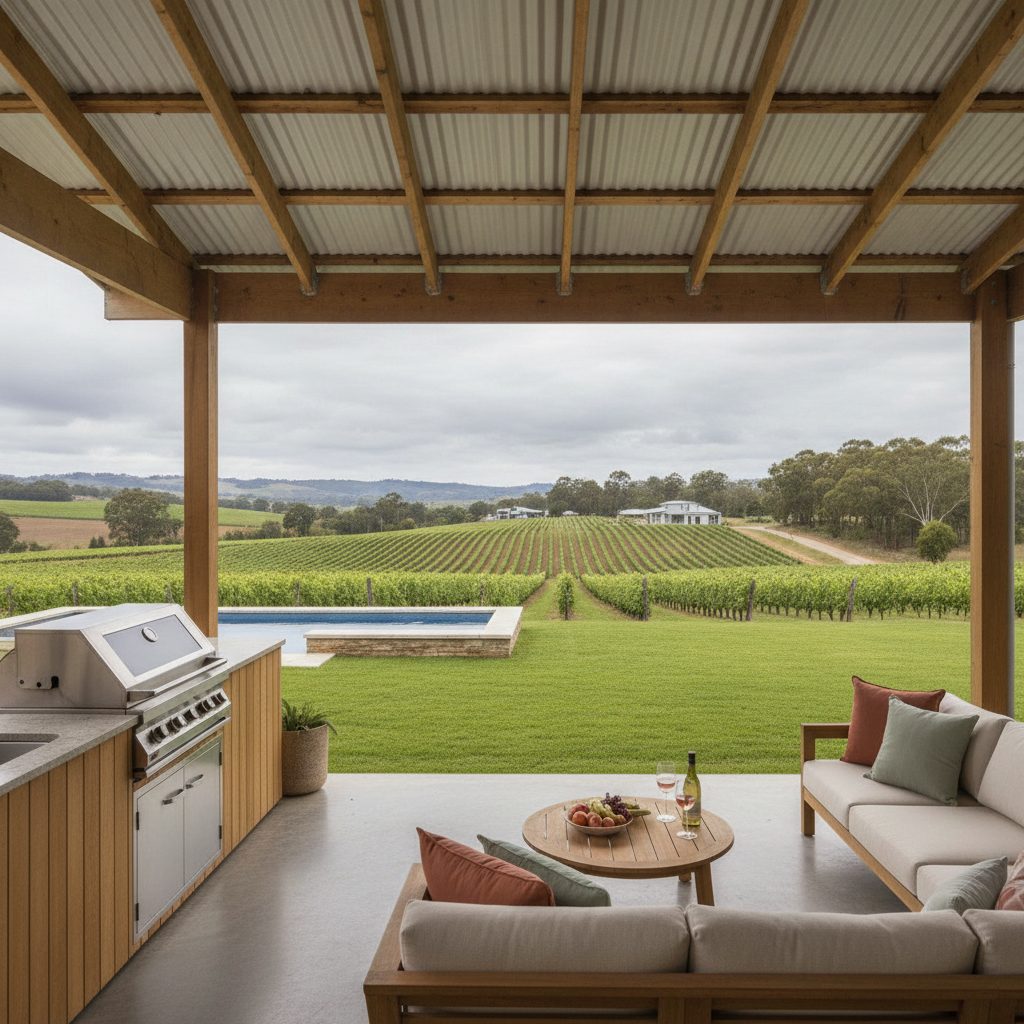
In the city, a verandah is a luxury. In the country, it's a necessity. It's your outdoor living room. It shades the walls of the house, keeping your cooling costs down, and it gives you a spot to sit and watch the rain come in across the valley. A two-metre wide verandah is okay, but if you can push it to 2.4 or even 3 metres, you've actually got space for a table and chairs without blocking the walkway.
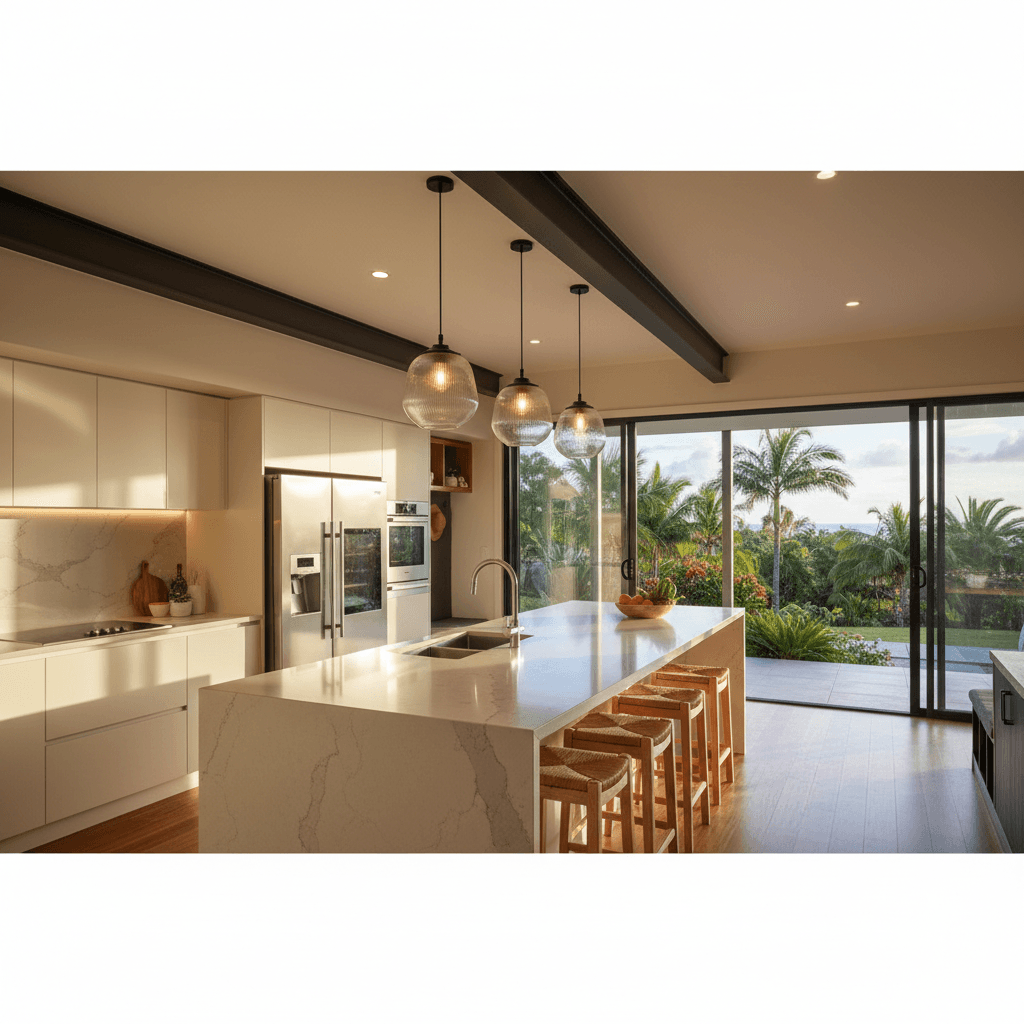
Inside the home, go for height. Raked ceilings in the main living area make a 150-square-metre house feel like it's 250. It lets the hot air rise and gives you a sense of space that matches the land outside. Because let's be honest, you didn't move to the middle of nowhere to feel cramped indoors. We see a lot of people choosing light, airy interiors with Tasmanian Oak floors or polished concrete to reflect that rural light.
Why Our Approach Works for DIYers
Building a home yourself is a massive undertaking. It's not just about swinging a hammer. It's about scheduling trades, talking to council, and making 5,000 decisions about door handles and light switches. Our kit homes take the guesswork out of the structural side. You get the TRUECORE steel frames, the roofing, the cladding, and the windows all in one go. It's like a giant Meccano set for adults. You or your carpenter can get the shell up fast, which means your site is secure and dry. Once the roof is on, the stress levels drop significantly.
One thing I always tell people: don't rush the site prep. If your slab isn't square and level, the rest of the build will be a nightmare. I've seen blokes try to save a few hundred bucks on a cheap concreter, only to find out the bolts don't line up with the frames. Get the slab right. The steel frames are engineered to the millimetre, so if the foundation is out, everything is out. It pays to be a bit of a perfectionist in the early stages.
Managing Your Own Project
Being an owner-builder isn't for everyone. You need to be organized. You need to be able to talk to a plumber at 7am and not get intimidated when he tells you the pipes can't go through a certain beam. But the satisfaction? It's huge. Walking into a lounge room that you helped frame up, looking out through windows you helped install, that's a feeling you don't get when you just buy a finished house off a developer. Plus, you know exactly what's behind the walls. You know where the extra noggins are for the heavy TV bracket. You know the insulation was installed without gaps. That's the real value of the kit home approach. You're in control of the quality from day one.
The Australian landscape is diverse. A house in the Victorian Alps needs different considerations than one in the Top End. But the fundamentals of good design remain the same. Respect the sun. Plan for the dirt. Choose materials that last. If you do those three things, your rural retreat will be more than just a house. It'll be the place you never want to leave.