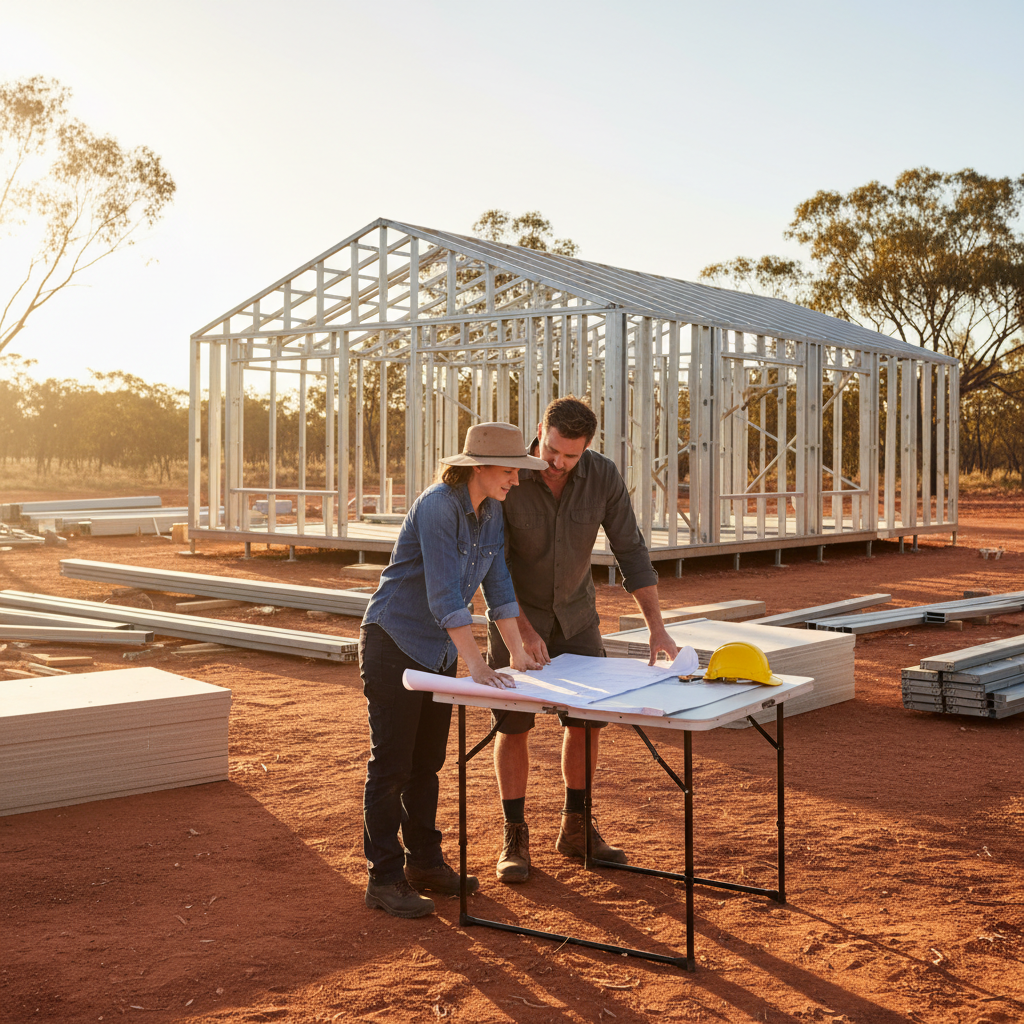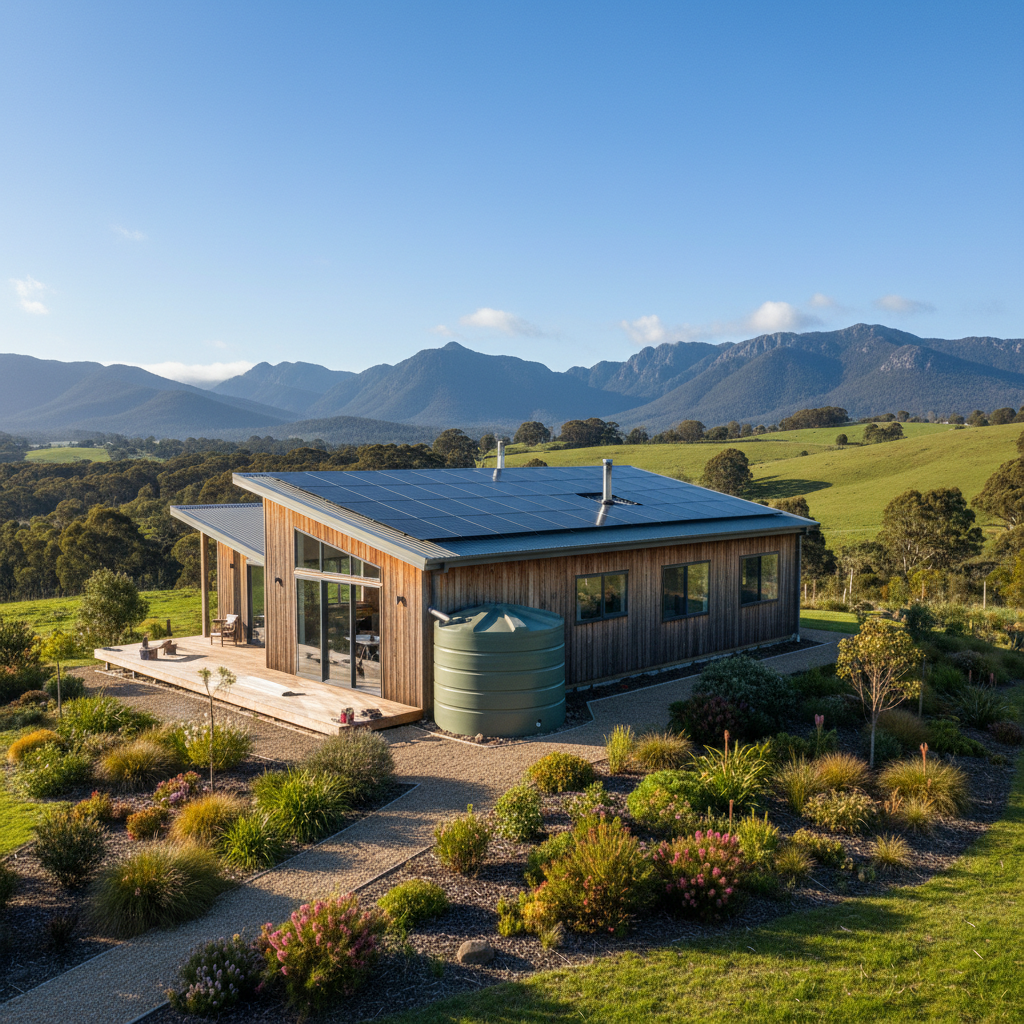
Nobody tells you about the mud. Everyone talks about the dream of standing on your finished deck with a cold drink, looking out over your block in the Hunter Valley or the Sunshine Coast. But they forget the part where it's 7am on a drizzly Tuesday, your plumber hasn't shown up, and there's a pile of BlueScope TRUECORE steel frames sitting under a tarp while your council inspector argues about a silt fence. That's the reality of being an owner builder in Australia. It's a job for a project manager who isn't afraid to get their boots filthy.
The Council Trap: Why DA Approval is Just the Start
Most blokes reckon once the Development Application (DA) is through, they've won the war. Wrong. That's just the warm-up. The biggest delay I see for owner builders happens between getting that DA and actually receiving your Construction Certificate (CC). You'll be sitting there with your kit home floor plans, ready to rock, but your local council wants another report. Maybe it's an updated Bushfire Attack Level (BAL) assessment because the RFS changed their mind about the scrub on your boundary. Or maybe they want a more detailed drainage plan. Because councils don't move fast, this can burn three months of your life before you've even dug a hole.
You need to be a pest. Call them. Visit the office. Don't sit back and wait for a letter in the mail that might never come. If you're building in a high-wind area, make sure your engineering certificates for the steel frames match the specific N rating or C rating of your block exactly. If there's a 1mm discrepancy between your slab plan and the kit manufacturer's engineering, the certifier will knock it back. And then you're back to square one.
The Slab has to be Perfect. No, Really.
With a kit home, your tolerances are tight. If you're building a traditional timber stick-frame house, you can shave a bit off here or pad out a bit there. Not with steel. These frames are engineered to the millimetre. If your concreter had a heavy night and your slab is 20mm out of square or has a massive hump in the middle, those wall frames are not going to sit flat. You'll be out there with a grinder or trying to shim up the base plates, and suddenly a two-day job takes a week.
Hire a concreter who understands steel construction. Tell them the frames are coming from a factory and there's zero room for error. Check their work before they pour. Pull the tape yourself. Check the diagonals. If the diagonals aren't identical, that slab is a diamond, not a rectangle. Fix it before the agitator truck arrives or you'll regret it for the rest of the build. Plus, you need to make sure your plumbing stacks are in the right spot. Moving an iron pipe in a cured slab is a nightmare that involves a jackhammer and a lot of swearing.
Subbie Management: The Art of Not Being a Jerk
Being an owner builder means you're the boss. But if you treat your trades like they're just numbers, they'll drop you the second a bigger, easier job comes along from a commercial developer. Good chippies and sparkies are slammed right now. If you want them to turn up on your site in rural Victoria or out near Ipswich, you have to be organized. Have the site ready. Don't call the electrician to wire the house if the roof isn't even on yet because you forgot to order the tek screws. They'll leave and they won't come back for a month.
Communication is where it falls apart. Don't just send a text. Call them. Confirm the week before, the day before, and the morning of. And for heaven's sake, keep the site clean. No trade wants to trip over your coffee cups and scrap timber while they're trying to work. A clean site is a fast site.
Managing the Kit Delivery
When the truck arrives with your kit, it's Christmas morning. But it's also a logistical headache. We're talking about tonnes of steel, packs of Colorbond roofing, windows, and insulation. You need a flat, dry spot to drop it all. If you live on a steep block in the Dandenongs, you can't just expect a semi-trailer to reverse up your driveway. You might need to hire a smaller hiab truck to ferry the gear from the road to the house pad. That's another day and another $1000 gone if you didn't plan for it.
Once it's on the ground, inventory everything. Don't wait until you're halfway through the rafters to realise you're short on a specific bracket. Check the packing list against what was offloaded. If something got dinged in transit, document it immediately. Most kit suppliers are good at replacing bits, but they can't help you if you wait three weeks to tell them something's missing.
Weather, Water, and Waiting
You can't control the sky. An East Coast Low can park itself over your block and turn your worksite into a swamp for fourteen days straight. This is where kit homes actually have an advantage. Steel frames don't soak up water like timber. They won't warp, twist, or grow mould if they get rained on while you're waiting for the roof sheets to go up. But the ground will still be a mess. If your site doesn't have decent access, the delivery trucks will get bogged. I've seen a delivery driver refuse to leave the bitumen because he knew he'd be stuck for hours. Think about your site access early. A few loads of crushed rock for a temporary driveway is a smart investment.
The Owner Builder Mindset
You have to be realistic about your skills. If you've never held a drill, maybe don't try to clad the whole house yourself. Kit homes are designed for assembly, sure, but it's still a massive physical task. Use the right tools. Don't try to make do with a cheap DIY-grade impact driver when you're driving hundreds of screws into TRUECORE steel. Your wrists will give out before the house is finished. Go to the local tool shop and get the pro-grade gear. It pays for itself in time saved.
Also, don't forget the paperwork. Keep a site diary. Every day, write down who was there, what the weather was like, and what got done. If there's ever a dispute with a trade or a question from the private certifier, that diary is your lifeline. It's boring, but it's part of the job.
Building your own place is a slog. There will be days where you want to sell the block and go live in a tent. But when that frame goes up and you see the skeleton of your actual home standing there, straight and true, it's a massive win. Just keep your head down, manage your subbies, and don't let the council paperwork get the better of you. You'll get there.