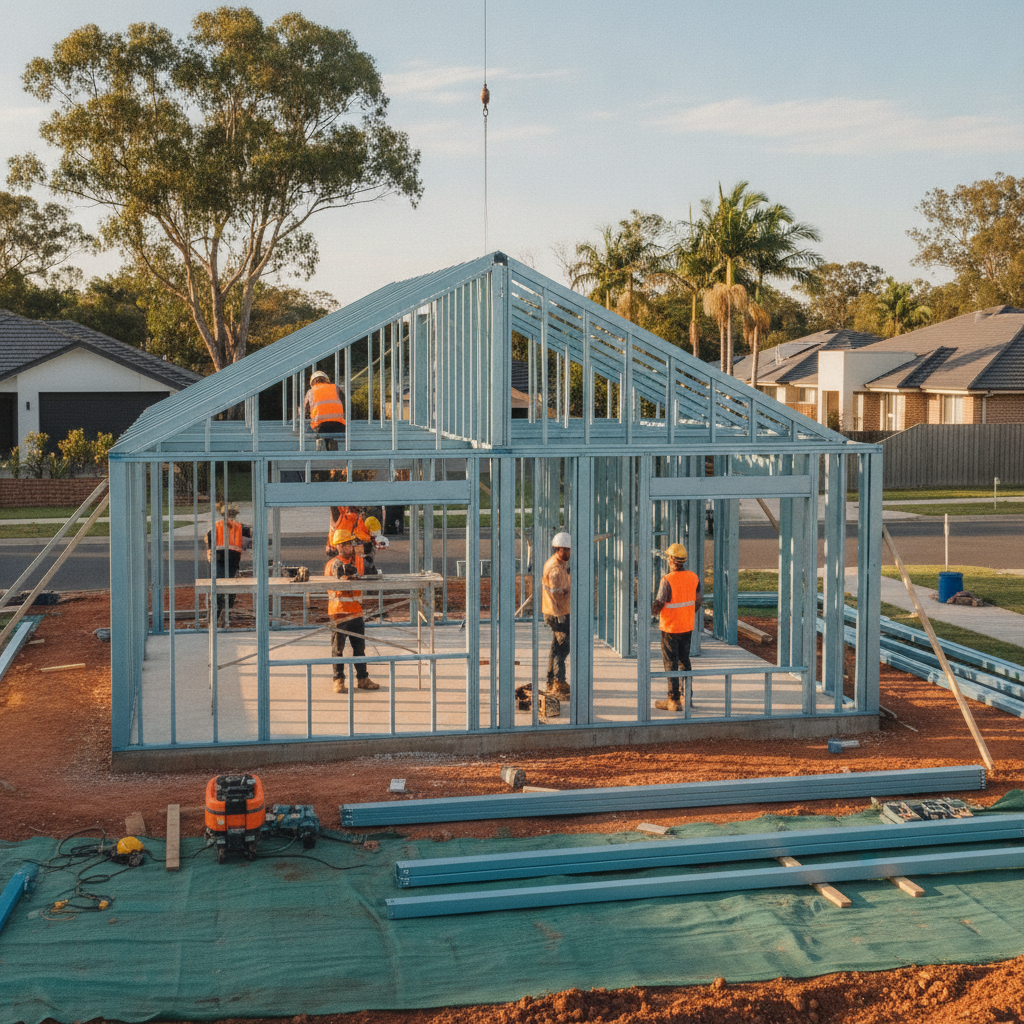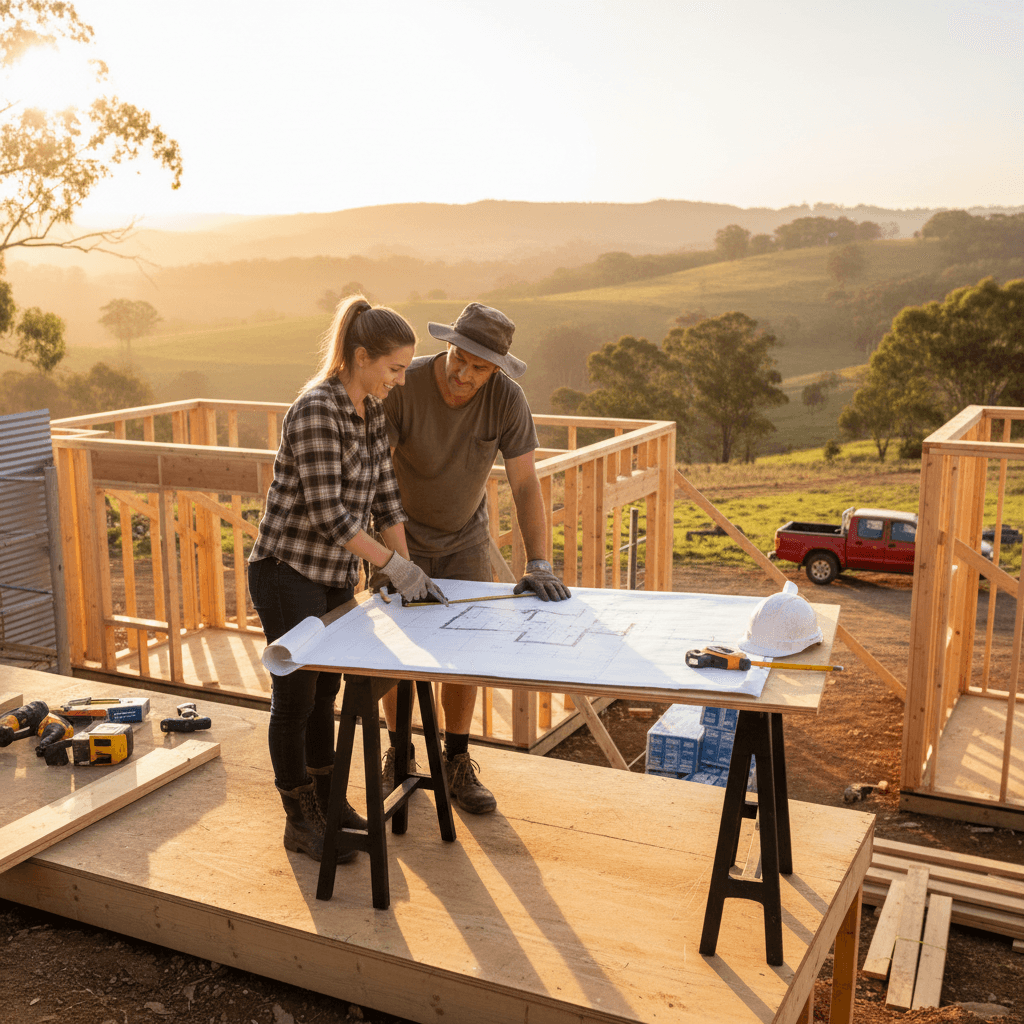
Standing on a vacant block of land in a place like Goulburn or the Sunshine Coast hinterland feels like anything is possible. You've got your council approval sorted, the site is cleared, and that first delivery of BlueScope TRUECORE steel frames is scheduled. But then the reality of the owner builder road hits. Most people go into this thinking they'll do every single bit of the work to save a buck. I've seen it a hundred times. They start strong, then by month four, they're burnt out and the project has stalled because they tried to learn how to screen a concrete slab via a YouTube video on a 35 degree day.
The Steel Frame Advantage for DIYers
Kit homes have changed the game for the average punter because you aren't out there with a hand saw trying to figure out compound mitres. When those steel frames arrive, they're numbered. They're straight. They don't twist because it rained on Tuesday. If you can use a cordless drill and follow a set of engineering plans, you can stand the walls. It is basically a giant Meccano set. This is where you make your money as an owner builder. Standing those frames and trusses yourself, with a couple of mates who you've promised a carton of beer and a BBQ lunch, is the sweet spot. Steel isn't heavy like green hardwood. It's manageable. It's smart. And because it's TRUECORE, you know the termites in your local area aren't going to treat your new investment like an all-you-can-eat buffet.
Where You Should Put Down the Tools
Licensing laws in Australia aren't suggestions. They're there for a reason. You cannot touch the electrical or plumbing. Period. I don't care if you saw a bloke on the internet do it. In every state from NSW to WA, you need a compliance certificate for your final occupancy permit. If you wire those lights yourself and the place burns down? Good luck with the insurance claim. You won't have one. Focus your energy on the management side here. Scope your trades early. Get your plumber in before the slab is poured so your waste pipes are exactly where the kitchen island is supposed to be. There is nothing worse than jackhammering a fresh slab because your set-out was five inches off.
The Middle Ground: Cladding and Roofing
This is the grey area. Fixing the external cladding and laying the roof sheets is something a handy owner builder can absolutely tackle. But you've got to be honest about your fitness and your head for heights. Walking around on a roof in the middle of a Queensland summer is brutal. If you're doing it yourself, invest in proper fall protection. Not just a rope you found in the shed. Buy a harness. Build proper scaffolding. It'll slow you down, but it'll keep you alive. Most kits come with the insulation and the windows too. Hanging windows is a two person job. No way around it. You need one person inside and one out to get that flashing right and the unit leveled. If the window isn't plumb, your internal doors will never close properly later on.
Comparing Kit Homes and Non-Kit Options
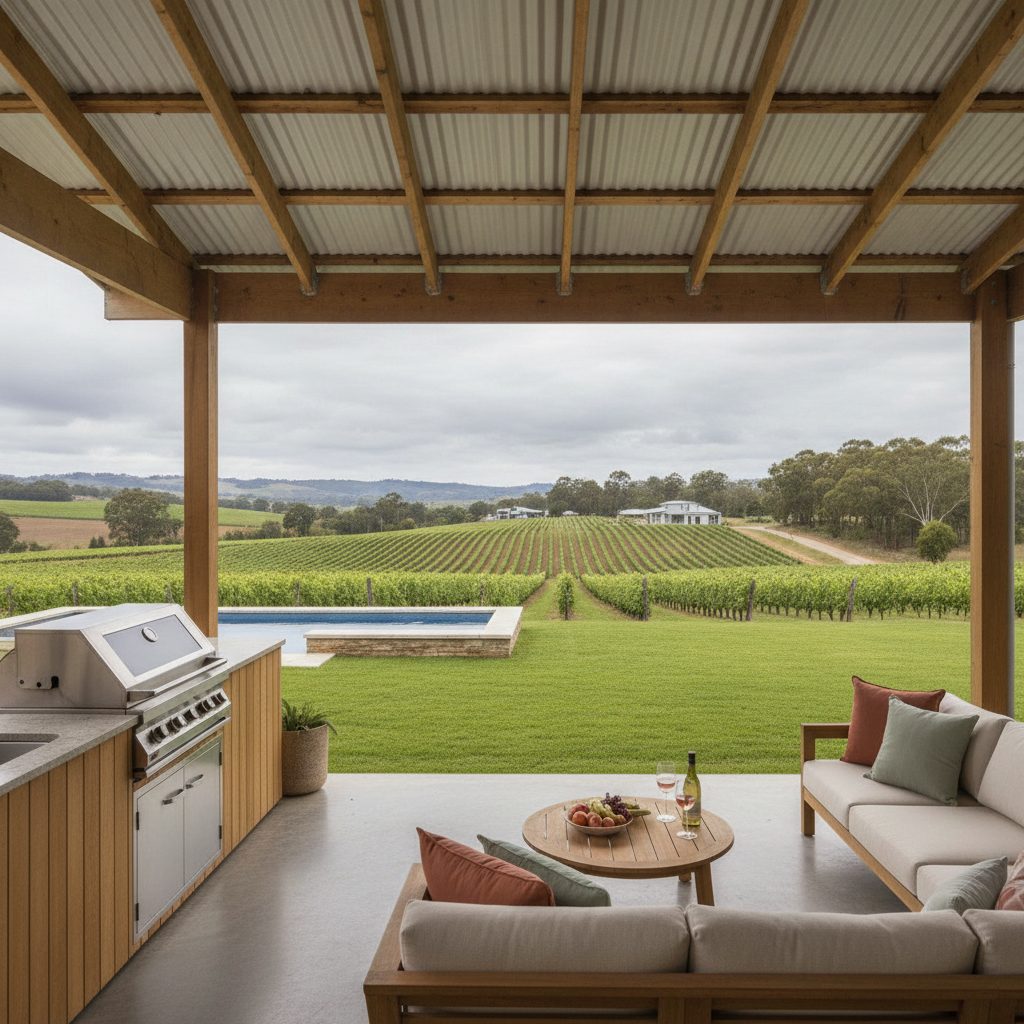
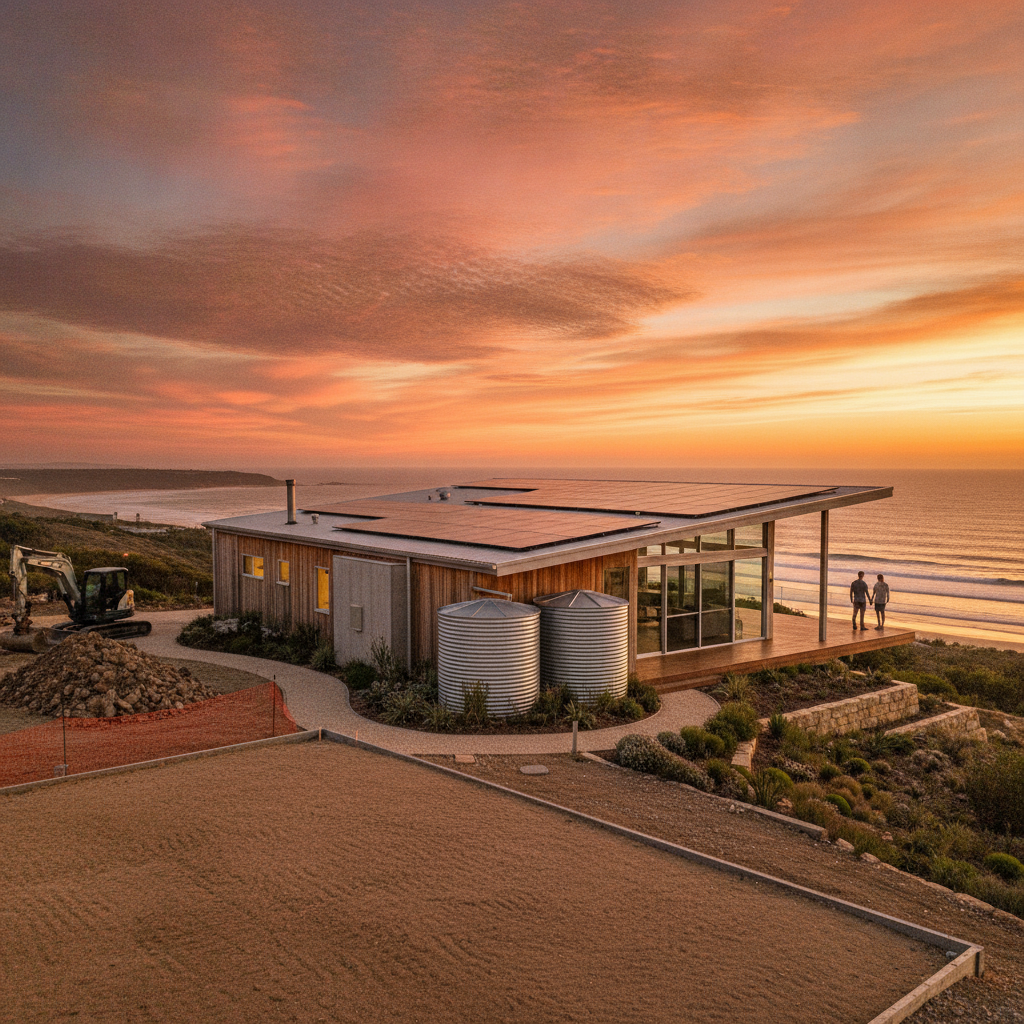
A lot of people confuse kit homes with those transportable buildings you see being trucked down the highway in two halves. Those aren't what we're doing here. A kit home is a permanent, high quality residence built on your land. You're responsible for the slab or the piers. You're responsible for the fit-out. The kit gives you the bones and the skin. The beauty of this is that you aren't limited by what a factory can fit on a trailer. You want a massive open plan living area? You can do that with steel because the spans are longer. You want a specific high-end kitchen from a local joiner instead of a flat-pack? That's your call. You have the control, which is the whole point of being an owner builder.
The Skill Tree: What's Easy vs What's Hard
Internal fit-out is where projects go to die if you aren't careful. Hanging plasterboard looks easy on telly. It isn't. It's heavy, dusty, and getting those joins invisible takes years of practice. I always tell people to hire a professional plasterer for the setting (the mud work), even if they hang the sheets themselves. Same goes for waterproofing the bathroom. AS 3740 is the standard you need to meet. If that shower leaks in three years, it'll rot your floor coverings and cause a nightmare. Some things are worth the $800 to have a pro sign off on it.
On the flip side, painting is a goldmine for savings. A pro painter will charge you ten grand for a standard four bedroom house. You can do that over four weekends with a high quality roller and a bit of patience. Just don't skimp on the prep work. Wash the walls. Sand the joints. Tape the flickers. It's 80 percent prep and 20 percent sticking the paint on.
Managing the Site Beats Swapping the Hammer
The best owner builders I've worked with aren't always the handiest with a saw. They're the ones who are good at logistics. They make sure the skip bin is empty before the roofers arrive. They ensure the site is clean so the sparky doesn't trip over a pile of offcuts and charge them for an extra hour of labor. Being a 'tradie manager' is just as much work as being the tradie. If you're organized, you'll save more money through efficiency than you ever will by trying to learn how to tile a floor at 2am on a Sunday. Keep your site tidy. Treat your subs with respect. Have the materials ready before they show up. That's the secret to a kit home project that finishing on time and under what you'd pay a volume builder.
Don't forget the paperwork either. Keep a site diary. Take photos of every pipe and wire before the walls go on. If there's ever a dispute or a leak down the track, you'll know exactly where that 40mm PVC pipe runs. Knowledge is power on a building site. Especially when it's your own money on the line.
Final Thoughts for the Saturday Warriors
You'll get tired. You'll get sore. You'll definitely get sick of the local hardware store. But when you sit on that deck and know you stood those walls and screwed down that roof, it's a feeling you can't buy. Just be smart about your limits. Tackling the steel frame assembly, the cladding, and the painting is plenty of work for most people. Leave the high-risk stuff to the guys with the licenses and the heavy gear. Your bank account and your back will thank you for it in the long run.