Customising Your Kit Home Design for the Aussie Lifestyle
Building a home is often the biggest project an Australian family will take on. Choosing a kit home gives you the freedom to create something that fits your specific needs without the cookie-cutter feel of many suburban developments. These homes have become a popular choice for many Aussies because they offer a balance of structure and flexibility. You get the benefits of a pre-engineered design, but you also have the room to make it your own. For owner-builders and DIY enthusiasts, this is the ultimate way to get a high-quality house while staying involved in the process.
One of the first things to think about is your daily routine. Do you wake up early and head straight for the kitchen? Or do you prefer a slow morning in a sun-drenched living area? Your floor plan should reflect these habits. Many people find that standard homes have too much wasted space in hallways or formal dining rooms that never get used. When you are customising a kit home, you can cut out the bits you do not need and expand the areas where you spend the most time. This is about making the house work for you, rather than you trying to fit into a house that was designed for someone else.
Think About How You Actually Live
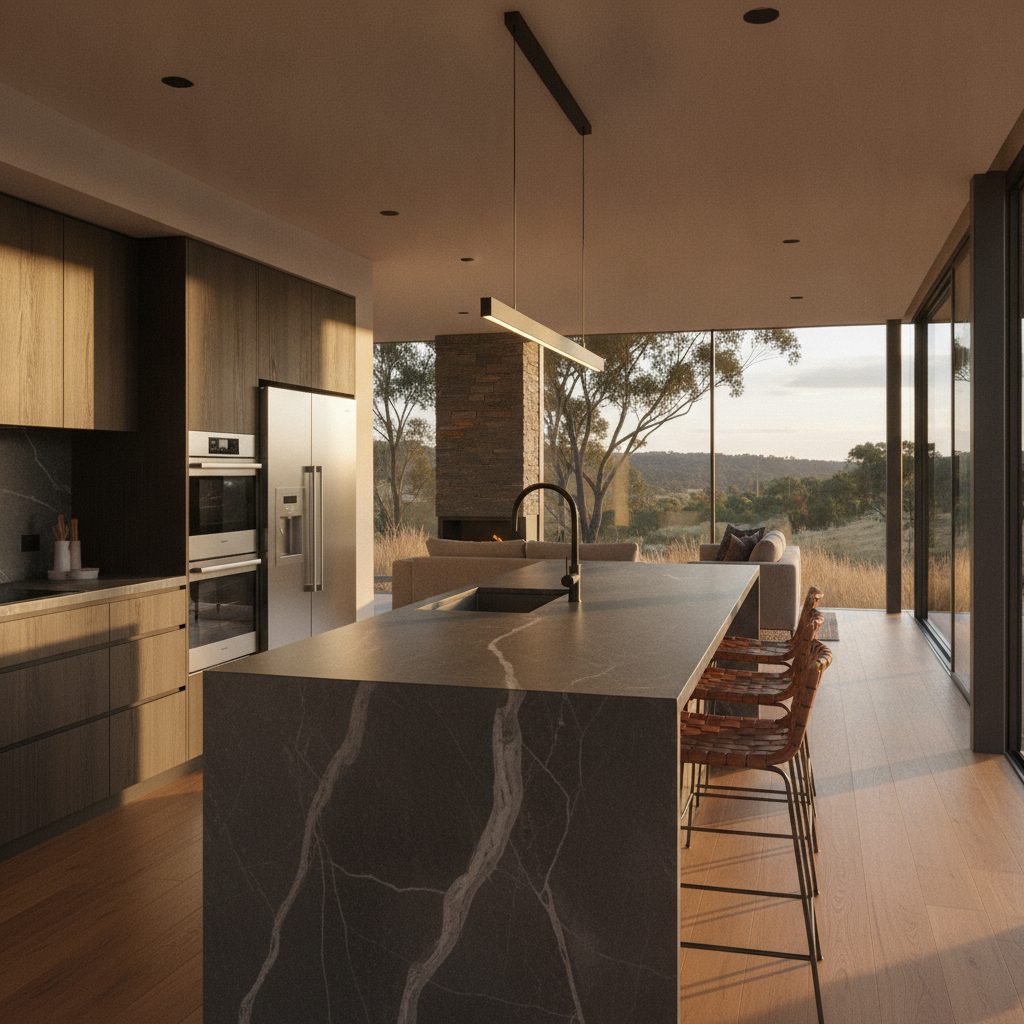
Before you even look at a floor plan, grab a notepad and list the things that frustrate you about your current home. Maybe there is not enough storage in the laundry, or perhaps the kitchen feels isolated from the rest of the house. Use these pain points to drive your customisation. For families with young kids, having a clear line of sight from the kitchen to the backyard is often a top priority. For those who love to host, a large kitchen island bench that flows into the living area can be a real winner.
Think about the future as well. A house that works for a toddler might not work for a teenager. Consider adding a second living area or a multi-purpose room that can start as a playroom and later become a study or a media room. Because kit homes often use steel frames, like those made from BlueScope Steel TRUECORE, you often have more flexibility with internal walls. Steel frames are incredibly strong and can support wider spans, meaning you can have those large, open spaces without needing as many support columns.
The Open Plan Debate: To Open or Not to Open?
Open plan living has been the gold standard in Australian home design for decades. It makes small homes feel larger and keeps the family connected. However, many people are now seeing the value in having some zoned spaces. A completely open home can be noisy and hard to heat or cool. A smart way to customise your kit home is to find a middle ground. You can use sliding doors or half-walls to create zones. This way, you can shut off the TV room or the study when you need some peace, but keep the kitchen and dining area open for socialising.
Think about the flow of traffic through the house. You do not want the main path from the front door to the backyard to go right through the middle of the lounge room where people are trying to relax. Customising your kit home allows you to shift doorways and adjust room sizes to create a more natural flow. It is these small changes that make a huge difference in how the home feels once you move in.
Designing for the Australian Sun
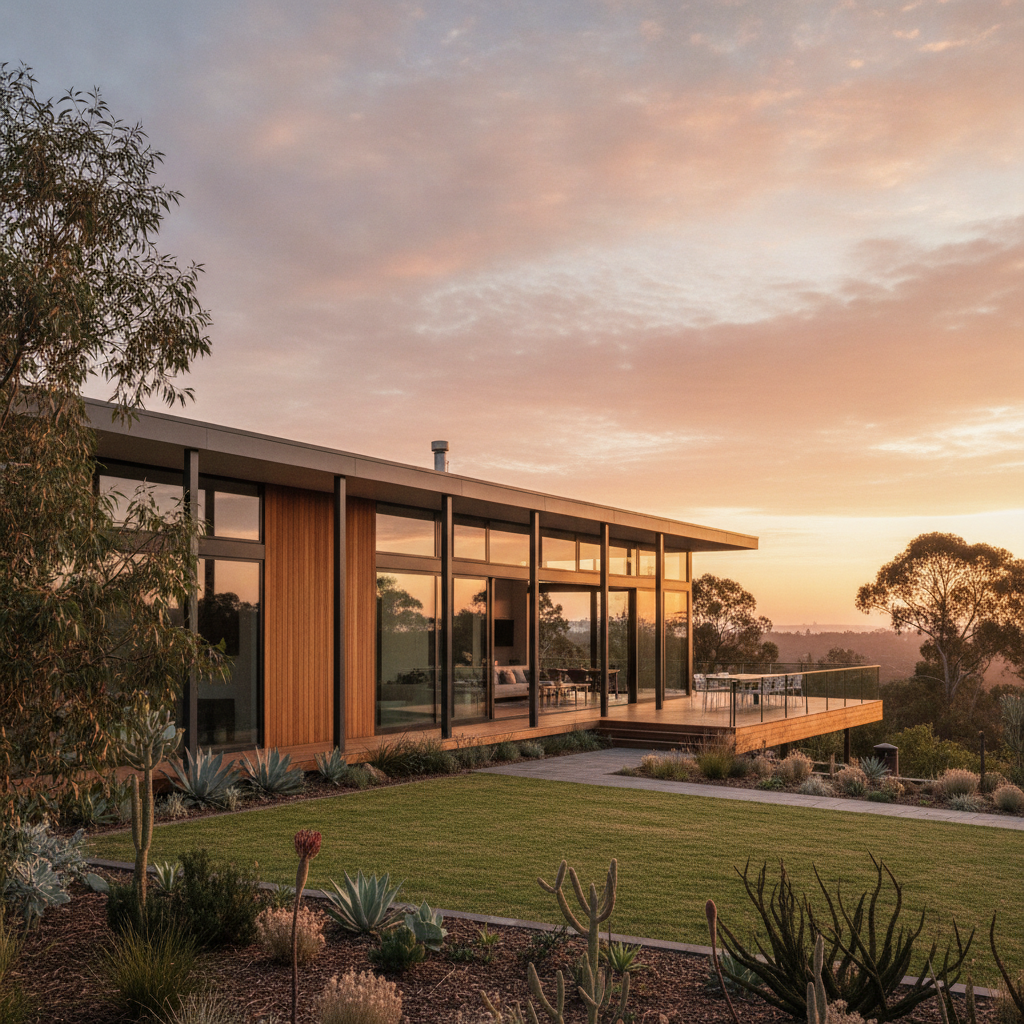
In Australia, the sun is both our best friend and our worst enemy. Getting the orientation of your home right is one of the most vital steps in the design process. A well-oriented home will be warmer in winter and cooler in summer, which makes a big difference in comfort and energy bills. If your block allows for it, try to place your main living areas on the north side of the house. This allows the low winter sun to come in and warm the floors, while eaves can be designed to block out the harsh, high summer sun.
Cross-ventilation is another big factor. Position your windows and doors so that you can catch the afternoon breeze. Louvres are a fantastic Australian choice for this, as they can be adjusted to direct airflow while still maintaining privacy. When you are ordering your kit, you can often specify different window types and placements. Think about where the wind usually comes from on your property and place your openings to make the most of it. This natural cooling can save you a lot of money on air conditioning over the years.
Bringing the Outdoors In
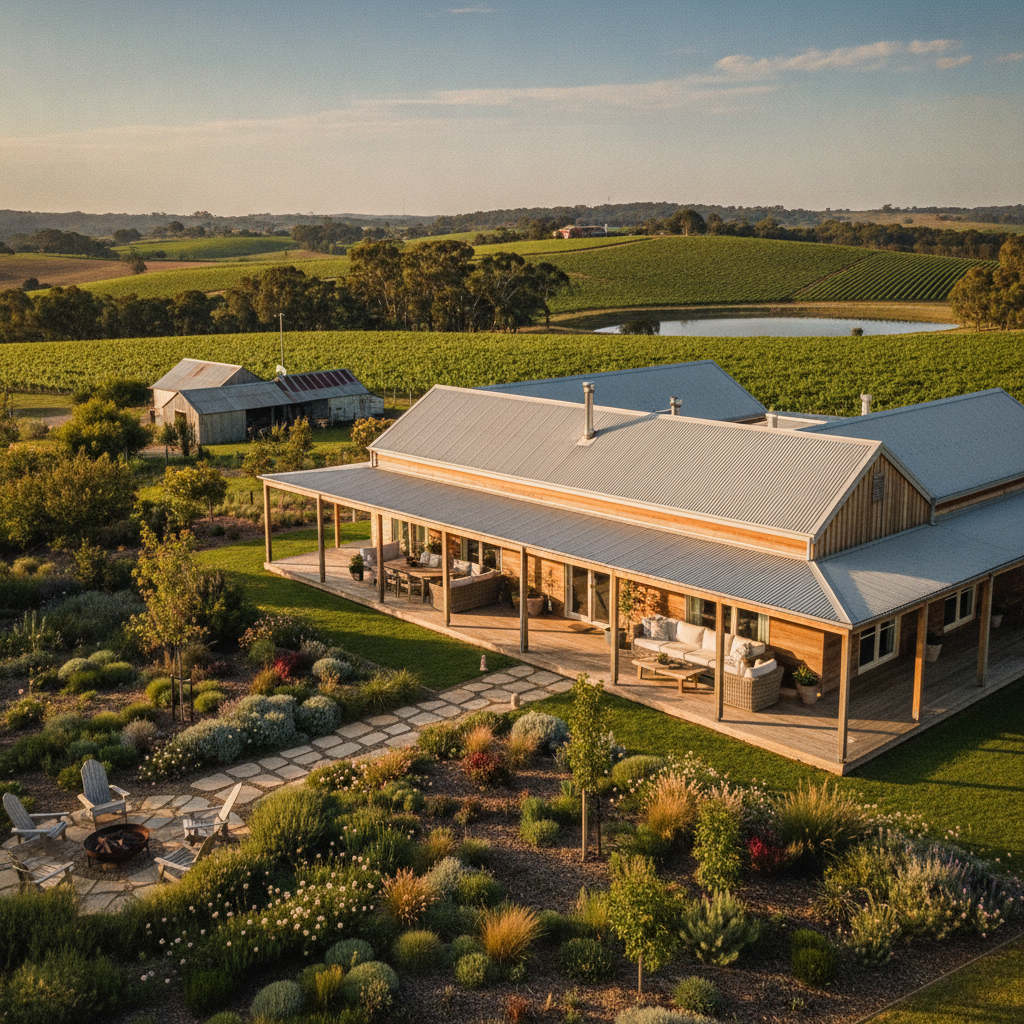
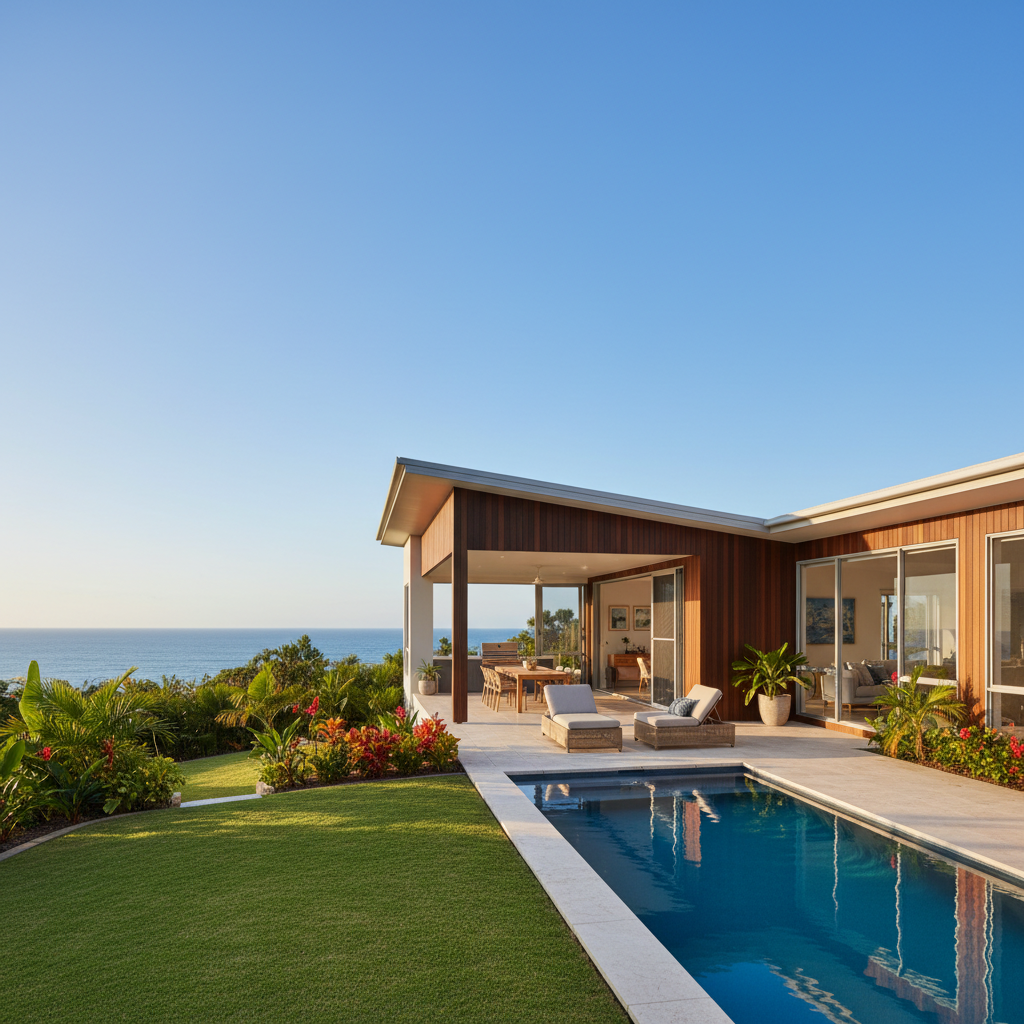
Aussie life is lived on the deck. Whether it is a Saturday night barbie or a quiet Sunday breakfast, having a seamless transition between the indoor and outdoor spaces is a must. Most kit home designs can be modified to include a large verandah or an integrated alfresco area. Using large glass sliding doors or bi-folds can make your living room feel twice as big by opening it up to the deck.
Consider the placement of your outdoor area in relation to the kitchen. Having a servery window from the kitchen to the deck is a practical addition that makes entertaining a breeze. You should also think about the materials you use. Steel frame kits are great for this because they are resistant to termites and borers, which is a major concern for many Australian locations, especially when you are building near bushland or in rural areas.
The Strength of Steel in Custom Design
Using steel frames for your kit home, particularly those using BlueScope Steel TRUECORE, offers some serious advantages for customisation. Steel is incredibly precise. Each piece is manufactured to the millimetre, which means your walls will be straight and your corners will be square. For an owner-builder, this makes the fit-out process much easier. You won't be mucking around trying to fix wonky walls when it comes time to install your kitchen cabinets or tile the bathroom.
The strength-to-weight ratio of steel also allows for those large, sweeping rooflines and wide-open living spaces that many modern Australian homes are known for. It gives you the architectural freedom to have bigger windows and wider doors without needing massive timber beams. Plus, steel is non-combustible, which provides an extra layer of peace of mind in fire-prone areas. It is a durable, long-term choice that stands up well to the harsh Australian environment.
Working from Home and Hobby Spaces
With more people working from home than ever before, a dedicated office space is no longer a luxury, it is a necessity. Instead of just tucking a desk into the corner of a bedroom, think about how you can customise your kit home to include a proper workspace. This might mean adding a small room near the front entrance so you can see clients without them walking through your whole house. Or it could be a quiet nook at the back of the home away from the noise of the kitchen.
If you have a hobby, whether it is sewing, woodworking, or painting, now is the time to build a space for it. A kit home can be easily adapted to include a studio or a larger garage. Because you are the owner-builder, you have the power to decide exactly how these spaces are laid out. Make sure you think about power points, lighting, and data ports during the design phase. It is much easier to get these things right while the steel frames are still exposed than it is to add them later.
Privacy and Noise Control
Privacy is something that often gets overlooked until you actually move in. If you are building on a smaller block or near a busy road, you will want to think about how to shield your home from noise and prying eyes. This can be done through clever window placement, such as using high-set windows that let in light but block the view from the street. You can also use different cladding materials to provide extra sound insulation.
Inside the house, think about the placement of bedrooms. It is often a good idea to separate the master bedroom from the other bedrooms to give everyone a bit of space. Placing a bathroom or a walk-in robe between two rooms is a simple way to create a sound buffer. If you have a media room, you might want to look at extra insulation in those internal walls to keep the movie sounds from waking up the rest of the house.
Planning for the Future
We do not always stay the same age, and neither do our families. Customising your kit home for the long term is a smart move. This is often called universal design. It means making small choices now that will make the house easier to live in as you get older. This could include wider doorways, walk-in showers with no hob, and lever-style door handles. These things do not have to look like they belong in a hospital, they can be very stylish and modern.
Even if you are not planning on staying in the house forever, these features can add a lot of value when it comes time to sell. A home that is easy for everyone to use, regardless of their age or ability, is always going to be in demand. By taking the time to think about these details now, you are creating a home that is truly functional for the long haul.
Getting Hands-On as an Owner-Builder
Being an owner-builder is a massive undertaking, but it is also incredibly fulfilling. When you buy a kit home, you are taking charge of the process. You get the frames, roofing, cladding, and windows, and then you arrange the site works and the trades to finish it off. This hands-on approach means you know exactly what is going into your home. You know the quality of the insulation, the strength of the steel, and the care that went into the finish.
It also means you can choose where to spend your energy. If you are handy with a hammer, you might do a lot of the internal fit-out yourself. If you prefer to manage the project, you can hire local tradies to do the heavy lifting. The key is to stay organised and have a clear plan. Because the kit arrives with pre-punched holes for electrical and plumbing in the steel frames, it makes the job much quicker for your sparky and plumber. This kind of efficiency is what makes the kit home process so appealing to many Australians.
Final Thoughts
Customising a kit home is all about making choices that align with your lifestyle and the Australian environment. From the strength and precision of steel frames to the way the sun hits your living room, every decision you make helps to create a space that feels like home. By focusing on practical layouts, outdoor integration, and future-proofing, you can build a house that not only looks great but works perfectly for your family. Taking the lead as an owner-builder allows you to put your own stamp on the project and ensures that the end result is something you can be proud of for years to come. With a bit of planning and a clear vision, your kit home can be the perfect base for your Australian dream.