The Allure of the Australian Acreage Lifestyle
There is something deeply ingrained in the Australian psyche about the dream of a rural retreat. Whether it is a sprawling cattle property in the Darling Downs, a boutique vineyard in the Hunter Valley, or a quiet bush block in the Margaret River region, the desire for space, privacy, and a connection to the landscape is stronger than ever. For many Australians, kit homes have become the preferred path to achieving this dream, offering a blend of design flexibility and the hands-on satisfaction of owner-building.
Building on a large plot of land offers opportunities that suburban blocks simply cannot match. You aren't just building a house; you are curated a lifestyle. In this guide, we will explore how to design a kit home that celebrates the great Australian outdoors, sits harmoniously within its environment, and provides the modern comforts required for contemporary rural living.
Connecting Design with the Landscape
When you have hectares of land to play with, the orientation of your home becomes your most important design decision. Unlike a suburban street where your front door must face the road, an acreage property allows you to pivot your home to follow the sun and the views.
Passive Solar Design for Rural Comfort
Australia is a land of extremes. To ensure your rural retreat remains a sanctuary year-round, passive solar design should be at the heart of your floor plan. This involves orienting the long axis of your home to the north. By doing so, you allow the low winter sun to penetrate deep into your living spaces, naturally warming the home. In summer, well-designed eaves and wide verandahs block the high-angle sun, keeping the interior cool and breezy.
Framing the View
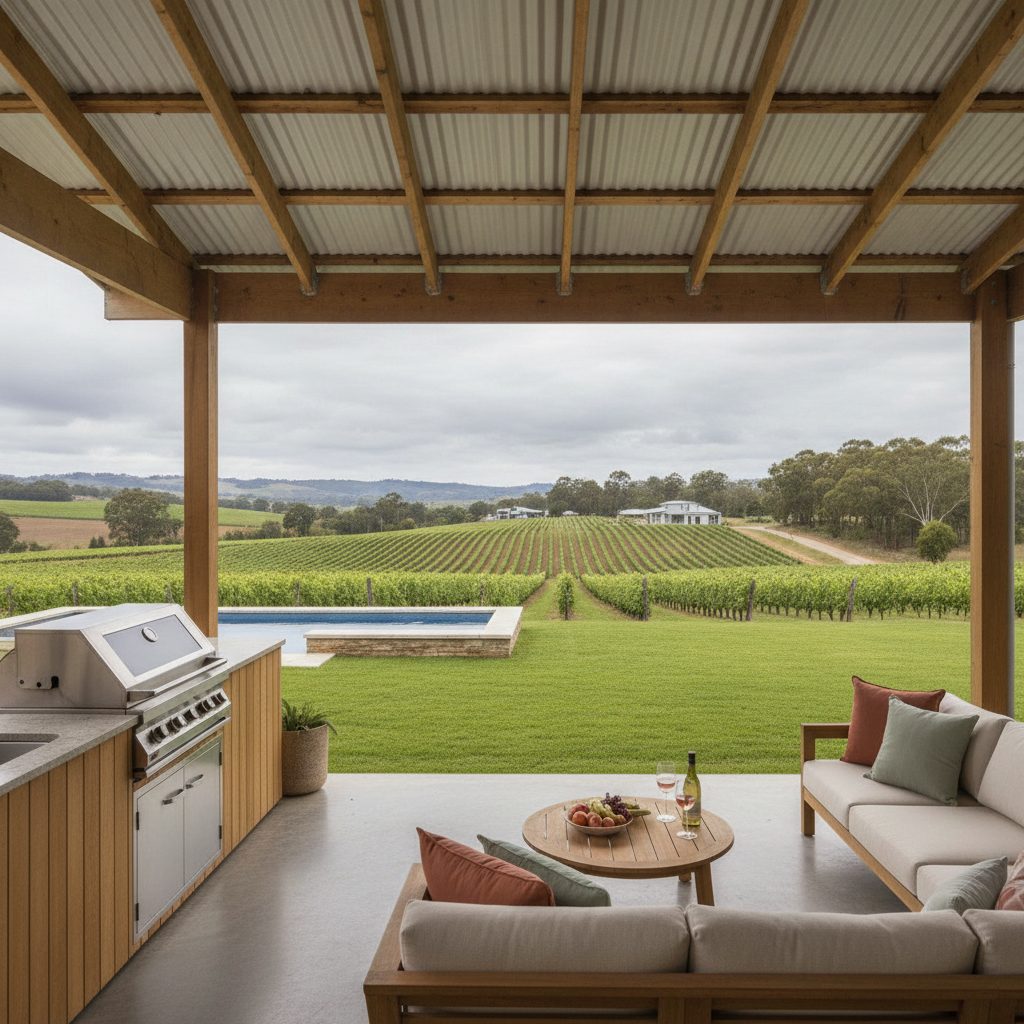
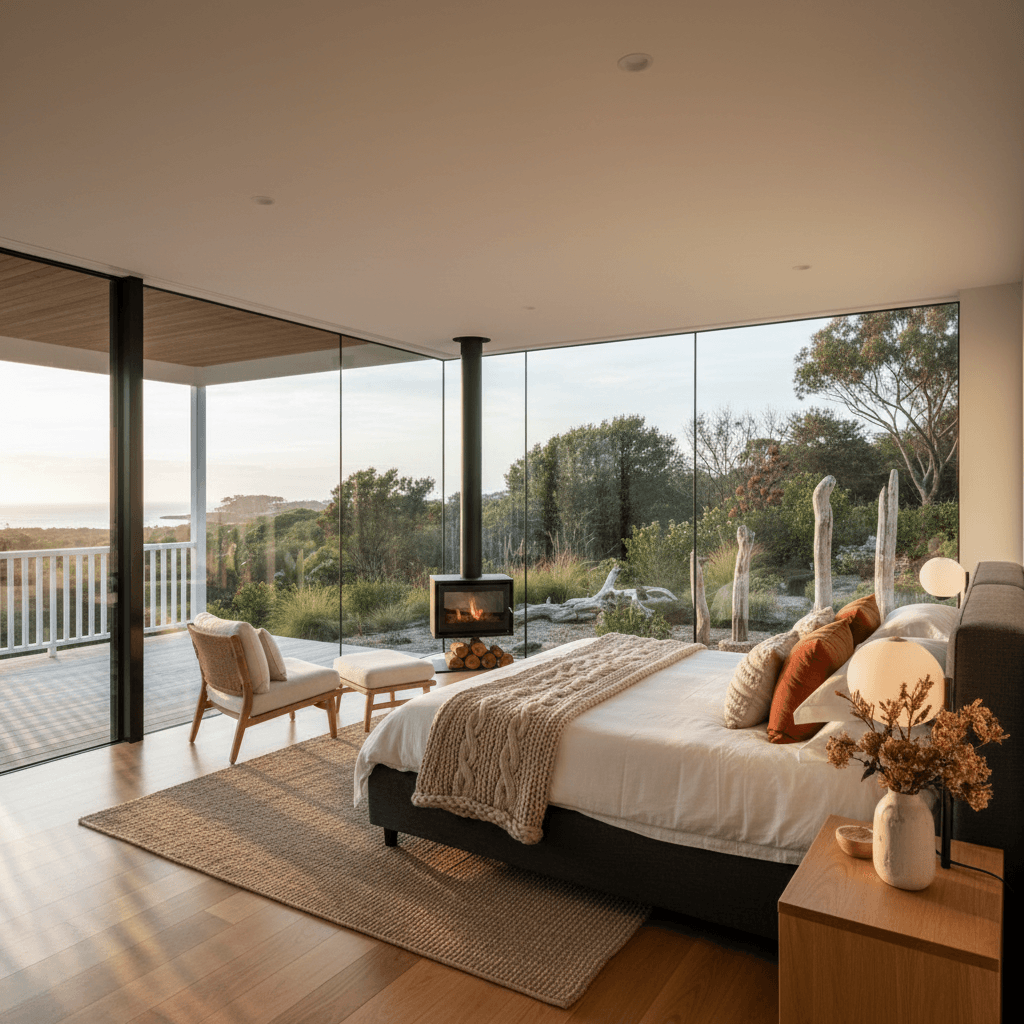
Why move to the country if you aren't going to look at it? When selecting your kit home design, consider the placement of windows and glass sliding doors. Large, high-quality windows act as moving picture frames for your landscape. Consider a design that features an open-plan living area that flows directly onto an outdoor deck, blurring the lines between your indoor sanctuary and the natural world outside.
Iconic Features of the Australian Rural Kit Home
Rural architecture in Australia has a distinct vernacular that is both practical and beautiful. When browsing kit home designs for your farm or acreage, look for these key lifestyle features:
The Wrap-Around Verandah
The verandah is more than just an architectural feature; it is a way of life. It provides a transition zone between the dusty outdoors and the clean interior. A wide, deep verandah offers a shaded spot for a morning coffee, a dry place to kick off work boots, and an essential buffer against the heat. Many classic rural kit home designs utilize the verandah to create a continuous outdoor walkway that keeps the entire perimeter of the home shaded.
Mudrooms and Practical Entryways
Life on a property involves boots, dogs, and gear. One of the best tips for anyone planning a rural kit home is to include a dedicated mudroom or a large, functional laundry near the rear entrance. This allows you to transition from "farm mode" to "home mode" without bringing the outdoors inside with you.
High Ceilings and Open Airflow
To capture those cooling country breezes, look for designs that offer high ceilings. They create a sense of volume and luxury, making even a modest footprint feel like a manor. Coupled with strategically placed windows for cross-ventilation, your home will feel fresh and airy even during the height of a Queensland or Victorian summer.
The Strength of Steel in the Australian Bush
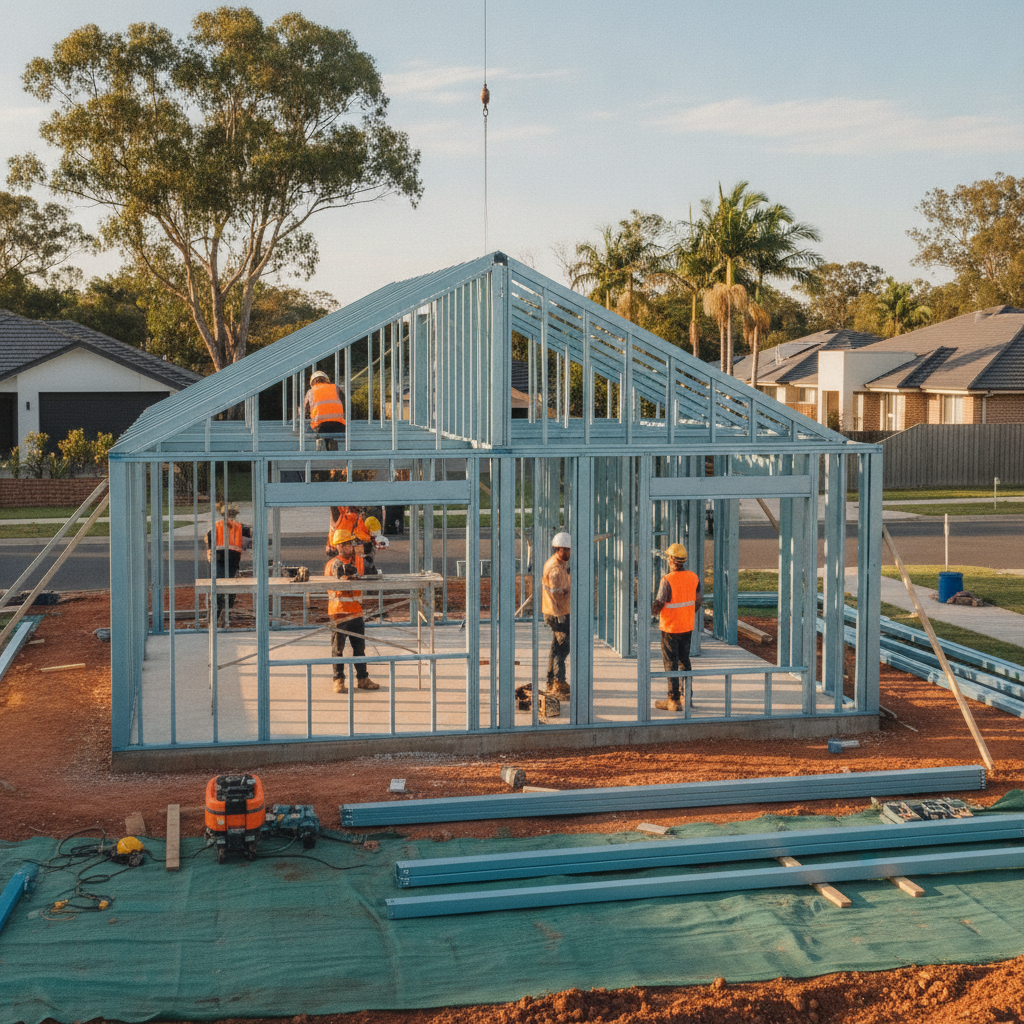
When building in rural areas, the choice of materials is vital. This is where steel frames, such as those made from TRUECORE steel, really shine. Rural properties are often more susceptible to environmental factors like termites and bushfires. Steel frames are termite-proof and non-combustible, providing peace of mind for those building in more remote or timbered areas.
Furthermore, steel frames are incredibly precise. For an owner-builder, this means the bones of the house are straight and true, which makes the subsequent stages of fitting out the home much smoother. The lightweight nature of steel frames also makes them easier to transport to remote regional sites where access might be a challenge for heavy traditional building materials.
Lifestyle Tips for the Aspiring Owner-Builder
Taking the leap into owner-building is an empowering journey, but it requires careful preparation, especially on rural sites. Here are some practical tips to keep your project on track:
- Site Access: Before your kit arrives, ensure your property has an access track capable of handling a large crane truck. Rural tracks can turn to mud quickly after rain, so consider putting down some road base early on.
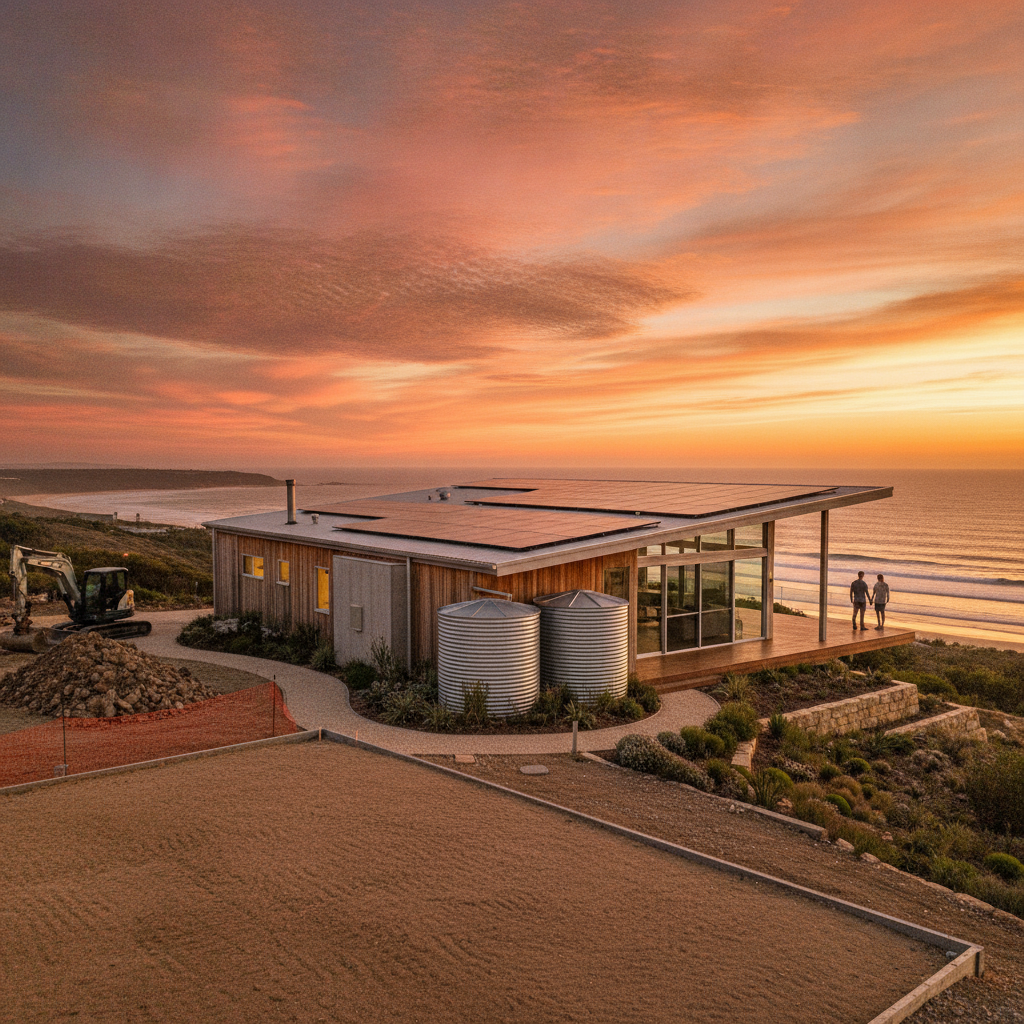
- Water and Services: Most acreage properties aren't connected to town water or sewerage. Plan your rainwater tank harvest capacity early, and work with your plumber to determine the best location for an aerobic treatment unit or septic system.
- Staging Your Build: If you are doing a lot of the work yourself, consider setting up a comfortable caravan or a small shed on-site first. Having a base of operations makes those long weekends of painting or flooring much more bearable.
- Local Knowledge: Get to know your local trades. Even if you are an owner-builder, you will need licensed plumbers and electricians. Local contractors often have the best advice for building in your specific soil types and weather conditions.
Trends in Modern Rural Design
The current trend in Australian rural housing is moving away from the "mansion on the hill" and toward "human-scale" living. We are seeing a surge in interest for smaller, more efficient floor plans that emphasize quality over quantity. Think high-end finishes, sustainable materials, and a focus on craftsmanship.
Industrial farmhouse aesthetics continue to be popular, combining dark metal cladding with warm timber accents. This look is perfectly suited to steel frame kit homes, which can easily support the large spans required for cathedral ceilings and expansive glass walls. Another growing trend is the multi-generational property, where a secondary kit home or "granny flat" is built on the same acreage to house aging parents or adult children, providing privacy while keeping the family close together.
Final Thoughts on Your Rural Journey
Building a kit home on an Australian acreage property is about more than just four walls and a roof. It is about creating a legacy and a place where you can slow down and reconnect with what matters. By choosing a design that respects the land, utilizes durable materials like steel frames, and focuses on the unique needs of a rural lifestyle, you are setting yourself up for a lifetime of enjoyment.
Whether you are at the beginning of your search or ready to pull the trigger on a floor plan, remember that the most successful homes are those that reflect the people who live in them. Take your time, walk your land at different times of the day, and imagine where your favorite chair will sit. Your dream rural retreat is waiting.