The Great Shift to the Scrub
City life in Sydney or Melbourne has become a recurring nightmare of traffic snarls and postage-stamp backyards. People are fed up. I see it every week, families packing up their lives to find five acres in the Huon Valley or a quiet patch behind Coffs Harbour. This isn't some fleeting whim. It is a calculated move toward sanity. But once you buy that dirt, you hit a wall. Local builders in regional towns are often booked out until the next decade, or they'll quote you a price that makes your eyes water because they've got enough work to pick and choose. That is where the kit home reality starts to look like the only path forward for the modern tree-changer.
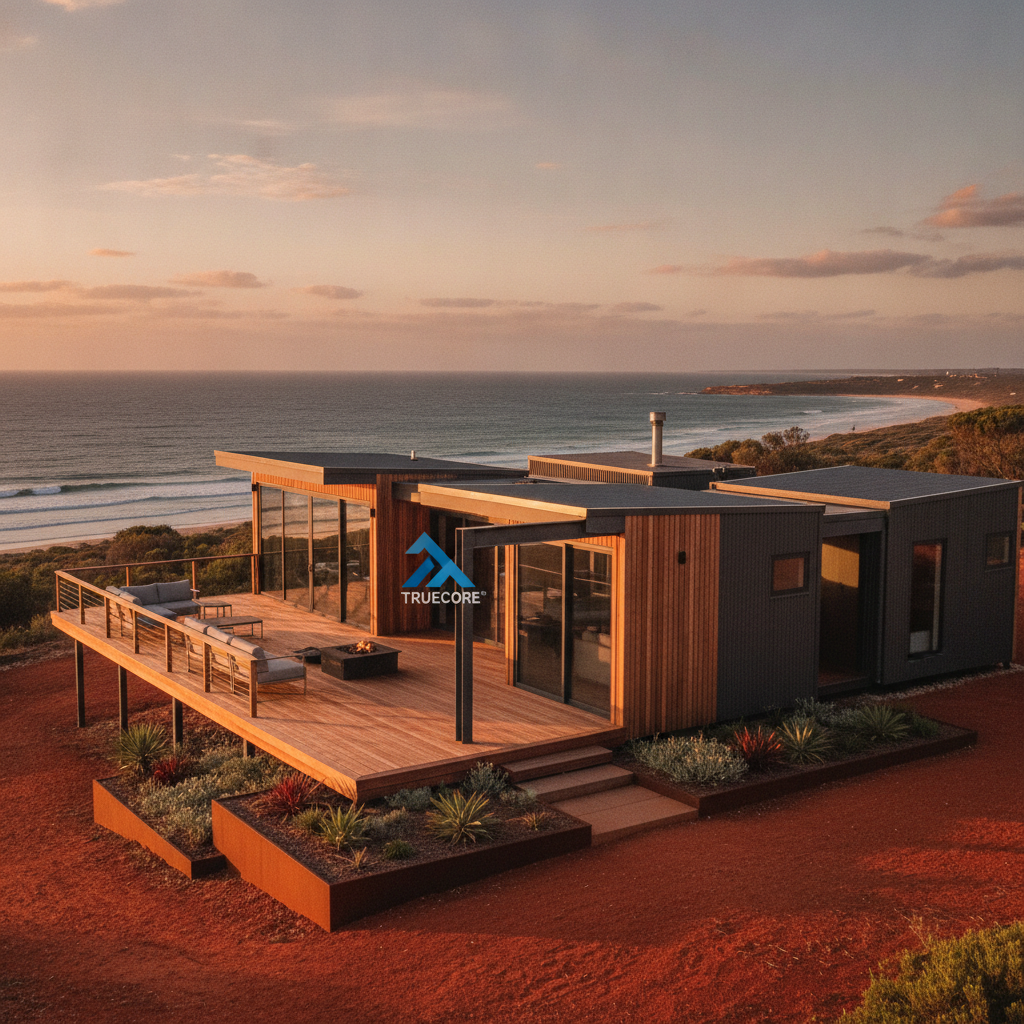
A kit home isn't a silver bullet, but it solves the logistics headache of regional building. You aren't chasing twenty different suppliers for every stud and rafter. You get a truck arriving on site with your TRUECORE steel frames, the roof, the cladding, and every window and door you need to get the shell to lock-up. It shifts the power back to the owner-builder. You aren't at the mercy of a builder’s markup on materials. Instead, you're the project manager, the one holding the clipboard and calling the shots.
The Steel Advantage in the Australian Bush
Termites. They are the silent assassins of the Australian bush. If you're building in a regional area, especially anywhere north of the Victorian border, timber-hungry pests are a genuine threat. I’ve seen old farmhouses where the only thing holding up the plasterboard was the paint. Using a steel frame kit is common sense here. Termites won't touch it. It’s also straight. Timber moves, it bows, and it has knots that make your life hard when you’re trying to get a dead-flat finish on your gyprock. Steel is engineered to the millimetre. It stays straight forever.
Then there’s the fire factor. Most regional blocks come with a BAL (Bushfire Attack Level) rating. If you’re building in a BAL-29 or BAL-40 zone, your material choices are strictly governed by AS 3959. Steel is non-combustible. When you're standing on your new deck looking out at the gums, knowing your main structural components won't contribute to a fuel load gives you a bit more sleep at night. It’s a practical response to the Australian climate, not just a design choice.
Tips for the Regional Owner-Builder
Managing a site three hours from the nearest major hardware store requires a different brain. You can't just nip out to grab a box of tech screws you forgot. Here’s how you actually get it done without losing your mind:
- Site Access is King: Before that semi-trailer turns up with your kit, make sure your driveway can actually handle it. I’ve seen trucks get bogged 50 metres from the house pad because the owner thought "it'll be right" after a bit of rain. Fix your access first.
- The Slab Must Be Spot On: Steel frames have zero tolerance for a dodgy slab. If your concrete is out by 15mm across the width, your frames won't sit right and your roofline will look like a dog's hind leg. Hire the best concretor in the district. Don't go for the cheapest quote on the slab.
- Staging your Trades: In the bush, sparkies and chippies move at their own pace. Get them locked in months before you think you need them. And have a clear staging area for your materials. Keep your BlueScope steel off the wet ground. Use some high-quality tarps. Wind is your enemy on an open site, so weigh those suckers down with something heavy.
The Myth of the Weekend Project
Let's be real for a second. Building a kit home as an owner-builder is a massive undertaking. It is not something you just knock over in three weekends between footy matches. It is a slow burn. You'll spend your Saturday mornings reading the National Construction Code (NCC) Volume 2 to make sure your handrail heights are legal. You’ll be on the phone to council planners who seem to speak a different language. But there is a massive sense of pride in it. When you're finally sitting under your veranda with a cold one, knowing the exact placement of every noggin in the wall, it feels different than just buying a finished house.
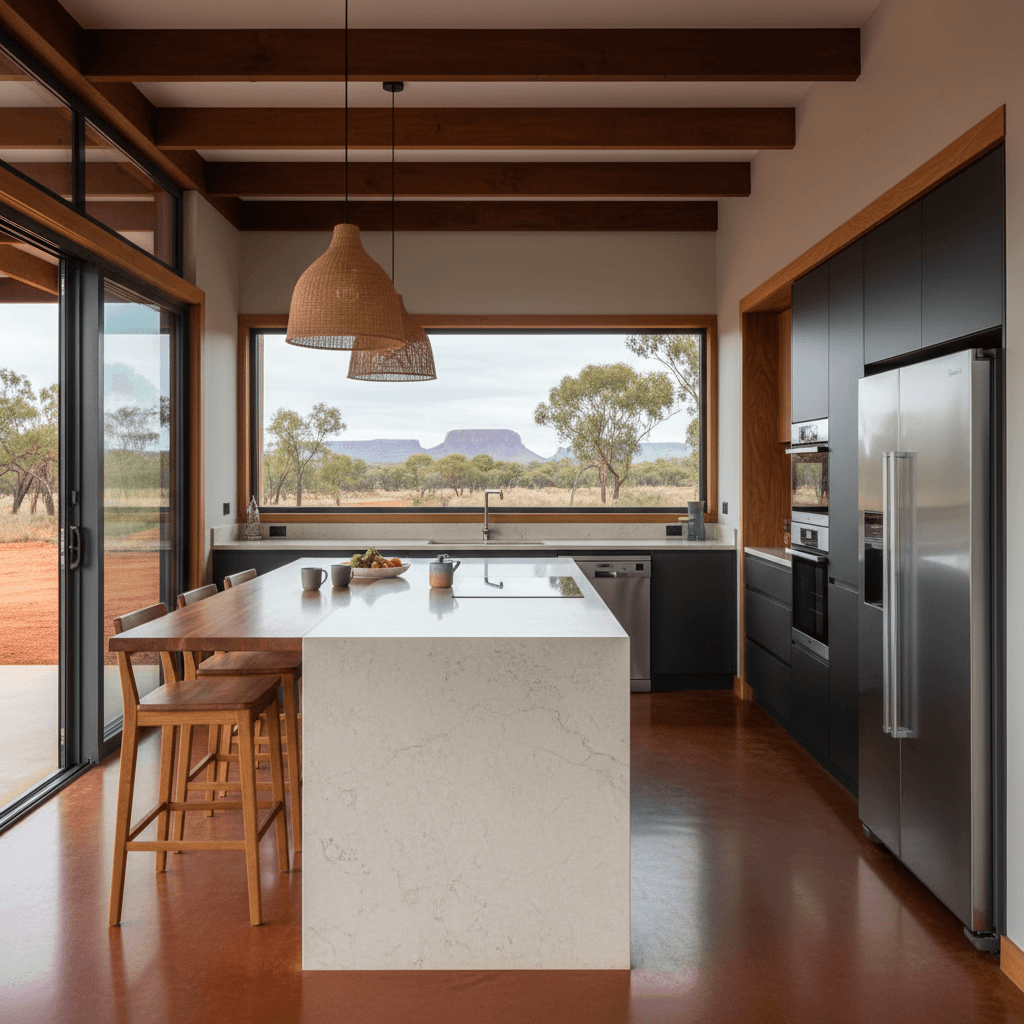
Plus, you get to choose exactly what goes inside. The kit gets you to lock-up. That means the exterior is done. Inside, you’re the boss. You want that specific stone benchtop from that warehouse you saw in the city? Go for it. You want high-end insulation that exceeds the minimum R-value because you know how cold the New England winters get? You can make that call. It's about control over the quality of your finish.
Navigating Council and BAL Ratings
The paperwork side of a tree-change is the part everyone ignores until they're neck-deep in it. Every council has their own quirks. Some are kit-home friendly, others act like you're trying to build a spaceship. You need to get your DA (Development Application) or CDC (Complying Development Certificate) sorted early. Because kit homes are pre-engineered, we provide the structural plans which usually makes the engineering side of the council approval much simpler. It’s one less thing for them to argue about.
If you're in a high bushfire zone, your windows and doors need to meet specific toughened glass requirements. Our kits include these components, which keeps the inspectors happy. But don't forget the bits the kit doesn't cover, like your septic system or water tanks. If you're going regional, you're likely off the mains. You need to calculate your water usage and tank storage before you even clear the site.
Is the Regional Life for You?
I reckon the biggest mistake people make is underestimating the isolation. It’s quiet out there. Sometimes too quiet. But if you’re the type who likes to get your hands dirty, who gets a kick out of seeing a structure rise from a flat piece of dirt, then being an owner-builder is the ultimate way to start your new life. You aren't just moving house. You're building the future you actually wanted. Just remember to bring a decent spirit level, a heavy-duty drill, and plenty of patience. You’re going to need all three.
The trend towards regional living isn't slowing down. As long as the city stays cramped and the internet stays fast enough for remote work, people will keep heading for the hills. A steel-framed kit home provides the bridge between the dream of the bush and the technical reality of building a house that will actually last a hundred years in the harsh Australian sun.