The Myth of the Drafty Weekender
Walk into a fibro shack built in 1970 on a July morning in Orange or Lithgow and you'll feel the frost right through your thickest woolly socks. We used to build like that in Australia. We'd slap up some materials and hope the air conditioner or the wood fire did the heavy lifting. But times have changed. If you're looking at kit homes today, you're not just buying a shell. You're designing a machine for living that needs to handle 40-degree heatwaves and those biting southerly winds without costing you a fortune in power bills. Designing for the Australian climate isn't about fancy gadgets. It's about orientation, insulation, and choosing materials that don't rot or attract termites.
Orientation is Free, Use It
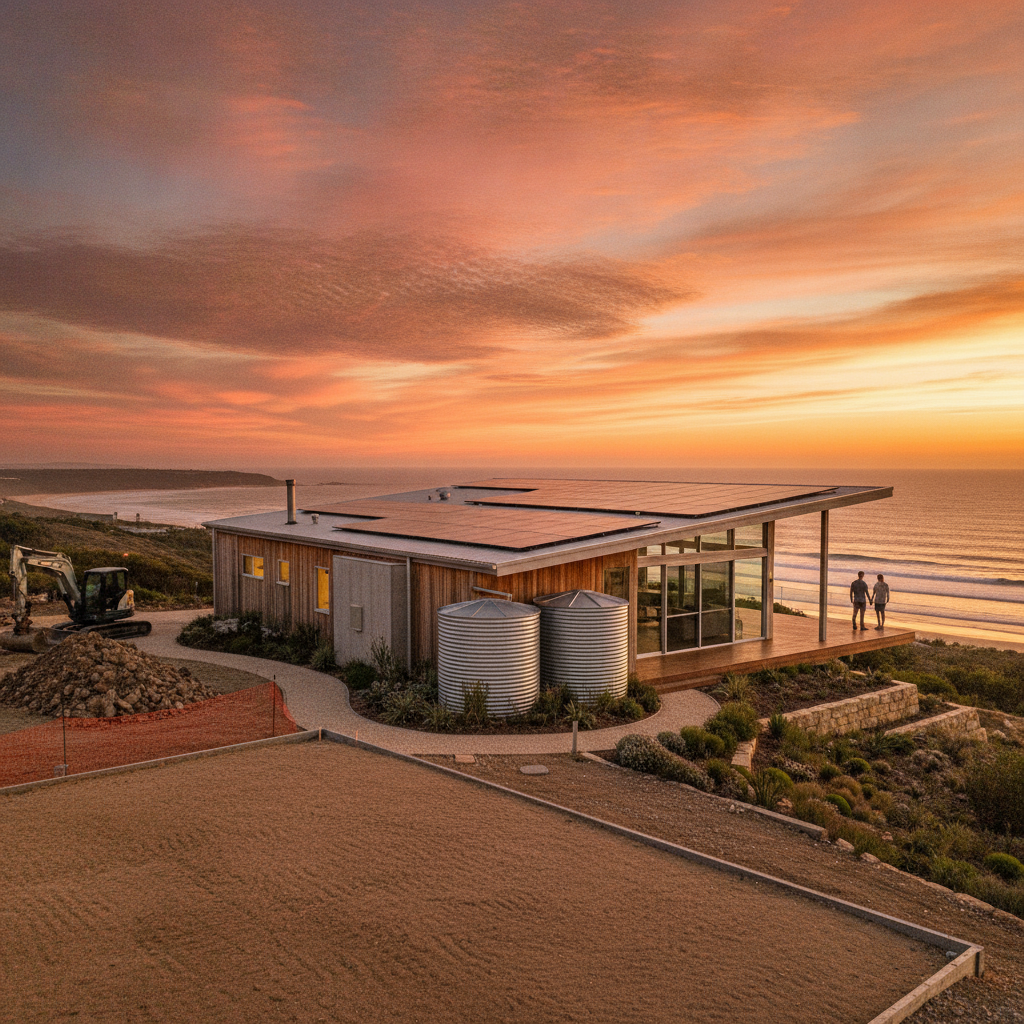
I see it all the time with owner-builders. They get so caught up in the floor plan that they forget where the sun actually sits in the sky. You could have the most expensive double-glazed windows in the world, but if they're all facing west in a suburb like Penrith or out near Dubbo, you're going to bake. It's that simple. When you're picking your kit home design, look at where your living areas are. You want those big glass doors and windows facing north. This lets the low winter sun creep in and warm your floor, while a decent eave will block the high summer sun. Don't just plonk the house in the middle of the block because it looks 'straight' with the fence. Twist it. Angle it. Get that northern light. Your bank account will thank you when the winter heating bill arrives.
The Steel Frame Advantage
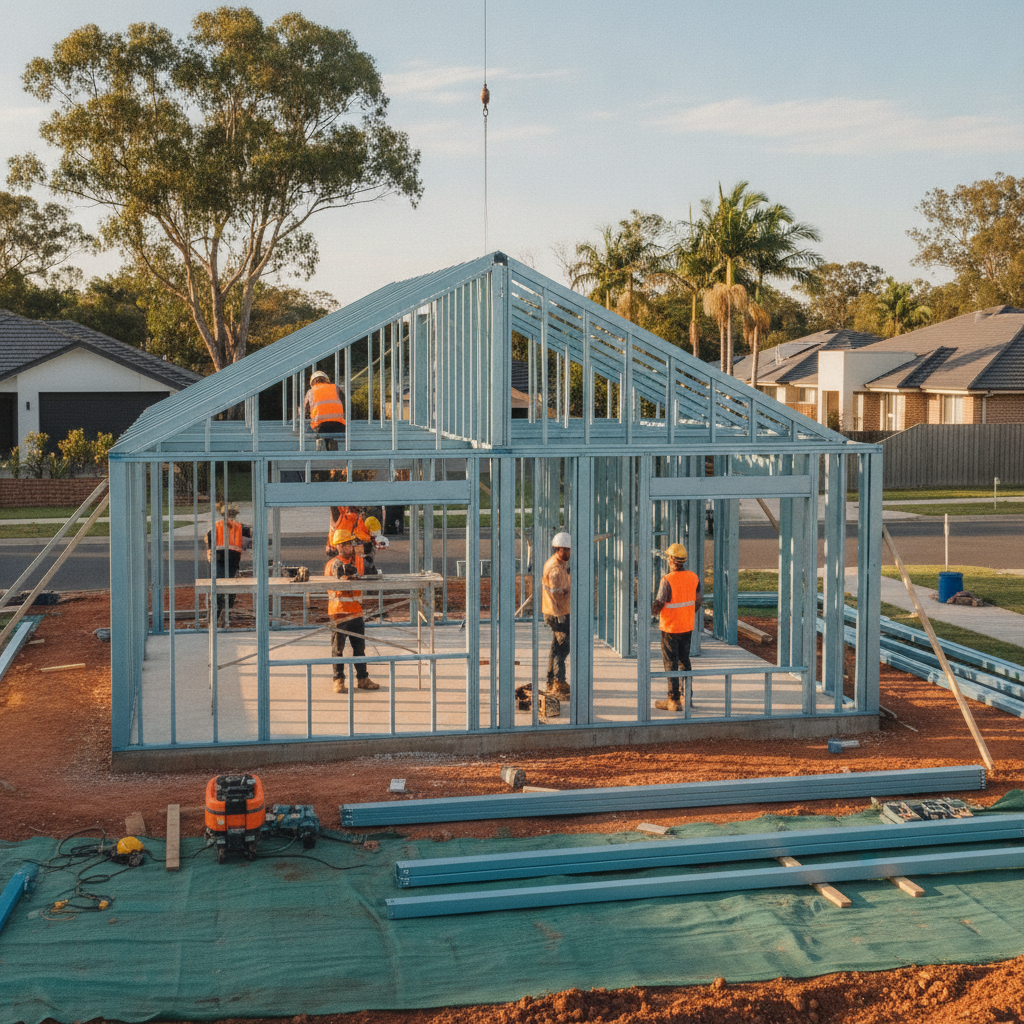
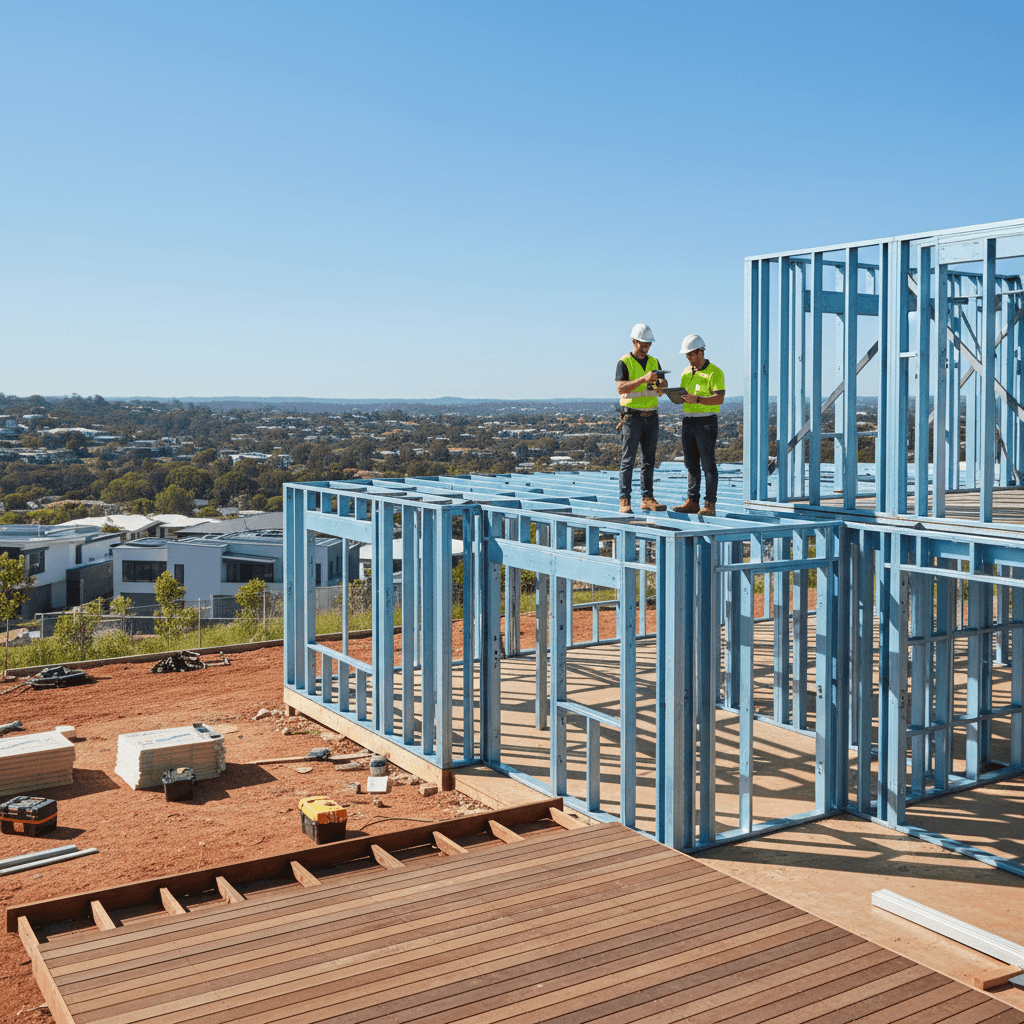
Let's talk about the skeleton. Using a kit with BlueScope TRUECORE steel frames isn't just about speed. It's about precision. Wood moves. It warps, it bows, and it gets eaten by white ants if you aren't vigilant. Steel stays dead straight. This matters more than you think for energy efficiency. Why? Because when your frames stay straight, your window and door seals actually stay tight. No gaps mean no drafts. Plus, if you're building in a Bushfire Attack Level (BAL) rated zone, steel gives you a massive leg up on safety. We use it because it's reliable. It doesn't off-gas like some treated timbers either, which is a win for indoor air quality if you're sensitive to that stuff.
Insulation: Don't Skimp on the Pink Stuff
Most kits come with a standard insulation package, but if you're the one managing the build, this is where you can really level up. Standard R-values are a minimum, not a target. I tell people to go bigger. Put R2.5 in the walls and at least R5.0 in the ceiling. And don't forget the thermal break on your steel studs. Because steel conducts heat, you need that thin layer of foam or specialized wrap between the frame and your cladding. It stops the heat from 'bridging' directly into your living room. It's a small detail that owner-builders often overlook in the rush to get the roof on, but it makes an enormous difference in how the house feels at 2pm on a February afternoon.
The Power of Cross Ventilation
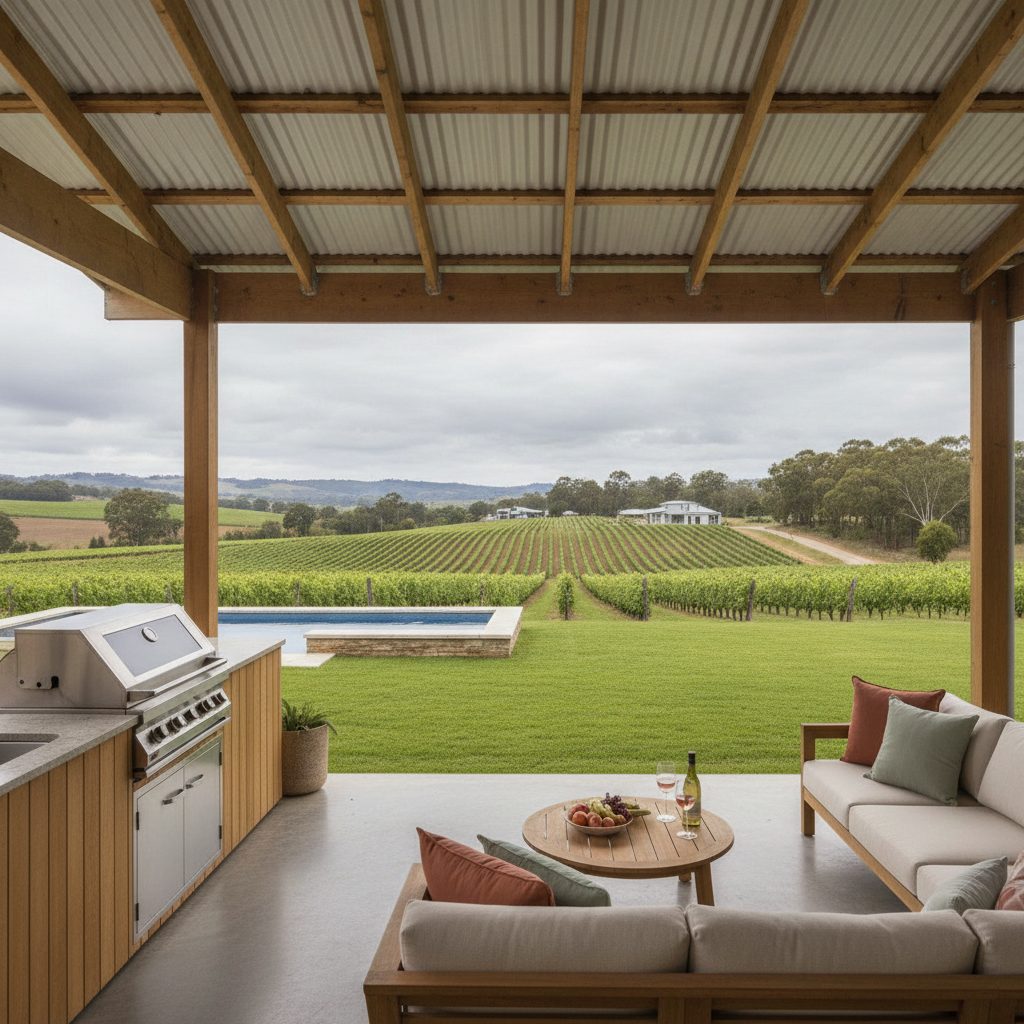
Think back to the old Queenslanders. They had it right with those long central hallways and big louvered windows. You want to encourage the 'stack effect'. Even in a modern kit home, you can achieve this. Place your windows on opposite sides of the room to catch the breeze. If you can, put a highlight window up high. Hot air rises. If you give it a way to escape near the ceiling, it'll pull cooler air in from the shaded side of the house. It's basic physics, but we often ignore it for the sake of a 'clean' look. Don't. You'll want that breeze when the humidity hits 80 percent.
Smart Material Choices for the Aussie Elements
The skin of your home takes a beating. Between the UV rays that peel paint in a single season and the salt spray if you're lucky enough to be near the coast, your cladding choice is vital. Colorbond roofing is the gold standard for a reason. It reflects a huge amount of heat, especially if you pick the lighter shades like Surfmist or Shale Grey. Dark roofs look moody and cool on Instagram, but they act like a giant radiator sitting on top of your head. Stick to the lighter end of the palette. Your AC unit won't have to work half as hard.
Owner-Builder Tip: The Slab Matters
If you're doing a kit home on a concrete slab, think about polished concrete in your main living zones. It's not just a design trend. It's thermal mass. That concrete soaks up the sun during the day and slowly releases it when the sun goes down. It's like a battery for heat. If you cover it with thick carpet, you lose that benefit. Keep the floor bare in the sunny spots. It’s practical, easy to clean, and looks sharp.
Technical Nuance: AS 3959 and You
If you're building in Australia, you need to know your BAL rating. It's part of AS 3959. This isn't just red tape. It dictates what windows you can buy and whether you need mesh screens on every opening. Kit homes are great here because steel is non-combustible. But you still need to be smart. Don't build a beautiful sustainable home and then surround it with flammable mulch right up to the walls. Use river stones or pebbles. Keep the garden beds a few meters back. It’s about the whole lifestyle, not just the four walls.
Finishing Touches that Breathe
When you get to the fit-out stage, which you'll be managing as the owner-builder, look at Low-VOC paints. New houses have that 'new house smell', which is actually just chemicals leaking out of the glue and paint. If you’ve built a tight, energy-efficient shell, you don’t want to trap those fumes inside. Look for the GECA (Good Environmental Choice Australia) label on your supplies. It costs a few bucks more at the counter, but you're breathing that air every night while you sleep. Worth it? I reckon so.
Building your own place is a massive slog. You’ll have days where you’re sick of the mud and the tradies not showing up on time. But when you’re sitting in a lounge room that’s perfectly temperate without the hum of an aircon, watching the sun hit the light-coloured cladding, you’ll realize the extra thought you put into the design phase was the best investment you ever made. A kit home is a canvas. Just make sure you’re painting a picture that actually works with the Australian sun, not against it.