The Regional Shift in Australian Housing
Australia is seeing a massive shift in where people choose to live. The pull of the city is fading for many, replaced by the desire for open spaces, cleaner air, and a slower pace of life. This movement, often called the tree-change, has sparked a renewed interest in how we build our homes, especially in regional areas where traditional building methods can sometimes be tricky. People are looking for ways to build that give them more control over the process, and that is where the kit home shines.
Choosing to move to the country is a big step. It is about more than just a new address; it is about a different way of living. When you buy a block of land in a regional town or on a rural property, the next big question is how to get a house on it. Building in the bush or on the coast brings its own set of challenges, from finding local builders who are available to managing the delivery of materials. Kit homes have become a popular solution because they simplify the supply chain while giving owner-builders the freedom to manage their own project.
Understanding the Kit Home Concept
A kit home is a building system where the main components of the house are manufactured off-site and delivered to your land ready for assembly. This is not about getting a finished house dropped onto a block. Instead, it is about receiving a high-quality package of materials that forms the shell of the home. For most Australian kit homes, this includes the wall frames, roof trusses, external cladding, roofing iron, windows, and doors. Some packages also include insulation and internal lining.
The beauty of this system is that it takes the guesswork out of the initial build phase. You do not have to worry about whether you have ordered enough timber or if the windows will fit the openings. Everything is designed to work together. For a tree-changer sitting on a few hectares of land two hours from the nearest major city, having a complete package of frames and cladding delivered in one go is a massive advantage.
Why Regional Blocks are Perfect for Kit Homes
Regional land often offers more space, which is a dream for those used to cramped city suburbs. However, more space can mean more isolation. Getting individual trades to drive out to a remote site every day for six months can be difficult and expensive. This is why many people in regional Australia look toward the owner-builder model. By taking on the role of the project manager, you can coordinate the build on your own terms.
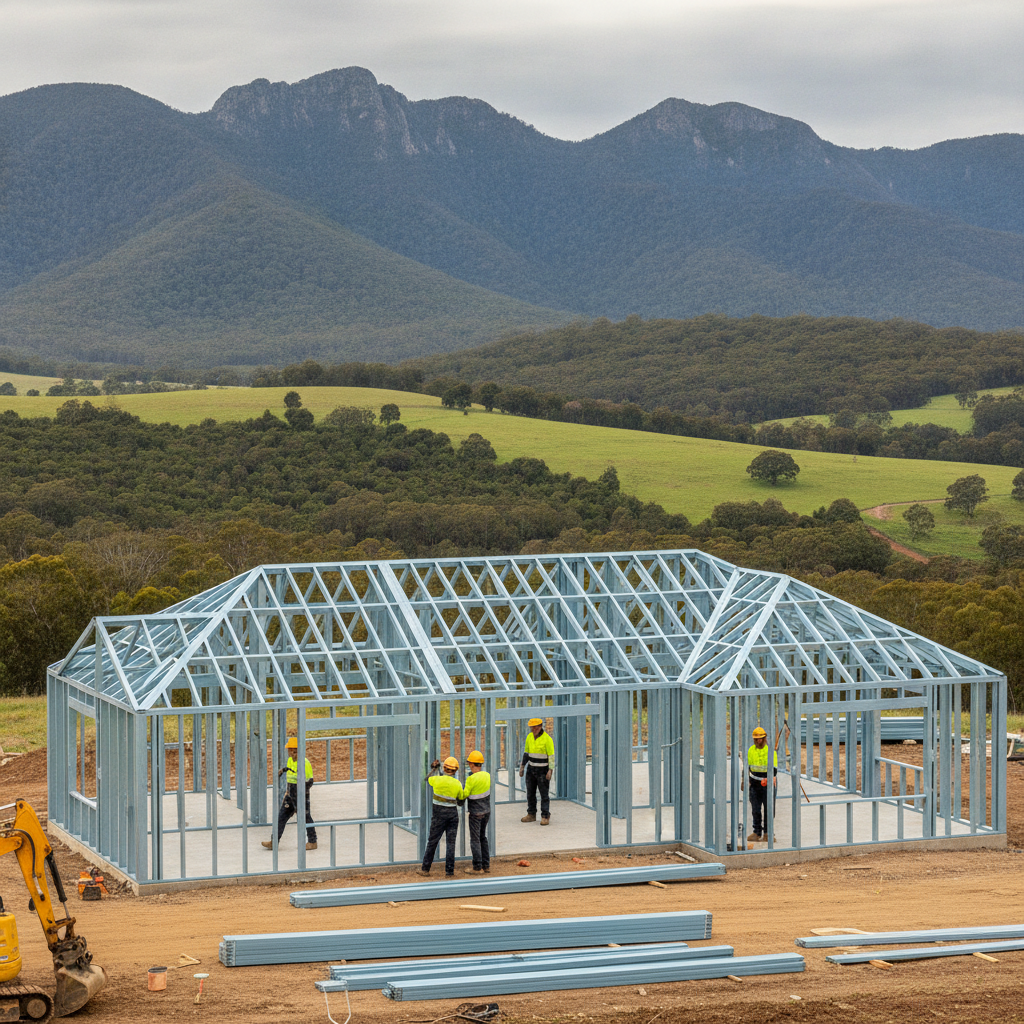
Kit homes are designed for this exact scenario. Because the frames are precision-engineered, the actual assembly of the structure happens much faster than traditional stick-built homes. This means your house gets to the lock-up stage quickly, protecting the interior from the elements. In many parts of Australia, the weather can be unpredictable. Getting the roof on and the windows in as fast as possible is a major benefit for the longevity of the build.
The Strength of Steel Frames in the Australian Bush
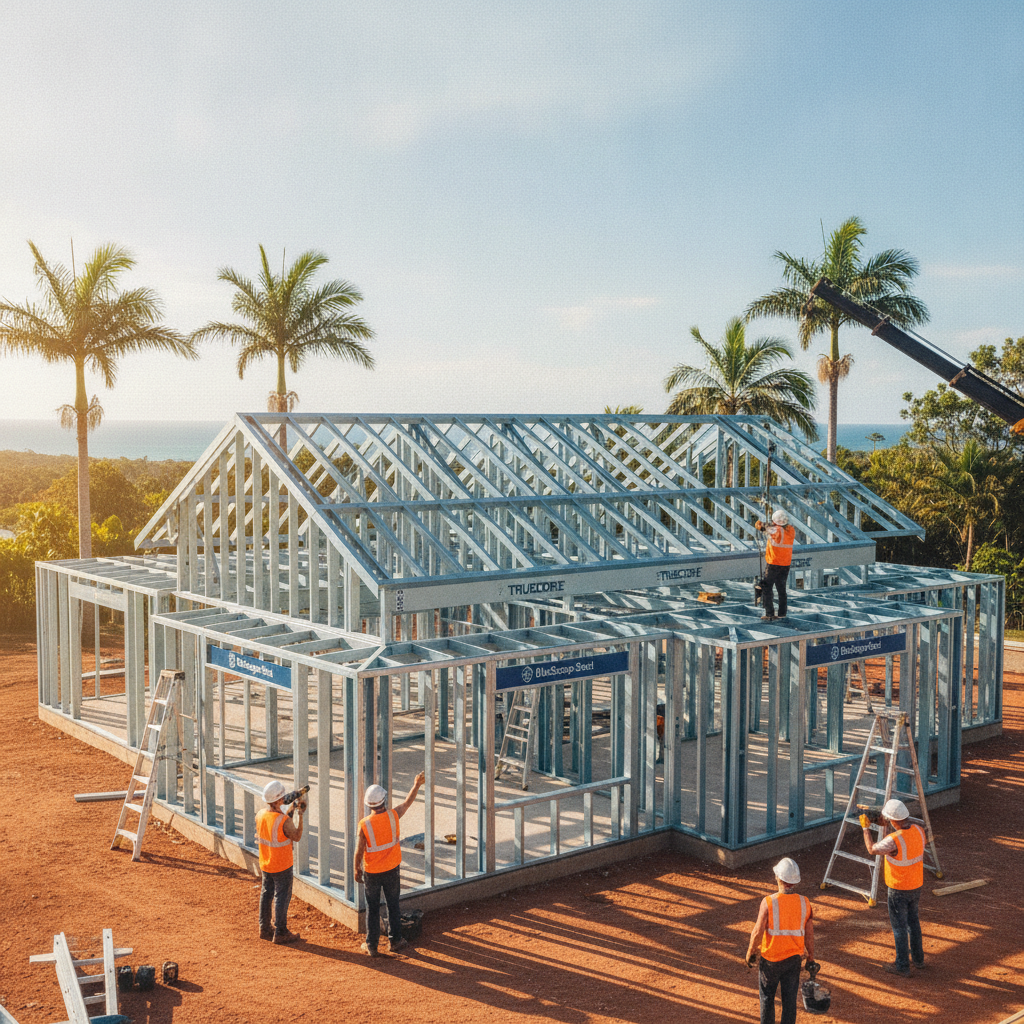
When you are building in regional Australia, you have to think about the environment. Termites are a real threat in almost every part of the country, and bushfire safety is a top priority for anyone living near timbered areas. This is where the choice of materials becomes vital. Many modern kit homes use steel frames, specifically BlueScope Steel TRUECORE brand. Steel frames are a smart choice for a few reasons.
First, steel is 100 percent termite-proof. You do not have to worry about hidden pests eating the structure of your home. Second, steel is non-combustible. While no house is completely fireproof, using a steel frame can provide a better foundation for meeting higher Bushfire Attack Level (BAL) requirements. It is a stable material that does not warp or twist over time, meaning your doors and windows are less likely to stick as the house settles. Using BlueScope Steel also means you are supporting Australian-made products designed for our specific conditions.
Practical Steps for the Owner-Builder
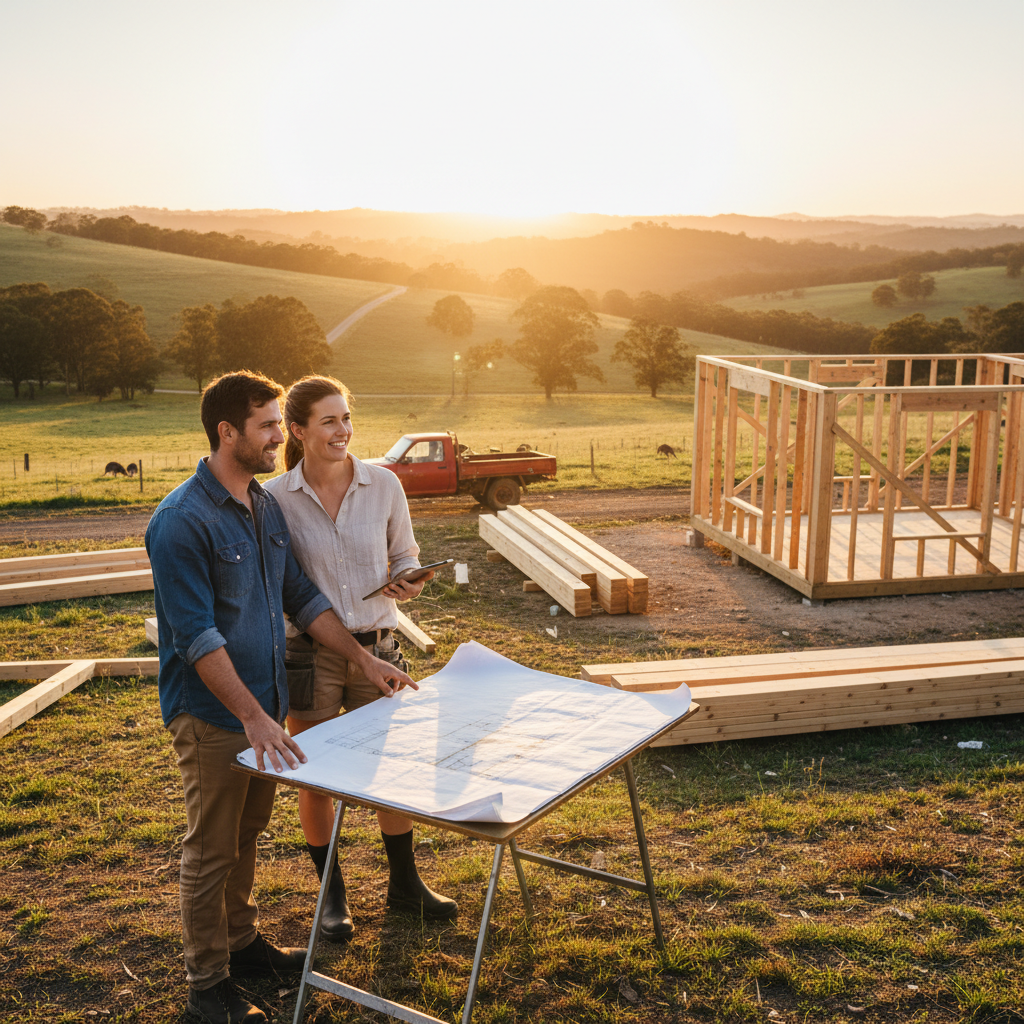
Taking on an owner-builder project is a rewarding experience, but it requires plenty of preparation. You are not just building a house; you are managing a small construction business for a few months. Before the kit even arrives on your site, there is a lot of ground work to cover. You will need to deal with your local council to get the necessary permits. Every council has different rules, especially regarding land use, waste management, and environmental protection.
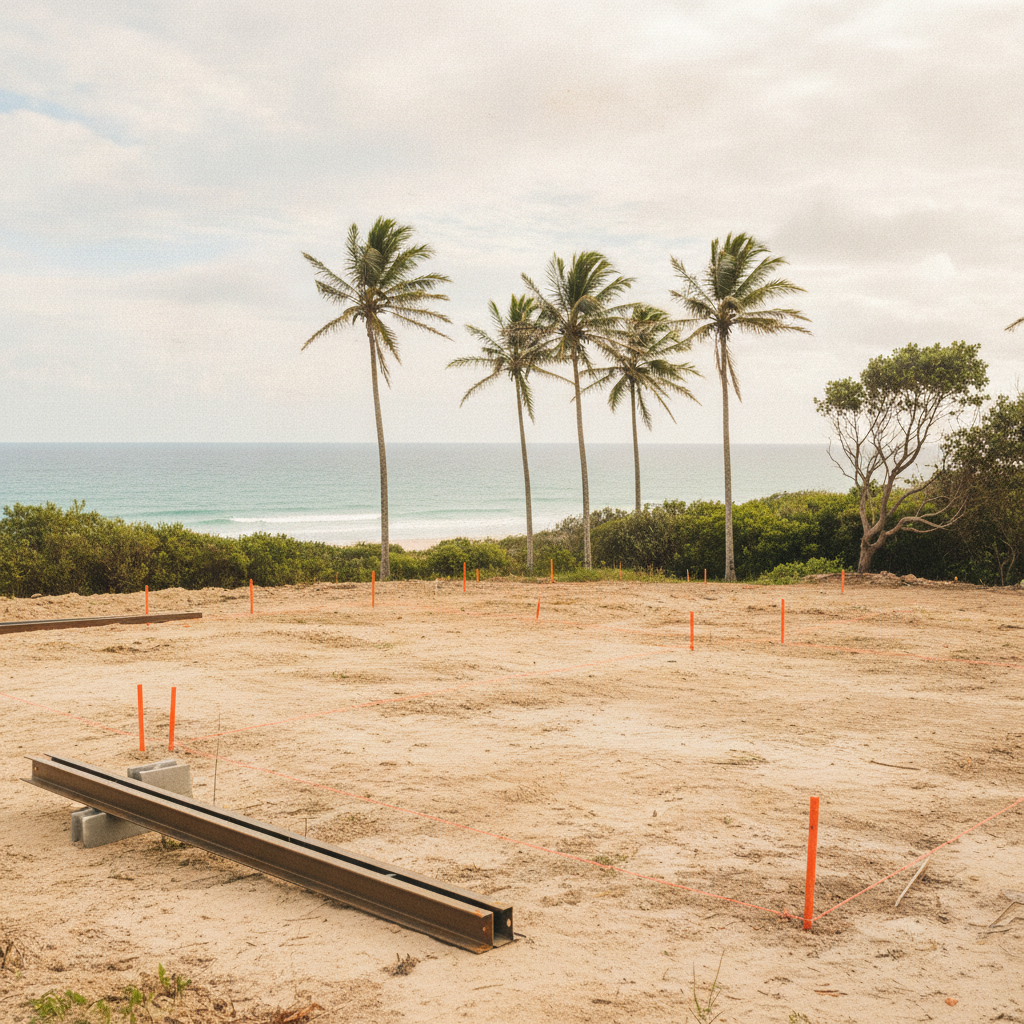
Once the paperwork is sorted, the first physical step is the site works. You will need to clear the building envelope and prepare the foundation. Most kit homes are built on either a concrete slab or a raised floor system with steel piers. If you are on a sloping regional block, a raised floor can often be easier and involve less earthmoving. You will need to hire a local plumber to lay the underground pipes before the slab is poured or the floor is set. This is a key part of the process where you will be coordinating with local trades.
Managing Deliveries and Site Access
One thing many new tree-changers overlook is site access. If you have bought a beautiful, secluded block at the end of a winding dirt track, you need to make sure a large delivery truck can actually get there. Kit home components arrive on big trailers. You might need to trim back overhanging branches or widen a gate to ensure the truck can reach the building site. It is also helpful to have a flat, dry area ready for the materials to be unloaded. Keeping your frames and cladding off the ground and covered will keep them in top condition while you work through the build.
Sustainability and the Australian Climate
Living in regional Australia often means dealing with temperature extremes. Whether it is the biting cold of the Southern Highlands or the dry heat of the outback, your home needs to be able to cope. Kit homes allow for high levels of insulation to be easily installed within the wall cavities. Because the frames are made to precise measurements, you can ensure a tight fit for your batts and reflective foil.
Orientation is another big factor. When you have a large regional block, you usually have the luxury of choosing exactly which way your house faces. You should aim to have your main living areas and large windows facing north to take advantage of the winter sun. Combined with the right cladding and roofing, like BlueScope COLORBOND steel, you can create a home that stays comfortable year-round without relying too heavily on air conditioning. This kind of passive design is a huge plus for those looking to live a more sustainable lifestyle.
The Importance of Licensed Trades
Even if you are a handy DIY enthusiast, there are parts of the build that must be done by licensed professionals. In Australia, you cannot do your own electrical or plumbing work. You also need a licensed builder or a qualified person to sign off on specific stages of the construction for council insurance purposes. As an owner-builder, your job is to find these trades and schedule them at the right time.
A good tip is to start talking to local trades early. In regional towns, the best plumbers and sparkies are often booked out weeks in advance. If you can give them a rough idea of when your kit is arriving and when the slab will be ready, you are much more likely to keep your project moving forward. Building a good relationship with local trades also means you will have someone to call if you need help with the finishing touches or future maintenance.
Fitting Out Your New Home
Once the kit is assembled and the house is at the lock-up stage, the fun of the fit-out begins. This is where you can really put your personal stamp on the place. Because you have saved on the initial construction phase by using a kit, you might have more room in your plans for the kitchen or bathroom finishes you have always wanted. From choosing the flooring to installing the cabinetry, the interior work is where the house starts to feel like a home. Many owner-builders choose to do much of the painting and tiling themselves, which adds to the sense of achievement that comes with building your own place.
Final Thoughts for Future Tree-Changers
Moving to a regional area and building a home is a life-changing event. It is a chance to step away from the grind and create something lasting for your family. Kit homes provide a structured, reliable way to make that dream a reality, especially for those who want to be involved in the building process. By choosing quality materials like steel frames and taking the time to plan your site and your trades, you can build a home that is strong, beautiful, and perfectly suited to the Australian environment.
The trend of regional living is only growing. As more people realize that they can work remotely or start new ventures in country towns, the demand for smart building solutions will continue to rise. If you are ready to make the move, take the time to look at different designs, talk to people who have built their own homes, and start preparing your site. The effort you put in now will pay off for years to come as you sit on your new veranda and watch the sun set over your own piece of Australia.