Granny Flat Boom: Why Aussies Are Eyeing Kit Homes for Backyard Living
Walk through any suburb from Perth to Penrith these days, and you'll notice it. The rumble of mini-excavators, the glint of new roofing iron, another granny flat taking shape in someone's backyard. It's not just a trend; it's practically a national sport. And leading the charge? Kit homes, hands down. Folks are waking up to how much sense these secondary dwellings make, whether it's for the in-laws, a grown-up kid who won't leave, or just to pull in a bit of extra rent money. Honestly, the flexibility these things offer is just brilliant.
The Rise of the Backyard Abode: More Than Just a Spare Room
Remember when granny flats were just for, well, granny? Times have changed. Dramatically. Now, these secondary dwellings, or 'additional dwellings' as the councils like to call them in some spots, are serving a heap of purposes. We're talking home offices for the remote worker, short-term rental opportunities for the tourism market, even dedicated art studios. Or yeah, a place for your boomerang kids who keep coming back after uni. It's all about making your block work harder for you, squeezing every bit of potential out of that existing parcel of land. With rising house prices, people are getting creative. You don't need to sell up and move to get more space; sometimes you just need to build *out* or *up* in your own yard.
Permitting is still a bit of a mixed bag across Australia, mind you. You've got states like NSW where granny flat rules are pretty relaxed, often going through a Complying Development Certificate (CDC) process, meaning faster approvals if you meet certain criteria. Head to Queensland or Victoria, and it gets a bit trickier, often needing a full Development Application (DA) through your local council, which can take a fair bit longer. Always, always check your specific council's rules first. Don't assume. Last year, we had a customer in Wollongong who thought it'd be a breeze, only to find out his block was a bit too small for the setback he wanted. Had to tweak the design, which wasn't a drama, but it was an extra step.
Kit Homes: The Owner-Builder's Secret Weapon for Secondary Dwellings
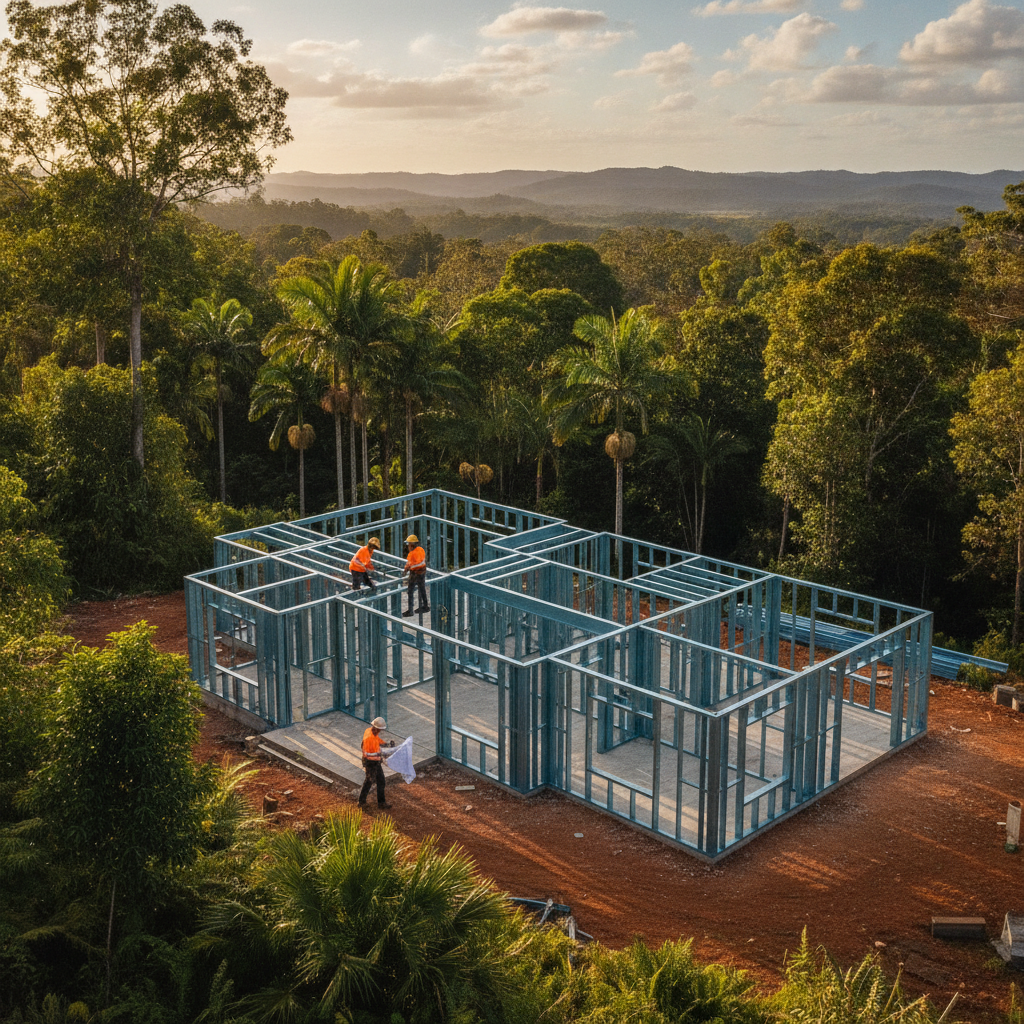
So, why are kit homes such a go-to for these backyard builds? Simple. They cut out a huge chunk of the unknowns, especially for owner-builders. You get a complete package delivered to your site: the precision-engineered steel frames - and yes, we use TRUECORE steel, so you know it's good, straight, and won't be eaten by termites – plus the roofing, the cladding, all your windows and doors, even the insulation. It's a damn good start. You're not trying to source every single nail and stud from scratch. That saves you time, and time, as any builder will tell you, is money.
Plus, the whole process is designed to be owner-builder friendly. You're arranging the slab, getting your plumbers and sparkies sorted, doing the internal fit-out. That's where you save big bucks. Think about it: if you're handy with a nail gun and happy to manage trades, you're cutting out a massive chunk of builder's margin. We've seen owner-builders in regional Victoria absolutely smash out a secondary dwelling in a few months, all while holding down their regular job. It's commitment, for sure, but the payoff is substantial.
Owner Builder Tips: Getting Your Head Around the Build
- Do Your Homework on Day One: Seriously, before you even look at designs, talk to your local council. Understand their specific requirements for secondary dwellings. setbacks, maximum sizes, car parking, even tree protection orders. Every council has its own quirks.
- Get Your Site Sorted: You need a level pad for that slab. Don't skimp on site preparation. A good, solid foundation is everything. Think about access for trades, too. Will a concrete truck get in? What about a crane for roof trusses if your design needs it?
- The Slab is Key: This isn't just a bit of concrete. It's your foundation. Get a reputable concreter. If your slab's out, everything else will be a headache. Make sure it's dimensionally accurate to your kit home plans.
- Line Up Your Trades Early: Good plumbers and electricians are like gold dust. Book them in advance. Get written quotes. Be clear about the scope of work.
- Embrace the Kit: The beauty of a kit home is that it’s all pre-engineered. Read the instructions. Follow the plans. Don't try to reinvent the wheel. If you're building with steel frames, they're coded and designed to go together like a big Meccano set.
Steel Frames: The Backbone of Your Backyard Project
Now, let's talk a bit about why steel frames make so much sense for these backyard projects. It's not just because we build with them, it's genuinely better in a bunch of situations. First up, termites. Queensland, Northern NSW, parts of WA – these places are termite heaven. Timber frames? Just a feast waiting to happen. Steel? Termites hate it. Can't eat it. No dramas there. That's a huge peace of mind, especially when you're building a dwelling that might be a little out of sight.
Then there's the stability. Steel doesn't warp, twist, or shrink like timber can. You get straight walls, straight ceilings. That makes lining up plasterboard a dream, and it means your windows and doors will fit perfectly without needing shims or forcing them in. Long-term, you end up with a straighter, stronger building. Plus, steel is non-combustible. For areas with higher BAL ratings – Bushfire Attack Levels – steel frames offer an inherent advantage, though you'll still need to specify appropriate cladding and other materials to meet the full BAL requirements. It's just a damn good starting point.
Building Techniques: A Nod to Steel Durability
The engineering behind a good steel frame kit is pretty clever. Each piece is cut to exact measurements, punched for services like electrical and plumbing, and then labelled. It means less waste on site, less cutting and nailing. For an owner-builder, that translates to a faster, more accurate build. You're not spending hours squaring up walls; the frame does most of that work for you. And when it comes to long spans for open-plan living, steel can handle it without needing chunky posts everywhere. This means more flexible designs for smaller footprints, which is exactly what you need in a secondary dwelling.
Another thing with steel – it's light but incredibly strong. The lighter components mean it's easier to handle on site, especially if you're wrangling it yourself or with a couple of mates. No heavy lifting equipment often needed for frame erection, unlike some larger timber trusses. It's designed for efficiency, and that's exactly what an owner-builder needs.
Design & Lifestyle: Maximising Small Spaces
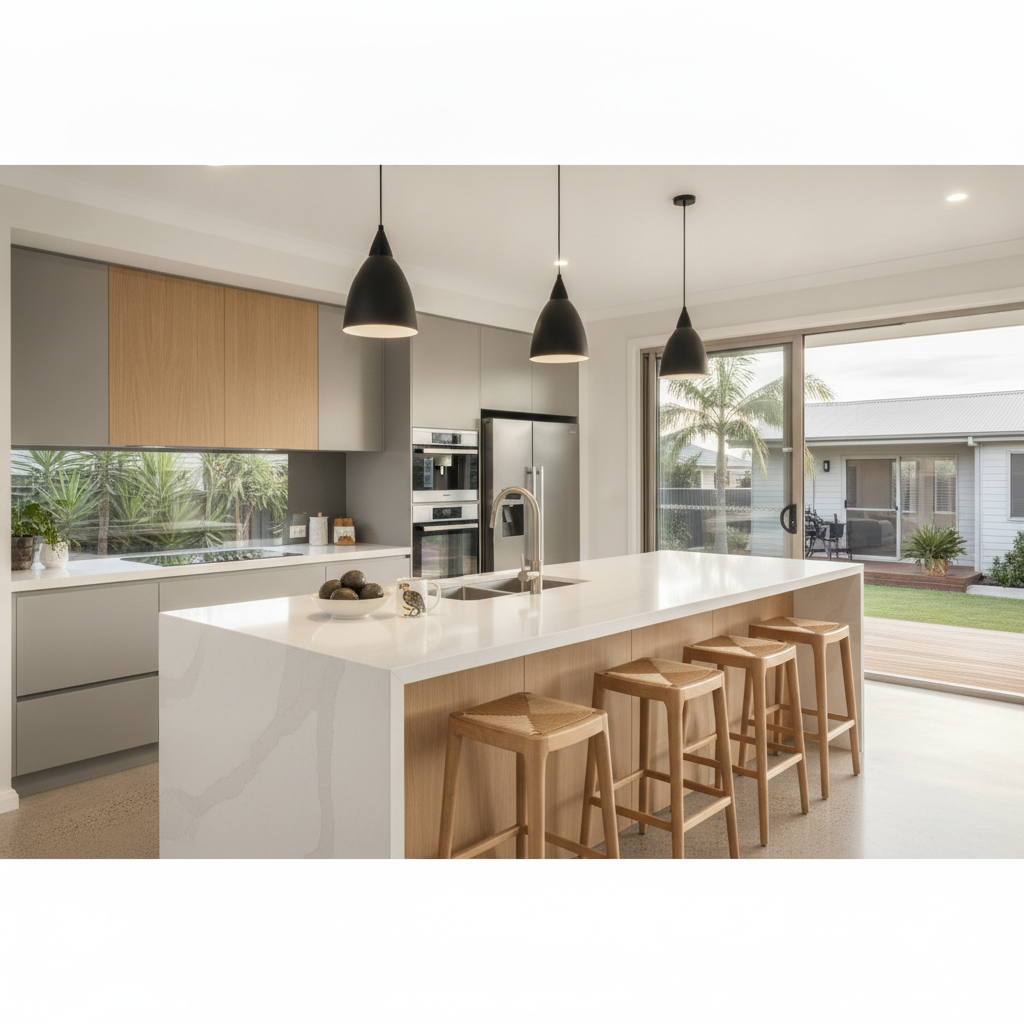
Designing a secondary dwelling means thinking smart about space. It's not about making it feel tiny; it's about making it feel efficient and open. High ceilings can make a massive difference. Clever storage solutions, built-in wardrobes, even wall-mounted furniture can free up floor space. Think about natural light too. Big windows, strategically placed, can open up a room and make it feel much larger than it is. We've seen some cracking designs for secondary dwellings that feel more like a stylish, compact main home than a 'granny flat'.
Consider the connection to the main house and the garden. If it's for independent living, does it need its own private outdoor area? A small deck, a paved courtyard, or even just a separate entrance. These little details make a massive difference to livability and how someone feels about calling it home. It's about creating a sense of privacy and independence, even if it's just metres from the main residence. Think about where the clothesline will go, or a spot for a BBQ. The small things that make a house a home.
The Future of Australian Backyards
The kit home granny flat isn't just a temporary fix; it's a permanent fixture in the Australian housing landscape now. With the cost of living on the rise and families needing more flexible living arrangements, these secondary dwellings offer a real solution. They're about smart land use, increasing property value, and giving families options without forcing them to move. If you've got the space, the gumption, and the desire to manage your own build, a kit home secondary dwelling is one of the smartest moves you can make on your property right now. You'll be surprised what you can achieve right there in your own backyard.