Mastering the Elements: Solar Passive Design for Kit Homes
When you embark on the journey of building a kit home in Australia, you are not just putting a roof over your head. You are creating a sanctuary that needs to stand up to some of the harshest and most varied weather conditions on the planet. From the humid tropics of the north to the biting winters of the south, the Australian climate demands smart construction. This is where solar passive design becomes a game changer.
Solar passive design is the practice of designing a home to take advantage of the local climate to maintain a comfortable temperature inside. By using the sun as a natural heater and the breeze as a natural cooler, you can drastically reduce your reliance on artificial heating and cooling systems. For an owner builder, integrating these techniques during the planning stage of a kit home project is the single most effective way to ensure long term comfort and sustainability.
The Golden Rule: Orientation and Site Planning
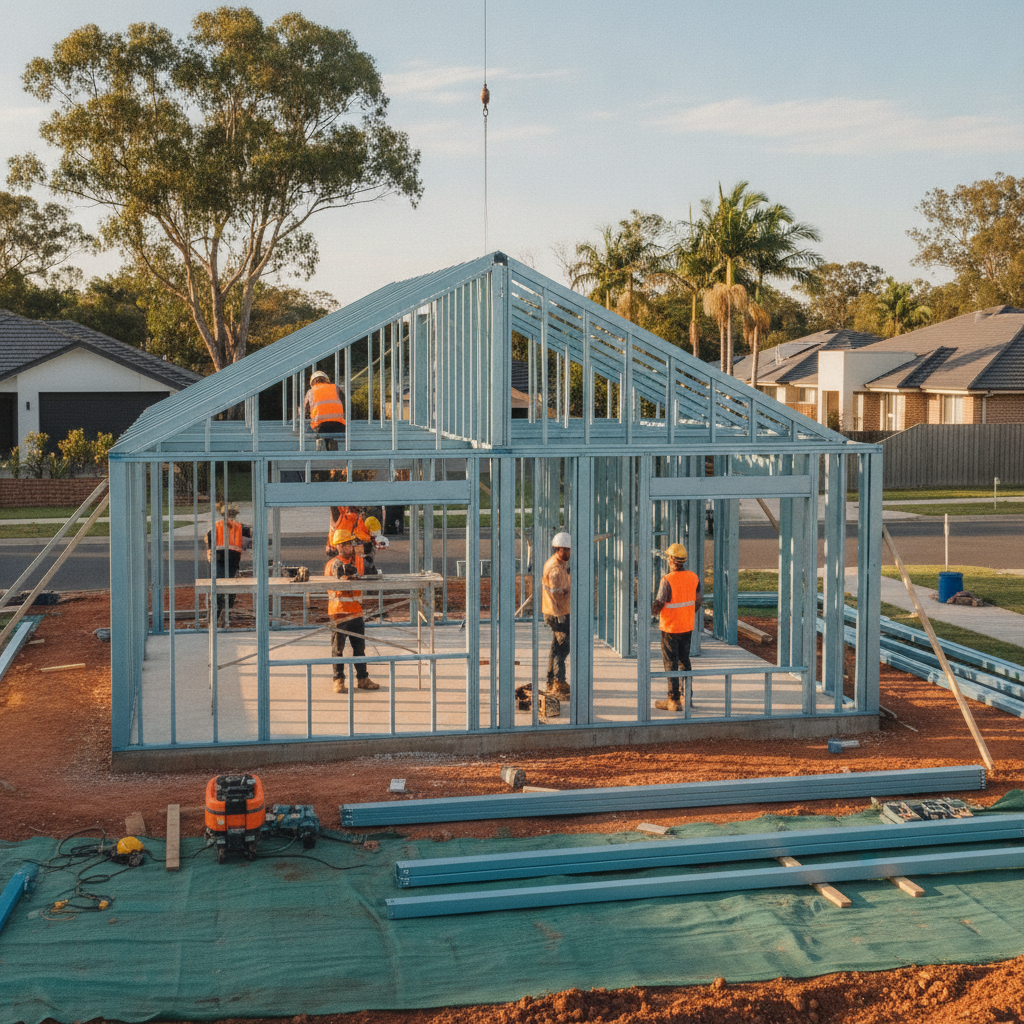
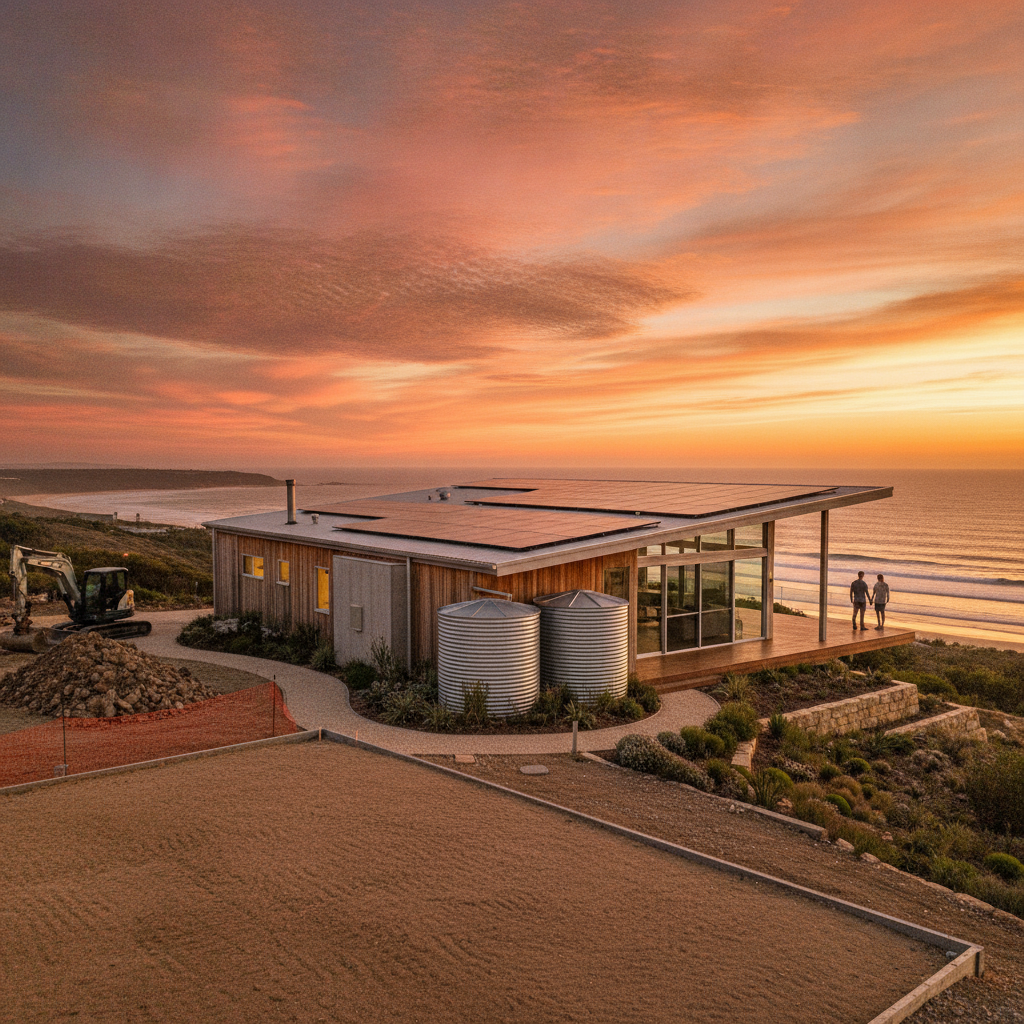
The foundation of any energy efficient home starts before the first steel frame is bolted into place. It starts with how you position the home on your block of land. In Australia, the most important rule is to orient your living areas to the north. This allows you to capture the low angle winter sun, which penetrates deep into the home to provide natural warmth.
During summer, the sun is much higher in the sky. By having north facing windows with correctly sized eaves or awnings, you can block the harsh summer sun from entering your home while still enjoying the winter benefits. When you are looking at kit home floor plans, consider how the building sits on your specific site. Can you flip the plan? Can you move the living room to ensure it faces North? These small adjustments during the planning phase make a world of difference once you move in.
Understanding Thermal Mass in Kit Home Construction
Thermal mass refers to the ability of a material to absorb, store, and later release heat. It acts like a thermal battery. In a kit home, which often features a lightweight steel frame construction, you have a unique opportunity to strategically place thermal mass where it will do the most good.
A common technique is to use a concrete slab on ground. During winter, the sun shines through northern windows and hits the slab, heating it up throughout the day. At night, as the air temperature drops, the slab slowly releases that stored heat back into the room. In summer, as long as the slab is protected from direct sunlight, it stays cool and helps pull heat out of the air. If you are building on a sloping block and using a raised sub floor, you can still introduce thermal mass through internal brick feature walls or stone flooring in sun-drenched areas.
The Importance of Insulation and the Building Envelope
Think of your kit home like a thermos. During summer, you want to keep the heat out. During winter, you want to keep the warmth in. This is achieved by creating a high performing building envelope. High quality insulation is non negotiable in the Australian climate. Most kit home packages include insulation for the roof and walls, which is crucial for stopping heat transfer.
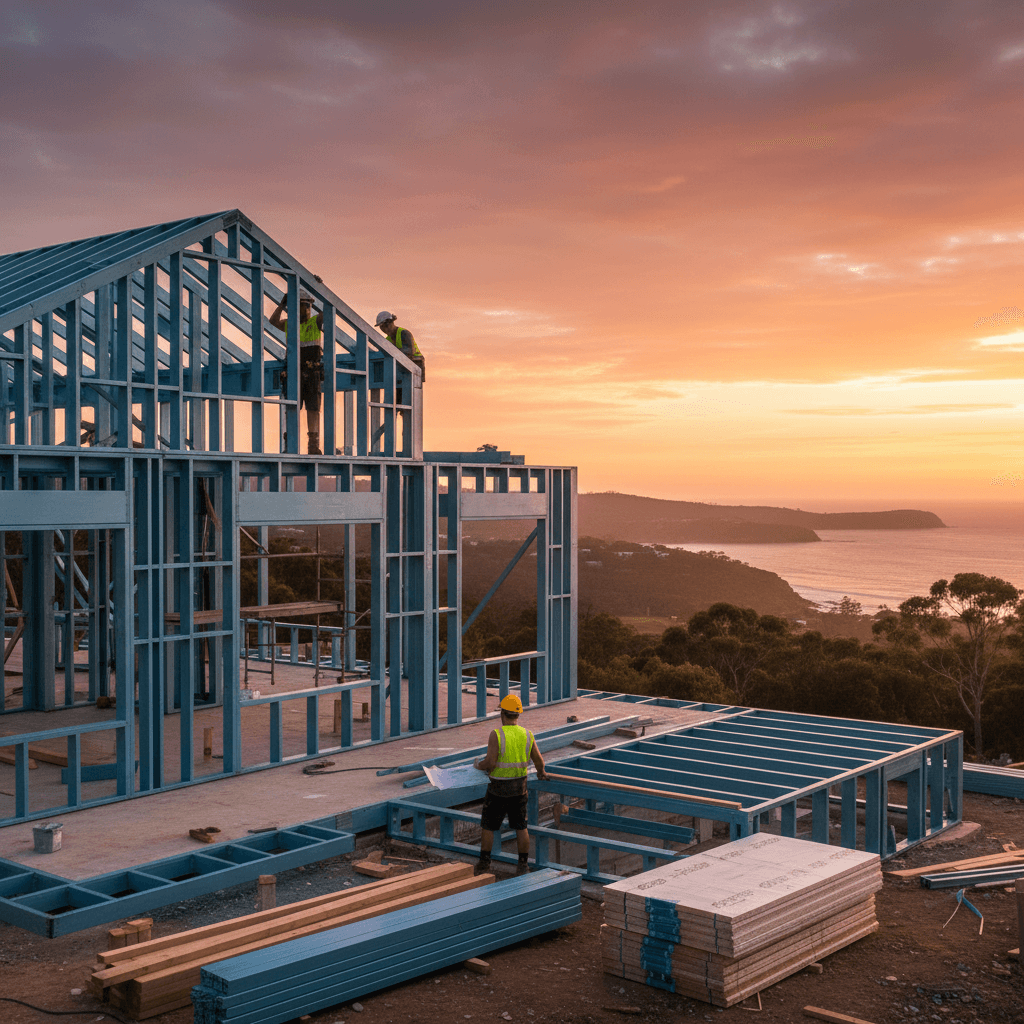
When working with steel frames, it is important to understand thermal bridging. Steel is a great conductor of heat, so using a high quality breathable building wrap and a thermal break between the frame and the cladding is essential. This prevents the heat from the outside of the house from traveling through the frame and into your living space. Pay close attention to the R-values of the insulation you choose, the higher the R-value, the better the thermal resistance.
Strategic Window Placement and Glazing
Windows are effectively holes in your insulation. While they are vital for light and views, they are also where most heat is lost or gained. To master solar passive design, you need to be strategic about glass. Large windows on the north are great, but windows on the east and west should be minimized or carefully shaded.
The morning sun from the east can heat up a house quickly in summer, while the low afternoon sun from the west is often the hardest to manage. Consider using smaller windows on these sides or installing external shading like louvres or vertical blinds. For many Australian regions, upgrading to double glazing is a wise investment for an owner builder. It creates a pocket of air that acts as an extra layer of insulation, significantly Improving the acoustic and thermal performance of your kit home.
Natural Ventilation: Letting the Home Breathe
Passive cooling is just as important as passive heating. In Australia, we are blessed with afternoon breezes in many regions, such as the famous Fremantle Doctor in WA or the southerly busters in NSW. Designing your kit home to facilitate cross ventilation is a key building technique.
To do this effectively, you need to place openings on opposite sides of the house. Look at the prevailing wind directions for your specific location and align your windows and doors to capture those breezes. Louvred windows are fantastic for this as they allow you to control the airflow precisely and can even be left open during light rain. High level windows or clerestory windows are also effective for letting hot air escape, as heat naturally rises.
The Role of Shading and Landscaping
Solar passive design does not stop at the walls of your kit home. Your landscaping plays a vital role in how your home performs. Deciduous trees are an owner builder’s best friend. Planted on the northern side of the home, they provide thick, leafy shade during the hot summer months. In winter, they drop their leaves, allowing the sunshine to pass through and warm your home.
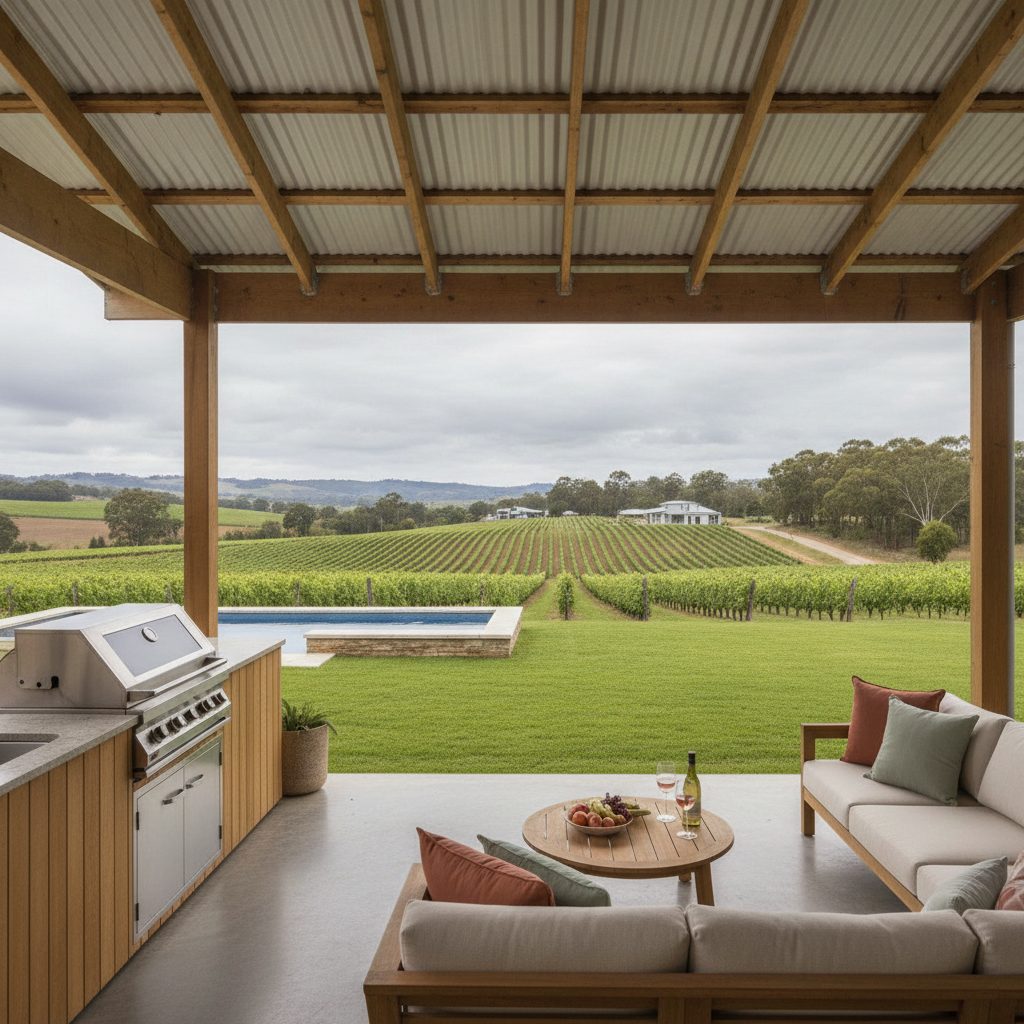
External shading like pergolas, eaves, and verandas are classic Australian architectural features for a reason. They protect the walls of the house from direct sun, which reduces the overall heat load on the building. When choosing your kit home design, look for models with generous eaves or consider how you can add a wrap around veranda to the layout.
Owner Builder Tips for Success
If you are managing your own kit home project, here are a few practical tips to ensure your solar passive goals are met:
- Check the Sun Path: Use a sun path app or tool to see exactly where the sun will sit over your block at midday in both June and December.
- Seal the Gaps: Even the best insulation won't work if there are draughts. Ensure your windows and doors are well sealed and use weather strips where necessary.
- Color Choice Matters: In hotter climates, choosing a lighter color for your Colorbond roofing and cladding can reflect a significant amount of solar radiation compared to dark colors.
- Plan for the Future: It is much cheaper to install extra insulation or better windows during the build than it is to retro-fit them later.
Conclusion
Building a kit home in Australia offers an incredible opportunity to create a bespoke living space that is perfectly tuned to its environment. By applying these solar passive design principles, from orientation and thermal mass to smart glazing and ventilation, you are doing more than just building a house. You are building a home that is naturally comfortable, environmentally responsible, and a joy to live in for decades to come. Taking the time to understand these techniques as an owner builder will pay dividends in comfort and lifestyle quality, making your kit home project a true success.