Kit Homes Are Cracking the Code for Sustainable Building Down Under
The Australian building game, she's changing. Proper changing. People aren't just thinking about four walls and a roof anymore; they're asking tough questions about where materials come from, how much energy a place chews through, and if it'll stand up to our bonkers weather for decades. Sustainable building isn't just some greenie ideal now. It's becoming the standard, and kit homes, particularly the ones built with good Aussie steel, are right at the pointy end of that shift.
For fifteen years, I've seen the good, the bad, and the ugly of putting up houses from a kit. And what's become clearer than a freshly cleaned window is that the sustainability factor isn't a 'nice-to-have' anymore. It's a 'must-have'. Our customers, especially the owner-builders, aren't daft. They're keen to build smart, build tough, and build a place that won't cost them an arm and a leg to run or repair down the track. This isn't just about tree-hugging; it's about common sense building.
Why Sustainability Matters More Than Ever for Aussie Homes
You can't swing a dead cat in Australia without hitting some kind of extreme weather. Bushfires, floods, cyclones, ridiculous heatwaves – we get the lot. Building sustainably isn't just about saving the planet; it's about making your home resilient against these sorts of things. It's about insulation that actually works when it's 40 degrees outside, materials that don't warp and crack after a few years, and designs that minimise waste from the get-go. And councils, mate, they're starting to get serious too, tightening up rules around energy efficiency and material choices. So, if you're planning a build, you've got to be thinking about this from day one.
Kit Homes: A Smart Start to a Sustainable Build
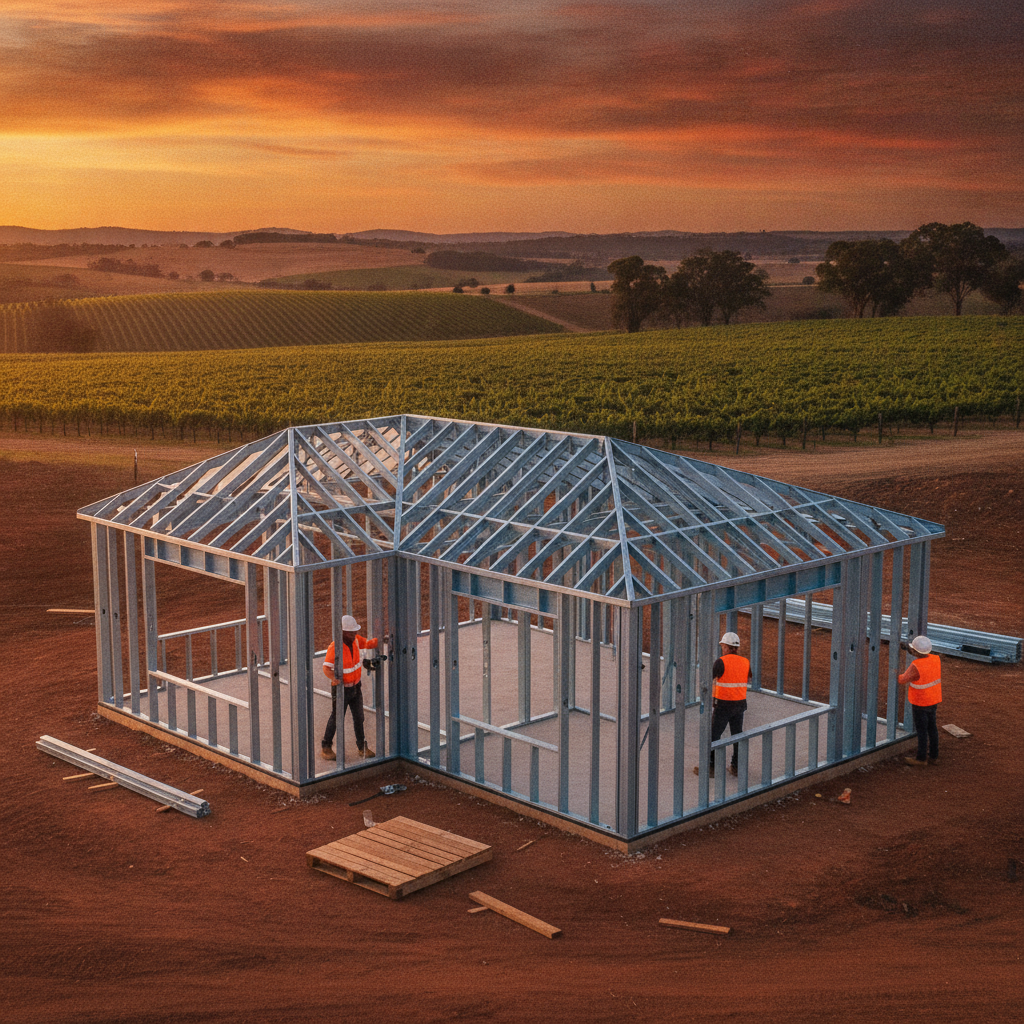
Right, so how do kit homes slot into this sustainable picture? Heaps of ways, actually. The whole premise of a kit is precision. Everything's designed, cut, and packed off-site. That means less waste on your block. Less skip bin trips. Less offcuts being chucked in the bin. We’re talking about actual numbers, not just vague promises. When your frames, roof trusses, and wall cladding turn up pre-cut to size, you’re not paying a tradie to stand there with a saw making a pile of unusable bits. That's a direct win for both your budget and the environment.
And it's not just the waste. The planning that goes into a kit home design often focuses on efficiency. Good ventilation, smart window placement to catch those breezes, and roof pitches designed to handle solar panels down the track – these are standard inclusions now, not pricey upgrades. It’s all about getting the bones right, setting you up for a sustainable life in the home, not just a sustainable build.
Steel Frame Benefits: Building Tough and Smart
Now, let's talk steel. Specifically, Australian-made BlueScope Steel, like the TRUECORE brand we use for our frames. This isn't just some marketing puff; it's a genuine game-changer for sustainable and resilient housing in Australia. You won't find a termite trying to munch on a steel frame, will you? Forget about it. That's a massive win right there, especially up north or out west where those little buggers are rife. No need for nasty chemical treatments either.
Steel frames are straight. Really straight. And they stay straight. Timber can twist and warp, especially with our humidity fluctuations, but steel holds its line. That means your plasterboard goes on cleaner, your windows and doors fit better, and you don't get those annoying cracks showing up in your walls after a few seasons. Long-term durability is a huge part of sustainability. A house that lasts longer, needs fewer repairs, and holds its value is a sustainable house.
Plus, steel's recyclable. Fully. At the end of a very long life, those frames can be reprocessed. That's a proper closed-loop system, something you just don't get with other materials. And when it comes to fire, especially in bushfire-prone areas, steel frames are non-combustible. They don't add fuel to a fire, which is a big relief for folks living in BAL-rated zones. It doesn't mean your whole house is fireproof, but it's a bloody good start to meeting those stringent AS 3959 standards.
Owner-Builder Tips: Making Your Kit Home Genuinely Green
As an owner-builder, you've got heaps of control over how sustainable your project actually is. That's the beauty of it. You're not just getting a kit; you're building a home. So, what can you do beyond the frame?
- Insulation, Insulation, Insulation: Don't skimp here. Our kits come with insulation, but think about upgrading to higher R-values, especially in the ceiling. Batts are great, but really look into things like sarking and considering a thermal break if you're in an extreme climate. More insulation means less power spent on heating and cooling, plain and simple.
- Water Harvesting: Most of Australia relies on rainwater tanks for something, even if it's just the garden. Factor in space for a decent tank from day one. Plumb it to your toilets and laundry, maybe even for drinking if you've got good filtration. Every drop counts.
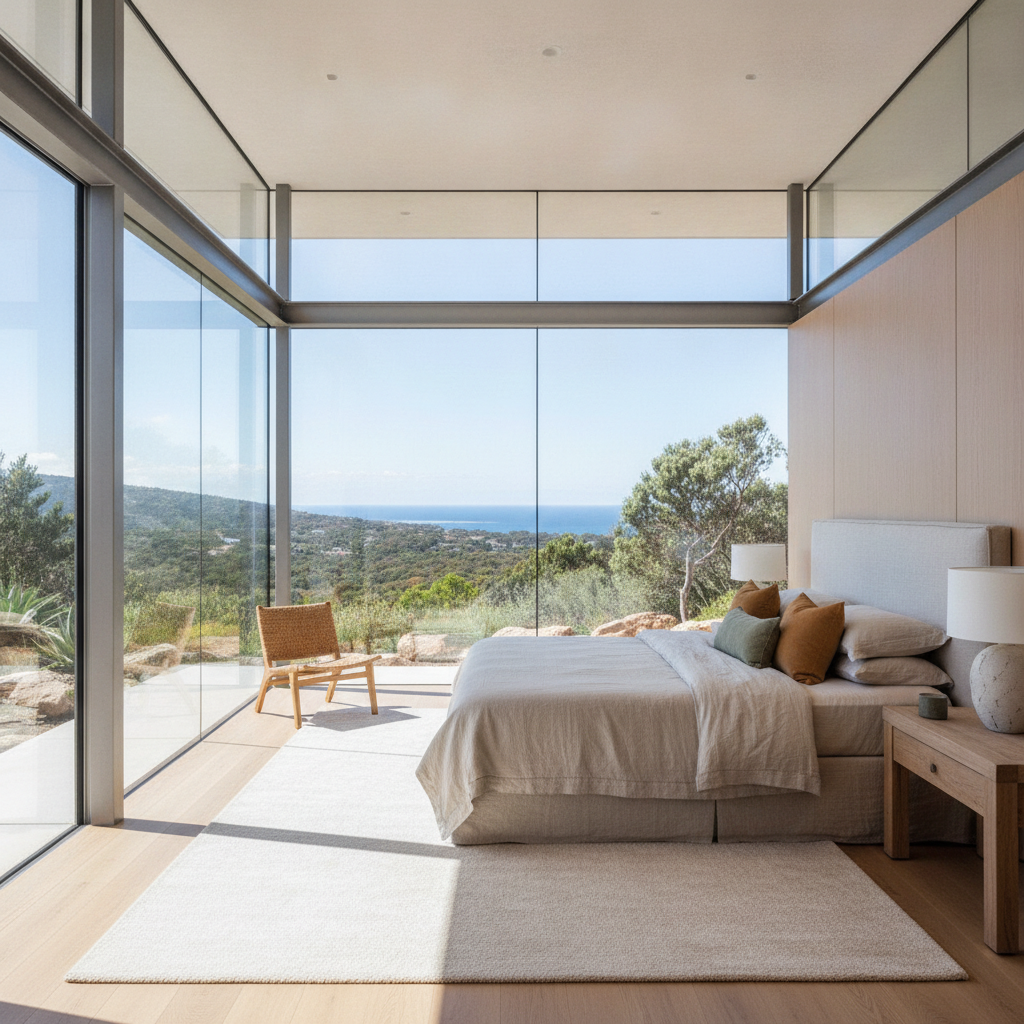
- Smart Glazing: The windows in your kit are standard, good quality. But if you’ve got a big west-facing wall, think about double glazing or low-E glass. It costs a bit more up front, sure, but the comfort and energy savings over twenty years? Priceless.
- Shading and Orientation: This is a big one. Work with your kit home supplier on positioning the house on your block. Orienting for northern sun and adding eaves or pergolas for shade can drastically cut down on summer cooling bills. It's passive design, and it's brilliant.
- Material Choices for Fit-Out: This is where your personal touch comes in. Think about low-VOC paints, recycled timber decking, bamboo flooring, or tiles made from recycled content. Bunnings has a huge range of 'green' products these days, so it's not hard to find options.
- Waste Management on Site: Even with a kit, you'll have some waste. Set up separate bins for timber offcuts (for firewood, maybe?), cardboard, plastics, and general rubbish. It takes an extra minute but makes a difference.
Australian Housing Trends: Design & Lifestyle with a Conscience
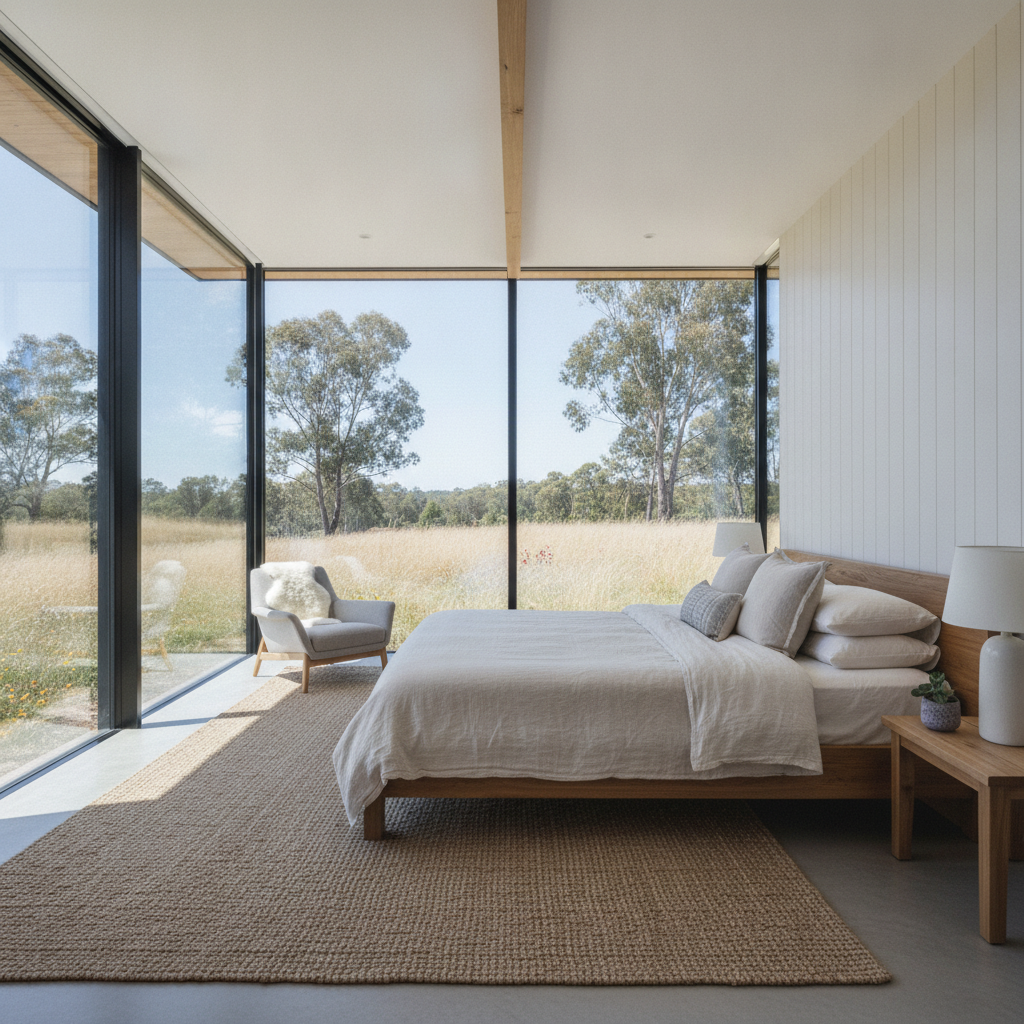
People are after more than just shelter now. They want spaces that feel good, breathe easy, and don't cost the earth to maintain. The 'Hamptons look' is still popular, don't get me wrong, but there's a definite swing towards more natural materials, open-plan living that merges indoor and outdoor, and designs that really embrace our climate. Think bigger verandas, cross-ventilation, and designs that don't need the air-con blasting 24/7. And kit homes, because they're essentially a blank canvas, let you weave in these elements easily.
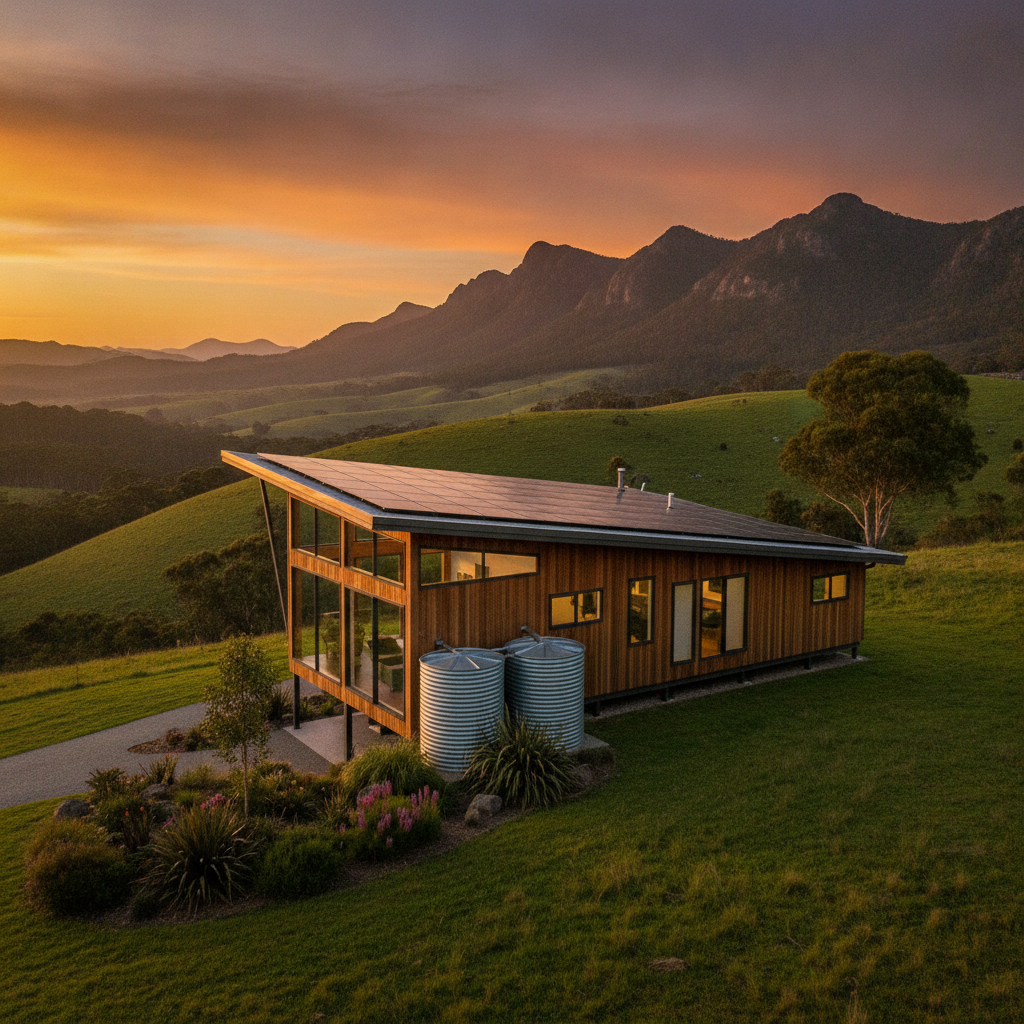
It's about creating a lifestyle. Imagine your kit home, clad in something like Colorbond for low maintenance, nestled into your block. You've got your solar panels humming on the roof, rainwater tank providing for the garden, and inside, the insulation and smart design mean you're comfortable without breaking the bank. That's a lifestyle people are genuinely striving for, especially as more of us work from home and spend more time in our own space. It's not just a house; it's a carefully considered environment.
Building Techniques: Beyond the Kit
The kit gets you a fantastic start. Frame up, roof on, external walls done. But what happens next matters for sustainability too. Thinking about things like hydronic heating in cooler climates, or even just efficient hot water systems. A heat pump hot water system, for instance, can slash your energy bills compared to an old electric one. Under-slab insulation is another one often overlooked, but a proper thermal break here can stop a heap of heat loss or gain through your concrete slab.
And for those tricky Bushfire Attack Level (BAL) ratings, your choice of cladding, decking, and even the type of mesh on your flyscreens becomes critical. Steel frames, being non-combustible, certainly help meet those stricter requirements, particularly in BAL-29 or BAL-40 zones. It means you’re spending less on trying to make combustible materials meet the standard and more on building a quality home that offers real protection.
The Future of Aussie Homes is Built Smart
The days of just whacking up any old house are drawing to a close. People are more informed, councils are more stringent, and the planet's telling us we need to do better. Kit homes, particularly those built with quality Australian steel frames, are an incredibly powerful tool in the owner-builder's arsenal for constructing a sustainable, resilient, and comfortable home. It's not about being a purist. It's about making smart choices, right from the first bolt, that pay off for years to come. You get a house that's tough, efficient, and doesn't leave a massive footprint. And that, my friends, is a good deal for anyone looking to build a home down under.