The Great Australian Shift to Rural Living
Living in a dense city suburb used to be a non-negotiable part of career growth for most Australians. If you wanted the good jobs, you had to be near the big office towers. That reality has shifted dramatically over the last few years. High speed internet and a massive change in how companies view remote work have opened up the map of Australia like never before. People are no longer tethered to a commute, and this freedom is driving a surge in interest for rural land. This is where the appeal of kit homes really starts to shine for those looking to build their own piece of paradise.
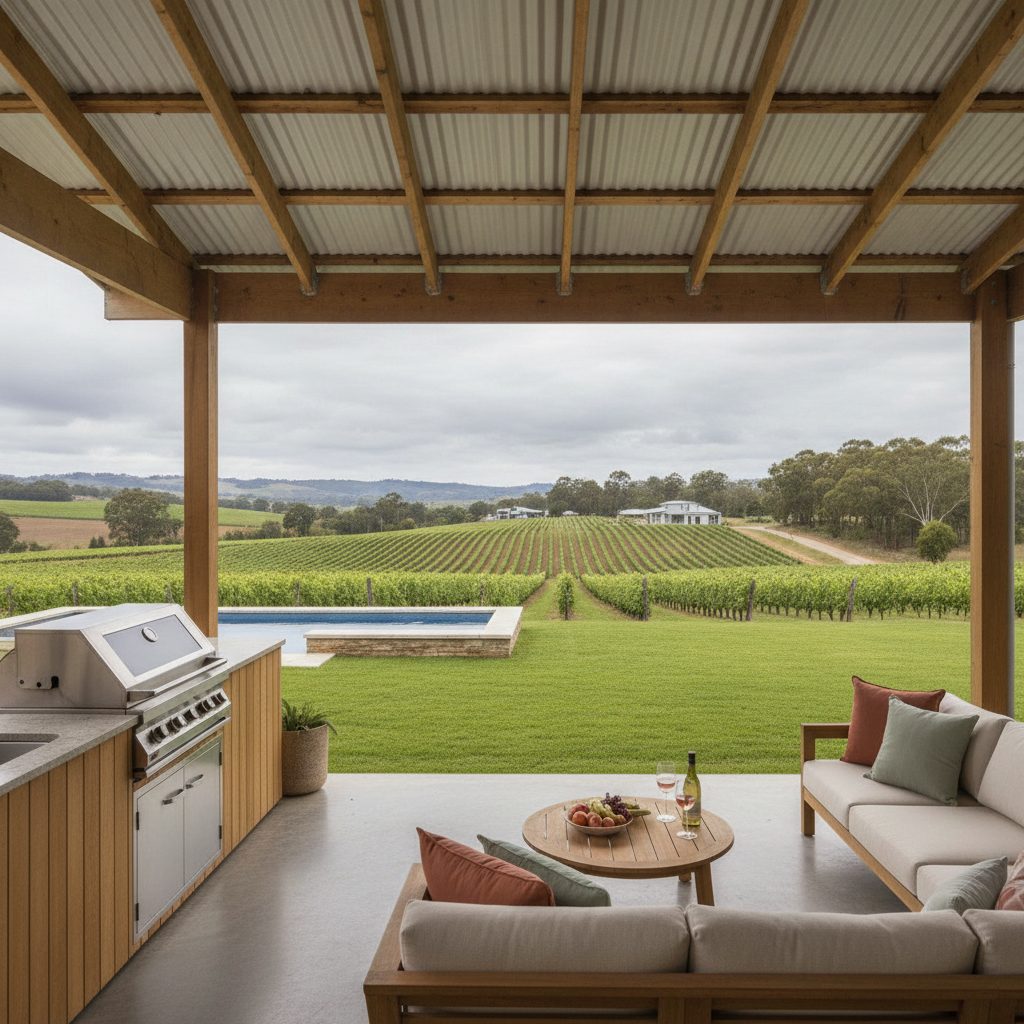
When you are not tied to a city office, the priority becomes about the quality of your living space and the environment surrounding it. You might be looking for a few hectares in the hinterland or a quiet block near a coastal town. Whatever the location, the challenge often lies in how to get a house built in a regional area where traditional builders might be booked out for years. Kit homes offer a distinct advantage here, providing a structured way to manage a building project while giving you the flexibility to handle the process at your own pace.
Understanding the Kit Home Process
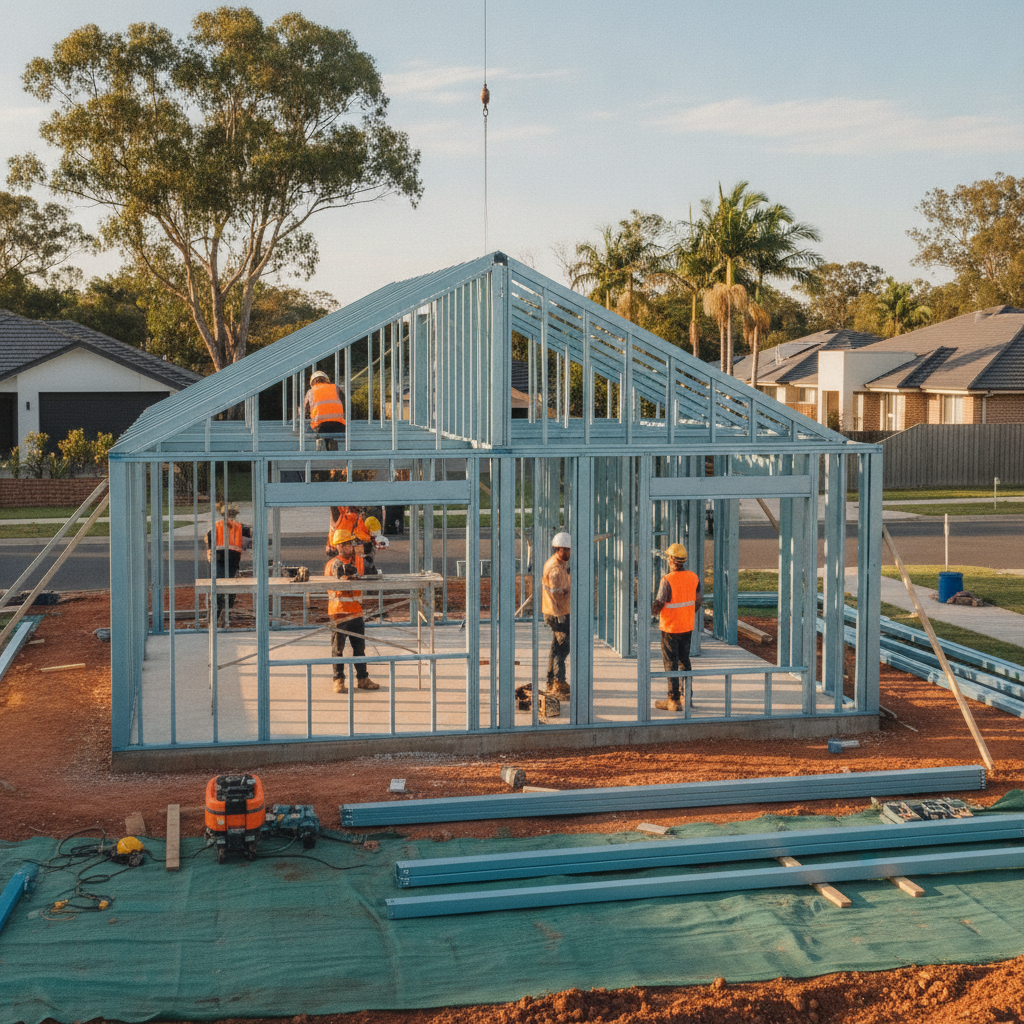
A kit home is a practical building solution where the main components of the house are manufactured off-site and delivered as a package. It is vital to understand that a kit home is not a finished house that just arrives on a truck. Instead, it is a high-quality set of materials that form the shell and structure of your home. This typically includes the steel frames, the roof, external cladding, windows, doors, and insulation. The owner-builder then takes the lead, managing the assembly and the finishing stages of the construction.
For the modern remote worker, this model is incredibly appealing. It allows for a level of involvement that ensures the home meets your specific needs. You are the one in the driver's seat, deciding on the trades you hire and the specific finishes that will make the house feel like home. It is a hands-on approach that requires organization and a bit of grit, but the sense of achievement is second to none.
The Strength of Steel in Regional Australia
When you are building in the Australian bush or in regional areas, you have to be mindful of the unique environmental factors at play. This is why many kit home buyers opt for steel frames. Using BlueScope Steel TRUECORE frames provides a level of security that is hard to beat. One of the biggest threats to Australian homes, especially in rural areas, is termites. Steel frames are 100 percent termite proof. You don't have to worry about these pests compromising the structural integrity of your home over time.
Another major factor is fire safety. Many rural blocks are subject to Bushfire Attack Level (BAL) ratings. Steel is a non-combustible material, making it an excellent choice for areas where fire risk is a concern. Beyond safety, steel is also incredibly stable. It won't warp, twist, or shrink like some other materials, meaning your lines stay straight and your windows and doors continue to fit perfectly for years to come. This durability is key when you are building a home that needs to stand up to the harsh Australian sun and varying weather conditions.
Designing the Perfect Home Office
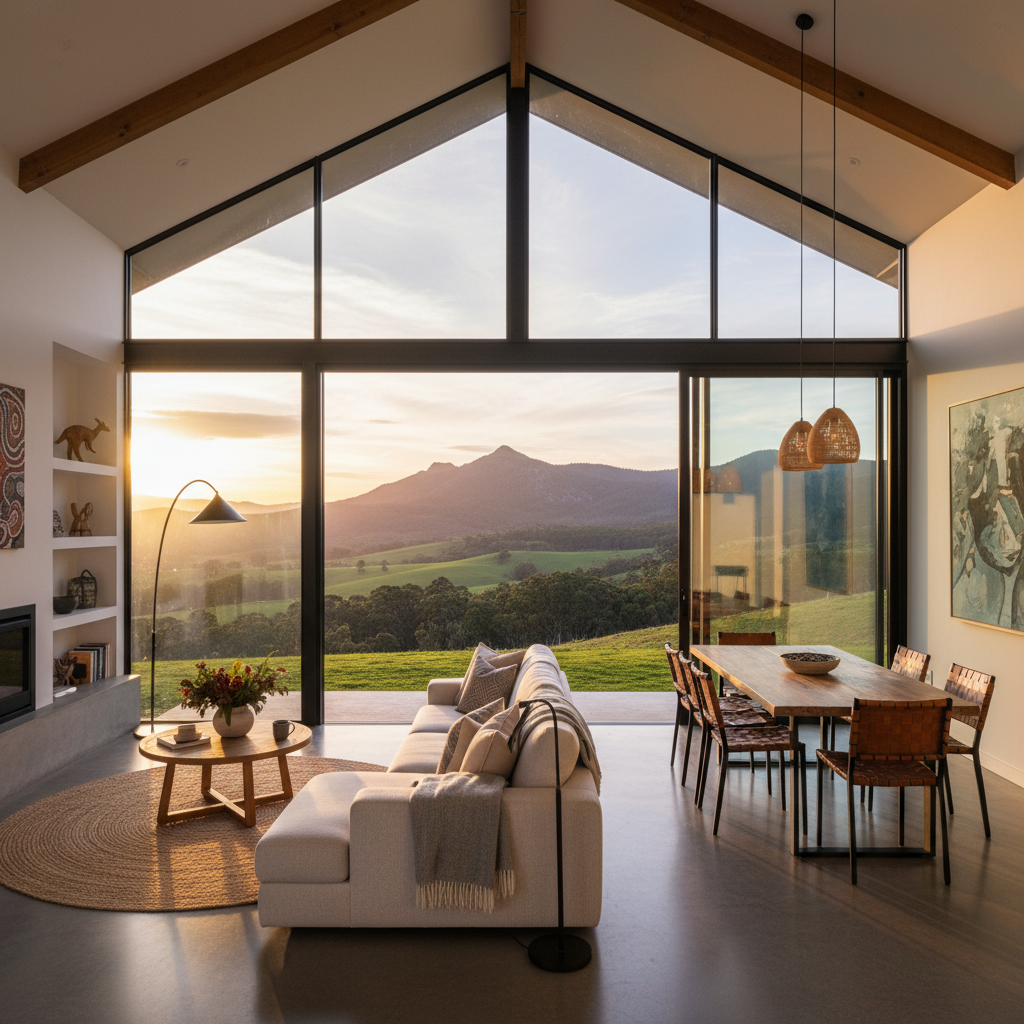
If you are moving rural to work remotely, the design of your kit home needs to reflect that. The standard floor plan might not always be the best fit for someone who spends eight hours a day on video calls or working at a desk. When you are looking at different designs, think about the placement of your home office. You want a space that is separated from the main living areas to keep noise to a minimum. A room with a view of your new property can also provide a great boost to your productivity and mental well being.
Natural light is another factor that you should consider. Positioning your workspace to capture the morning sun can make a world of difference. Cross-flow ventilation is also a clever design choice for the Australian climate. By placing windows strategically, you can encourage a breeze to move through the house, keeping it cool without needing to rely on air conditioning all summer long. These are the kinds of details you can focus on when you are managing your own kit home build.
The Role of the Owner-Builder
Taking on a kit home project means stepping into the role of an owner-builder. This is a significant commitment, but it is one that many DIY enthusiasts find deeply satisfying. As an owner-builder, you are the project manager. You are responsible for obtaining the necessary permits from your local council and ensuring that all work meets the relevant building codes. You will need to coordinate with local tradespeople, such as plumbers and electricians, to handle the specialized tasks that you cannot do yourself.
Managing site works is another part of the process. Before your kit arrives, you need to ensure the site is prepared. This includes clearing the land, putting in any necessary driveways, and pouring the concrete slab. Having a clear plan and a good relationship with your local trades will make this process much smoother. It is about taking ownership of the build and making sure everything is done to your standards.
Practical Tips for Site Selection
Before you buy your land or your kit, there are a few practical things to look out for. Access is one of the most important considerations. Kit homes are delivered on large trucks, so you need to make sure there is a clear, wide path to your building site. If your block is at the end of a narrow, winding dirt track, you might need to do some work on the road before the delivery can take place.
You should also look at the slope of the land. A flat block is usually the easiest and most cost-effective to build on. If you have a steep slope, you might need to look at more complex foundation options, which can add complexity to your site works. Don't forget to check for local services as well. If you are building in a remote area, you will need to think about water tanks, septic systems, and how you will get power to the site. Many remote workers also look into satellite internet options to ensure they stay connected from day one.
Working with Local Councils
Every local council in Australia has its own set of rules and regulations. It is a good idea to have a chat with the planning department early in your process. Ask about the zoning of your land and any specific requirements for kit homes in the area. They can give you information on things like set-back distances from boundaries and any environmental protections that might be in place. Getting this information early will help you avoid any surprises later in the build. It is also the stage where you will find out your BAL rating, which is vital for choosing the right external materials for your kit.
The Assembly Phase
Once your site is ready and your kit has been delivered, the assembly phase begins. This is where you see the house start to take shape. Many owner-builders choose to erect the steel frames themselves or with the help of a few mates. Because the frames are pre-manufactured to precise measurements, they fit together like a giant puzzle. It is a fast-paced part of the build that provides a real sense of progress.
After the frames are up, the roof and the cladding go on. This is a key milestone because it means your house is now weather-proof. You can start to move your focus to the interior of the home. This is the part where you can really let your personal style shine. Whether you want a modern, minimalist look or something more traditional for a country setting, the choices you make for your flooring, kitchen, and bathroom will define the character of your new home.
Sustainability and Comfort in the Bush
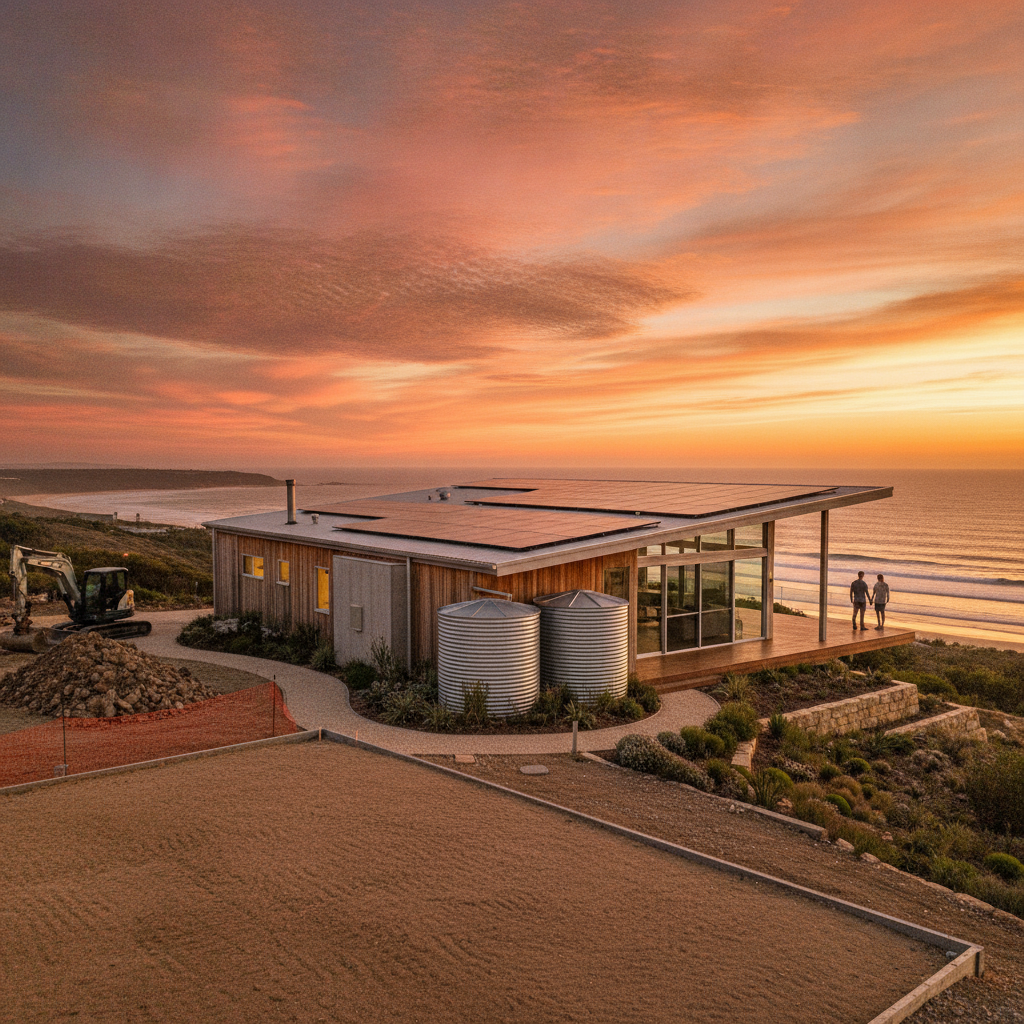
Building a home in a rural area gives you a great opportunity to think about sustainability. The insulation provided with your kit is a great starting point, but you can also think about how you use the sun to your advantage. Passive solar design is a smart way to keep your home comfortable. This involves orienting the house so that the main living areas face north. In the winter, the low sun will shine into the house and warm up the concrete slab, which then releases that heat during the evening. In the summer, wide eaves can shade the windows and keep the interior cool.
Water management is another big part of rural life. Installing large rain water tanks is common practice. Not only does this provide you with your own water supply, but it also helps with fire protection. Many owner-builders also look at installing solar panels to take advantage of the wide-open Australian skies. These choices make your home more self-sufficient and more comfortable to live in throughout the year.
A Lifestyle Choice for the Future
Choosing to build a kit home in a rural area is about more than just having a roof over your head. It is a lifestyle choice that reflects a desire for independence and a closer connection to the environment. For the growing number of remote workers across Australia, it is a way to bridge the gap between a modern career and a peaceful, regional life. While the process of being an owner-builder takes time and effort, the reward is a home that is built exactly how you wanted it, in a location that you love. It is a practical and fulfilling way to create a space that supports both your work and your family life for many years to come.