The Owner Builder Journey: Planning for Success
Becoming an owner builder in Australia is one of the most rewarding ways to create a home that truly reflects your lifestyle. Whether you are building a quiet retreat in the bush or a modern family home in the suburbs, the kit home path offers a unique blend of flexibility and hands on involvement. However, with that freedom comes the responsibility of project management. Without a professional builder holding the reins, the job of keeping the site running smoothly falls squarely on your shoulders.
Organisation is not just a soft skill when it comes to construction, it is the backbone of your entire project. From the moment your council approvals come through to the day you move in, your ability to manage timelines, communicate with trades, and coordinate deliveries will dictate how smoothly the build goes. Let’s look at how you can stay on top of the process while managing a kit home project.
Setting Up Your Project Command Centre
Before the first truck arrives on site, you need a dedicated space to manage the project. This could be a physical folder, a digital drive, or a combination of both. As an owner builder, you will be inundated with technical drawings, engineering certificates, and Council permits. Being able to put your hands on a specific document in seconds will save you hours of frustration down the track.
We recommend keeping a Master Site File. This should contain your approved plans, your soil test results, and the technical specifications of your steel frames. If a plumber asks a question about the slab height or a carpenter needs to check a window opening, you need that information ready to go. Digital tools like cloud storage are excellent for sharing plans with contractors on the fly, but having a hard copy on site in a waterproof sleeve is a must for daily operations.
Understanding the Kit Home Workflow
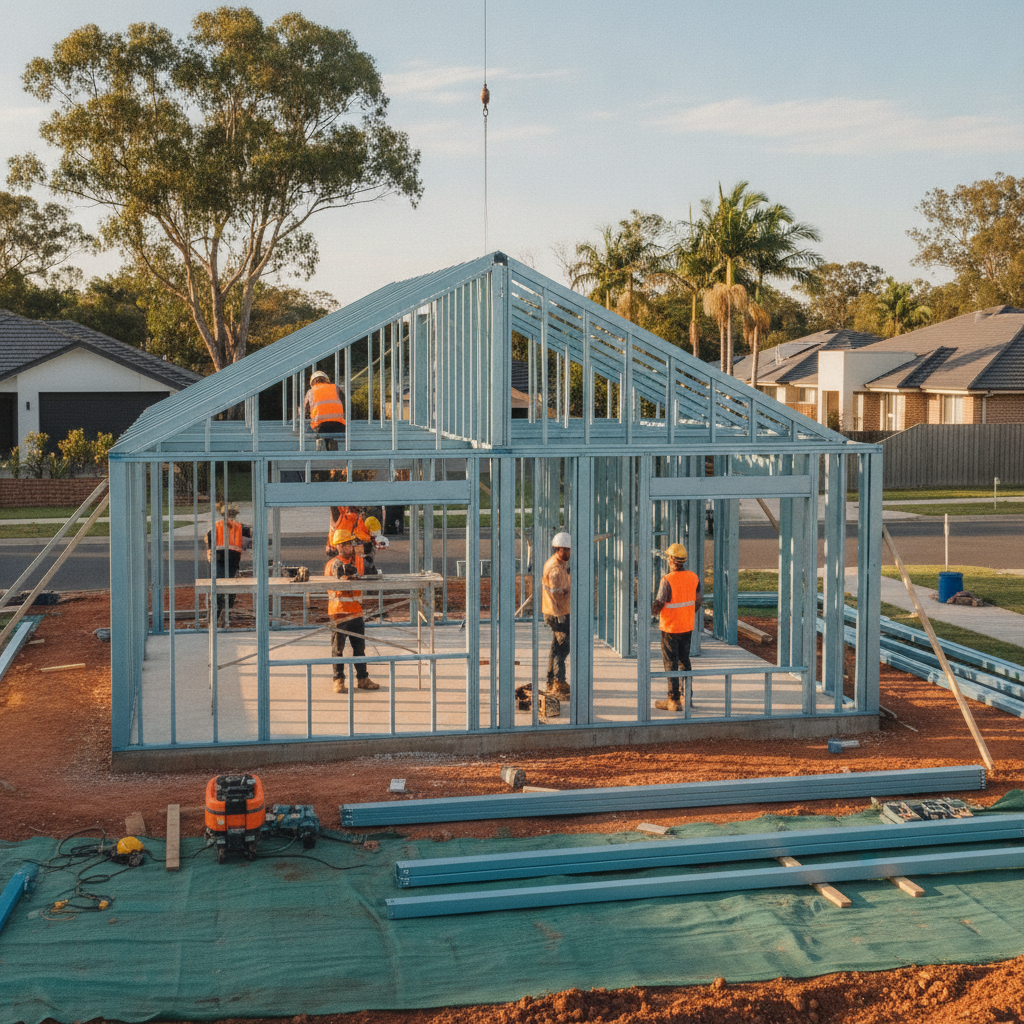
A common misconception is that a kit home is a single delivery that arrives and is finished in a week. In reality, a kit home build follows a logical sequence of stages. Understanding this flow is vital for staying organized. Typically, the process begins with site preparation and the slab or flooring system. Once the foundation is ready, your steel frames and trusses are delivered and erected.
Following the frame, you move into the lock-up stage, which involves roofing, windows, and external cladding. As an owner builder, you need to be thinking at least two stages ahead. While the frames are being bolted together, you should already be confirming the start dates for your roofing plumbers and external cladders. This foresight prevents the site from sitting idle, which is where many owner builder projects lose momentum.
The Art of Trade Coordination
One of the biggest challenges for owner builders is coordinating trades. Unlike a commercial building company, you might only be hiring an electrician or a plasterer once, so building a professional and organized relationship is essential. Good tradespeople are busy, and they appreciate a project manager who knows what they want.
Here are a few tips for managing your contractors:
- Clear Communication: Provide your trades with clear, up to date drawings. Don't rely on verbal instructions.
- Schedule Buffer Days: If the tiler says he will be finished by Wednesday, don't schedule the cabinet maker for Thursday morning. Give the project a day or two of breathing room in case of delays.
- Site Readiness: Ensure the site is ready for the trade before they arrive. If the electrician is coming to do the rough-in, the frames must be complete and the site clear of debris.
- Payment Processes: Have a clear agreement on when and how trades will be paid once they reach specific milestones.
Logistics and Delivery Management
Managing the delivery of materials is a major part of the kit home process. Your kit will include the critical structural components like the TRUECORE steel frames, roofing, and cladding, but you will also be responsible for sourcing items for the fit-out. Keeping a delivery log is a great way to stay organized.
When deliveries arrive, check them against the packing slip immediately. Ensure everything is accounted for and stored correctly. Steel frames are incredibly durable, but they should be stored on a flat, clear area to make the assembly process easier. Similarly, windows and doors should be stored in a secure, dry area to prevent damage before they are installed. Being organized with your site layout means you won't have to move a pile of timber or steel three times because it's in the way of the next delivery.
Navigating Council Inspections and Compliance
As an owner builder, you are the person responsible for ensuring the home meets the Building Code of Australia and local council requirements. This means you must schedule inspections at key intervals. Typically, these include the footings, the slab, the structural frame, and the final inspection.
Do not wait until the last minute to book your building certifier. In many parts of regional Australia, certifiers travel long distances and may only be in your area on certain days. Keeping a checklist of required inspections next to your project timeline ensures you don't accidentally cover up structural work before it has been signed off. Remember, your steel frame kit comes with engineering certifications that your certifier will need to see, so keep those documents organized and accessible.
The Importance of a Site Diary
A site diary is an owner builder’s best friend. This is a simple record of what happened on site each day. It doesn't need to be a novel, just a few bullet points covering which trades were on site, what work was completed, and what the weather was like. This diary serves two purposes. First, it helps you track progress against your original timeline. Second, it provides a record in case of disputes or questions later in the build.
For example, if a delivery was delayed by a week due to heavy rain, your site diary will remind you why the rest of your schedule shifted. It is also a great place to jot down small details, like the specific paint codes you used or the location of underground pipes, which will be incredibly useful for future maintenance of your home.
Maintaining Momentum and Managing Stress
Building a home is a marathon, not a sprint. It is natural for owner builders to experience a dip in energy midway through the project. Staying organized is actually one of the best ways to combat build fatigue. When you have a clear plan and can see items being ticked off your checklist, it provides a sense of accomplishment.
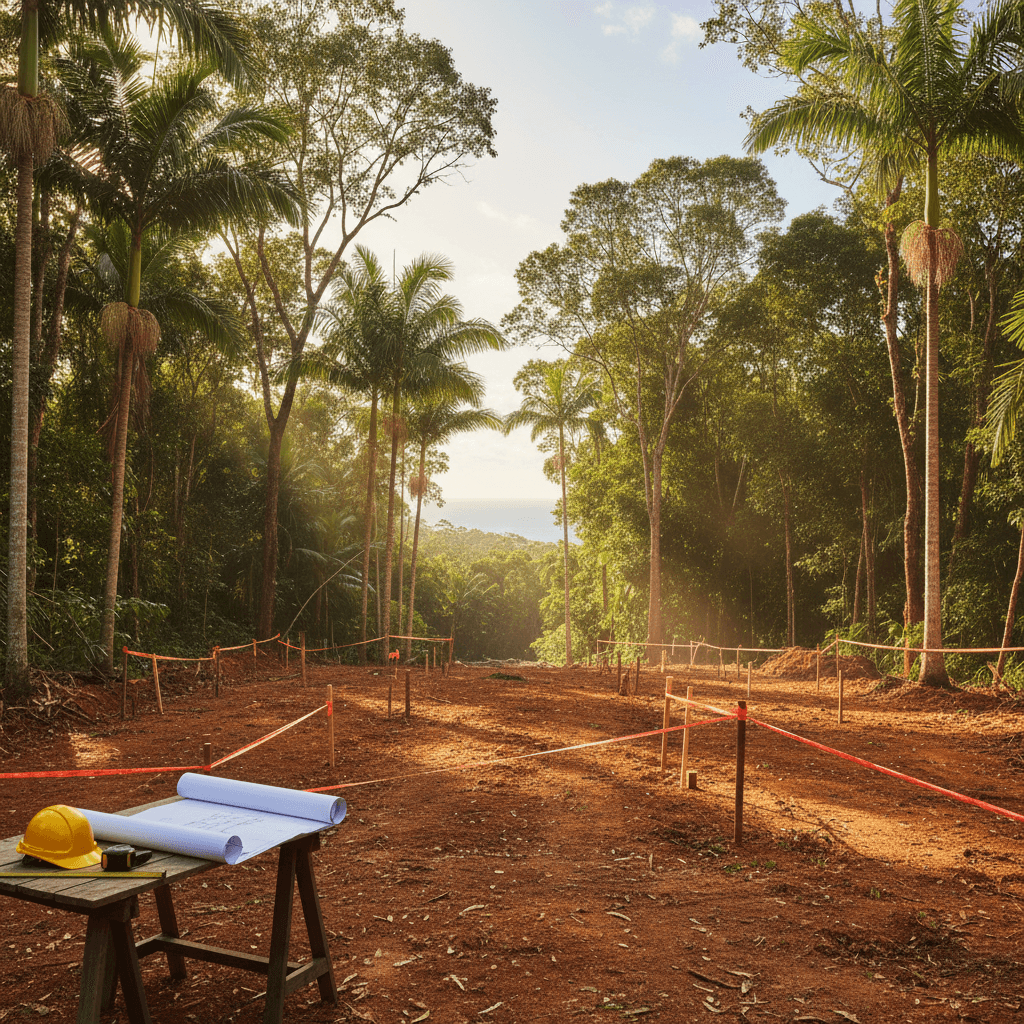
Try to set small, achievable goals each week. Instead of thinking about the entire house, focus on getting the windows installed or finishing the internal insulation. If you feel overwhelmed, step back and review your project files. Seeing how far you have come since the site was just a patch of dirt can give you the motivation to push through to the finish line.
Conclusion: The Reward of an Organized Build
Embarking on an owner builder project with a kit home is an incredible way to take control of your housing future. By staying organized, maintaining clear communication with your trades, and keeping your documentation in order, you can navigate the complexities of construction with confidence. The transition from a pile of steel frames to a beautiful, completed home is a journey of precision and planning. While the process requires hard work, the result is a home that you didn't just buy, but one that you truly built. With the right systems in place, your owner builder experience can be a smooth and deeply satisfying chapter in your life.