Outback Calling: Why Remote Work is Sending Aussies Kit Home Crazy
It's official: that commute you used to dread, sardined on the train or stuck in bumper-to-bumper traffic, well, for a lot of us, it's just not a thing anymore. Last Tuesday night at 11pm, there you were again - pinching and zooming on floor plans while the kettle boiled for the third time. The big city has lost some of its shine, hey? The past few years have flipped the script on how and where we work, pushing more and more Aussies to ditch the urban grind and make a proper tree change. And for heaps of those folks, a kit home is the smart way to get that country dream built.
We've seen it firsthand, the inquiries piling up from all corners of the country. People working from their lounge room in Sydney, staring at the same four walls, suddenly thinking, 'Why am I paying this much for a shoebox when I could have acres and fresh air?' It's a fair point. This move to working remotely, often permanently, means your postcode doesn't dictate your career anymore. That's a huge shift. And that shift is driving a serious boom in demand for housing in regional and rural Australia.
The Rural Renaissance: Why Everyone's Moving
It's not just about escaping the city's rat race, though that's a big part of it. There's a genuine desire for more space, a backyard for the kids or the dogs, maybe even a veggie patch that actually produces something. The cost of living is a kicker too. Property in the regions is still generally more affordable, giving you more bang for your buck, or letting you pay off that mortgage a lot quicker. That's a massive drawcard, especially when you're still pulling a city wage but living with country expenses.
Plus, the internet, it's actually decent in a lot more places now. You don't have to put up with dial-up speeds just to get away from it all. NBN, satellite, whatever it is, connectivity has improved enough that working from a property near Armidale or down past Margaret River isn't just a fantasy. It's totally achievable. People are looking at maps and seeing those blank spaces, those undeveloped blocks, and thinking 'Yeah, I could build something great there.' And a kit home, especially one with a strong, durable steel frame, makes that jump a whole lot easier.
Why Kit Homes are the Go-To for Tree Changers
So, you've got your block, you've got your remote job, now what? Building a traditional home in a regional area can be a nightmare. Finding reliable trades, getting materials delivered without costing an arm and a leg, managing a project from a few hundred kilometres away - it's a huge headache. That's where kit homes truly shine.
We supply the main structural components - the frames, roofing, cladding, windows, doors, and insulation. All that stuff comes delivered to your site. This means less running around for you, less chasing suppliers, and a much clearer path to getting a lock-up stage. You're still managing the project, don't get me wrong, but the bulk of the material supply is sorted. And that's a massive weight off your shoulders when you're already juggling a new lifestyle and a work schedule.
Steel Frame Benefits: Built Tough for the Bush
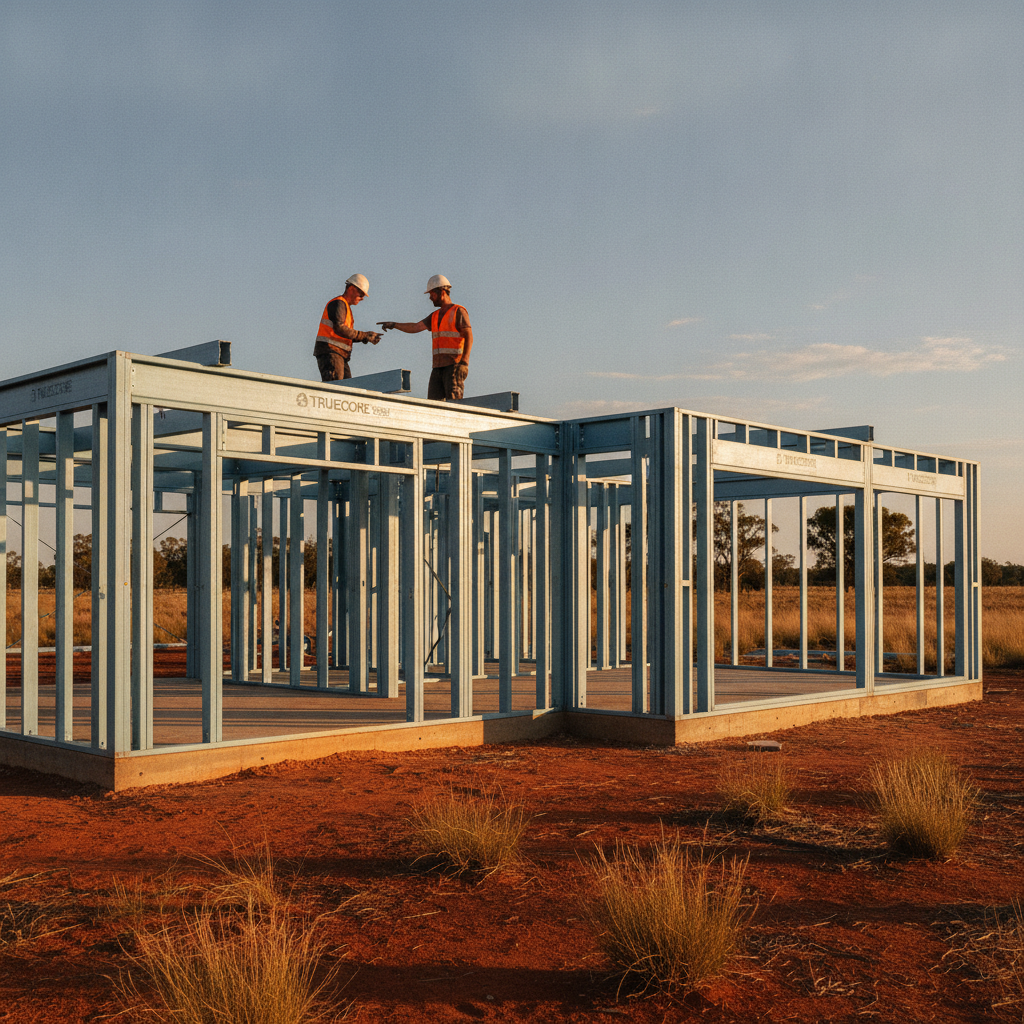
When you're building in regional Australia, you're often dealing with some pretty harsh conditions. Termites, bushfires, cyclonic winds in certain parts - it's not always a gentle breeze. That's why steel frame kit homes, like the ones we build with TRUECORE steel, are such a good fit. Timber frames? They're fine, but they rot, they warp, and termites absolutely love 'em. Steel, on the other hand, doesn't get eaten by termites. Not a chance.
It's also non-combustible. That's a huge factor for properties in bushfire prone areas (BAL ratings, remember that?). A steel frame won't ignite or add fuel to a fire, giving you and your family precious extra time. Plus, it's strong. Really strong. Designed to meet Australian Standards like AS 4100, steel frames hold up against the elements. We're talking cyclones, strong winds. They don't warp or twist over time, meaning your walls stay straight, your windows stay square. That's peace of mind for anyone building their dream home out in the sticks.
Owner Builder Tips: Getting Your Hands Dirty (the Smart Way)
If you're seriously considering a kit home, chances are you're leaning towards being an owner-builder. Good on ya. It's a huge undertaking, but incredibly rewarding. Here's a few things you need to suss out first:
- Council Approval is King: Before you even think about ordering that kit, get friendly with your local council. Development Applications (DAs) take time, sometimes months. Understand their specific requirements, setbacks, bushfire attack level (BAL) ratings, and what services you'll need on site. Every council is different. Don't assume.
- Site Works First: Your kit can't arrive until your site is prepped. We're talking earthworks, levelling, and getting your slab down. This isn't part of our kit, so you'll need to arrange your own concreters. A good, level slab is absolutely crucial for a smooth build. Don't skimp here.
- Trades: Get Quotes Early: Unless you're doing absolutely everything yourself (and who really does?), you'll need trades. Plumbers, electricians, plasterers, roofers (though our kit supplies the roofing material, installation is up to you or your subbie). Get multiple quotes. Check references. Good tradesmen in regional areas can be booked out months in advance.
- Know Your Limits: Be honest with yourself about what you can realistically do. Some jobs are best left to licensed professionals, like electrical and plumbing. Trying to save a few quid by doing something dodgy can cost you a fortune down the track, and put lives at risk.
- Tool Up: You'll need more than a hammer. Think drills, saws, levels, safety gear. Bunnings will become your second home. Invest in decent tools; they'll save you time and frustration.
- Organisation is Key: This isn't a weekend project. Keep all your paperwork in order - plans, approvals, invoices, safety certificates. Set up a clear schedule and try to stick to it. Things will go wrong, they always do, but good organisation helps you roll with the punches.
Kit Home Tips: Making Your Project a Success
Picking the right kit home is more than just choosing a nice picture from a brochure. It's about practicalities, future-proofing, and making sure it fits your new lifestyle.
- Design for Your Block: Don't just pick a design you like. Consider your block's orientation - where's the morning sun? The afternoon heat? Which way does the prevailing wind blow? Maximise natural light and ventilation. A well-designed home will be cheaper to run in the long term.
- Understand the Inclusions: Know exactly what comes in your kit. We provide the frames, roofing, cladding, windows, doors, and insulation. Things like internal linings (plasterboard), kitchen, bathroom fixtures, flooring - that's all on you. This is where you get to personalise your space, sure, but it's also where your budget needs to be tightly managed.
- Delivery Logistics: If you're building way out in the sticks, talk to us about delivery. Can a semi-trailer get to your site? Is there space to offload? These might seem like small details, but they can become massive headaches if not sorted early.
- Future-Proofing: Think long term. Is this your forever home? Will you need more space for a growing family? Or perhaps a dedicated office space for that remote work setup? Planning for future extensions or modifications upfront can save you grief later. A good steel frame design allows for flexibility, often making additions relatively straightforward down the track.
Design & Lifestyle: Creating Your Bush Retreat
This isn't just about building a house; it's about building a life. That remote job means you're spending more time at home, so that home needs to work for you. Think about:
Dedicated Office Space: A proper office, not just a corner of the dining table. Soundproof if you're on video calls all day. Plenty of power points. Natural light. Maybe even a separate entry if you have clients visit, though that's less common for remote work.
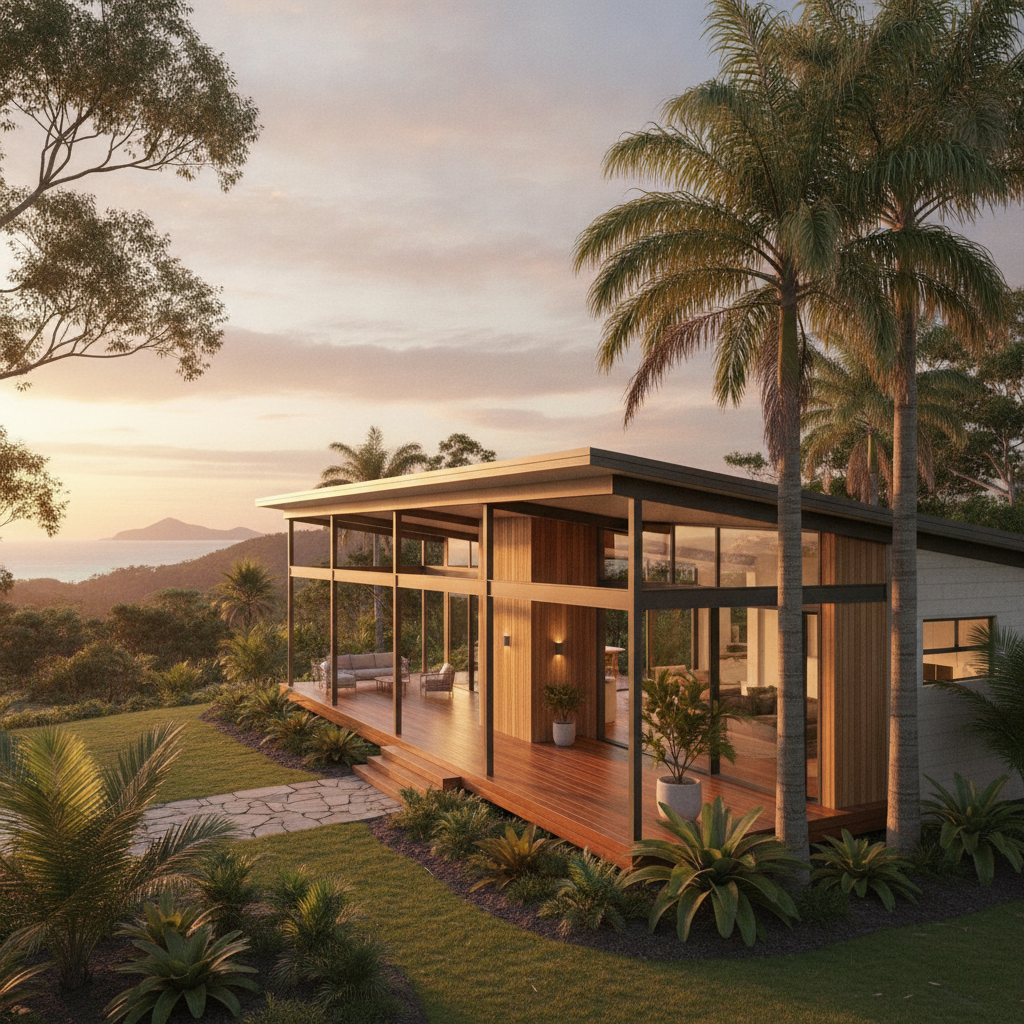
Indoor-Outdoor Flow: The whole point of moving to a rural block is to enjoy the outdoors, right? Big decks, verandas, large sliding doors - make that connection seamless. Our designs, with their strong steel frames, allow for those expansive openings without compromising structural integrity.
Sustainable Living: With more land, you've got options. Rainwater tanks, solar panels, septic systems - these are often necessities in rural areas, but they also contribute to a more self-sufficient, sustainable lifestyle. Integrate these into your plans from the get-go. And good insulation, which comes in our kits, makes a massive difference to energy bills.
Community Connection: Don't forget the social side. Living remotely doesn't mean living in isolation. Research the local community, join clubs, get involved. That's how you really make a tree change work. The pub might be further away, but the friendships can be stronger.
The Australian landscape is dotted with new possibilities, new lives being built. Remote work has simply accelerated a trend that's always been there - the lure of space, peace, and making something your own. Kit homes, with their practicality and durability - especially those tough steel frames - are helping make that dream a reality for thousands of Aussies. So, if you're still staring at those city walls, reckon it's time for a change? We're here to help you get started.