Owner Builder Survival Guide: Wrangling Subbies for Your Rural Kit Home
So, you've decided to build a kit home, maybe a cracker from Imagine Kit Homes, out there in the peace and quiet. Good on ya. That's a huge step. But here's the kicker for an owner builder, especially when you're a fair way from town: managing the tradies. It’s not just about getting them on site, it’s about getting them to do the job right, on time, and without costing you a fortune in call-backs. I've seen it all in 15 years in this industry, the good, the bad, and the truly ugly when it comes to subbies. Let's talk about how you keep the show on the road.
Finding the Right Crew: Not Just the Cheapest Quote
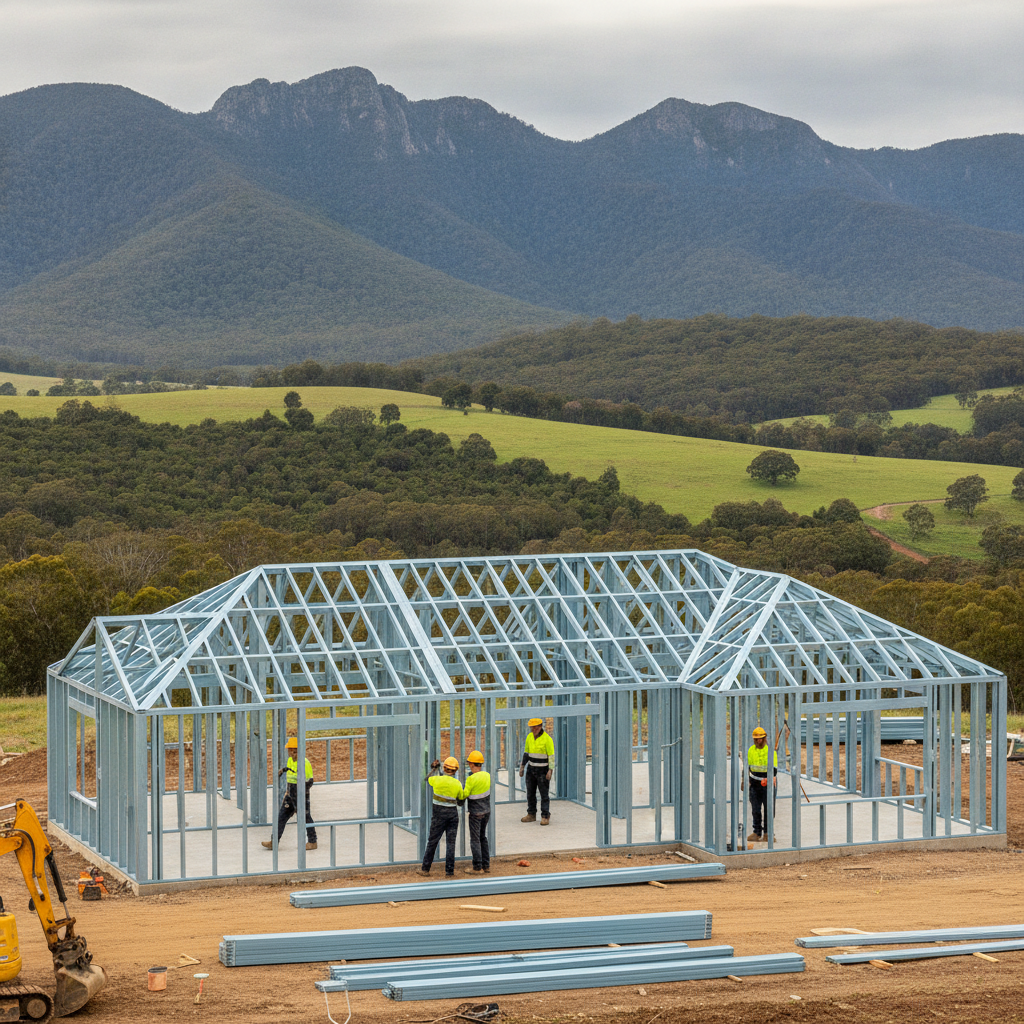
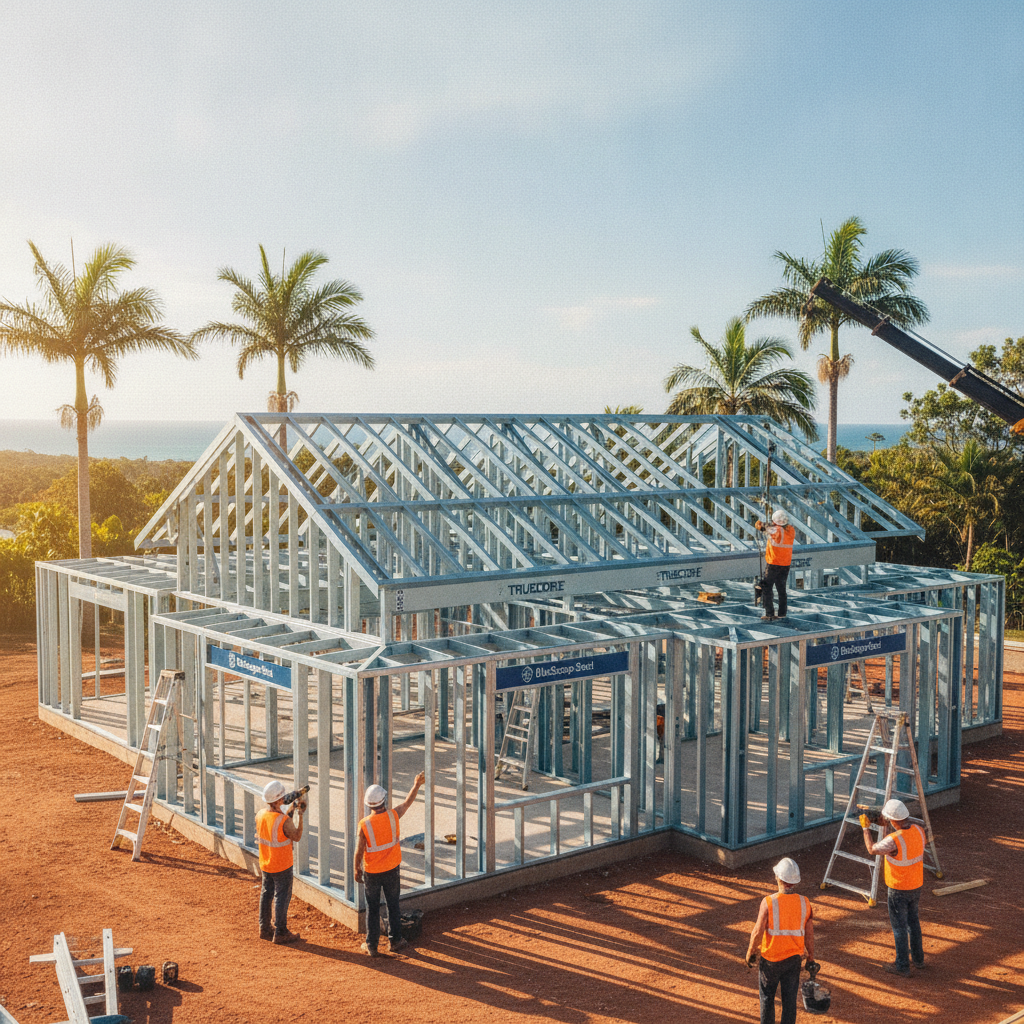
First up, finding reliable subcontractors. This isn't like picking up a tin of paint at Bunnings. You can't just grab the first bloke with a ute and a business card. Especially out in regional Australia, good tradies are gold. Ask around. Seriously, talk to your neighbours, the bloke at the local hardware store, even the guys at the pub. Word of mouth, that's your best mate. You want tradies who've worked on kit homes before, or at least homes with steel frames, if that's what you're building. BlueScope Steel's TRUECORE frames are fantastic, but they have their own quirks compared to timber, and you want someone who gets it.
Don’t just get one quote. Get three, minimum. And don’t automatically go for the cheapest. A lowball quote often means a rush job, corners cut, or they’ve missed something crucial in your plans. You'll pay for it later, one way or another. Look at what’s included. Is rubbish removal part of the deal? Are they providing their own materials or are you? Get it all in writing. Every single thing.
The Contract is King: Get It Down on Paper
This is where heaps of owner builders fall down. They shake hands, have a chat, and think that's good enough. Wrong. That’s a recipe for disaster. Every single job, no matter how small, needs a written agreement. And I don’t mean a scribble on the back of a coaster. We’re talking a proper contract, outlining the scope of work, materials to be used, timelines, payment schedule, and what happens if something goes pear-shaped.
Your contract should specify things like:
- Detailed Scope of Work: Exactly what they are doing. "Install roof" isn't good enough. "Install roofing iron to manufacturer's specifications, including battens, sarking, and flashings, using material supplied by owner (or by subbie - specify)." See the difference?
- Materials: Who supplies what? If they're supplying, specify brand and quality. No surprises later.
- Start and Finish Dates: Give them a window, and include penalties if they drag their feet without a good reason.
- Payment Schedule: Don't pay everything upfront. A deposit, then progress payments linked to completed stages of work. A retention amount held until final sign-off is smart too.
- Insurance: Public liability insurance is a non-negotiable. Ask for a Certificate of Currency.
- Warranty: What sort of warranty do they offer on their work?
- Site Rules: Things like working hours, site cleanliness, safety expectations.
Don't be afraid to be specific. This is your home, your money. If they push back on a detailed contract, that's a red flag waving like a tea towel in a hurricane. Walk away.
Communication is Your Best Tool
Once you’ve got your subbies lined up, the next big thing is communication. Clear, constant, and documented. Don't just tell them something on site; follow it up with an email or a text. So you’ve got a record. "As per our conversation today regarding the plumbing rough-in, please ensure the hot water system connection is on the south wall, not the west, as discussed." Something like that. It saves arguments later. And misunderstanding when they're working far from the main house.
Hold regular site meetings, even if it’s just a quick five-minute chat each morning. Get everyone on the same page about what needs doing that day, what’s coming next, and any potential roadblocks. You're the boss. You set the tone.
Scheduling: The Owner Builder Juggling Act
This is where owner builders often get a headache. One trade finishes, the next needs to start. But what if the first trade runs late? Or the second one is booked solid for the next three weeks? It happens. And it's worse in regional areas where there are fewer tradies to choose from. You need a buffer. Don't schedule things back-to-back with no breathing room. Build in a few extra days between trades.
For example, if the concreter says the slab will be poured by Friday, don't book the frame erectors for Monday. Give it until Wednesday. What if it rains? Or the truck breaks down? You'll be paying idle frame erectors to stand around drinking coffee, and you don’t want that. Plus, with a kit home, especially if you're getting a delivery to a rural site, coordinate that kit arrival with your frame erectors. You don't want steel frames sitting out in the weather for weeks before someone can get to them.
A good tip is to create a simple Gantt chart for your project. You can do it on a spreadsheet, honestly. List all the tasks, who’s doing them, and the planned start and finish dates. Colour-code it. It helps you see the whole picture and spot potential clashes before they become real problems. And share it with your main subbies so they know when they're needed and what's happening around them.
Quality Control: Your Eyes Are Your Best Asset
You are the quality control manager. Walk the site every single day. Look at everything. Don't be shy about asking questions if something doesn't look right. "Why is this stud here and not 100mm over, as per the plans?" "Is that level?" "Are these fixings to standard?" You don’t need to be an expert in every trade, but you need to know what the plans say and what Australian Standards (like AS 4100 for steel structures, if your kit is steel framed) require. Your kit home supplier, like Imagine Kit Homes, will provide detailed plans. Use them. That’s your bible.
If you spot an issue, address it immediately. Don't let it slide, thinking it's minor. A minor issue left alone becomes a major headache. Get it fixed while the tradie is still on site and before the next stage of work covers it up. It's much easier to fix a crooked wall stud before the plaster goes on than after. And never, ever make a progress payment if you're not happy with the quality of the work completed for that stage.
Safety First, Always
As the owner builder, you're responsible for site safety. Even if your subbies are generally good blokes, accidents happen. And when you're out in the country, a long way from medical help, safety is even more critical. Make sure they're following safe work practices. Are they wearing their PPE? Is the site tidy? Are tools stored correctly? Are there trip hazards? It's not about being a nag; it's about protecting everyone, and yourself from a heap of grief and potential legal trouble. You'll want to brush up on your obligations under relevant WHS legislation in your state.
Rural Realities: The Kit Home Advantage (and Challenges)
Building a kit home in a rural setting brings its own set of things to think about. Deliveries, for one. Getting a massive truckload of steel frames, roofing, and cladding down a long, unsealed driveway after three days of rain? That's a fun one. Coordinate with your supplier and your delivery driver. Make sure your site is accessible and clear. You might even need to stage deliveries if access is particularly tricky.
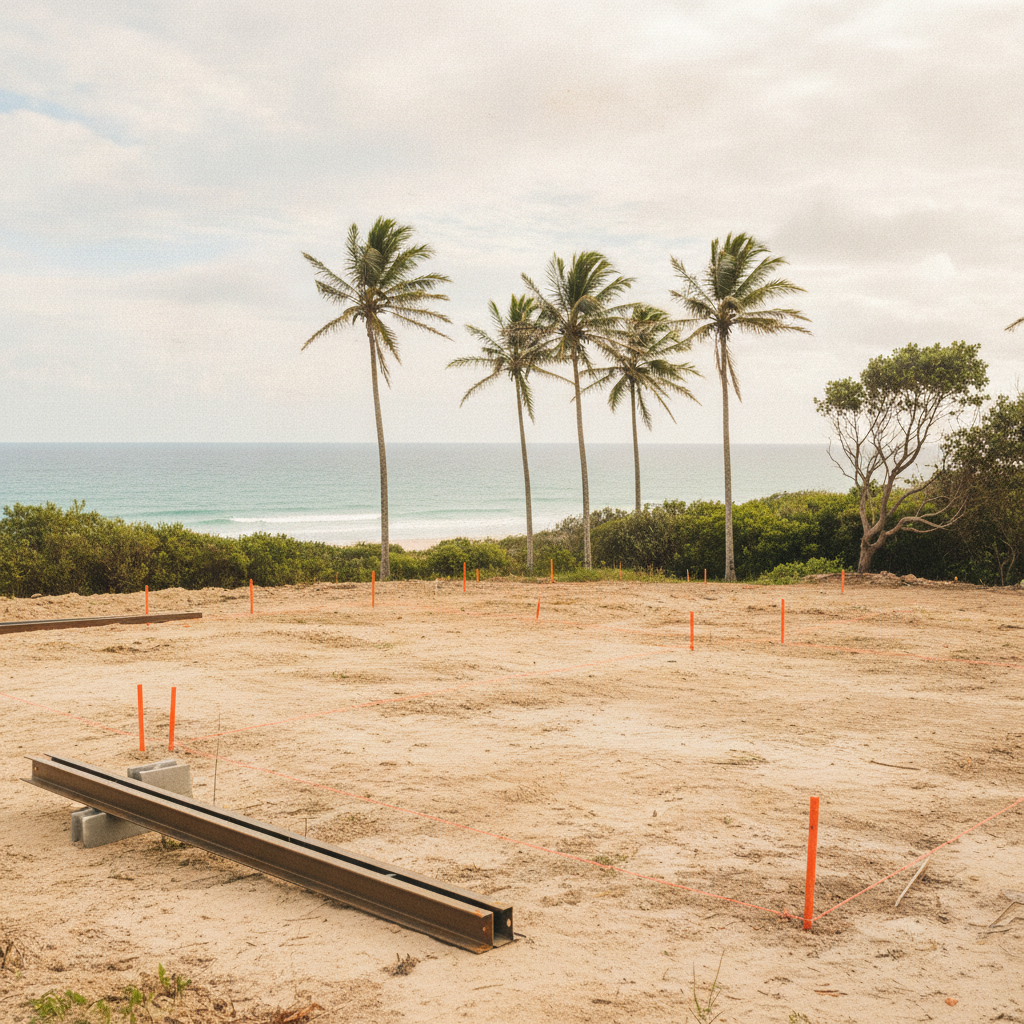
Water and power. Have you got temporary power hooked up? Where's the water for mixing concrete or for a cuppa? These seem basic, but they're often overlooked in the rush. Your subbies will need them. And accommodation. If you’re bringing tradies in from out of town, are they camping out, or driving back and forth? Think about how far they're travelling and if that’s going to impact their ability to show up on time.
And then there's the council. Rural properties often have slightly different rules or planning overlays. Make sure your building permit is rock solid and you understand any specific requirements for your area, like bushfire attack level (BAL) ratings. Your kit home supplier will design to these, but you need to ensure your subbies are aware and building to those specs.
Don't Be Afraid to Get Your Hands Dirty
You're an owner builder for a reason, right? You want to be involved. You want to save some coin, and you want that satisfaction of building your own place. So, get stuck in where you can. Cleaning up the site, running for supplies (hello, multiple trips to Bunnings), helping to unload deliveries. Just be careful not to get in the way of the professionals or do anything that compromises their work or your warranty. If you’re capable and confident, you can tackle some of the simpler tasks yourself, like painting or installing skirting boards. It’s all about working smart, not just hard.
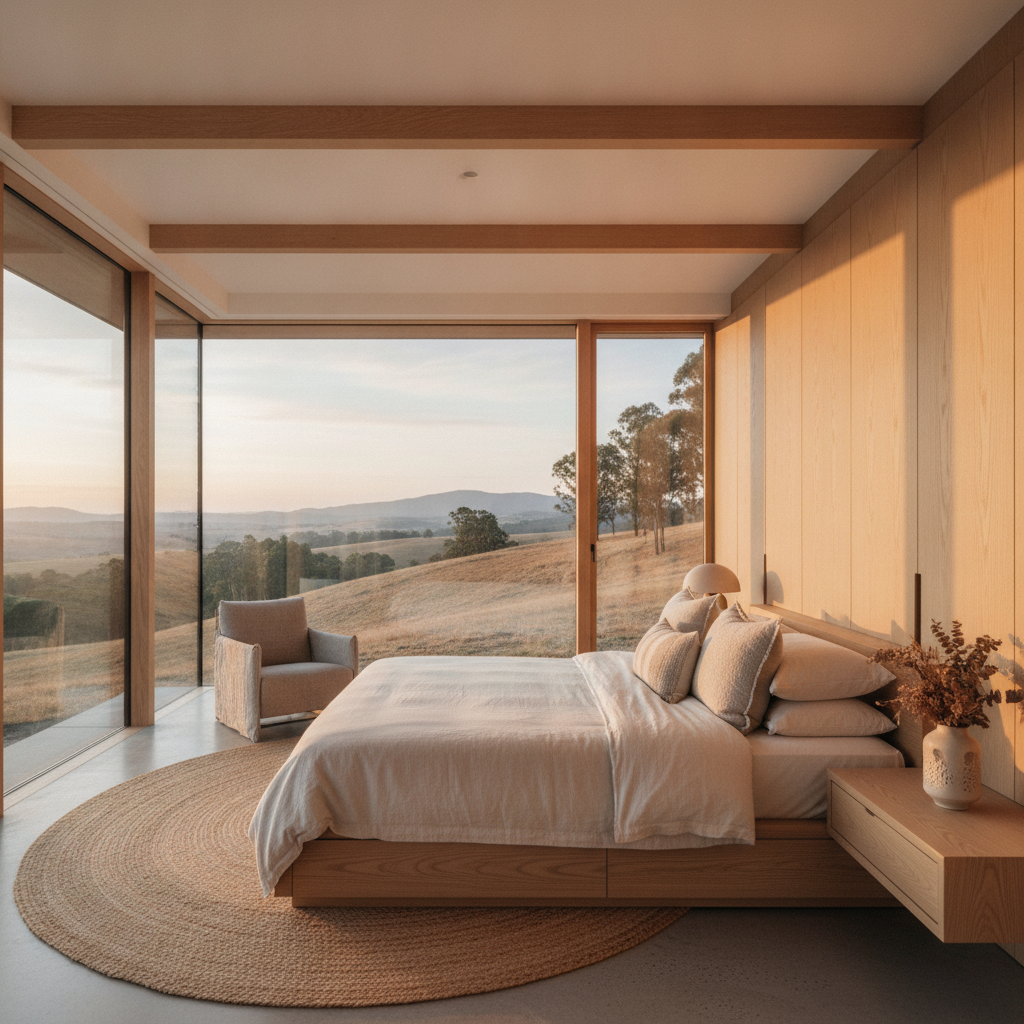
Managing subcontractors on your rural kit home build is a big task. No doubt about it. But with solid contracts, clear communication, smart scheduling, and a keen eye for quality, you can absolutely do it. It'll be a challenge, sure, but when you're sitting on your verandah, looking out over your patch of Australia, in a home you helped build, it'll all be worth it. Every single bit.