The New Australian Dream is Smaller Than You Think
For decades, the Australian property dream was synonymous with a sprawling quarter-acre block and a massive family home. However, look over the back fences of any thriving suburb in Sydney, Brisbane, or Melbourne today, and you will see a subtle revolution taking place. The traditional backyard is being reimagined. No longer just a patch of kikuyu or a place for the Hills Hoist, it has become a canvas for clever, stylish secondary dwellings.
Whether it is a sanctuary for aging parents, a teenage retreat, or a dedicated home office, the kit home granny flat has evolved from a basic box into a boutique architectural statement. This shift toward secondary dwellings is not just about adding floor space, it is a response to our changing lifestyles and the need for more flexible, sustainable ways of living. In this guide, we dive deep into the design, lifestyle, and practical considerations of building a secondary dwelling on your property.
The Multifaceted Purpose of Modern Secondary Dwellings
One of the most exciting aspects of the rise in kit homes Australia wide is the incredible diversity in how they are being used. Gone are the days when a secondary dwelling was strictly for a granny. Modern homeowners are utilizing these spaces to solve a variety of lifestyle challenges.
The Multi-Generational Anchor
With housing dynamics shifting, many Australian families are looking for ways to stay together while maintaining independence. A well-designed kit home allows for a separate, fully functional living space on the same title. It provides the perfect balance of proximity and privacy, allowing grandparents to be close to their grandchildren while still having their own front door and kitchen.
The Professional Sanctuary
The work from home era is here to stay, but working from the dining table or a cramped spare room can take its toll. A kit home studio offers a professional environment tucked away from the chaos of the main house. Because these kits can be shipped to almost any location in Australia, even those on regional blocks can create a high-end corporate office in their own garden.
Creative and Wellness Hubs
We are seeing a surge in people using kit homes for non-traditional purposes. This includes yoga studios, art ateliers, and even specialized hobby rooms for musicians or restorers. The beauty of starting with a kit is the ability to tailor the internal layout to these specific passions.
Designing for Small Spaces: Style Meets Function
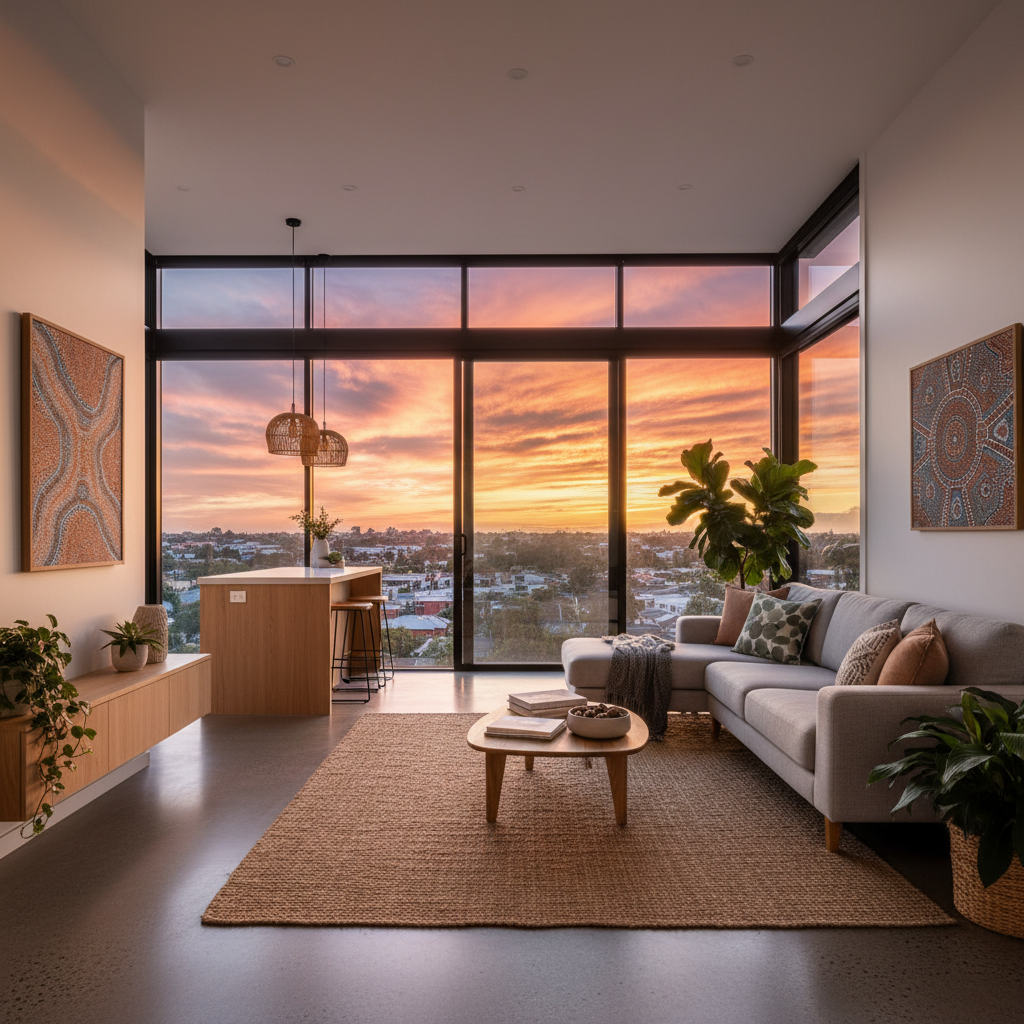
When you are working with a smaller footprint, design choices become significantly more important. The goal is to create a sense of volume and light so that the space feels airy rather than restrictive. Here are some lifestyle-focused design tips for your Australian kit home.
Embrace Vertical Volume
High ceilings are the oldest trick in the book for a reason. By opting for a design that allows for increased ceiling height or even a skillion roof, you draw the eye upward. This creates an immediate feeling of luxury and space. In an Australian climate, this also helps with airflow and temperature regulation.
Outdoor Integration
In Australia, we live half our lives outdoors. When planning your kit home layout, consider how the interior connects to a deck or veranda. Huge sliding doors or bi-fold windows can effectively double your living area by blurring the lines between the lounge room and the garden. Using consistent flooring materials from the inside to the outside can also make a small space feel much larger.
Smart Material Choices
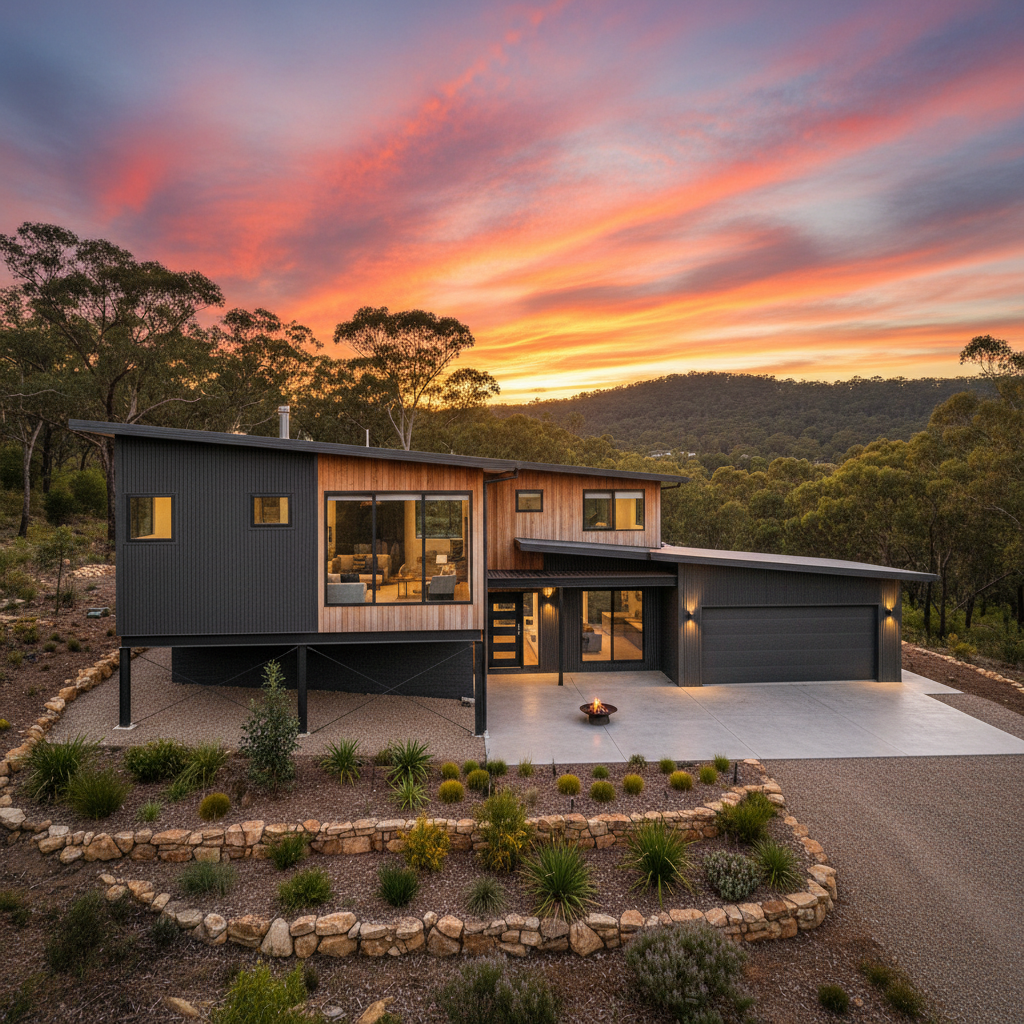
The materials you choose for the exterior of your kit home will define its character. While the internal structure often relies on the strength and precision of steel frames, the external cladding is where you can get creative. From sleek metal finishes to textured weatherboards, you can design a secondary dwelling that either complements your main home or stands out as a unique architectural feature.
The Kit Home Advantage: Why Steel Frames Rule
While the focus is often on the finished look, what goes on inside the walls matters immensely. Most high-quality kit homes in Australia now utilize steel frames, specifically BlueScope Steel like the TRUECORE range. This choice is particularly smart for secondary dwellings for several reasons.
Firstly, steel frames are incredibly durable and resistant to termites, which is a significant concern in many Australian coastal and rural regions. Secondly, steel is straight and true. For an owner-builder, this means the walls are perfectly square, making the installation of windows, doors, and internal linings much smoother. Unlike timber, steel will not warp or twist over time, ensuring your secondary dwelling remains in top condition for decades.
Owner Builder Tips: Navigating Your Journey
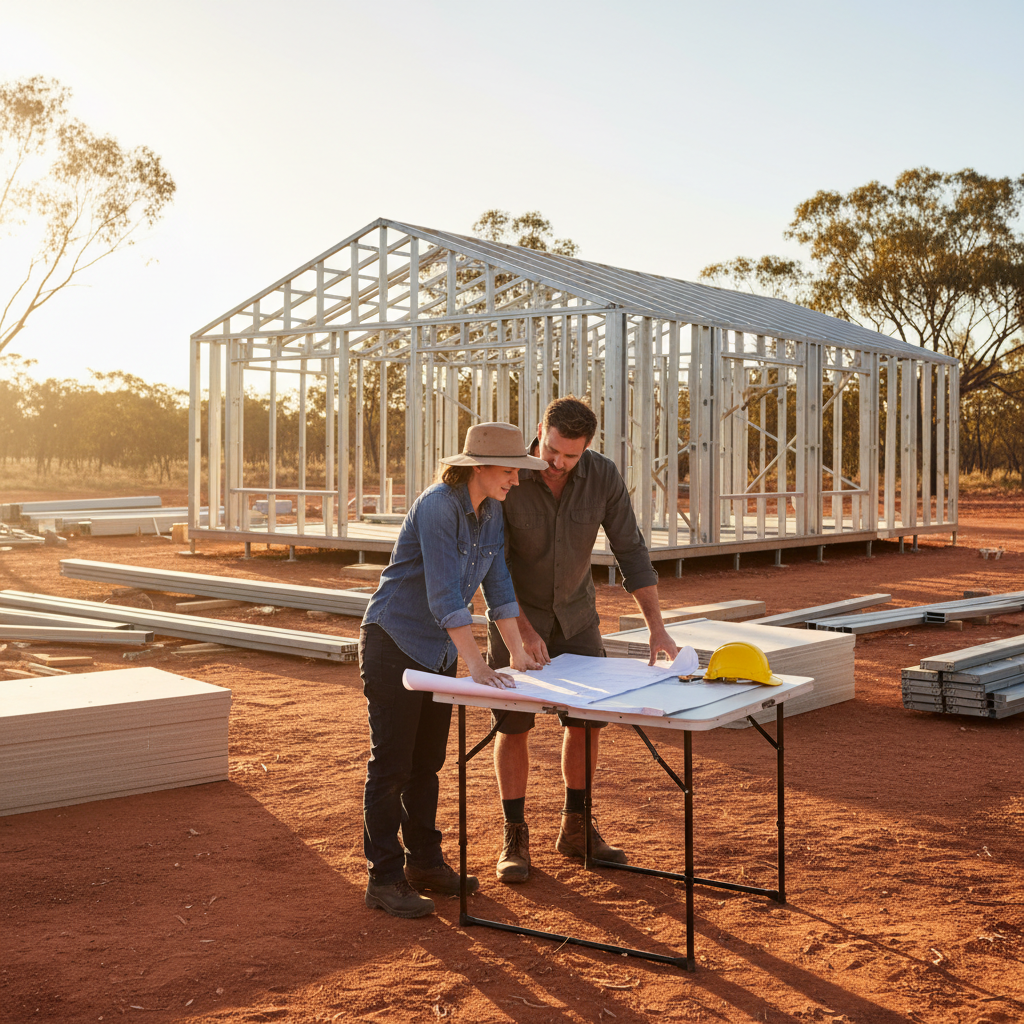
Taking on the role of an owner-builder is a rewarding way to bring your secondary dwelling to life. It gives you complete control over the finish and the pace of the project. However, it does require a bit of homework. Here are some practical tips for those ready to get their hands dirty.
1. Know Your Local Council Inside Out
Regulations for granny flats and secondary dwellings vary significantly between different local government areas in Australia. Some councils have very specific rules regarding the size of the dwelling relative to your block, while others have simplified the approval process to encourage more housing. Before you fall in love with a kit design, check your local planning scheme.
2. Site Preparation is Everything
A successful build starts with a solid foundation. Whether you are opting for a traditional concrete slab or a raised floor system, ensuring the site is level and accessible is vital. Think about how the kit components will be delivered to your backyard. Is there a clear path for the truck or will you need to move materials by hand?
3. Organize Your Trades Early
Even though you are an owner-builder, you will likely need licensed professionals for specific tasks like plumbing and electrical work. In the current Australian construction climate, good tradespeople are in high demand. Reach out to them early in the process so they can fit your kit home project into their schedule.
The Sustainability Factor
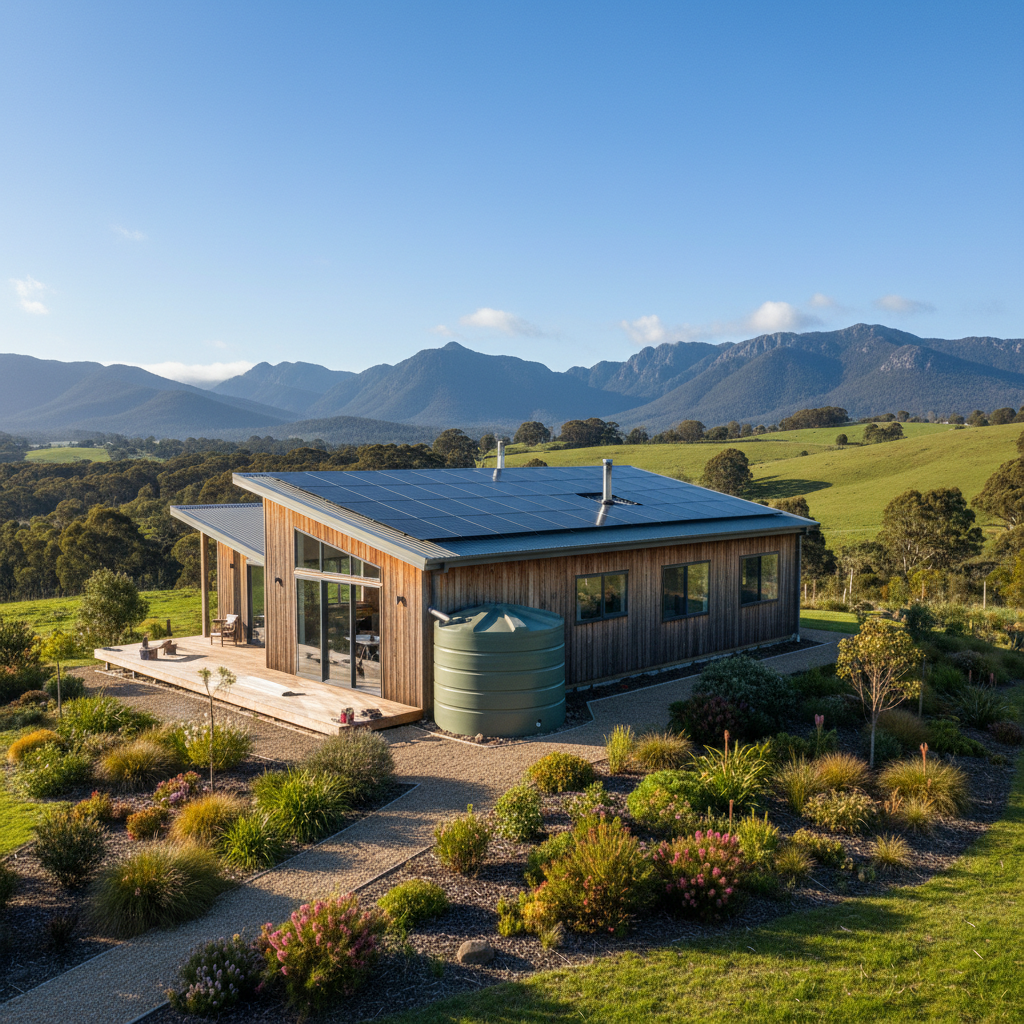
Building a kit home is a fantastic opportunity to embrace sustainable living. Because secondary dwellings are smaller, they require less energy to heat and cool. When building in Australia, orientation is key. Position your kit home to capture the winter sun through north-facing windows while using eaves or awnings to block the harsh summer heat.
Quality insulation (which is typically included in your kit) and high-performance windows are essential components. Using a steel-framed kit also means less waste during the construction process, as the frames are manufactured to precise measurements before arriving on site.
Final Thoughts: Your Backyard, Your Way
The rise of the kit home in Australia reflects our growing desire for smarter, more versatile living arrangements. Whether you are looking to create a sanctuary for family, a workspace for your business, or a creative retreat, these secondary dwellings offer an accessible path to better living. By combining clever design with the structural integrity of steel frames, you can build a home that is as beautiful as it is functional.
Ready to start your journey? Take the time to explore different floor plans, imagine how the light will hit your new deck, and prepare for the rewarding experience of being an owner-builder. Your backyard is full of potential, it is time to unlock it.