The Great Australian Wave of Change
For decades, the Australian dream was synonymous with a massive backyard and a sprawling four bedroom home. However, look around any suburb or regional town today and you will notice a significant shift. Australians are rethinking what it means to live well. The focus has moved away from 'bigger is better' toward smarter, more efficient, and more manageable living spaces. This trend has sparked a massive resurgence in the kit home market, as owner builders look for ways to create bespoke dwellings that match their lifestyle without the excess baggage of traditional construction.
The rise of the smaller, smarter home is not just about saving space, it is about gaining time and freedom. Whether it is a couple looking to downsize to a low maintenance sanctuary, a young professional building a backyard studio, or a family creating a weekend getaway on a rural block, the motivation is the same. People want quality, durability, and a home that works for them, rather than them working for the home.
Why Smaller Designs are Taking Over
The move toward compact living is driven by a mix of lifestyle desires and environmental consciousness. Australians are becoming more aware of their footprint. A smaller home footprint means less energy to heat and cool, fewer materials used during the build, and less time spent cleaning on a Saturday morning.
Modern kit homes are at the forefront of this movement. By utilizing advanced design software and precision manufacturing, these homes make use of every square centimeter. We are seeing a move toward open plan living areas that flow seamlessly into outdoor zones, making a modest footprint feel expansive. High ceilings and strategically placed windows are being used to invite natural light, further enhancing the sense of space.
The Intelligence of Smart Design
When we talk about 'smart' homes in the context of Australian housing trends, we are not just talking about voice activated lights or internet connected fridges. True smart design is about the structural intelligence of the building. It is about how the home performs in the harsh Australian climate.
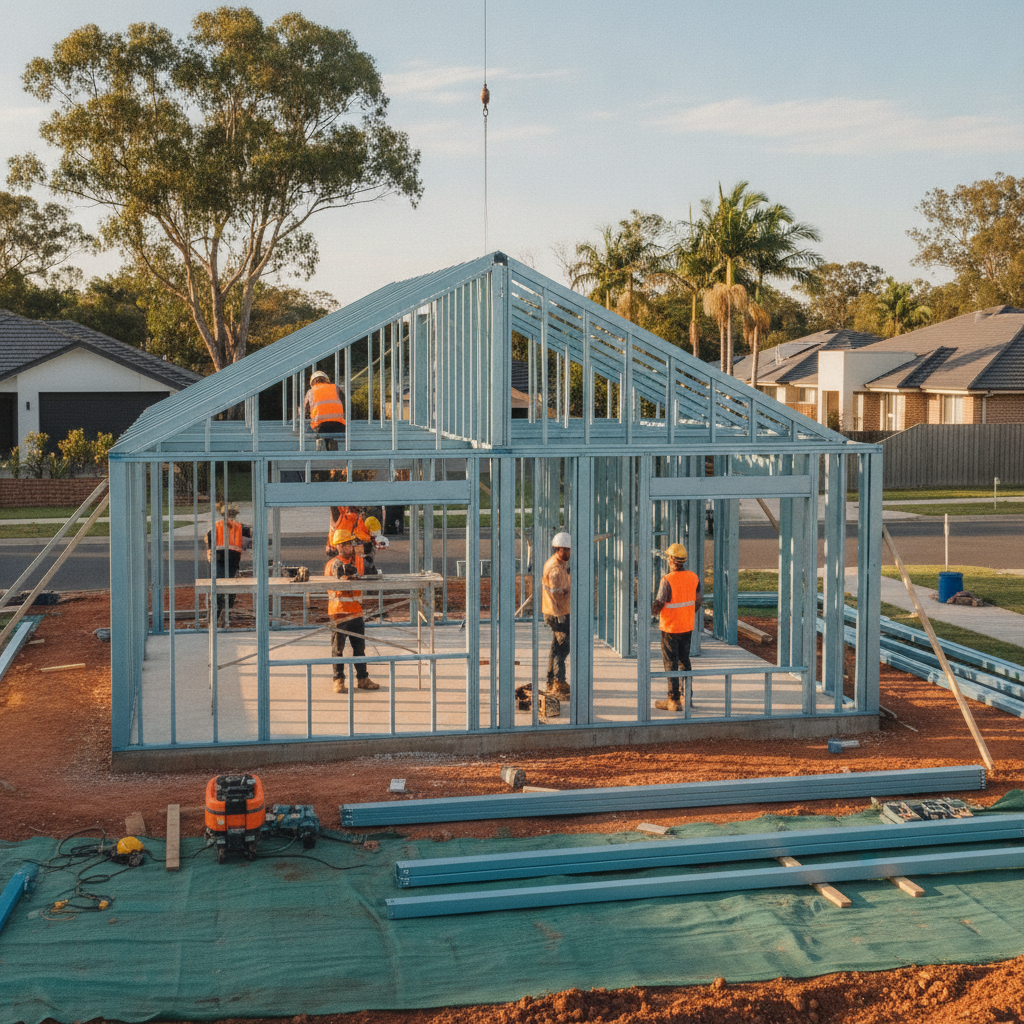
This is where the choice of materials becomes vital. Many owner builders are opting for steel frame kit homes because of their inherent resilience. Using BlueScope TRUECORE steel ensures that the skeleton of the home is straight, true, and resistant to termites. In a smaller home, where every wall and corner counts, having a frame that will not warp or twist over time is essential for maintaining the clean lines of a modern aesthetic.
Key Features of a Smart Kit Home:
- Multi-functional Spaces: Guess rooms that double as home offices or built in cabinetry that hides a laundry.
- Thermal Efficiency: Proper orientation and high quality insulation included in the kit to manage the summer heat.
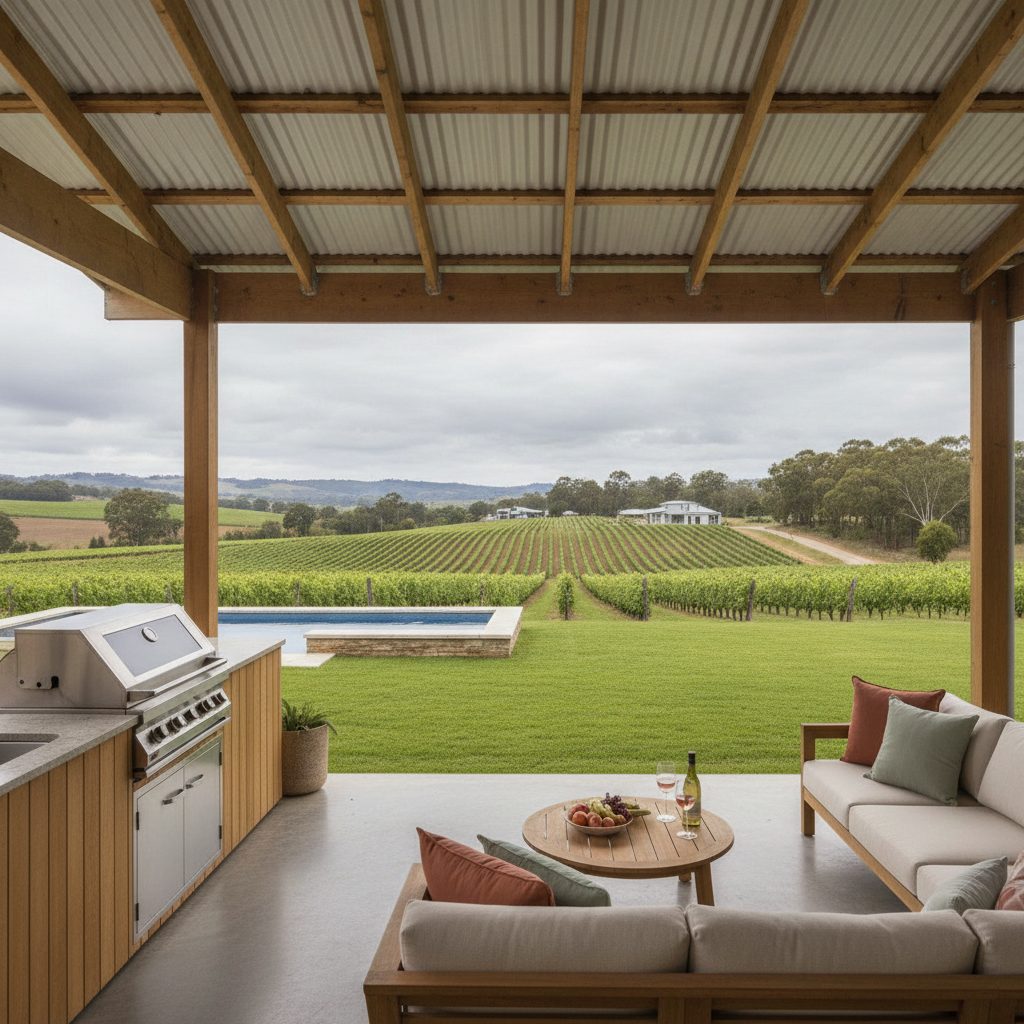
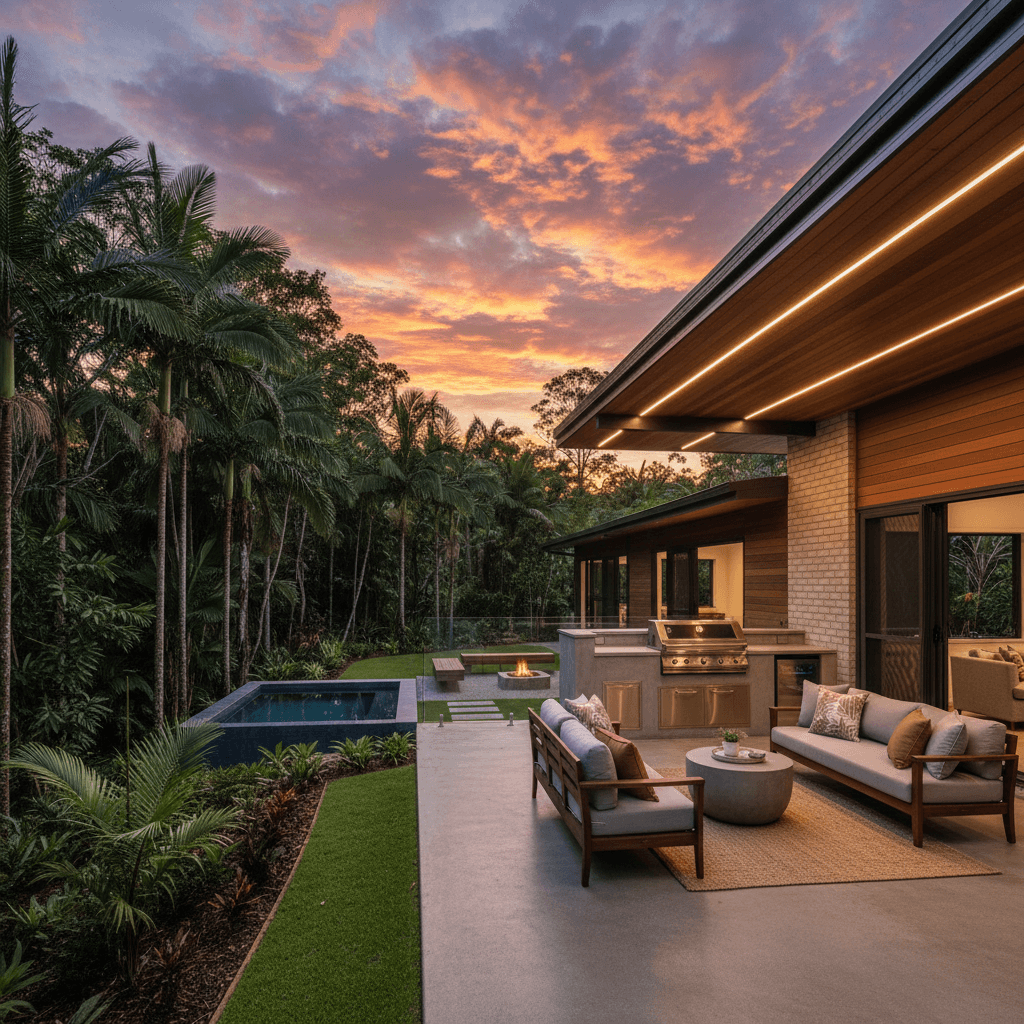
- Indoor-Outdoor Flow: Large sliding doors that extend the living area onto a deck, perfect for the Australian climate.
- Durability: Utilizing roofing and cladding that can withstand the elements with minimal maintenance.
Owner Builder Tips: Planning Your Project
Stepping into the role of an owner builder is an exciting journey, but it requires a disciplined approach. If you are considering a kit home, the planning phase is where your success is determined. You are the project manager, the visionary, and the quality controller.
Start with the Site
Before you fall in love with a particular design, spend time on your block. Where does the sun rise and set? Where are the best views? Understanding your site's topography will help you choose a kit home that integrates perfectly with the land. Remember, as an owner builder, you will be responsible for arranging the site works, the slab, and the utility connections, so get your local trades involved early for advice.
Know Your Kit Components
When you purchase a kit home, you are receiving the structural shell. This usually includes the steel frames, trusses, roofing, cladding, and external windows and doors. This gives you a massive head start, as the complex engineering is already done. However, you need to have a clear plan for the internal fit out. Think about your kitchen design, bathroom fixtures, and flooring well before the frames arrive on site.
The Role of Steel in Modern Housing
Australia has a long love affair with steel, and for good reason. In the context of the shift toward smaller, smarter homes, steel frames provide the flexibility that timber often cannot. Steel allows for larger spans and open plan layouts without the need for bulky supporting pillars. This is crucial when you are trying to create an airy, open feel in a smaller square footage.
Furthermore, steel is a lightweight material, which can simplify logistics for owner builders working on sloping or remote blocks. Because the frames are manufactured to millimetre precision, they arrive on site ready to be bolted together. This reduces waste and ensures that your build remains on track from day one.
Practical Tips for a Successful Build
If you are looking to join the growing number of Australians building their own kit home, here are some practical tips to keep your project moving smoothly:
- Get Your Owner Builder Permit: Each state has different requirements for owner builder permits. Make sure you complete the necessary courses and registrations before you begin work on site.
- Engage Quality Trades: Even if you are doing a lot of the work yourself, you will need licensed plumbers and electricians. Find tradespeople who are comfortable working with owner builders and who appreciate the precision of steel frame construction.
- Stay Organized: Keep a detailed project folder with all your council approvals, engineering drawings, and delivery schedules. Communication is key when coordinating various trades and deliveries.
- Focus on the Finish: In a smaller home, the quality of the finish is more visible. Invest time in choosing the right paint colors, lighting, and hardware to give your kit home a premium feel.
Lifestyle and Design: Living the Dream
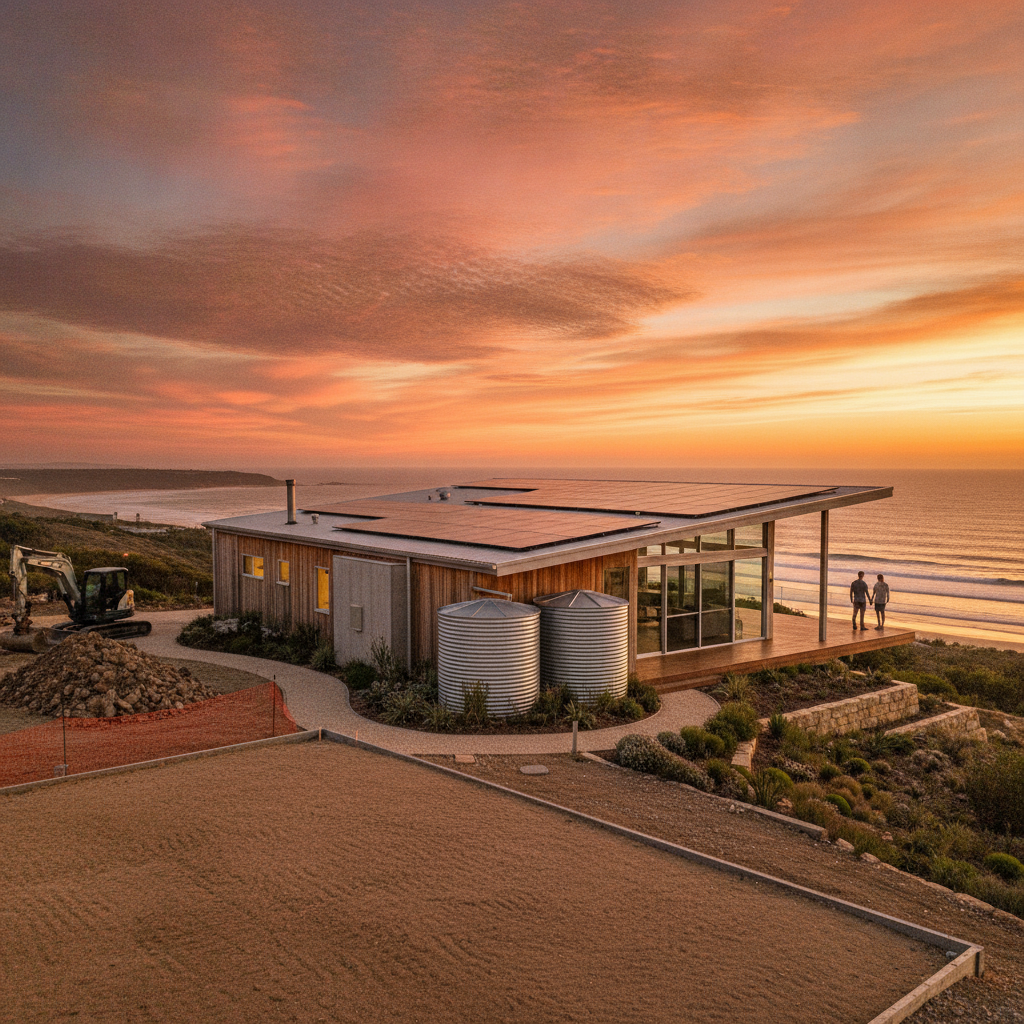
The ultimate goal of this housing trend is a better quality of life. By choosing a smarter, smaller design, you are often able to live in a location you love, whether that is near the coast or tucked away in the bush. The kit home approach allows for a level of customization that ensures the final result reflects your personality.
We are seeing a lot of 'modern farmhouse' and 'industrial chic' designs becoming popular in the Australian kit home scene. Darker cladding colors, like those found in the COLORBOND range, are being paired with warm timber accents to create homes that look stunning against the natural Australian landscape.
Conclusion
The shift toward smaller, smarter home designs is more than just a passing phase, it is a reflection of how Australians want to live in the 21st century. By choosing a kit home, owner builders can take control of their housing future, creating spaces that are perfectly sized, incredibly durable, and designed for the modern lifestyle. With the right planning, a focus on quality materials like steel frames, and a bit of DIY spirit, anyone can create a home that is small in footprint but big on character and comfort. The future of Australian housing is here, and it is looking smarter than ever.