I saw a bloke last month who bought a cheap kit online, thinking he'd saved himself ten grand, only to find out the engineering wasn't worth the paper it was printed on for his specific block in the Adelaide Hills. He was stuck with a pile of steel and a council that wouldn't give him the time of day. It’s a classic mistake. People get blinded by the gloss of a floor plan and forget that a house has to actually stand up against a gale, keep the termites out, and meet the BCA without costing a fortune in variations later on.
Is the engineering site-specific or just a generic 'Standard' plan?
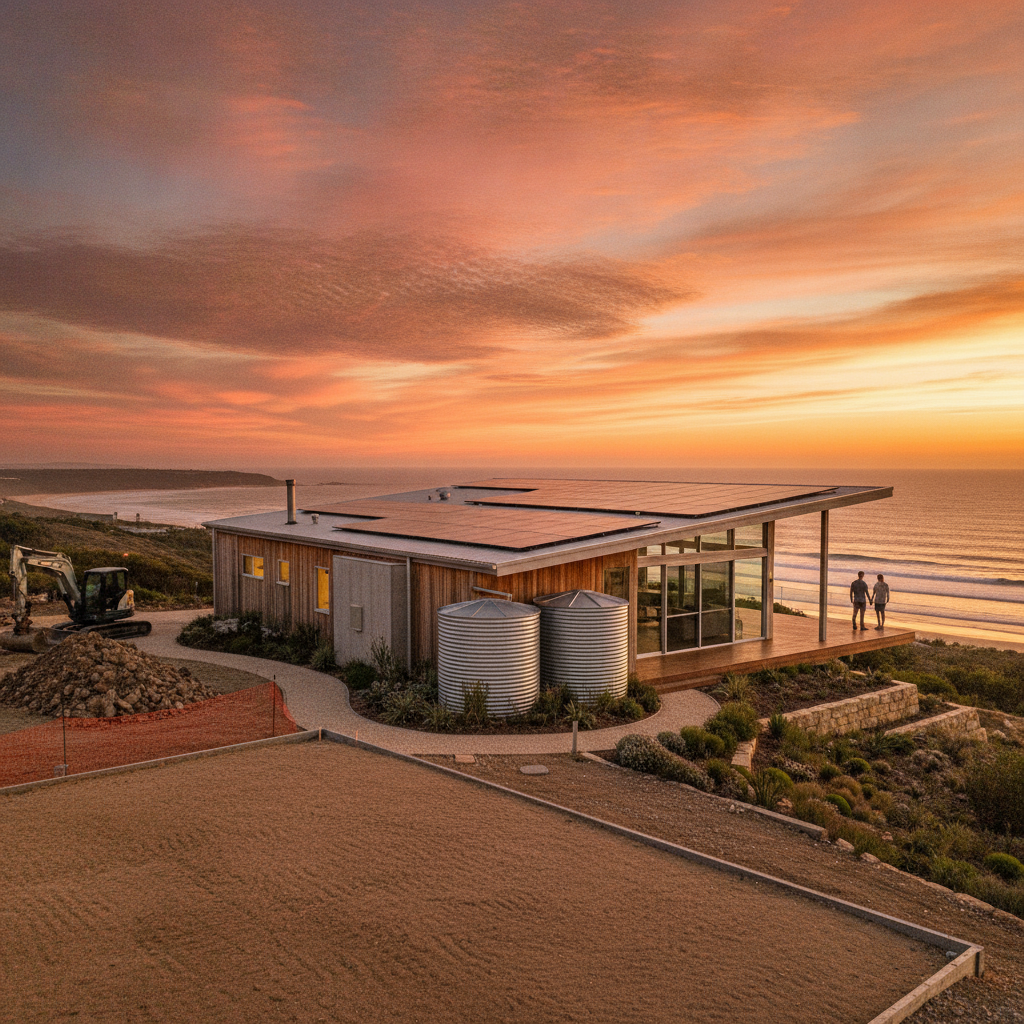
This is where most rookies trip up. You’ll see a price tag that looks like a steal, but usually, that's based on 'Wind Region A' on a dead flat block of dirt with zero bushfire risk. If you’re building on a coastal cliff in QLD or a gusty ridge in the Great Dividing Range, that standard engineering isn't going to cut it. You need to ask if the supplier provides site-specific engineering or a generic slab design. Because if it’s generic, your local certifier will knock it back faster than a cold water on a hot day. You’ll end up paying a private engineer two or three grand just to certify the frames for your specific Wind Classification, whether it's N3, C1, or heaven forbid, C4. Get that sorted upfront. If they can’t give you a straight answer about AS 1170.2 compliance for your exact address, walk away.
What exactly is inside the delivery truck?
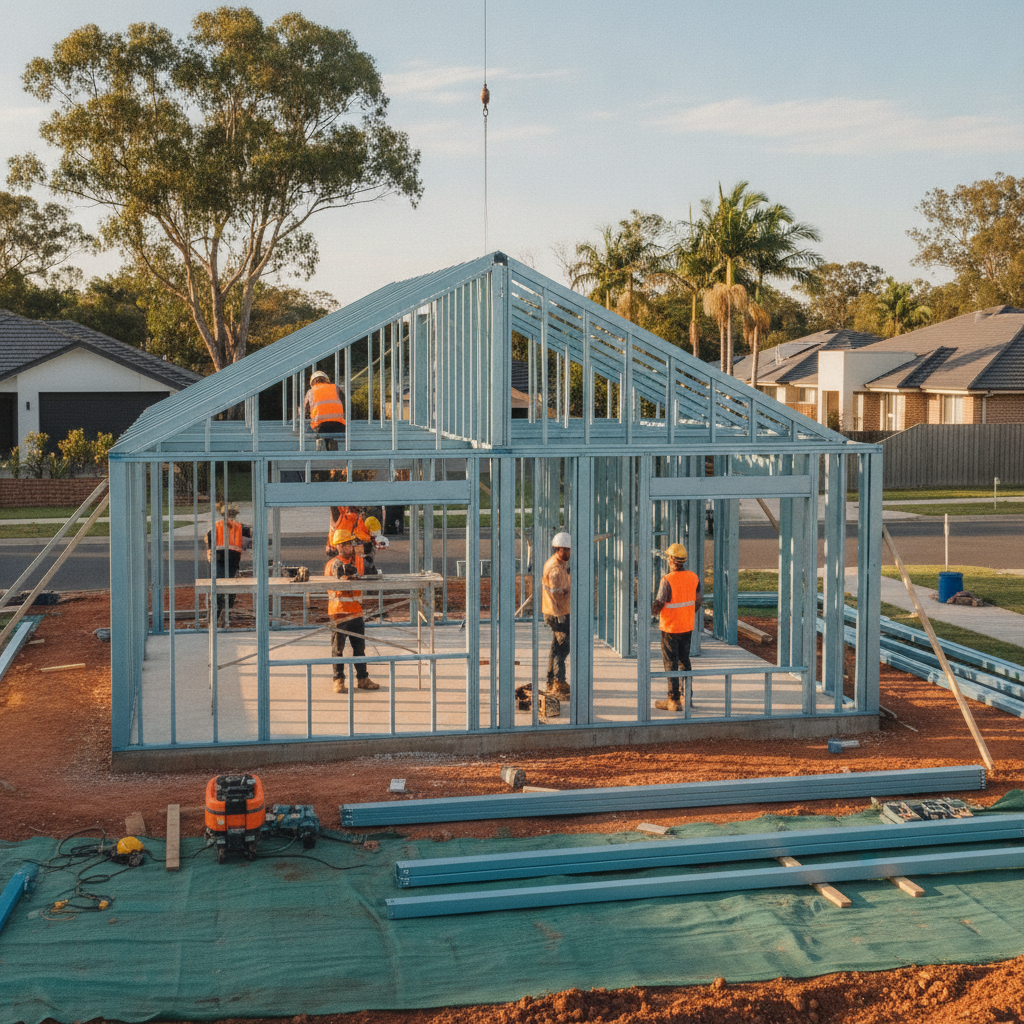
I’ve seen it happen. The truck pulls up, the driver drops the load, and the owner-builder realizes with a sinking gut that there isn't a single window or a sheet of cladding in sight. Some companies only sell you the 'shell' which is basically just the steel bones. You need to verify the bill of materials. A proper, high-quality kit should include the TRUECORE steel wall frames and roof trusses, the roof sheeting, the external wall cladding, all your flashings, windows, and external doors. And don't forget the insulation. If the kit doesn't include the Sisalation or some form of thermal break, you’re looking at a massive extra trip to the local hardware store that you didn't budget for. Ask for a line-by-line list. If it mentions 'supplied by others', that’s more work and more money for you to find later.
The Termite Question
If you're building in Australia, termites aren't a 'maybe', they’re a 'when'. This is why I always lean towards steel. Using BlueScope steel for the frames and trusses means the structure of the house literally isn't on the menu for those little white ants. But even with a steel frame, you still need to know how the kit integrates with your termite management system. Does the design allow for a physical barrier at the slab edge? Ask if the supplier has catered for the sub-floor protection if you're building on piers rather than a slab. It's a small detail that saves you a massive headache during your final occupancy inspection.
Does the design meet the 7-star energy rating?
The goalposts moved recently with the NCC 2022 updates. If your kit home design was drawn up five years ago, it might only meet a 6-star rating or worse. You need to ask the supplier if their standard designs have been updated to reflect the new thermal performance requirements. This isn't just about fluffing up the planet. It’s about not freezing in a Gippsland winter or roasting in a Perth summer. If the design needs more 'meat' in the walls for thicker insulation or specific double-glazed window specs to pass the energy assessment, you want to know that now. Not when the energy rater sends back a 'fail' because your north-facing glass is too big for the climate zone.
How much of the 'Fiddly Stuff' is pre-done?
There’s a world of difference between a kit that is a 'box of bits' and a properly manufactured system. You want to ask if the steel frames arrive pre-assembled or if you have to screw every single stud together on site. If you're an owner-builder doing this on the weekends, you do not want to be spending three weeks just tapping steel together like a giant Meccano set. Quality kits come with frames that are already riveted or screwed into panels. You just stand them up, plumb them, and bolt them down. Also, ask about the holes for your sparky and plumber. A good steel frame system has pre-punched service holes. If your plumber has to spend two days drilling through steel studs to run his pipes, he’s going to charge you an absolute fortune in labor and drill bits. It’s these little things that make a kit profitable for a DIYer or a total money pit.
What is the Bushfire Attack Level (BAL) rating of the kit?
Most of rural Australia is under some sort of bushfire overlay. If your block is BAL-29 or BAL-40, a standard kit design will likely fail. You need to ask the designer if the kit can be upgraded. This usually means swapping out standard flyscreens for stainless steel mesh, changing the weatherstrips on your doors, and ensuring the corrugations in the roof are plugged with ember guards. Steel is obviously great here because it’s non-combustible, but the 'envelope' of the house needs to be tight. If the supplier looks at you like a stunned mullet when you mention BAL ratings, they aren't the right outfit for an Aussie rural build.
Building your own place is a massive undertaking. It's rewarding as all get out when you finally sit on that deck with a cold one, looking at a roof you put up yourself. But you’ve got to be clinical during the planning phase. Don't be afraid to be a pain in the backside with your questions. A good supplier will have the answers ready because they’ve heard it all before from blokes like me who've been around the block. Get it in writing, check the inclusions twice, and make sure that engineering matches the dirt you're standing on.
Next thing you'll need to sort is your site access. No point having a perfect kit if the semi-trailer can't get up your driveway because you didn't account for the turning circle. But that's a story for another day.