Tackling Your Kit Home: What Owner Builders Should DIY (and What to Leave to the Pros)
So, you're keen to build your own kit home, good on ya. Australia's full of blokes and sheilas who love a good project, especially out in the bush where a tradie can be harder to find than a sober rooster. But before you grab every tool in the shed and think you're Bob the Builder, let's talk about what jobs an owner builder should actually tackle, and which ones are best left to licensed tradies. It's about saving coin, yeah, but also about not building a leaning tower of Pisa in your backyard. Or, worse, out on your 50 acres near Dubbo.
The Owner Builder's Dilemma: Sweat Equity vs. Specialist Skill
It’s a fair dinkum question, isn't it? When you're an owner-builder, every hour you put in yourself is money saved. That’s the whole point for most of us. But there's a flip side: doing a job badly means it costs more to fix later, or worse, it creates a safety issue. Plus, some work just legally requires a licensed expert. Your local council, they don't muck around with that sort of thing. The trick is knowing where that line is drawn.
We supply a solid steel frame kit, usually out of TRUECORE steel, which is top-notch. It comes with your frames, roof trusses, battens, cladding, windows, doors, and insulation. All the big bits for a weather-tight shell. What you do with it from there, that's your domain, but you've got to be smart about it.
Big Jobs You Absolutely, Positively Need Licensed Pros For
Let's get this out of the way first. These are the non-negotiables. You cannot skimp here, and you cannot do these yourself unless you are the licensed professional. Don't even think about it.
- Electrical Work: Don't touch it. Seriously. Not unless you're a qualified sparky. One wrong wire and you're either cooking yourself, burning the house down, or setting yourself up for insurance nightmares down the track. Always get a licensed electrician. They’ll issue a Certificate of Compliance Electrical Work (CCEW). Needed for council, for insurance, for not dying.
- Plumbing & Drainage: Water's tricky. Leaks can cause massive damage, structural issues, and mould. Incorrect drainage can lead to all sorts of smelly, unhealthy problems. Again, licensed plumbers and drainers only. They issue a Certificate of Compliance Plumbing and Drainage (CCPD).
- Gas Fitting: If you're running gas, you need a licensed gas fitter. Enough said. Explosions aren't much fun.
- Structural Engineering (Often): While our kit designs are engineered, any specific site conditions, complex retaining walls, or major alterations you want to make might need a local structural engineer to sign off. Particularly on tricky blocks or in high wind areas. Don't guess with foundations or anything that holds the roof up.
These aren't just recommendations, mate, they're typically legal requirements in Australia. Your council will ask for these certificates. Your insurance company will too, if things go pear-shaped.
The 'Maybe You Can Do It' List - Proceed with Caution
Now, these are the jobs where an owner-builder with some decent skills, a bit of experience, and a willingness to learn can genuinely save a packet. But a word of warning: if you're not confident, or if the job is just too big, get a professional. It's not a failure to admit something's beyond you.
Earthworks and Slab Preparation
This is where your house literally sits. If the ground isn't right, you'll have dramas forever. Digging trenches for services, levelling pads, getting the site ready for the concrete slab-that's a big job. If you're handy with a mini-excavator and understand fall and levels, you might tackle some of this. But for the concrete slab itself, unless you're a professional concretor, get one in. It's a precise job. The reinforcement, the formwork, the pour, the finish-it needs to be spot-on. A wonky slab is a nightmare to build on, especially with steel frames that demand accuracy.
Framing the Kit (With Help)
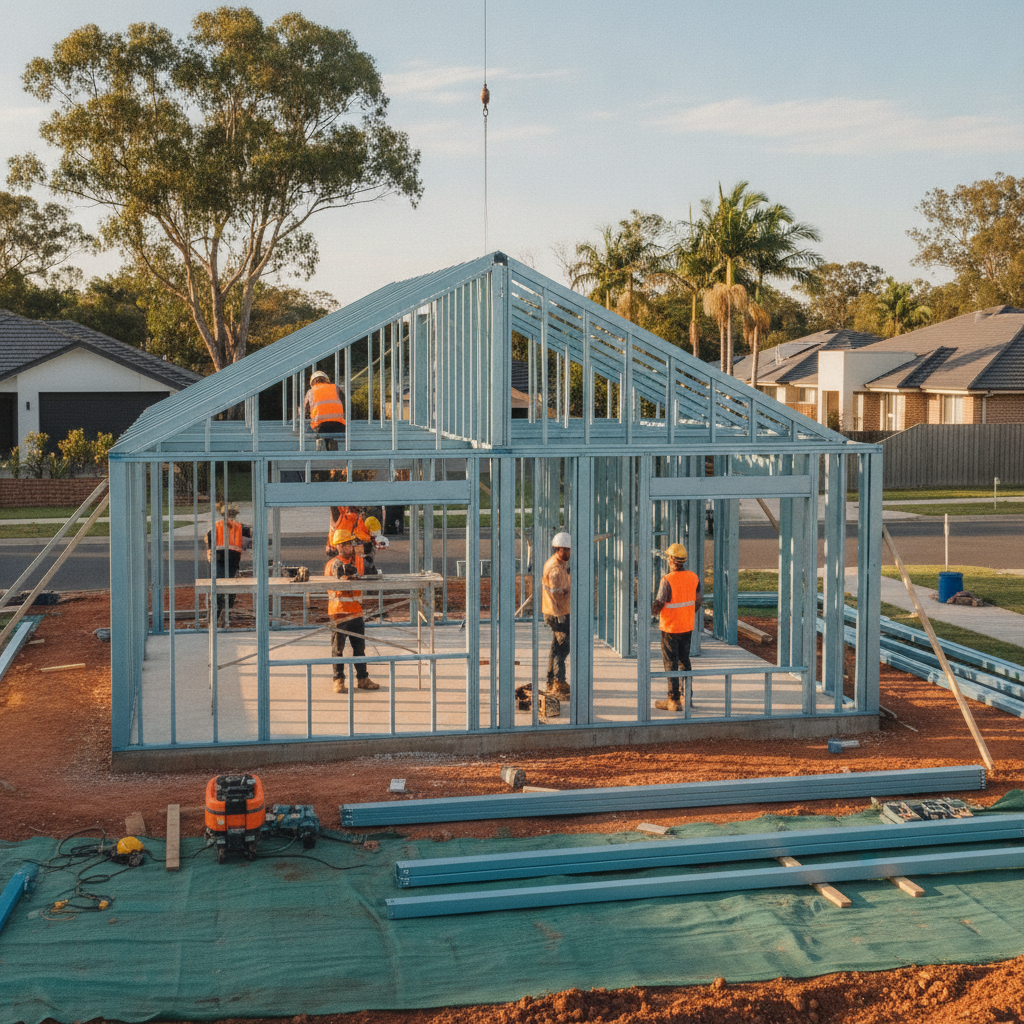
Our steel frames come pre-punched and pre-cut, usually numbered, so it's a bit like a big Meccano set. For a smaller shed or perhaps a simple cabin, an experienced builder could probably manage this with a couple of strong mates. You need to be methodical, follow the plans exactly, and ensure everything is plumb, level, and square. For a full-sized house, though, it's still a massive undertaking. Many owner-builders will hire a local carpenter or a small framing crew for a week or two just to get the shell up. This saves you huge time and ensures it's done right, giving you a solid base for all your other work. It's often money well spent to avoid headaches later on.
Roofing and Cladding
Putting the roof on, then the wall cladding, that's another big one. Working at heights is dangerous. You need proper safety gear-harnesses, edge protection, scaffolding. Don't mess around up there. If you've got experience working with metal roofing (like Colorbond) and wall cladding, and you're confident with flashing details and weatherproofing, then maybe you can tackle it. But often, for peace of mind and speed, a roofing contractor is a good call, especially on a bigger build or a two-storey design. They'll whip it up in a couple of days, where it might take you weeks of dangerous work.
Internal Fit-Out: The Owner Builder's Playground
This is where many owner-builders really shine and save a heap. Once the external shell is watertight, you've got a secure space to work in. Think about these jobs:
- Insulation: Easy enough for most capable people. Just make sure you get the right R-value and install it properly, no gaps. Your comfort and energy bills depend on it.
- Plasterboard/Gyprock: Taping, setting, sanding. This is an art form. You can do it yourself, but a poor finish stands out like a dog's breakfast. Watch heaps of YouTube videos, practice on a small wall. Or, get a professional plasterer in. They're quick, and the finish is usually flawless.
- Architraves & Skirtings: Cutting and fixing these, that’s quite doable with a decent mitre saw and some patience.
- Painting: Definitely a DIY job. It's time-consuming, but anyone can paint. Good prep is key.
- Tiling: If you've got an eye for detail and a steady hand, tiling bathrooms and laundries is very achievable. Use good quality adhesive and grout.
- Flooring: Laying laminate, engineered timber, or even some vinyl planks, can be a great DIY project. Just ensure your subfloor is perfectly level.
- Kitchen & Bathroom Assembly: If you're buying flat-pack kitchens, assembling and installing the cabinets is a big saving. Just remember the plumbing and electrical connections still need a licensed tradie.
Special Considerations for Rural Kit Homes
Building a kit home out on the farm or a big block comes with its own set of challenges, and opportunities for DIY savings.
Site Access and Services
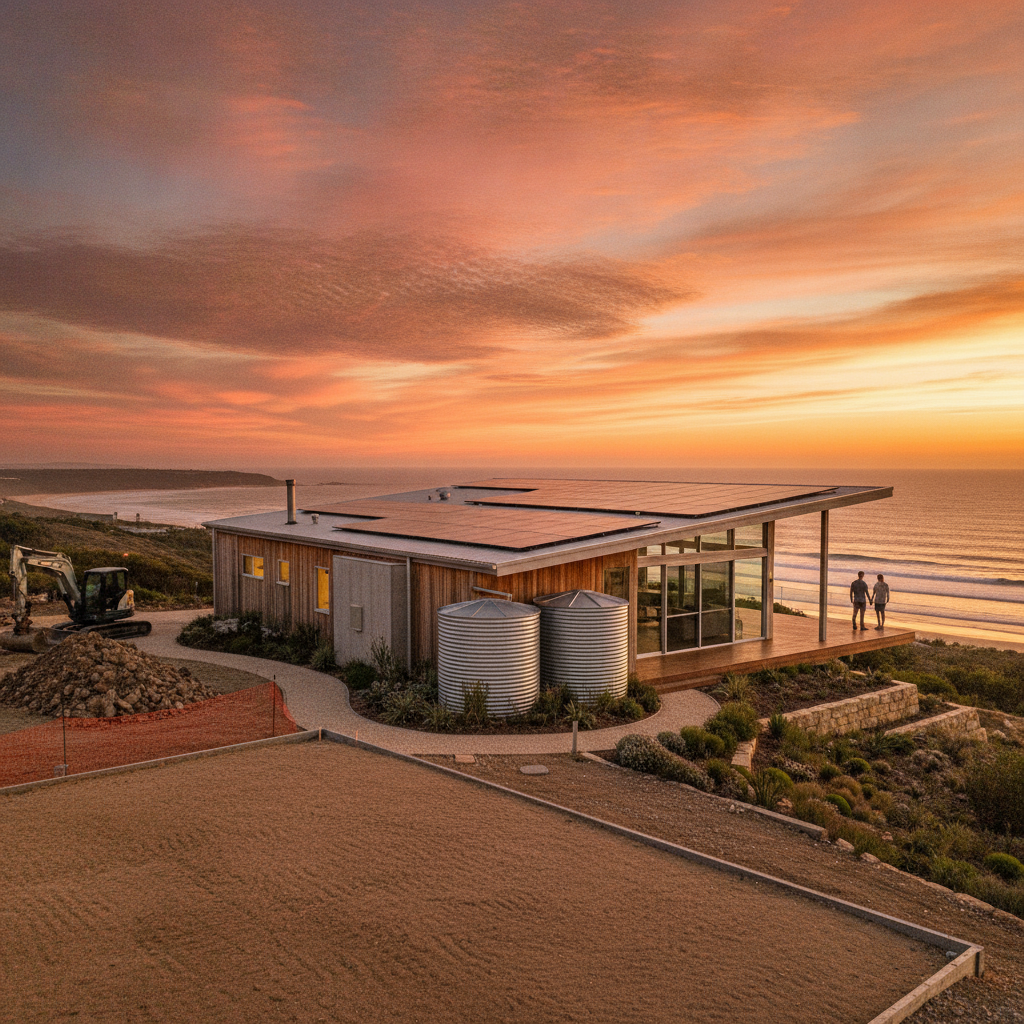
Often, out in the sticks, you'll need to sort your own driveway, power pole, septic system, and water tanks. A lot of the earthmoving for these-trenching for power, digging the septic tank hole, preparing tank pads-can often be done by the owner-builder if they've got the machinery and know-how. But remember, the actual connection of power (to the grid) and the installation of the septic system itself still need certified professionals.
Bushfire Attack Level (BAL) Ratings
If you're building in a bushfire-prone area, which is heaps of rural Australia, your BAL rating will dictate specific construction requirements. This isn't where you want to cut corners. Make sure your kit home design and your chosen materials comply. Our steel frames perform well in these zones, but you'll still need appropriate cladding, windows, and ember protection. Get independent advice if you're unsure.
Logistics and Materials
Getting materials delivered to a remote site can be costly. Plan your deliveries carefully to minimise multiple trips. If you can pick up some of the smaller items from a Bunnings or local hardware yourself, you can save on freight. Also, consider ordering materials in bulk where possible.
The Owner Builder's Best Friend: Planning and Research
No matter what you decide to DIY or outsource, the biggest determinant of success for an owner-builder is planning. Spend months, not weeks, getting your head around the entire process.
- Read your plans inside and out. Understand every single detail of your kit home.
- Get quotes from multiple tradies. Don't just go with the first one. Compare prices, check references.
- Talk to other owner-builders. There are plenty of forums and online groups where you can get real-world advice.
- Learn specific skills. Before you even think about laying those tiles, watch videos, read guides, maybe even do a short TAFE course.
- Factor in time. Everything takes longer than you think it will. Double your time estimates, then add some more.
- Council. Understand their specific requirements for owner-builders and your DA conditions. Don't get caught out.
Wrapping It Up
Building your own kit home is a hugely rewarding experience, a real Aussie rite of passage for many, especially out bush. You'll learn heaps, save money, and get a house that you've poured your sweat and passion into. But it's not about doing everything yourself. It's about being smart, knowing your limits, and respecting the expertise of licensed tradies where it matters most. Get the pros for the stuff that can burn down, flood, or fall over. Save your DIY energy for the fit-out, the painting, and all the finishing touches that really make it your home. That way, you'll end up with a cracker of a place you can truly be proud of.