The New Australian Dream: Trading the CBD for the Great Outdoors
For decades, the Australian property market was defined by the relentless pull of the capital cities. We lived where the work was, which usually meant being within a reasonable commute of a metropolitan CBD. However, a quiet revolution has taken place across the country. The rise of remote work has fundamentally uncoupled our careers from our postcodes, and in doing so, it has sparked a massive surge in interest for kit homes in Australia.
As more Australians find themselves working from a home office three, four, or even five days a week, the priority has shifted from proximity to the office to the quality of the living environment. The result? A significant migration toward regional hubs and rural blocks. But in these remote areas, traditional builders are often stretched thin or prohibitively expensive to engage. This is where the owner-builder movement and kit home construction have stepped in to bridge the gap, offering a path to homeownership that is as flexible as a modern work-from-home schedule.
The Shift Toward Rural Resiliency
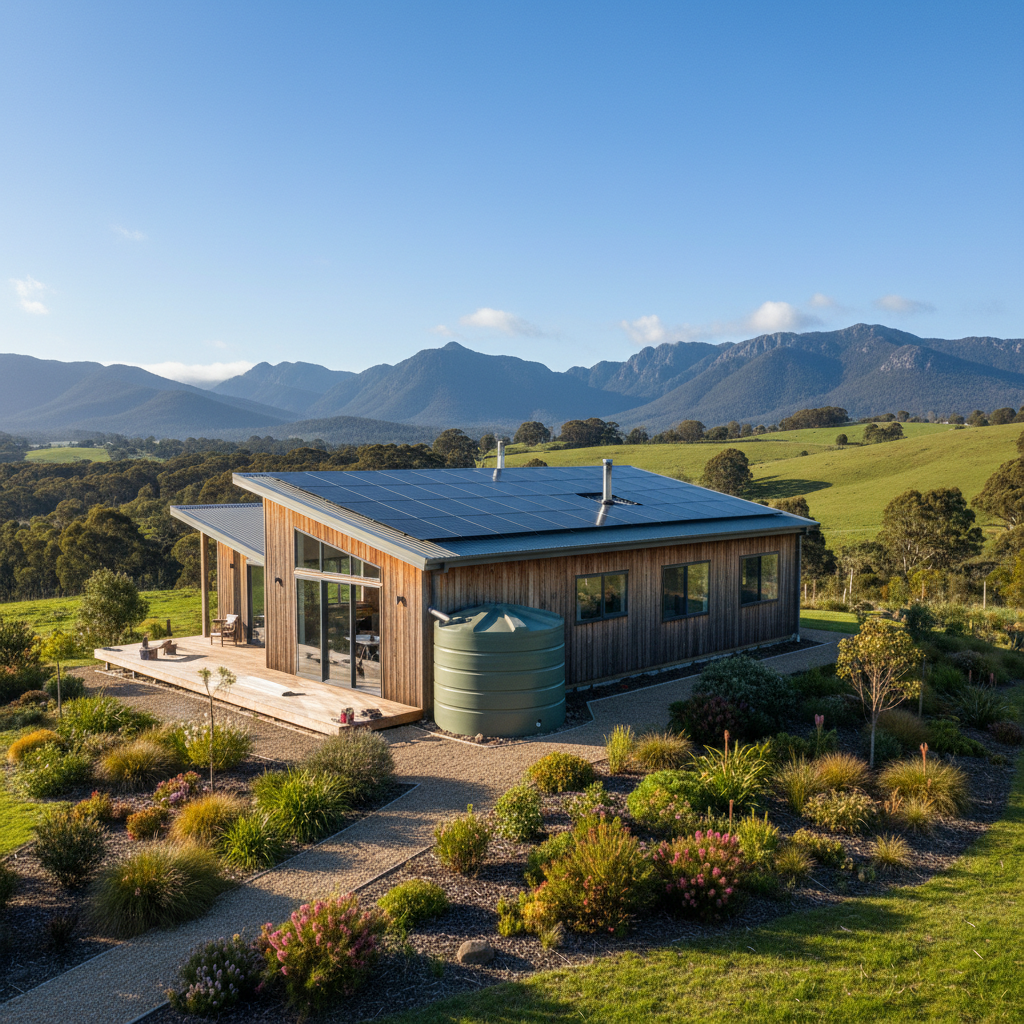
The trend we are seeing across the Australian housing landscape is one of decentralization. People are no longer just looking for a house, they are looking for a lifestyle change that includes space for a veggie patch, a dedicated home office, and the peace that comes with rural living. Because kit homes are delivered as a comprehensive package of components, including the structural frames, roofing, and cladding, they are uniquely suited for these remote locations where logistics can often be a nightmare for traditional construction.
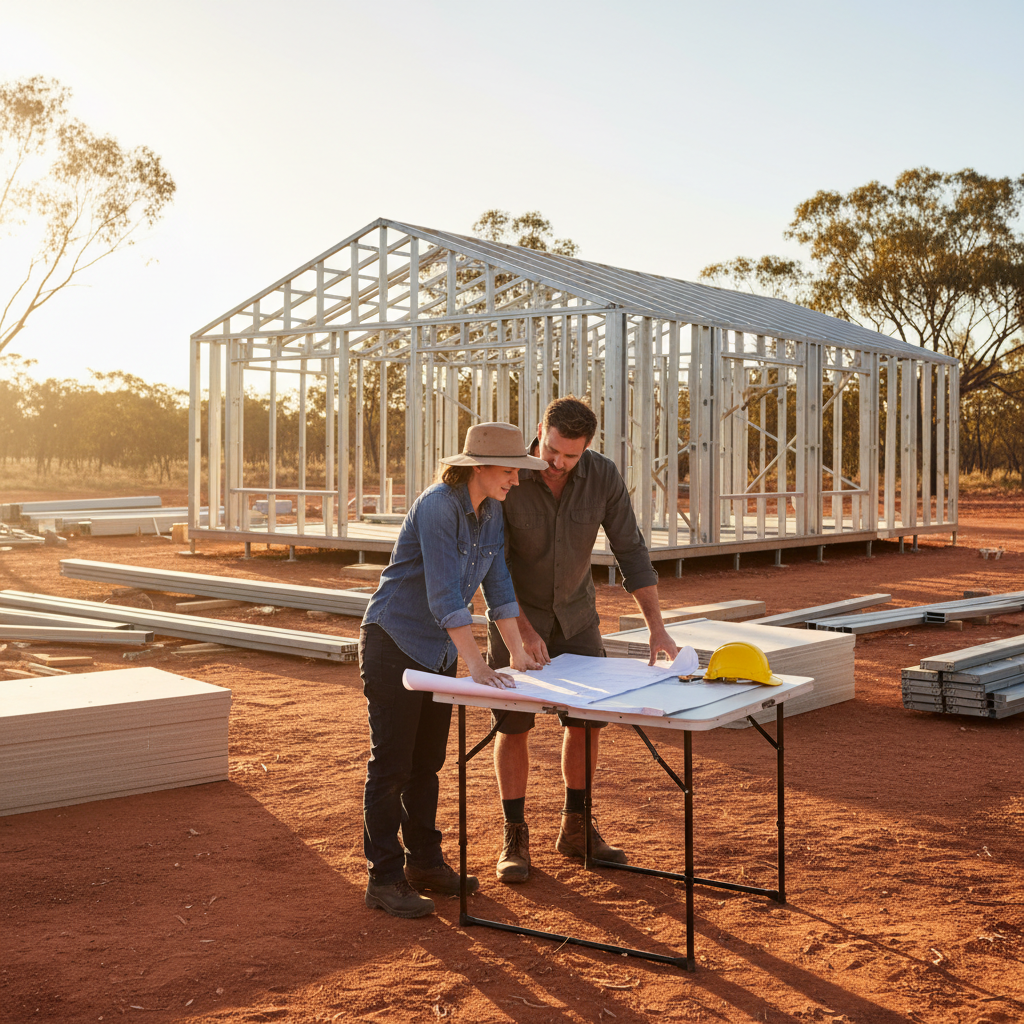
By opting for a kit home, regional pioneers are taking control of their timelines. Instead of waiting years for a volume builder to find a local crew, owner-builders are coordinating their own projects, often starting with a durable steel frame foundation that can withstand the diverse Australian climate, from the humidity of the north to the frosty mornings of the southern highlands.
Why Kit Homes Fit the Remote Work Lifestyle
The synergy between remote work and kit homes isn't just about location, it is about design. When you are building a kit home, you have the opportunity to influence the layout to suit your professional needs from day one. Many Australians are moving away from the 'study nook' in the hallway and toward dedicated, soundproofed workspaces that look out over their new acreage.
Furthermore, the speed of assembly for the structural shell, particularly when using high-quality steel frames made from BlueScope TRUECORE steel, means you can get to lock-up stage faster. This is a massive advantage for someone who needs to move out of a city rental and into their new rural sanctuary without unnecessary delays.
Kit Home Tips for the Modern Owner-Builder
Stepping into the world of kit homes is exciting, but it requires a strategic approach. Here are some practical tips to ensure your regional build goes smoothly:
- Site Access is Everything: Before the truck arrives with your frames and cladding, ensure your rural track or driveway is wide enough and firm enough for heavy delivery vehicles. Muddy tracks in winter can bring a project to a sudden halt.
- Local Knowledge is Key: While the kit comes with the materials, you will need to engage local trades for the slab, plumbing, and electrical works. Start networking in your new regional community early to find reliable contractors.
- Storage Solutions: On a rural block, you need a plan for weather-proofing your materials. Ensure you have a flat, dry area ready for your delivery, and invest in heavy-duty tarpaulins to protect components from the elements until they are ready to be installed.
The Owner-Builder Advantage
Managing your own project as an owner-builder is a rewarding challenge that fits perfectly with the DIY spirit of country life. It allows you to oversee every detail of your home, ensuring that the finish reflects your personal style. It also provides a deep sense of connection to the building itself. When you have managed the delivery of the steel frames and watched the roof go on, your house becomes more than just a structure, it is a personal achievement.
For those working remotely, this hands-on involvement is often the perfect antidote to a day spent behind a computer screen. There is a profound satisfaction in physical progress, whether it is installing insulation or coordinating the delivery of your windows and doors.
Designing for the Australian Environment
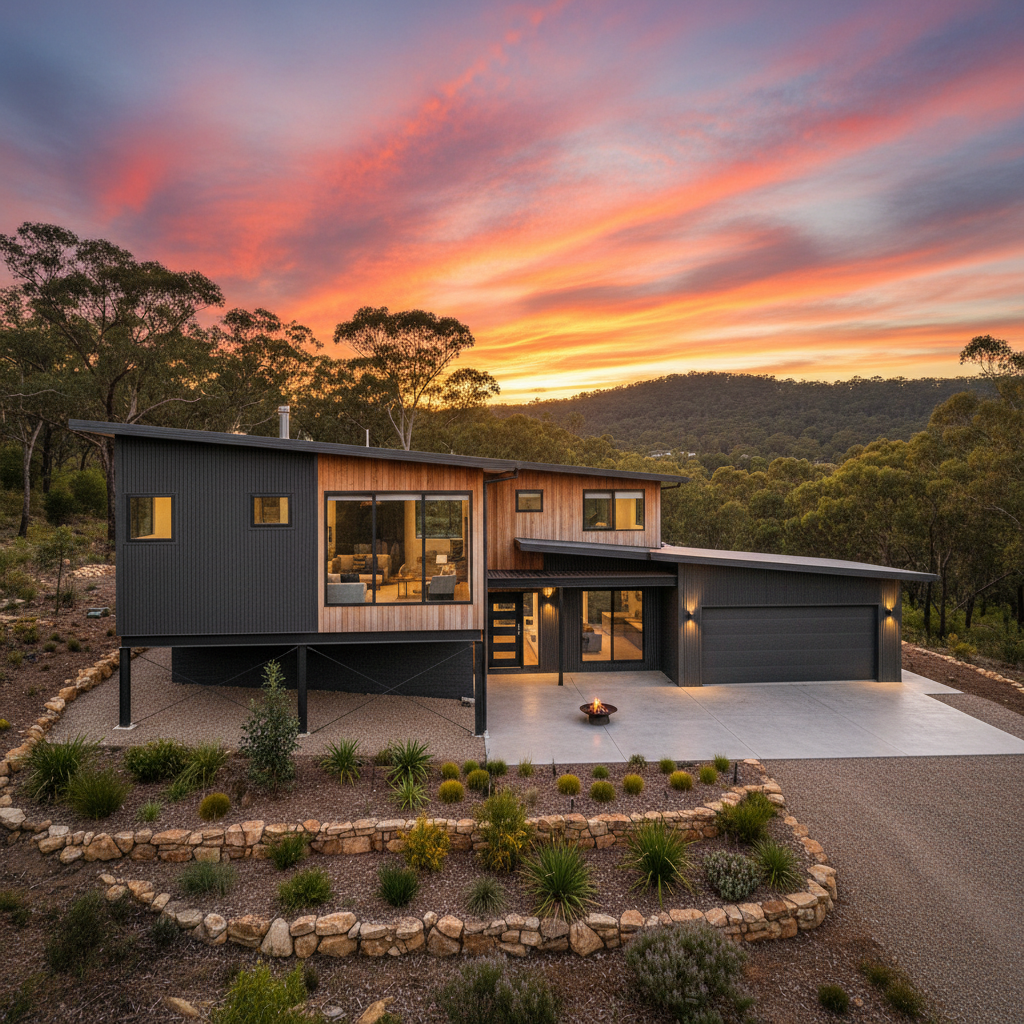
Australian housing trends are currently leaning heavily toward sustainability and resilience. In rural areas, this means building homes that can handle the heat. Steel frames are a popular choice in these environments because they are termite-proof and non-combustible, providing a layer of peace of mind when building in more bushfire-prone areas of the country.
When planning your layout, consider the orientation of your home. Maximize northern light for your living spaces and position your home office where it gets the best natural light without the glare on your screen. In a kit home, you have the freedom to think about these environmental factors before a single frame is ever bolted into place.
Technical Insight: Why Steel Frames Matter
While the design and lifestyle are the 'soul' of the home, the frame is the 'spine'. In remote Australia, the durability of your materials matters immensely. Using TRUECORE steel means your frames are precision-engineered to be straight and true. This makes the rest of the build easier for the owner-builder, as you aren't fighting with warped or twisted timber. Everything from the windows to the doors will fit exactly where they are supposed to, which is a major win for the DIY enthusiast.
Making the Move: A Transition Guide
If you are planning to join the thousands of Australians making the leap to a rural kit home, keep these steps in mind:
Research Your Zoning
Every local council has different rules. Before you fall in love with a piece of land, check the zoning requirements for owner-builders and the specific bushfire attack level (BAL) rating of the site. This will influence your choice of external materials and window specifications.
Plan Your Utility Strategy
Living out of town often means you won't be connected to city sewerage or water. You will need to factor in rainwater tanks and an on-site wastewater treatment system. These are critical components that need to be planned alongside your kit home delivery.
Build Your Work-Life Boundary
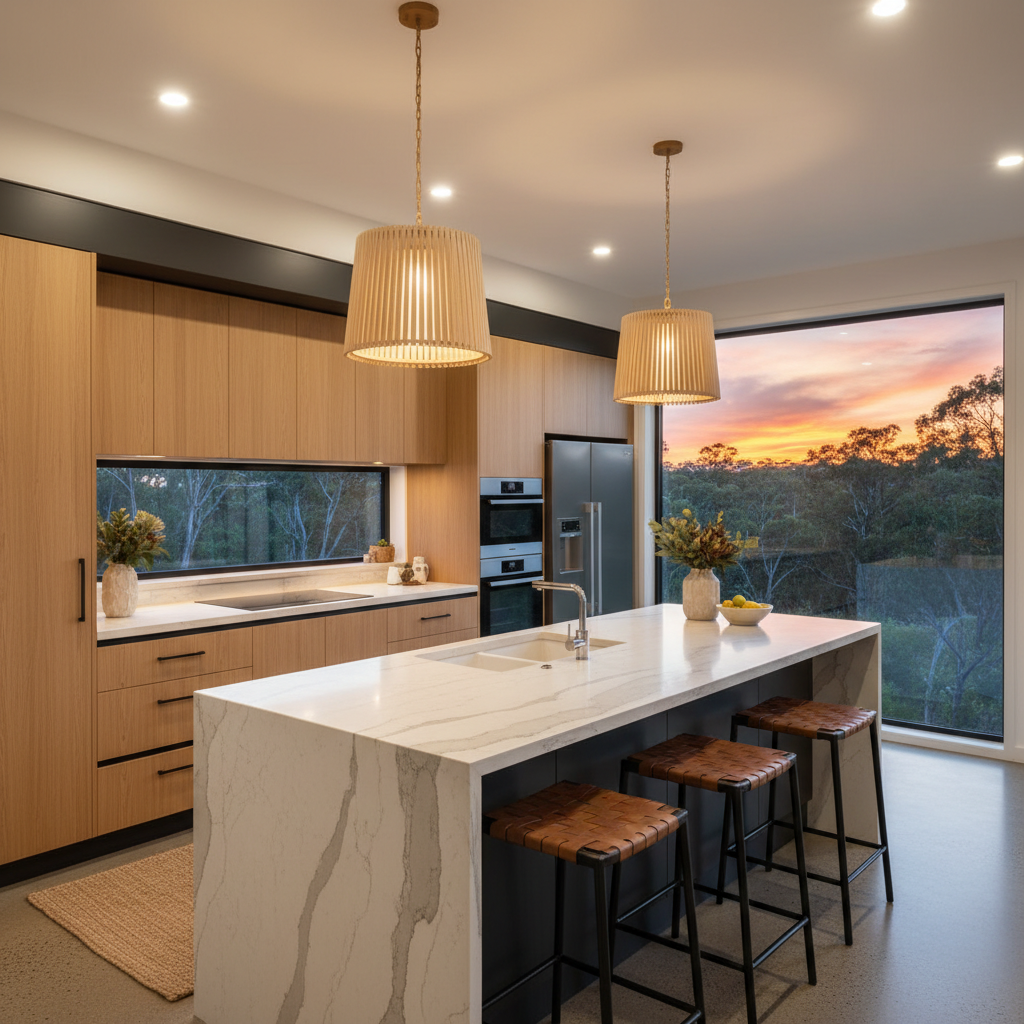
Since the home will also be your office, design the transition. Maybe it's a deck that separates the workspace from the living area, or perhaps it's simply ensuring the layout allows you to 'close the door' on work at 5:00 PM to enjoy the sunset over your property.
A Future-Proof Lifestyle
The trend of moving toward regional kit homes isn't just a temporary reaction to global events, it is a permanent shift in how Australians view work and home. We are seeing a return to self-sufficiency, where homeowners take an active role in creating their living spaces. By combining modern remote work flexibility with the practical advantages of kit construction, a new generation of Australians is finding a way to live that is more balanced, more connected to nature, and more rewarding.
Whether you are looking for a compact one-bedroom retreat or a sprawling family homestead, the kit home model offers a clear, structured path to making that rural dream a reality. It empowers the owner-builder to take the reins, ensuring that the final result is a home that isn't just a place to work, but a place to truly live.
Final Thoughts
The Australian landscape is wide and varied, and now, our housing is becoming just as diverse. As remote work continues to evolve, the demand for high-quality, durable kit homes in regional areas is only set to grow. For those with the vision and the drive to manage their own project, the rewards are immense. You get a home built for your life, in a location of your choosing, with the strength of steel and the pride of your own hard work. Welcome to the new era of Australian living.