The Shift from Skyscrapers to Gum Trees
Australia is currently witnessing one of the most significant shifts in housing trends since the post-war suburban boom. For decades, the career-focused Australian was tethered to the capital cities, bound by the necessity of the daily commute. However, the rise of remote work has shattered the glass ceiling of geography. Today, the office is wherever you can find a stable internet connection, and for many, that location is no longer a grey cubicle in the CBD, but a timber deck overlooking a valley in the Byron Hinterland or the rolling hills of the Yarra Valley.
As the need to live within a 30-kilometre radius of the city fades, a new trend has emerged: the rise of the rural kit home. Australians are seizing the opportunity to design a life of their own making, opting for acreage over tiny suburban blocks. This movement isn't just about escaping traffic; it is about reclaiming the Australian dream of homeownership in a way that prioritizes lifestyle, space, and a hands-on connection to the land.
The Freedom of the Modern Kit Home
When we talk about kit homes in the current Australian context, we are talking about a sophisticated construction method that offers unparalleled flexibility for the owner-builder. Unlike traditional fixed-build contracts that can be rigid and restrictive, a kit home provides the structural backbone of a house while leaving the creative control in the hands of the owner. You receive the precision-engineered components, such as the high-quality BlueScope TRUECORE steel frames, roofing, and cladding, and then you take the reins as the project manager.
This model is particularly attractive to those moving to regional areas where finding a volume builder willing to travel to a remote site can be both difficult and expensive. By choosing a kit, you simplify the logistics. The home is delivered as a comprehensive package, allowing you to engage local trades or tackle parts of the build yourself, ensuring that your rural sanctuary is built exactly to your specifications.
Why Regional Australia is Calling
The push toward the regions is driven by several lifestyle factors that align perfectly with the kit home philosophy:
Space for the Ultimate Home Office
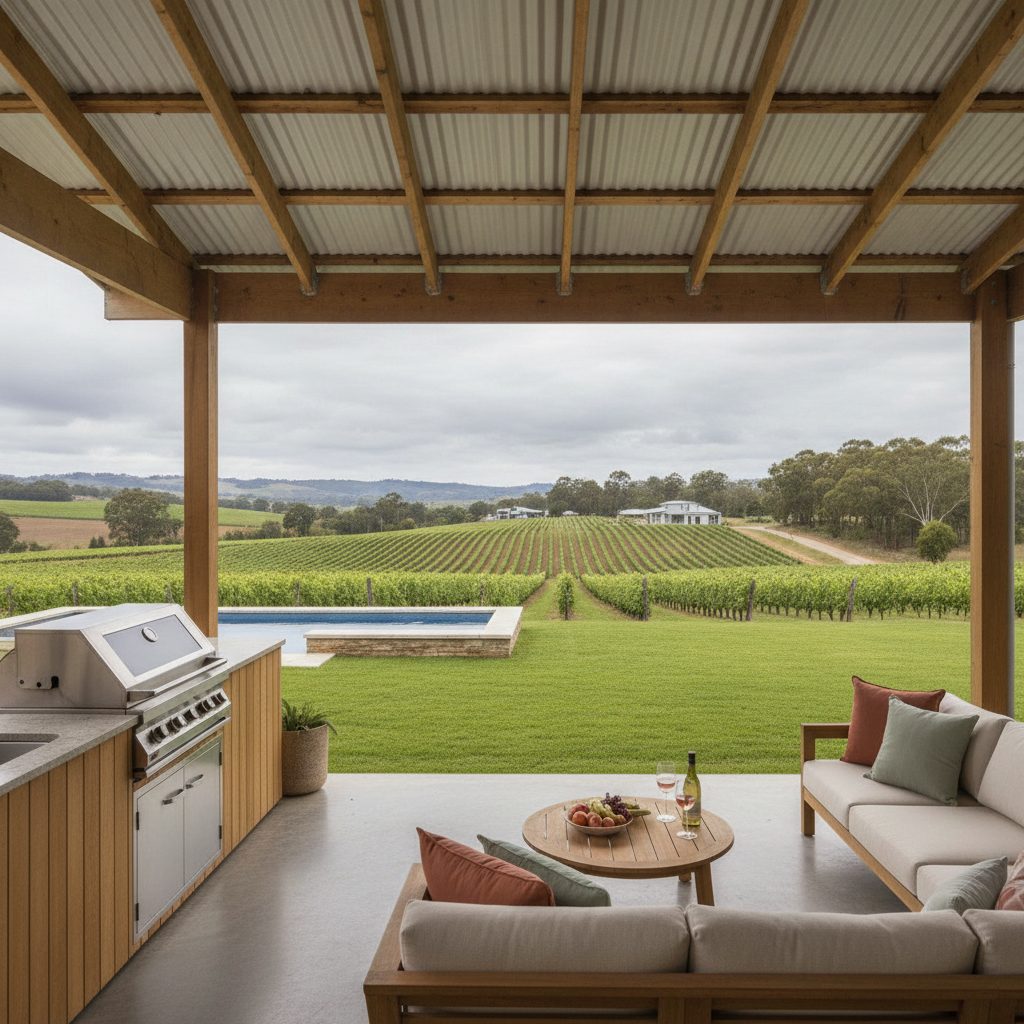
In a city apartment, a home office is often a corner of the dining table. In a rural kit home, it can be a purpose-built sanctuary with views that inspire productivity. Many Australians are now choosing designs that include dedicated studio spaces or ‘pod’ sections, separated from the main living areas to ensure a healthy work-life balance.
Physical Connection to the Environment
Living in regional Australia allows for house designs that embrace the climate. Wide verandas, large windows to capture the morning sun, and open-plan layouts that encourage cross-ventilation are all hallmarks of the modern Australian kit home. Using steel frames in these environments is a smart choice, as they are non-combustible and resistant to termites, providing peace of mind in the Australian bush.
Sustainability and Self-Sufficiency
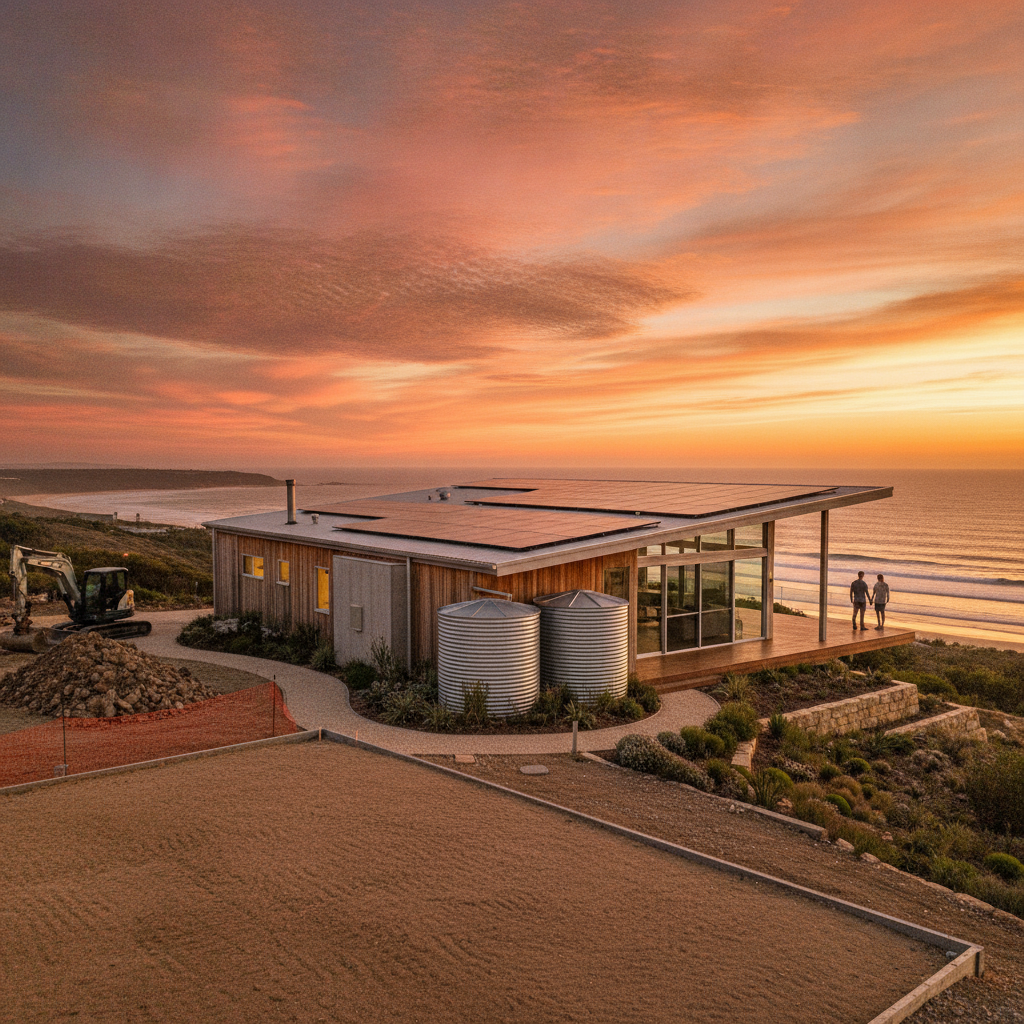
The move to a rural block often goes hand-in-hand with a desire for a smaller ecological footprint. Kit homes allow owners to easily integrate sustainable features during the build process, such as rainwater harvesting systems, solar arrays, and high-performance insulation. Being an owner-builder gives you the freedom to choose materials that reflect your commitment to the environment.
Tips for Starting Your Kit Home Journey
If you are planning to join the thousands of Australians making the move to a regional kit home, here are some practical tips to ensure your project stays on track:
1. Understand Your Site First
Before you fall in love with a specific floor plan, you need to understand the constraints of your land. This includes the slope, the soil type, and the Bushfire Attack Level (BAL) rating. Rural blocks often have specific requirements for wastewater management and access for delivery trucks. Ensure your site is prepared for the delivery of your kit components before they arrive.
2. Embrace the Owner-Builder Role
Becoming an owner-builder is an empowering experience, but it requires organization. You will be responsible for obtaining the necessary council permits, arranging the concrete slab, and coordinating trades like plumbers and electricians. Take the time to build relationships with local tradespeople in your new regional community, they are invaluable sources of local knowledge.
3. Focus on Quality Materials
Because you are managing the project, you have the final say on quality. Opting for Australian-made steel frames ensures your home is built to withstand our harsh conditions. Steel is lightweight, making it easier to handle on-site compared to heavy timber beams, which is a significant advantage for DIY enthusiasts and small teams.
4. Plan for the Future
When designing your home, think about how your needs might change. If you are working from home now, will you still be doing so in ten years? Could that extra bedroom serve as a guest suite or a creative hobby room? The beauty of kit homes is the ability to choose a design that is adaptable to your future lifestyle.
The Design Aesthetics of Regional Living
Current trends in Australian kit home design are moving away from the cookie-cutter suburban look and toward a contemporary rural aesthetic. We are seeing a high demand for industrial-inspired finishes, such as Matte finish cladding and corrugated roofing that blends into the landscape. Open-plan living remains king, with high ceilings and exposed structural elements creating a sense of volume and light.
The use of steel frames allows for larger spans without the need for intrusive internal load-bearing walls. This means you can create vast, light-filled living spaces that draw the eye outward toward your new rural view. It is about creating a home that feels like an extension of the land it sits on.
Navigating the Construction Process
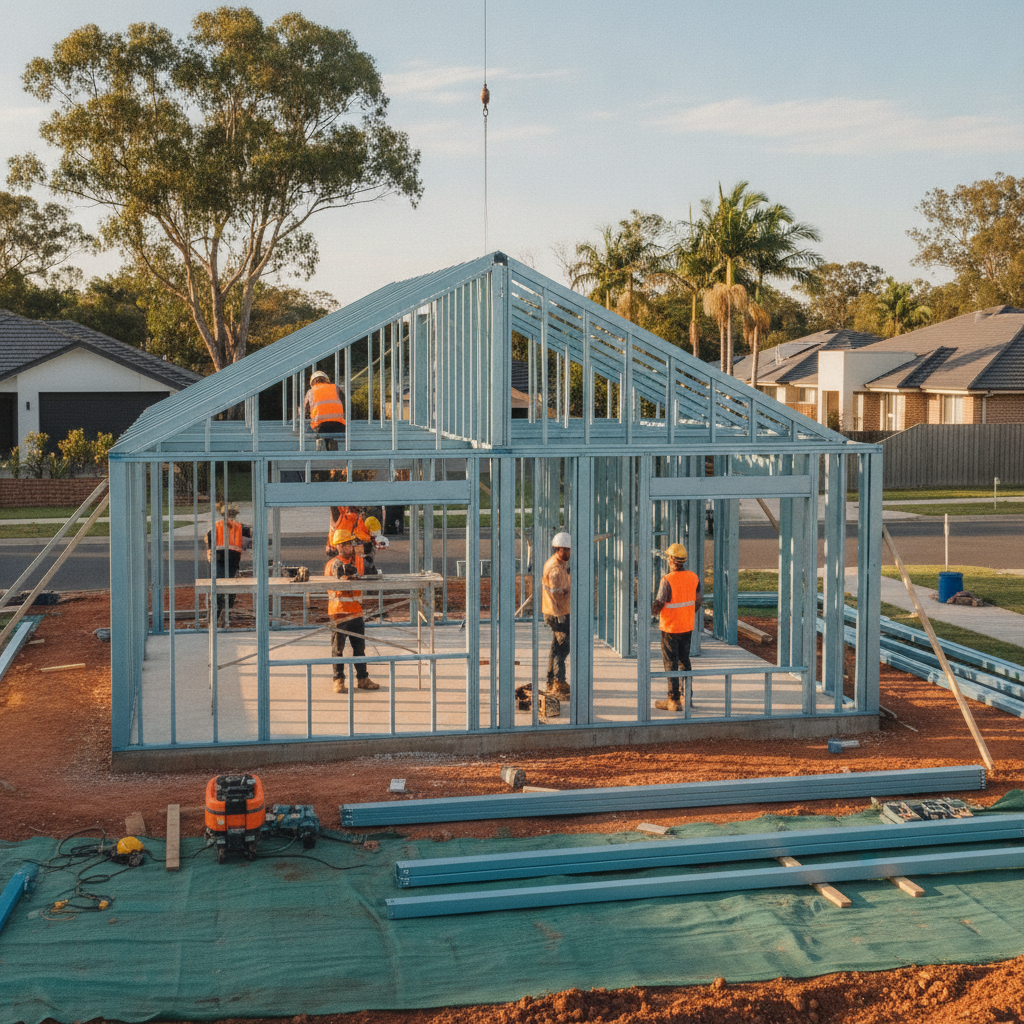
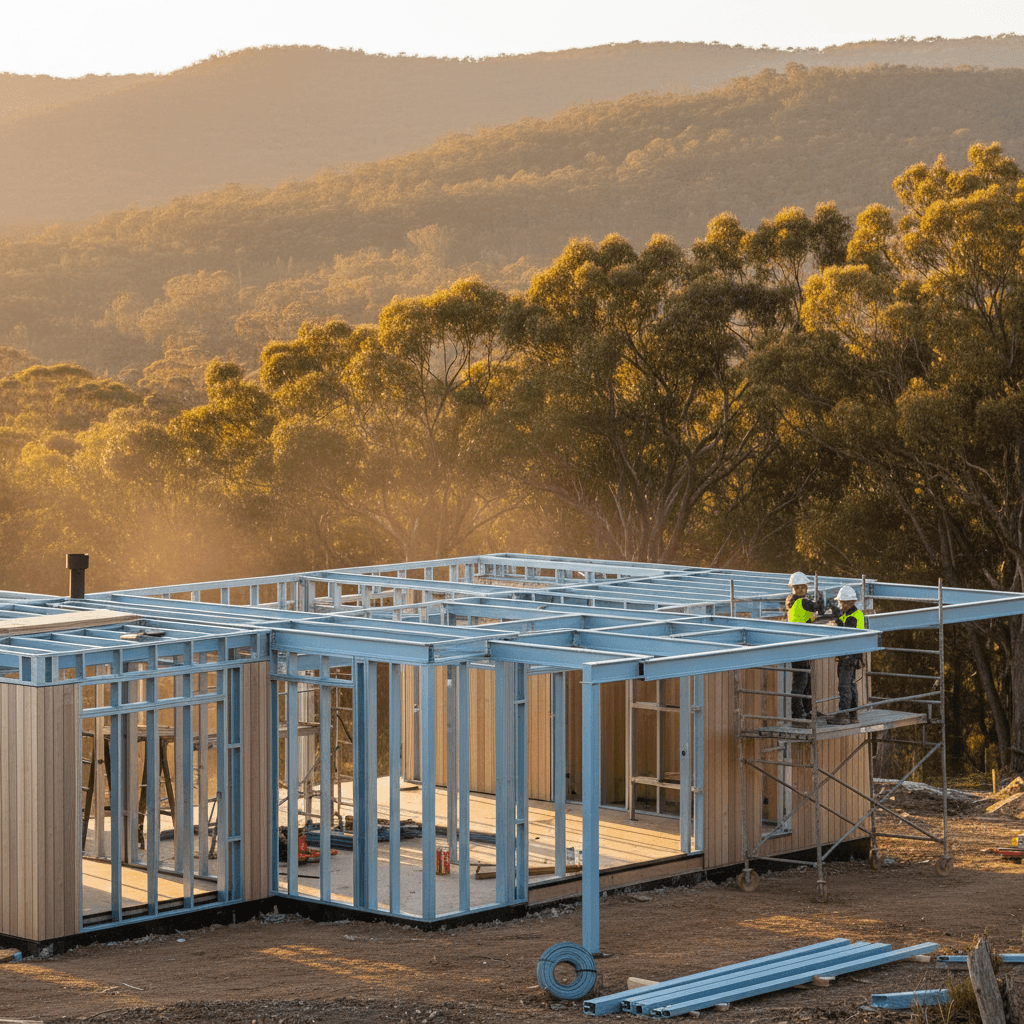
Building a kit home is a journey of steps. It begins with the delivery of the sub-floor or slab preparation, followed by the standing of the frames. For many owner-builders, this is the most exciting phase, as the skeleton of the home appears in a matter of days. Once the roof and cladding are on, the house is at the lock-up stage, allowing you to work on the interior fit-out at your own pace, away from the elements.
This staged approach is perfect for those who want to be hands-on but might still be working their remote jobs during the week. You can manage the plumbing and electrical rough-ins, then spend your weekends on the insulation, plastering, or cabinetry. Every bit of work you do yourself adds to the pride you will feel when you finally move in.
The Long-Term Rewards
The trend of moving to regional Australia via the kit home route is not a fleeting fad. It represents a fundamental change in how we value our time and our living spaces. By opting for a kit home, you aren't just building a house; you are building a lifestyle that offers more freedom, more connection to nature, and the satisfaction of knowing exactly how your sanctuary was put together.
As remote work becomes the standard for many industries, the barriers to rural living continue to fall. Whether it is a small cabin for a minimalist lifestyle or a large family home with room for the kids to run, the versatility and durability of modern kit homes make them the perfect vehicle for this Australian migration.
Conclusion
The dream of the Australian bush is more attainable than ever. Through the combination of remote work opportunities and the practical, high-quality nature of kit home systems, Australians are redrawing the map of where and how we live. By taking on the role of the owner-builder, you can bypass the stresses of the city housing market and create a bespoke home that reflects your personality and values.
If you are ready to trade the hum of the city for the song of the kookaburra, a kit home project might just be the most rewarding venture you ever undertake. Start with a solid foundation, choose quality Australian materials, and enjoy the process of building your own piece of the lucky country.