The Evolution of the Humble Granny Flat
There was a time when the term granny flat conjured up images of a cramped, dusty bedsit tucked away behind the main house. Fast forward to today, and the landscape of the Australian backyard has undergone a radical transformation. We are witnessing a design revolution where secondary dwellings are no longer just an afterthought, they are becoming the centerpiece of modern Australian lifestyle and smart property design.
As our needs change, so does our architecture. Whether it is providing a sanctuary for aging parents, a launchpad for adult children, or a dedicated creative studio, kit homes Australia wide are leading the charge in this architectural shift. These structures offer a unique blend of flexibility, style, and the immense satisfaction of creating something with your own two hands.
The Rise of Secondary Dwellings: Why Now?
The Australian housing trend toward secondary dwellings is driven by a desire for connection and flexibility. We are reimagining how we use our land. Instead of a high maintenance lawn, many homeowners are opting for high quality, functional living spaces. The modern granny flat is a masterclass in small scale architecture, proving that you do not need a massive footprint to live a big life.
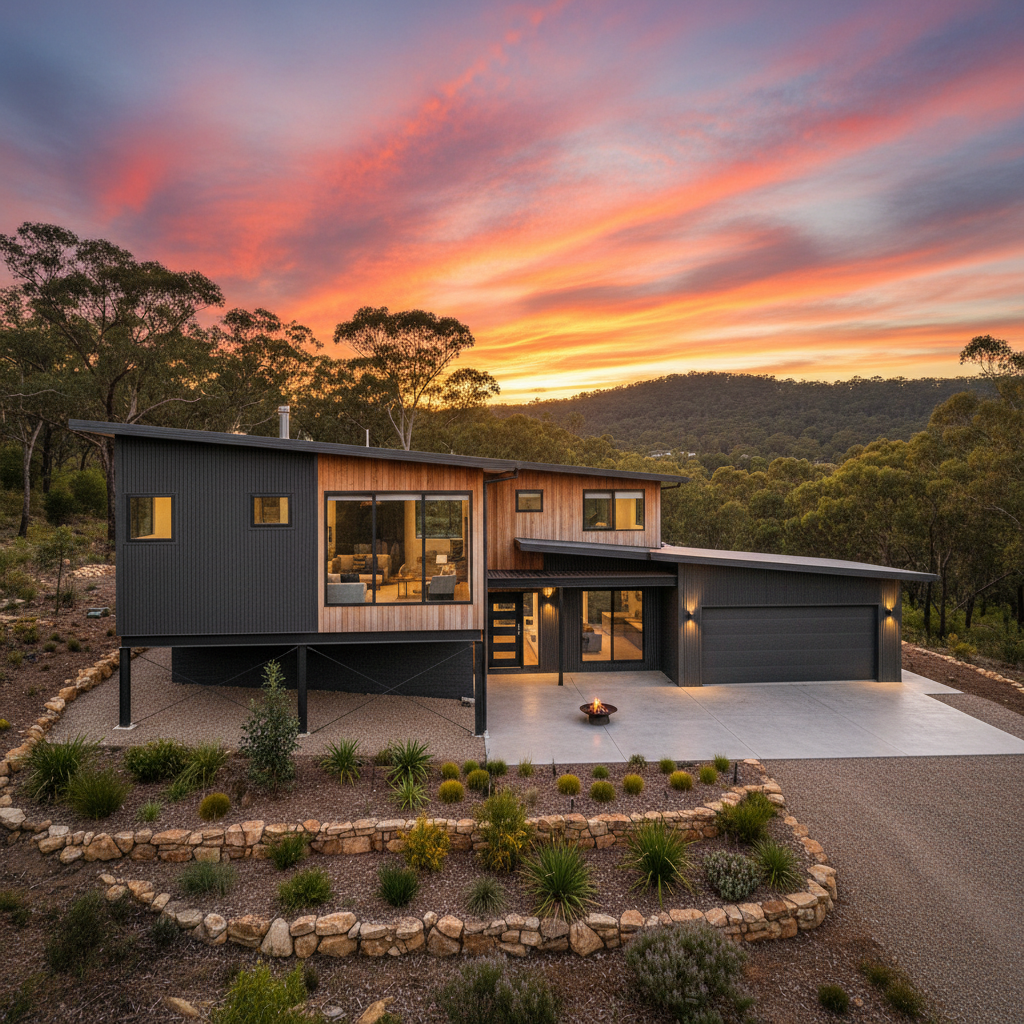
One of the most exciting aspects of this trend is the design diversity. From sleek, minimalist pavilions to cozy, traditional cottages, kit homes allow owners to match the aesthetic of their existing home or create something entirely unique. By choosing a kit home, you are not just buying a box, you are embarking on a journey of customization.
Designing for Lifestyle: Small Space, Big Impact
When it comes to designing a secondary dwelling, every millimetre counts. The goal is to create a space that feels open, airy, and inviting. Here are some Design and Lifestyle tips to ensure your kit home feels like a luxury retreat:
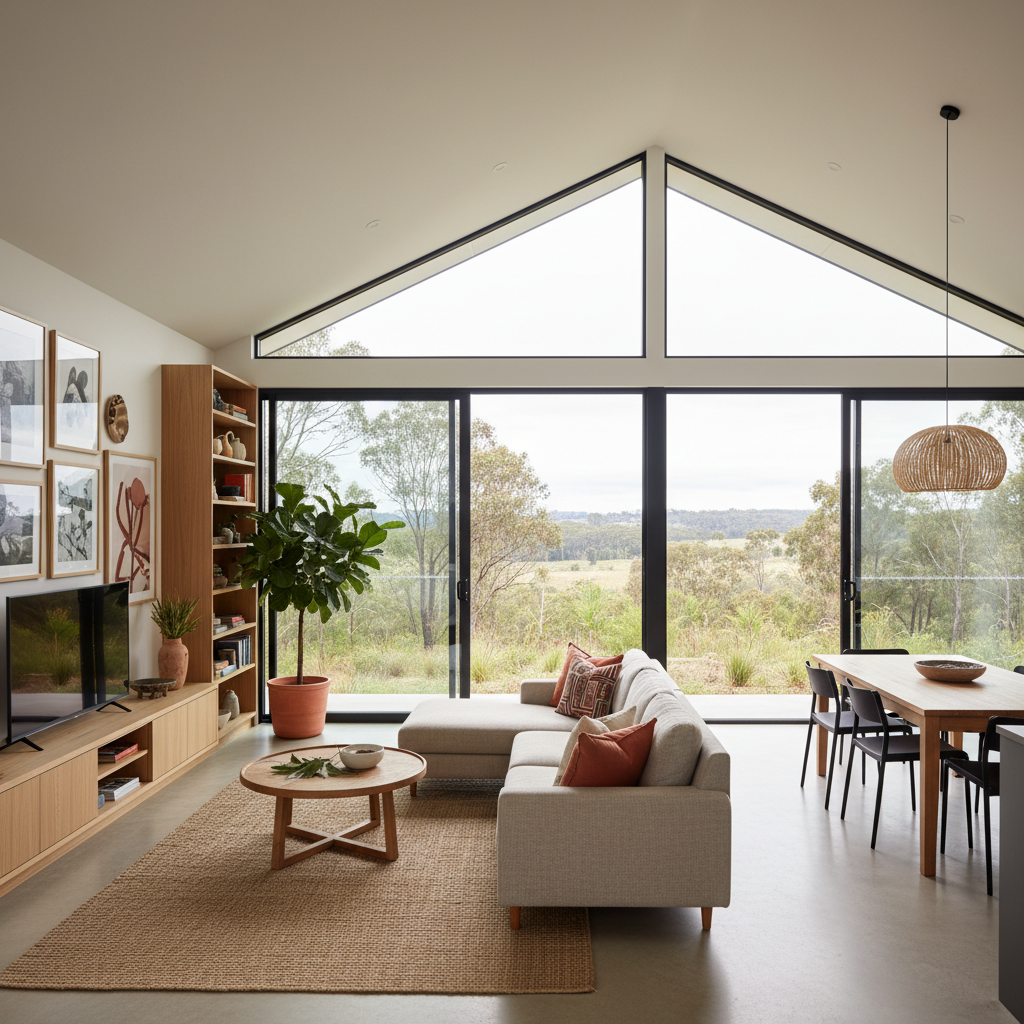
- Embrace Natural Light: Large windows and sliding glass doors can make a small floor plan feel twice its size. Position your dwelling to capture the northern sun, which brightens the interior and helps with natural temperature control.
- High Ceilings: If your kit design allows, opt for higher ceilings. The vertical space draws the eye upward, removing that boxed-in feeling often associated with smaller buildings.
- Indoor-Outdoor Flow: In Australia, our lifestyle is defined by the outdoors. Adding a generous deck or a covered veranda to your kit home extends the living area and creates a seamless transition to the garden.
- Multifunctional Furniture: Think about built-in joinery and furniture that serves dual purposes. A window seat with hidden storage or a wall-mounted desk can save valuable floor space.
The Owner-Builder Advantage
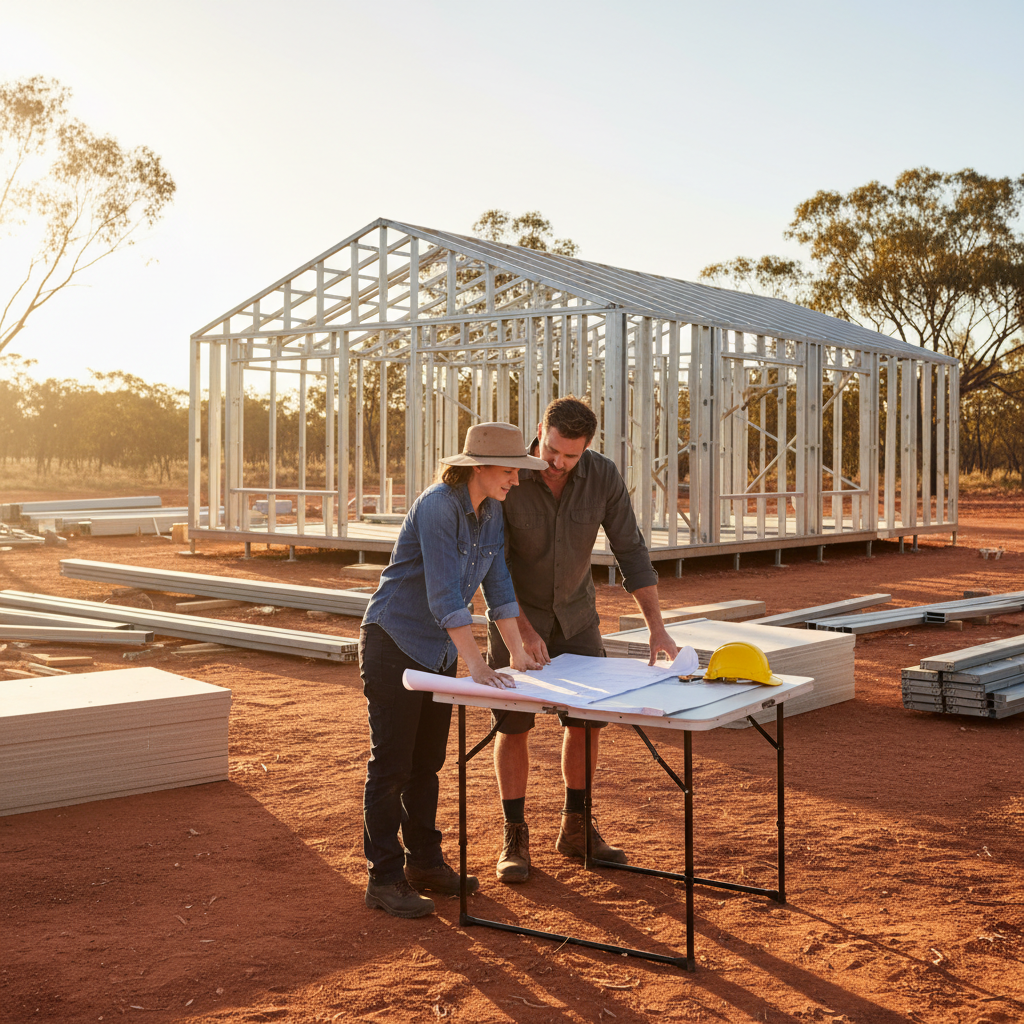
One of the most rewarding ways to bring a secondary dwelling to life is by taking the reigns as an owner-builder. While it requires dedication and organization, the sense of accomplishment is unparalleled. As an owner-builder, you are the project manager of your own dream.
For those diving into the world of DIY construction, kit homes provide a structured starting point. While you will be responsible for arranging your site works, the concrete slab, and the various trades like plumbing and electrical, having a high quality kit means the bones of your home are precise and engineered to last. This is where the choice of materials becomes vital. For instance, using steel frames made from BlueScope TRUECORE steel ensures that your structure is straight, true, and resistant to the common Australian headache of termites.
Practical Tips for the Aspiring Owner-Builder
- Know Your Local Council: Before you fall in love with a design, check your local Planning Schemes. Every council in Australia has different rules regarding secondary dwellings, including size limits and setback requirements.
- Site Preparation is Key: A successful build starts from the ground up. Ensure your site has clear access for deliveries and that your slab or flooring system is perfectly level.
- Build Your Professional Network: Even as an owner-builder, you will need a team of trusted tradies. Start conversations with plumbers and electricians early in the piece so they understand the kit home process.
- Safety First: Managing a site means staying on top of safety regulations. Invest in the right gear and ensure everyone on site follows Australian safety standards.
Technical Excellence: The Strength of Steel
When we talk about building techniques that stand the test of time, steel frame construction is a standout. For a secondary dwelling, you want a material that is durable and easy to work with. Steel frames are manufactured to millimetre-perfect specifications, which makes the assembly process much smoother for those who might not be professional carpenters.
Steel is also incredibly lightweight compared to traditional timber, making it easier to handle on-site. Beyond the construction phase, the lifestyle benefits are significant. Steel does not warp, twist, or shrink over time, meaning your doors and windows will continue to open smoothly for years to come. This structural integrity is a silent hero in the longevity of your secondary dwelling.
The Creative Studio and the Home Office
Not every granny flat is intended for sleeping. A growing trend in Australia is the dedicated "Work from Home" sanctuary or creative studio. With more Australians ditching the daily commute, having a separate, professional space away from the distractions of the main house is a game changer for productivity and mental well-being.
A kit home offers the perfect shell for a soundproofed music studio, a light-filled art room, or a high-tech home office. By separating your work life from your domestic life with a physical walk across the garden, you create a healthy boundary that enhances your overall lifestyle.
Sustainability and Kit Homes
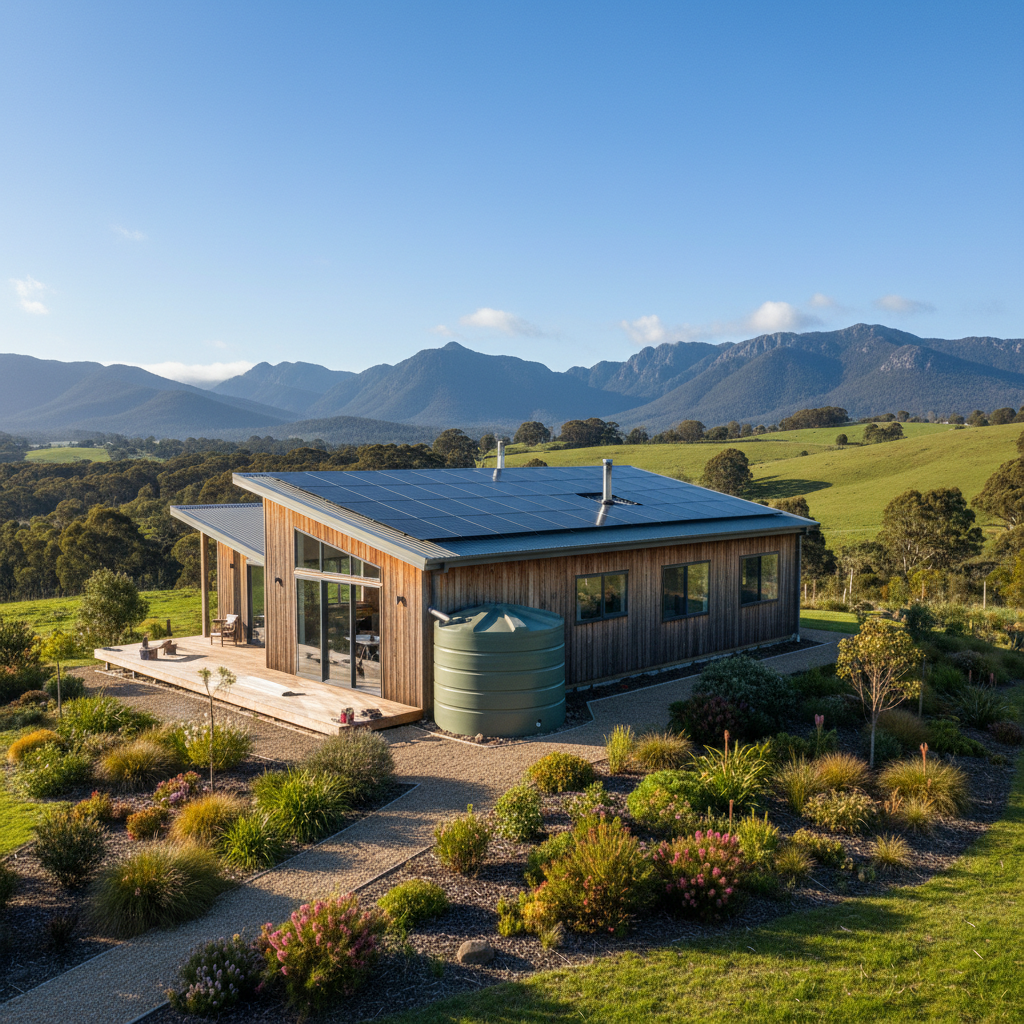
Modern kit homes are designed with the Australian environment in mind. From the insulation included in the kit to the reflective properties of high quality steel roofing, these homes are built to keep you cool in the summer and warm in the winter. When planning your build, consider adding rainwater tanks and solar panels to your secondary dwelling to reduce its environmental footprint and long term running costs.
Choosing to build a kit home is also a sustainable choice in terms of waste. Because the frames and components are pre-cut and engineered to fit, there is significantly less site waste compared to traditional stick-built construction methods.
Conclusion: Your Backyard, Reimagined
The rise of kit homes and secondary dwellings in Australia reflects a broader shift toward more intentional, flexible, and creative living. Whether you are looking to support your family, create a secondary stream of income, or build a personal sanctuary, the kit home path offers a unique opportunity to be involved in the creation of your space.
By combining smart design principles, the durability of steel frames, and the hands-on spirit of the owner-builder, you can transform your backyard into a functional work of art. The journey of building a kit home is about more than just adding square footage, it is about creating a lifestyle that reflects who you are and how you want to live. So, grab your blueprints, clear a space in the garden, and start imagining the possibilities of your new Australian backyard.