The New Australian Dream: Trading the Commute for the Countryside
For decades, the Australian dream was tethered to the city. Proximity to the central business district dictated where we lived, how we spent our weekends, and the style of homes we built. However, a significant shift has occurred in the Australian housing landscape. The rise of remote work has untethered thousands of professionals from their urban offices, sparking a migration toward rural and regional areas that we have not seen on this scale before.
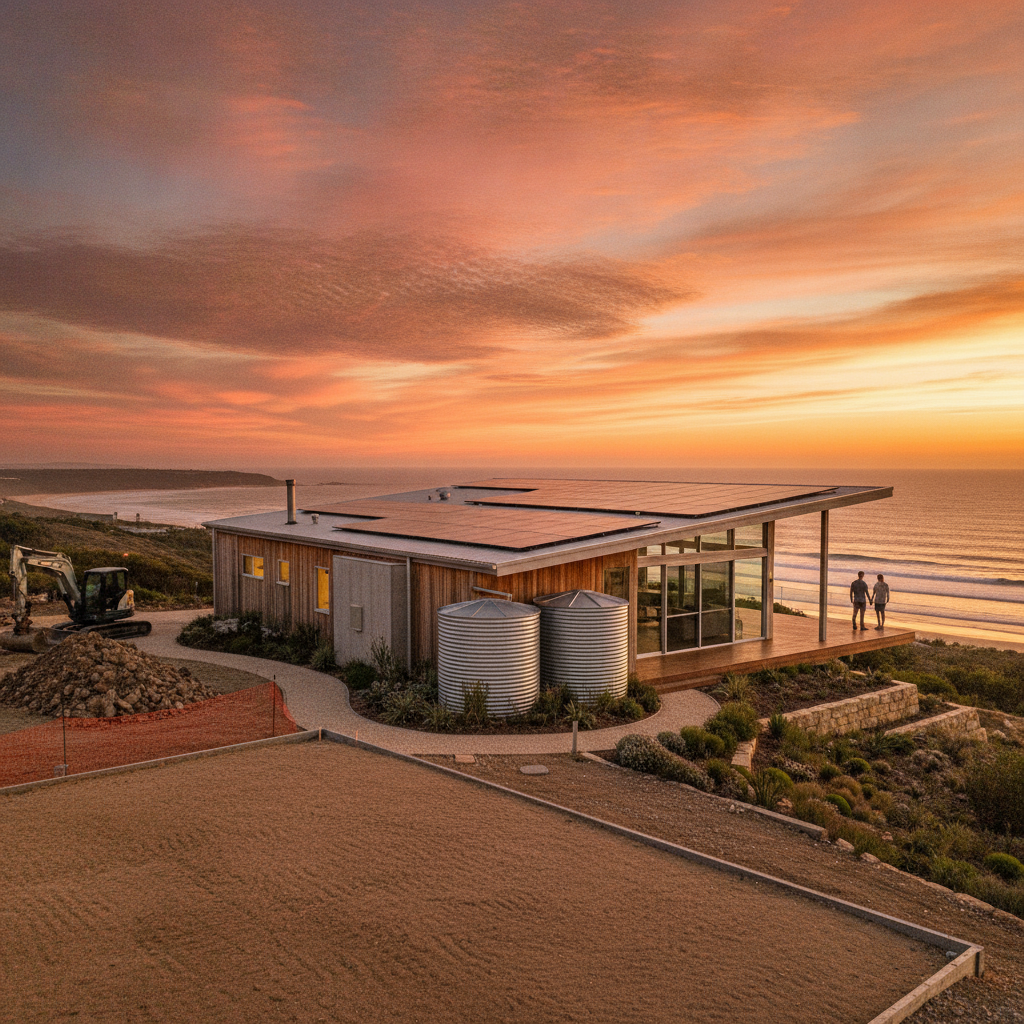
This movement, often dubbed the tree change or sea change, is about more than just a change of scenery. It is about lifestyle design. People are seeking larger blocks of land, a connection with nature, and the ability to build a home that reflects their specific needs. In this new era of Australian housing, kit homes have emerged as a frontrunner for those looking to create a custom sanctuary without the complexities of traditional volume building in remote locations.
Why Remote Work is Driving the Kit Home Boom
The flexibility to work from a home office three, four, or even five days a week has changed the criteria for the perfect property. Suddenly, a two hour drive from a capital city is a small price to pay for five acres of bushland or a coastal breeze. However, building in regional Australia presents unique challenges. Finding reliable local builders who are available can be difficult, and the logistics of transporting materials can be a headache.
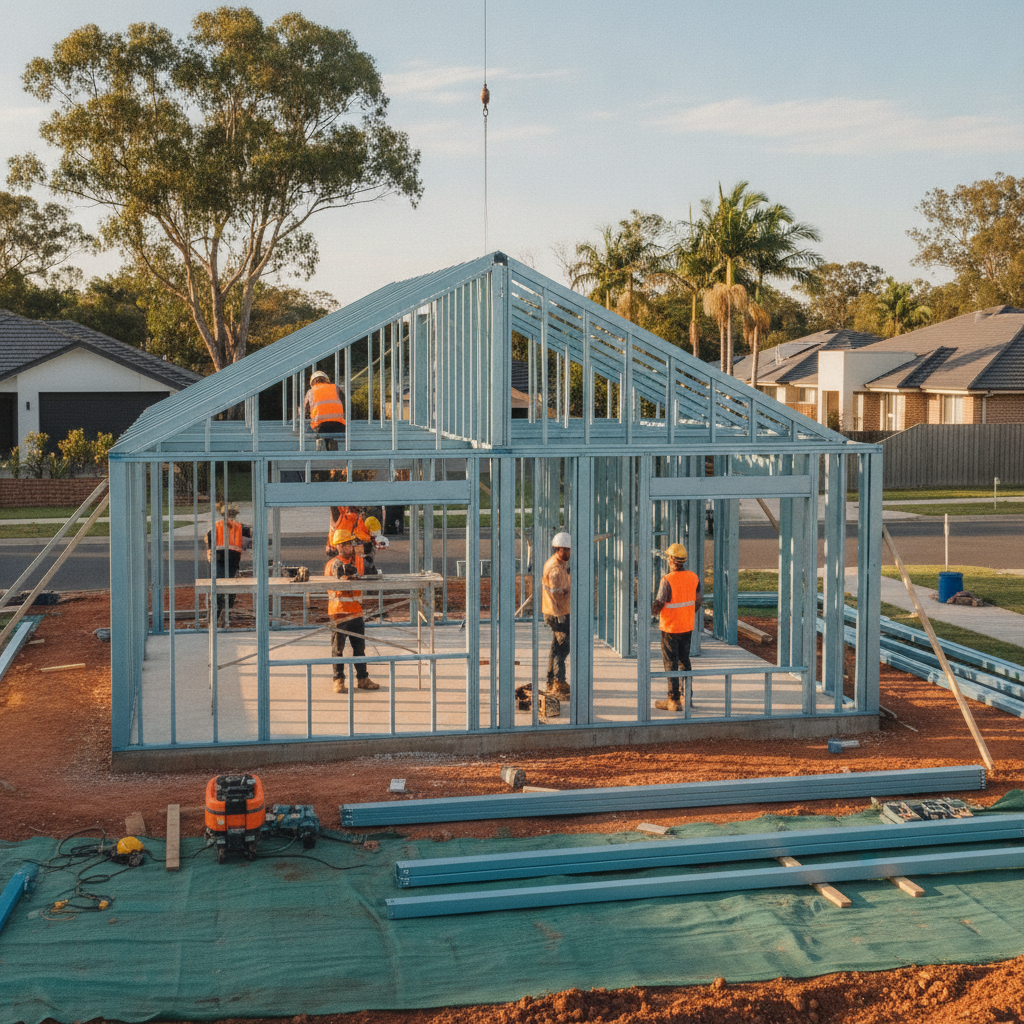
Kit homes solve these geographical hurdles beautifully. Because the components, including the precision engineered steel frames, roofing, cladding, and windows, are delivered as a comprehensive package, much of the logistical guesswork is removed. This makes it an incredibly attractive option for the modern owner builder who wants to manage their project on a rural site where traditional construction services might be scarce.
The Strength of Steel in the Australian Landscape
When you are building in the Australian outback, the rolling hills of the Great Dividing Range, or near the salt spray of the coast, material choice matters. This is where the shift toward steel frame construction becomes vital. Most modern kit homes in Australia now leverage high quality materials like BlueScope TRUECORE steel for their primary structure.
Steel offers several distinct advantages for rural builds:
- Precision: Steel frames are manufactured to exact specifications, meaning they arrive on site straight and true. For an owner builder, this makes the assembly process much more predictable.
- Durability: Unlike timber, steel is non combustible, which is a significant consideration for homes built in bushfire prone areas. It is also 100 percent termite proof, providing long term peace of mind in the Australian environment.
- Weight and Logistics: Steel frames are relatively lightweight compared to other structural materials, making them easier to handle on sites with difficult access.
Designing for the Modern Rural Lifestyle
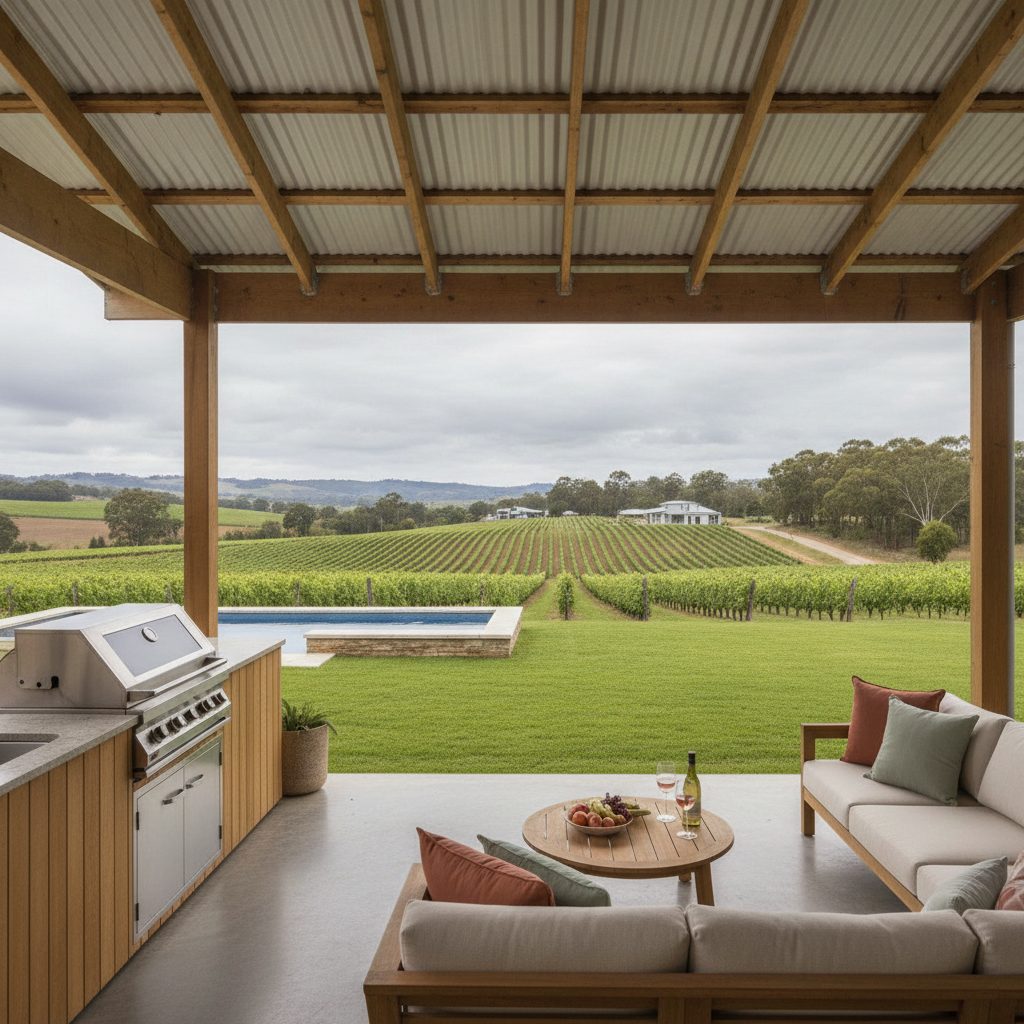
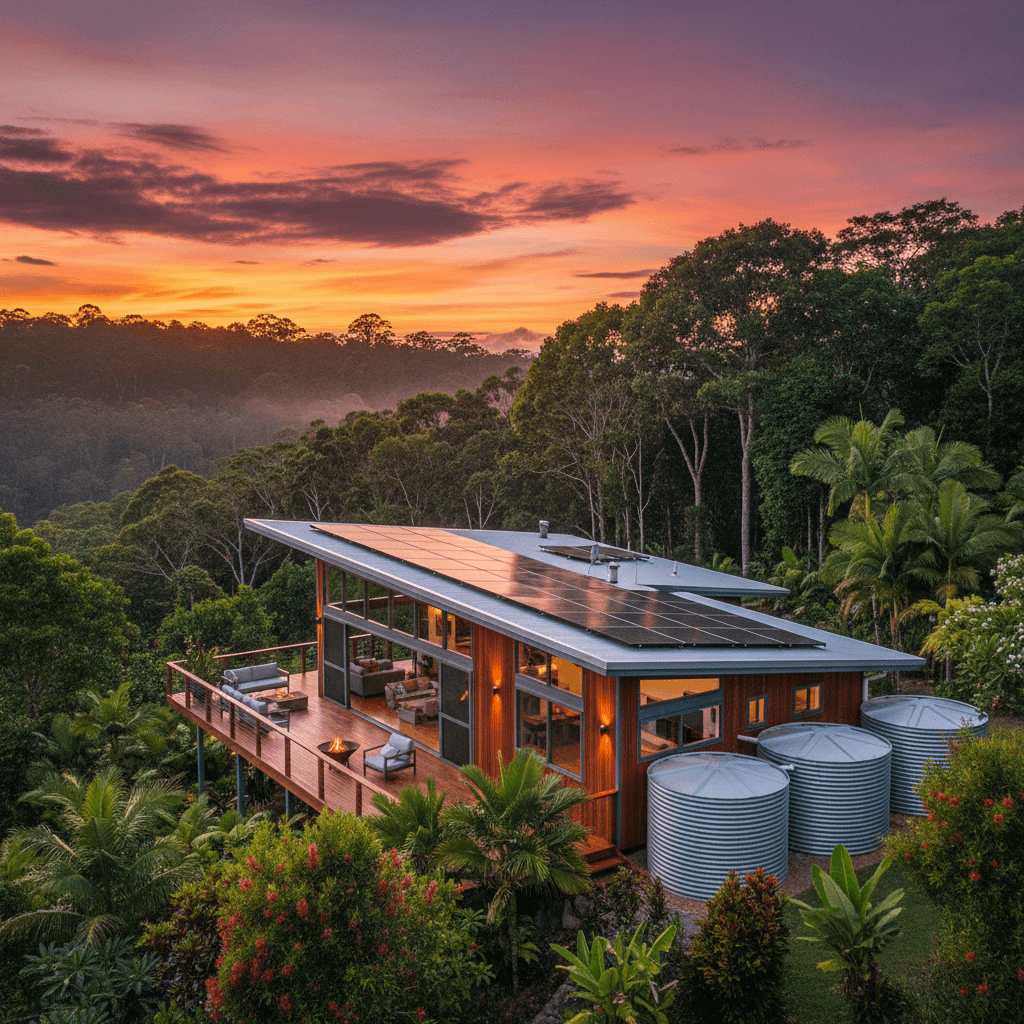
The current trend in rural kit home design is a blend of practical functionality and aesthetic minimalism. We are seeing a move away from cramped, segmented suburban layouts toward open plan living that celebrates the surrounding landscape. Large windows and glass doors are no longer just features, they are essential for bringing the outdoors in and maximizing natural light.
Many regional builders are opting for wrap around verandahs, which serve a dual purpose. They provide an outdoor living space to enjoy the rural views and offer a natural cooling effect by shading the main walls of the house from the harsh Australian sun. This focus on passive solar design is a hallmark of the modern Australian housing trend, where owner builders are increasingly conscious of their environmental footprint and long term energy efficiency.
Practical Tips for Potential Kit Home Owners
If you are considering joining the wave of people moving to regional Australia with a kit home, here are a few practical pointers to help you navigate the journey:
Research Your Site Thoroughly
Before you fall in love with a floor plan, understand your land. Is the site level, or will it require significant earthworks? What is the Bushfire Attack Level (BAL) rating? These factors will influence everything from your floor system, whether you use a concrete slab or a raised floor, to the type of windows and cladding included in your kit.
Understand the Owner Builder Role
While a kit home simplifies the material sourcing process, being an owner builder is a significant commitment. You will be responsible for coordinating the site works, arranging the plumbing and electrical trades, and managing the internal fit out. It is a rewarding process that offers total control, but it requires organization and a willingness to learn.
Think About the Home Office First
Since the move is likely driven by remote work, do not treat the office as an afterthought. Consider its orientation for natural light, the placement of power points, and how to insulate the space for sound if you have a busy family. A well placed study can become the most important room in a rural home.
The Owner Builder Advantage: Creating Your Own Workspace
One of the most exciting aspects of the kit home trend is the ability to customize. Traditional project builders often have rigid plans that are difficult to alter. In contrast, kit homes allow for a greater degree of flexibility during the planning stage. If you need an extra large workshop for your hobbies or a dedicated studio with high ceilings for your creative work, those requirements can be built into the DNA of the home from day one.
This hands on approach allows owner builders to inject their personality into the build. Whether it is a specific style of corrugated cladding that echoes the heritage of the Australian shed or a modern, sleek finish using contemporary colors, the result is a home that feels authentic to its owner rather than a cookie cutter suburban replica.
Sustainability and Longevity in the Bush
As we see more homes popping up in regional areas, there is a growing emphasis on building for the future. Modern kits are designed to be resilient. Using steel frames made from BlueScope steel ensures that the skeleton of the house will remain straight and sturdy for generations. When combined with modern insulation and high performance glazing, these homes are capable of withstanding the extreme temperature fluctuations often found in the Australian interior.
Furthermore, the efficiency of the kit home process reduces waste on site. Because components are manufactured to size, there is far less offcut material compared to traditional stick build methods. This is a small but important step toward more sustainable construction practices across the country.
Conclusion: A New Chapter for Australian Housing
The migration toward rural Australia is not just a passing phase; it is a fundamental shift in how we view work and life. By embracing the kit home model, Australians are finding a way to bypass the limitations of the urban housing market and create residences that are perfectly suited to the wide open spaces of our continent.
With the structural integrity of steel frames, the flexibility of modern designs, and the sheer satisfaction of the owner builder journey, the future of Australian housing looks bright, regional, and remarkably self reliant. Whether you are looking for a small cabin in the woods or a sprawling family home on the coast, the opportunity to build your own piece of paradise has never been more accessible.