A New Era for Australian Home Design
Australians are changing how they think about their living spaces. The last few years have forced a shift in our collective perspective, making us realise that a house is far more than just a place to sleep. It has become a workspace, a gym, a school, and a sanctuary. This shift has led many to move away from standard volume-built houses toward something more personal and adaptable. The modern kit home has emerged as a popular choice for those who want to take control of their building project and create a space that truly reflects their lifestyle.
The move toward these types of homes is driven by a desire for autonomy. Many Australians now prefer to act as owner-builders, overseeing the construction process and making decisions that affect the final quality and layout of their home. This approach allows for a level of customisation that is often missing from off-the-plan developments. It's about more than just putting up walls, it is about understanding the structure from the ground up and ensuring every component meets a high standard.
Why the Kit Home Fits the Modern Australian Lifestyle
Our lifestyles have become more fluid, and our homes need to keep up. One of the biggest trends seen recently is the demand for multi-purpose rooms. A spare bedroom is no longer just for guests, it's a home office during the week and perhaps a yoga studio on the weekends. Kit homes provide the flexibility to choose a layout that accommodates these needs. Because the designs are often adaptable, owners can decide how to best use the internal floor plan before the build even begins.
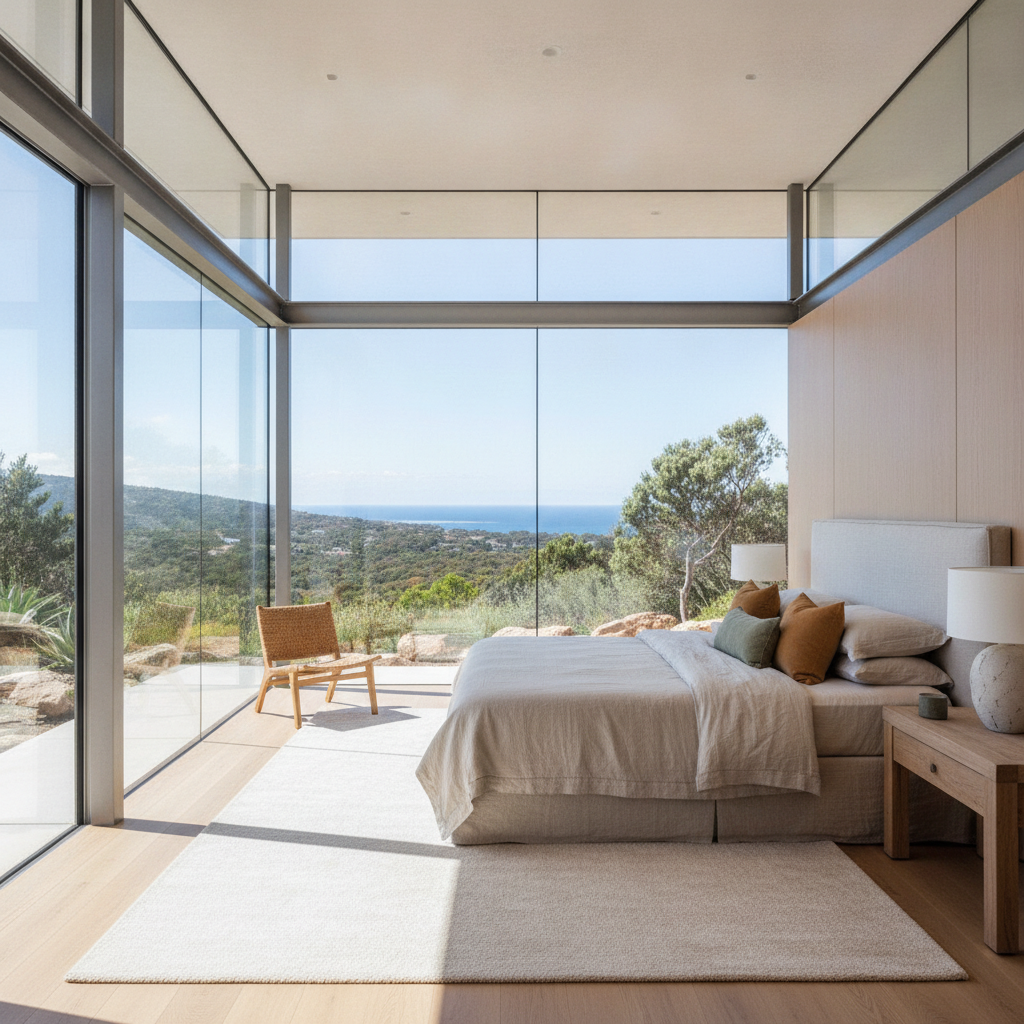
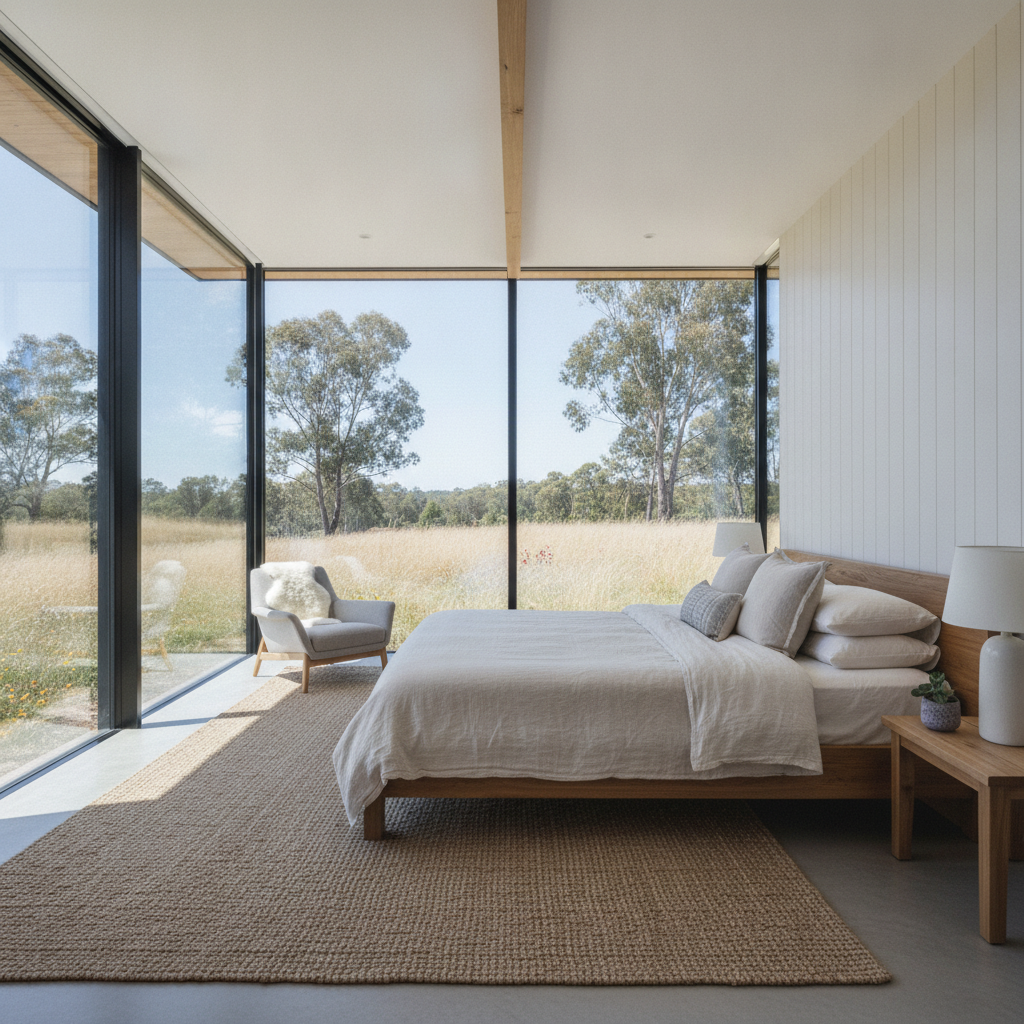
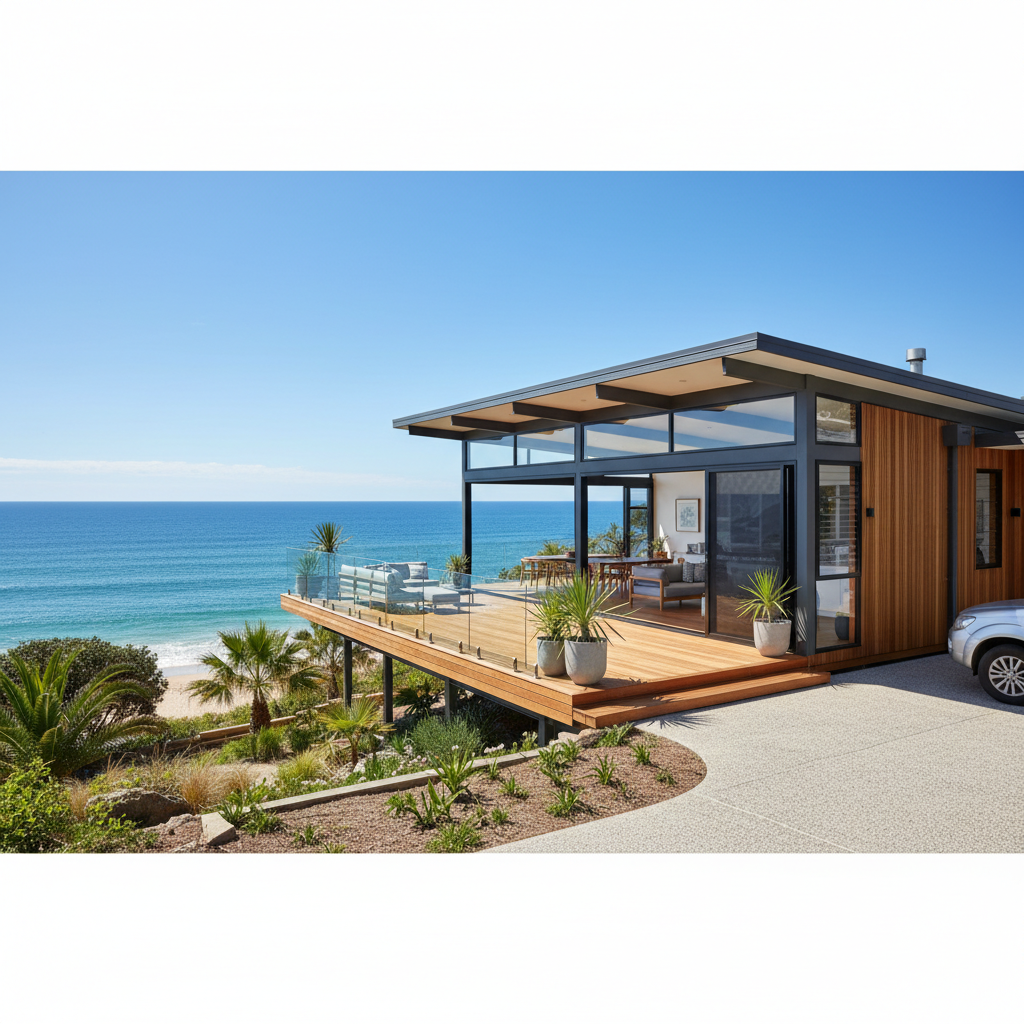
Another factor is the connection to the Australian outdoors. We love our backyards, decks, and verandas. The design of many modern kits emphasises this indoor-outdoor flow. With large window openings and sliding doors, these homes are built to capture natural light and sea breezes, which is a staple of Australian architectural preference. By choosing a kit, an owner-builder can position their home on the block to take full advantage of the local climate and views.
The Strength of Steel in Australian Conditions
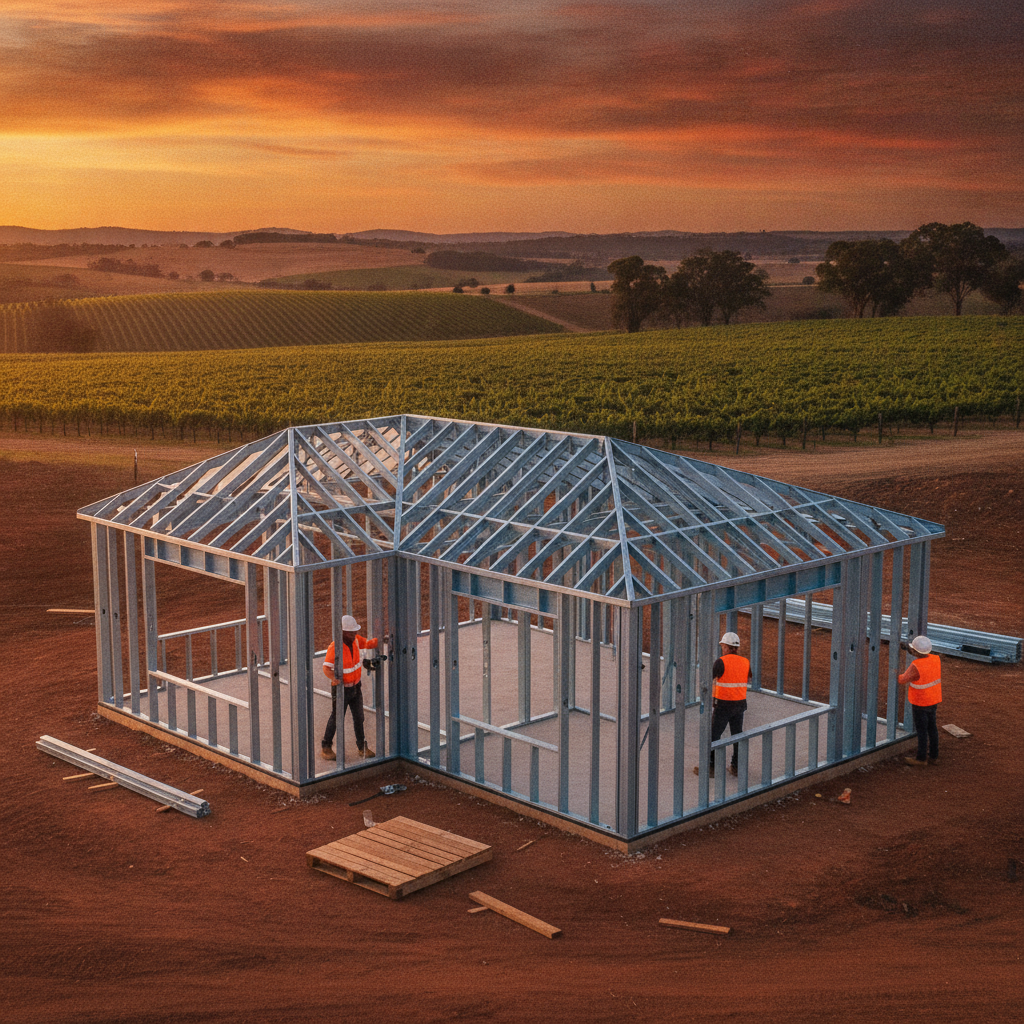
When building in Australia, the choice of materials is a major consideration. Our environment can be harsh, with high temperatures, intense sun, and the constant threat of pests. This is where steel frame construction shows its true value. Using BlueScope TRUECORE steel for the internal structure provides a level of precision that is hard to match with other materials. Steel doesn't warp, twist, or shrink over time. This means that once the frames are up, the lines stay straight and the corners stay square.
For those living in areas prone to termites, steel frames offer peace of mind. Termites simply cannot eat a steel frame, which removes one of the biggest headaches for homeowners in many parts of the country. Additionally, steel is non-combustible. While it's only one part of a bushfire-resistant design, having a steel frame can be a significant advantage when building in bushfire-prone areas. Using a trusted Australian brand like BlueScope also ensures that the material has been tested for our specific conditions.
Understanding the Kit Home Package
It is helpful to understand exactly what comes in a kit. When you order a kit home, you are essentially buying the structural shell and the external skin of the building. This usually includes the wall frames and roof trusses made from high-quality steel, the external cladding, and the roofing material. It also covers the windows, external doors, and the necessary insulation to keep the home comfortable year-round.
What the kit does not include are the site works and the internal fit-out. As an owner-builder, you are responsible for preparing the land, pouring the concrete slab or building the sub-floor, and arranging for local tradies to handle the plumbing and electrical work. This separation of tasks is what gives the owner-builder so much control. You get the benefit of a pre-engineered structural system, but you still have the freedom to choose your own kitchen cabinets, bathroom tiles, and floor finishes later on.
The Role of the Owner-Builder
Taking on the role of an owner-builder is a significant commitment, but for many Australians, it's a rewarding one. It requires a high level of organisation and a willingness to learn. You aren't just a spectator, you are the project manager. You'll need to coordinate the delivery of the kit, manage the trades on-site, and ensure that everything is being built according to the local council regulations.
One of the first steps is obtaining the necessary permits. Whether it is a Development Application (DA) or a Complying Development Certificate (CDC), getting your paperwork in order is the foundation of a successful build. It's also vital to have a clear understanding of site access. Delivery trucks carrying long steel frames and roofing sheets need plenty of room to manoeuvre. Planning these logistics early can save a lot of stress once the building materials arrive on-site.
Designing for Functional Flexibility
Design trends are currently leaning toward smaller, more efficient footprints. People are realising that they don't necessarily need a massive house if the space they have is well-designed. This is where the kit home model shines. By focusing on smart layouts, you can create a home that feels spacious without being unmanageable. High ceilings and well-placed windows can make a modest floor plan feel much larger than it actually is.
Consider the placement of wet areas like the kitchen and laundry. In a kit home, these are often grouped together to make the plumbing more straightforward. When you're looking at different designs, think about how you move through your daily routine. Do you need a mudroom to drop off sandy boots after a trip to the beach? Would you prefer a walk-in pantry? These are the types of design elements that Australians are prioritising now more than ever.
Practical Tips for a Successful Build
If you're considering a kit home, start by looking at your block of land. The slope, the soil type, and the orientation will all influence your build. It's worth getting a soil test early on so you know what kind of slab or footings you'll need. Talk to your local council about any specific requirements they have for your area, such as heritage overlays or bushfire attack levels (BAL ratings).
Building a good relationship with your local tradies is another key factor. Even if you're doing a lot of the work yourself, you'll still need licensed professionals for the critical stuff like electricity and plumbing. Ask around for recommendations and try to book them in well in advance. Since you're managing the site, keeping a clean and organised workspace will help the trades do their jobs more efficiently and safely.
Don't overlook the importance of insulation. While a kit usually includes a standard insulation package, you might want to upgrade depending on where you live. In the tropical north, the focus is on reflecting heat and allowing for airflow. In the cooler southern states, keeping the warmth inside during winter is the priority. Making these decisions during the design phase will lead to a much more comfortable home in the long run.
Planning for the Future
The Australian housing market is always changing, but the desire for a home that is built to last remains constant. By choosing a steel-framed kit home, you're investing in a structure that is designed for longevity. The precision of the steel frames means that your windows and doors will continue to open and close smoothly for years, and the exterior materials are chosen for their ability to withstand the elements.
Building your own home is a way to create something that is uniquely yours. It's a chance to step away from the cookie-cutter approach and build a space that fits your family's needs perfectly. Whether it's a small secondary dwelling for a family member or a large family home on a rural block, the kit home process provides a clear path for those who want to be involved in every step of the creation of their home. With the right planning and a bit of hard work, you can create a high-quality, modern home that will stand the test of time in the Australian environment.