The Backyard Revolution: More Than Just a Granny Flat
Walk through any established Australian suburb today and you will notice a significant shift in how we are using our land. The classic quarter-acre block, once defined by a lonely hills hoist and a patch of buffalo grass, is being reimagined. Across the country, homeowners are embracing the secondary dwelling, or as it is affectionately known, the granny flat, as a sophisticated solution to modern living challenges.
This trend toward densification is not just about making more room. It is about lifestyle flexibility, multi-generational living, and the desire for high-quality, architectural spaces that do not require a multi-million-dollar renovation of the main house. We are seeing a surge in sophisticated kit homes that offer a streamlined path to adding a beautiful, permanent structure to an existing property.
The Shift Toward Multi-Generational Living
One of the strongest drivers behind the popularity of secondary dwellings is the return to multi-generational living. Young adults are staying at home longer while they save for their own place, and elderly parents are looking for ways to stay close to family while maintaining their independence. A well-designed kit home in the backyard provides the perfect middle ground.
By choosing a secondary dwelling, Australian families are creating "together but separate" environments. These small-scale homes offer full kitchen facilities, bathrooms, and living areas, ensuring that everyone has their own sanctuary while remaining interconnected. It is a social shift that values family proximity and support systems over the traditional isolation of the nuclear family home.
Why Kit Homes are Leading the Trend
When people think about adding a dwelling to their backyard, they often look for a balance between quality and manageability. This is where kit homes have found their niche. Unlike other building methods that might involve complex logistics or restricted access, a kit home arrives as a collection of high-quality components ready to be assembled on-site.
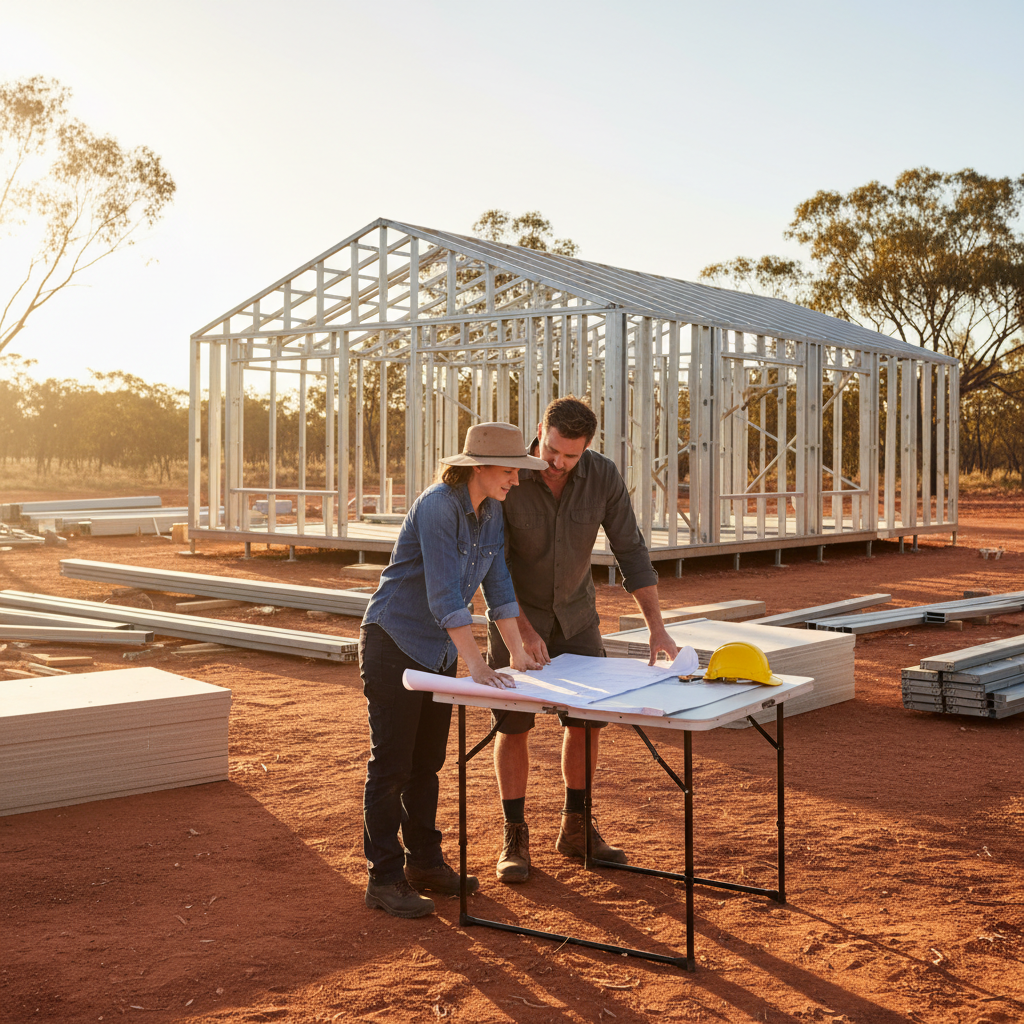
For many Australians, the appeal lies in the precision. Modern kits utilize advanced technology, such as framing made from BlueScope TRUECORE steel, which ensures every piece is straight, true, and engineered to withstand Australian conditions. Because the frames are light and easy to handle, they are particularly suited to backyard projects where access might be tight or where the homeowner wants to take an active role in the build.
Design Trends in Secondary Dwellings
The days of the drafty, fibro shed in the corner of the yard are long gone. Today's secondary dwellings are masterpieces of small-space design. Here are some of the trends we are seeing in the Australian market:
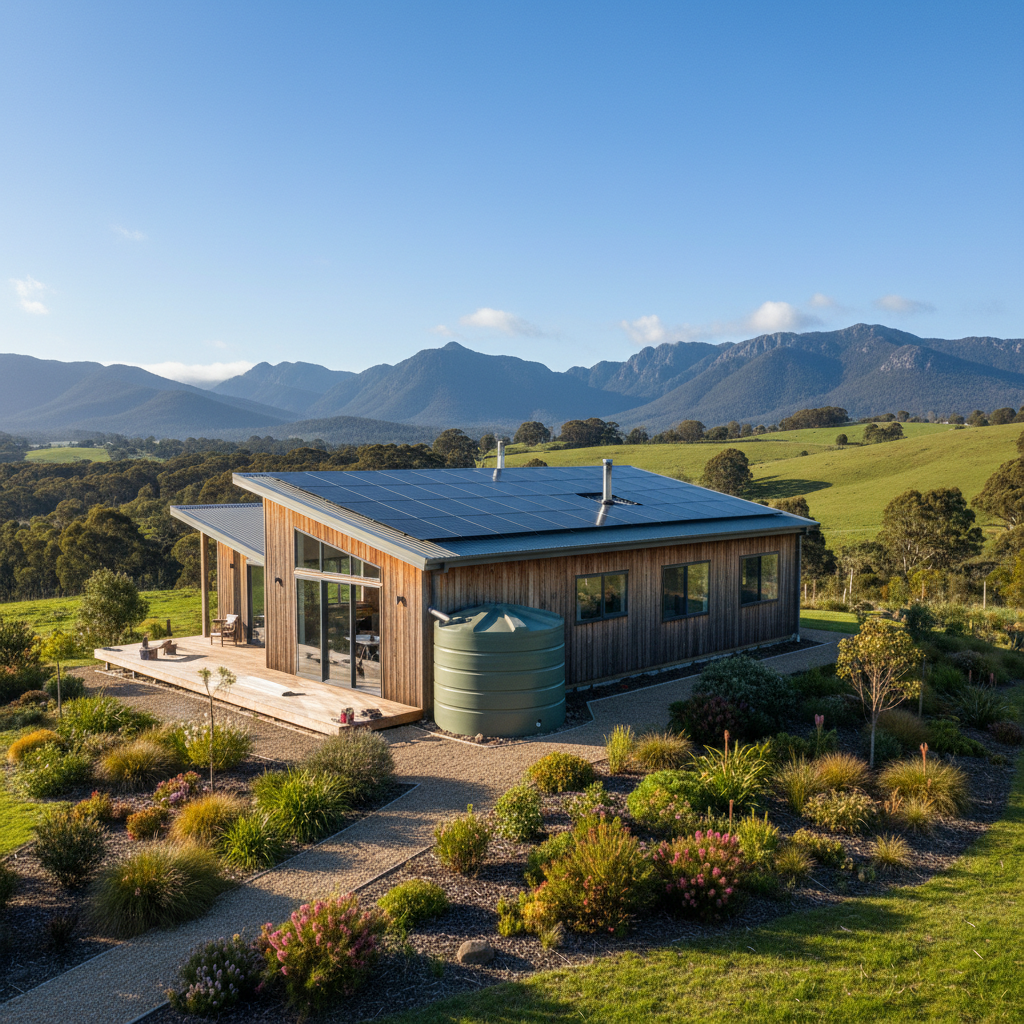
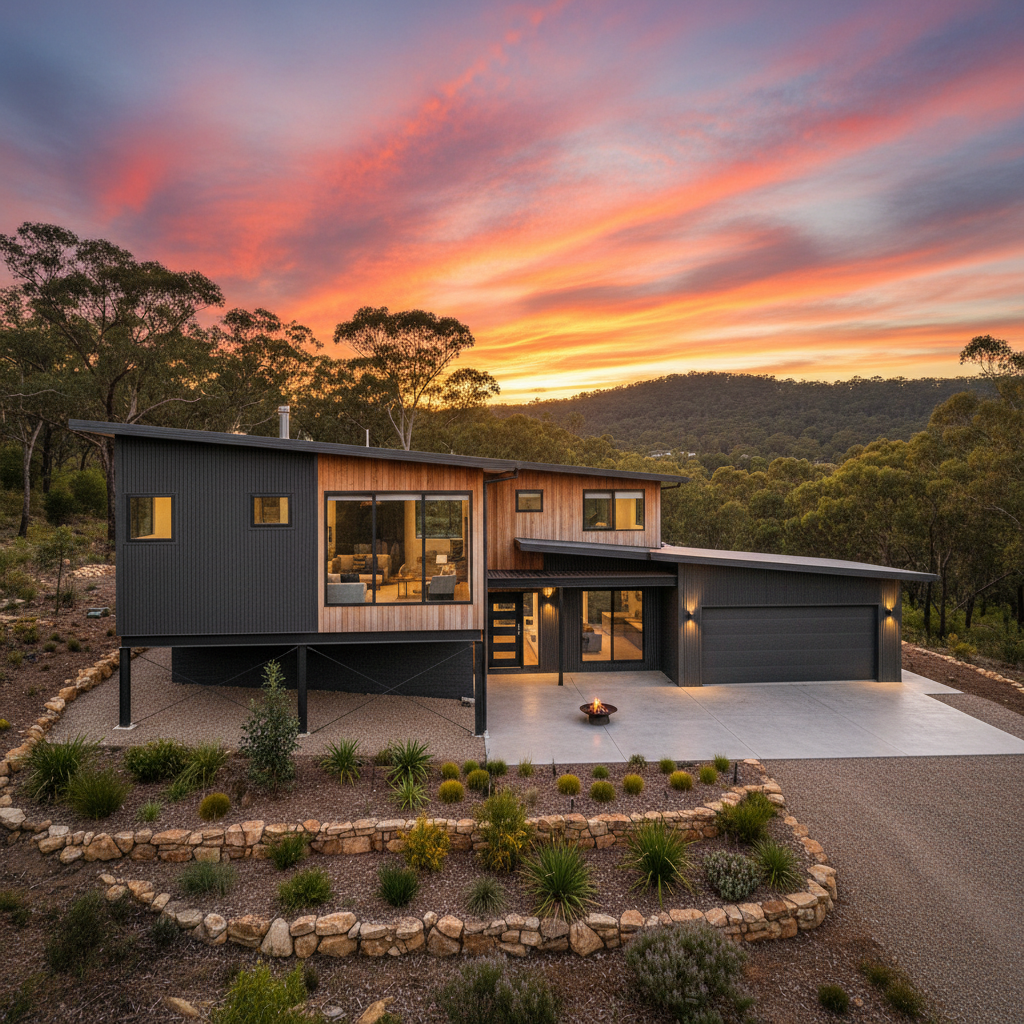
- Scandi-Aussie Fusion: Minimalist interiors paired with rugged Australian exteriors like corrugated steel cladding and timber accents.
- High Ceilings and Natural Light: Using skillion roofs and large windows to make a small footprint feel expansive and airy.
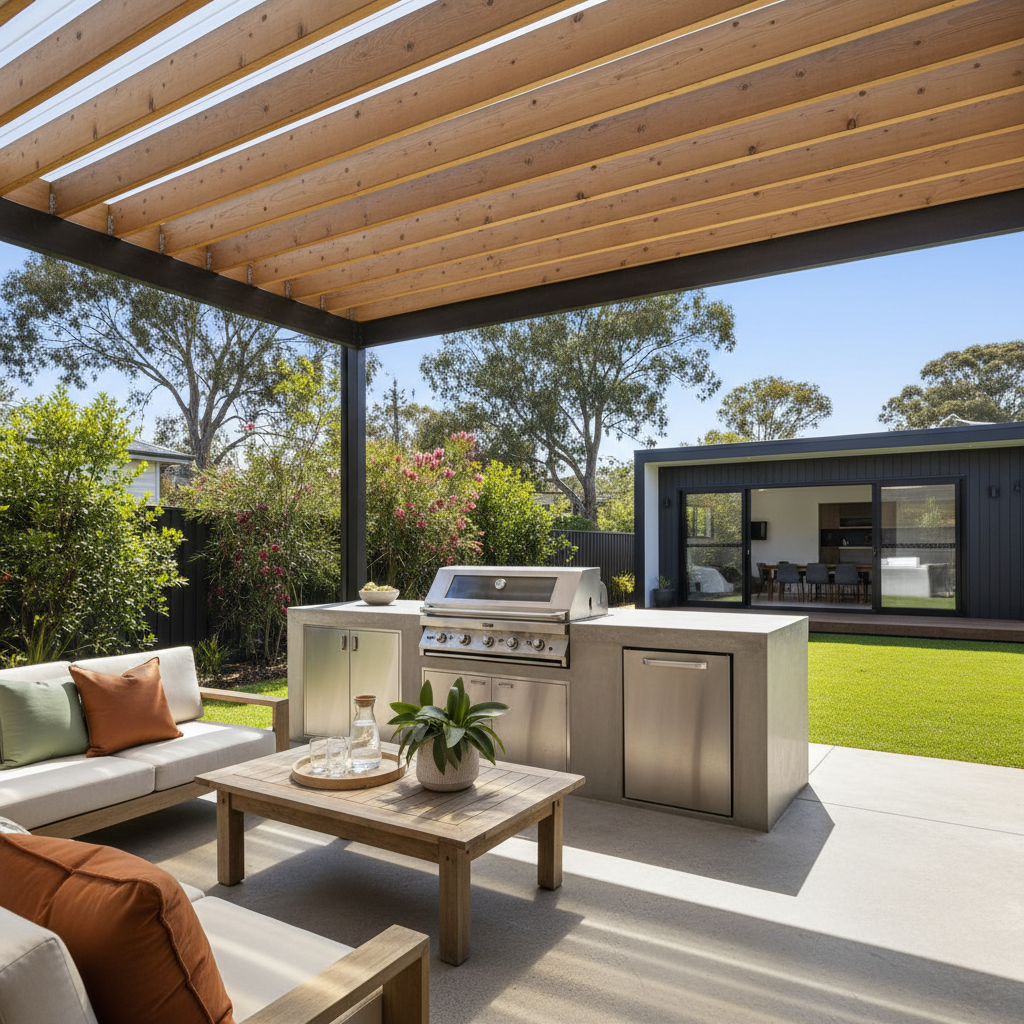
- Indoor-Outdoor Flow: Large sliding doors that open onto private decks, effectively doubling the usable living space.
- Sustainable Materials: A focus on high-quality insulation and durable materials that require minimal maintenance over the long term.
Practical Tips for Planning Your Kit Home
Before you dive into your backyard project, a little bit of foresight goes a long way. Building a secondary dwelling is a rewarding journey, but it requires careful coordination.
Research Local Regulations
Every local council in Australia has different rules regarding secondary dwellings. In some states, like New South Wales, the process has been streamlined to encourage more housing, while in others, there are strict limits on floor size (often capped at 60 or 70 square metres). Always start your journey by chatting with your local planning department or a private certifier.
Consider Site Access
One of the reasons kit homes are so popular for backyards is that the components can often be carried by hand if a crane cannot reach the site. However, you still need to think about where materials will be stored and how tradespeople will move in and out of the property during the construction phase.
The Owner-Builder Pathway
Many Australians choose to tackle these projects as owner-builders. This allows you to take control of the project, hire your own local trades, and manage the timeline. It is a satisfying way to build, but it does mean you are the project manager. You will need to coordinate the slab pour, the plumbing and electrical rough-ins, and the final fit-out once the kit shell is standing.
The Technical Edge: Why Steel Framing Matters
In the context of Australian housing trends, there is a clear move toward materials that are resilient to our unique climate. Steel framing has become a staple in the kit home industry for several reasons. It is 100% termite-proof, which provides huge peace of mind for projects tucked away in leafy backyards. It is also non-combustible, making it a smart choice for regions prone to bushfires.
Furthermore, steel frames do not warp, twist, or shrink over time. This means your windows won't stick and your plasterboard won't crack as the house settles, which is essential when you are aiming for a high-end finish in a compact space.
Tips for Aspiring Owner-Builders
If you are planning to manage the build of your secondary dwelling yourself, here are a few hands-on tips to help the process run smoothly:
- Organization is Key: Keep a detailed folder with all your council approvals, engineering plans, and trade contacts.
- Stage Your Trades: Ensure your plumber and electrician have visited the site to lay their internal pipes and wires before the slab is poured or the walls are closed up.
- Don't Skimp on Insulation: In a small home, temperature fluctuations are more noticeable. Use the high-quality insulation provided in your kit to ensure year-round comfort.
- Focus on the Finish: Because the footprint is smaller, you might be able to afford higher-quality tiles or tapware than you would in a large family home. These small luxuries make a big difference in the feel of a secondary dwelling.
The Future of Australian Housing
As our cities grow and our lifestyle needs evolve, the flexibility of the kit home secondary dwelling will only become more vital. We are moving away from houses that are fixed in their purpose and toward properties that can adapt as we age. Today, it might be a home office; in five years, a guest suite; and in ten years, a home for a family member.
By choosing a kit home that utilizes high-quality Australian materials like BlueScope steel, homeowners are investing in a structure that will stand the test of time. It is a smart, stylish, and practical way to make the most of the land you already own.
Conclusion
The rise of secondary dwellings across Australia is a testament to our ingenuity and our desire for more versatile living arrangements. Whether you are looking to support your family, create a workspace, or simply add value to your property, a kit home offers a professional and manageable way to achieve that goal. With the right planning, a focus on quality materials, and a bit of owner-builder spirit, you can transform your backyard into a functional and beautiful extension of your home.