The Backyard Revolution: Australia's New Way of Living
Walk through any established Australian suburb lately and you will likely notice a significant shift in the landscape. The traditional quarter-acre block, once defined by a lonely hills hoist and a patch of buffalo grass, is being reimagined. Across the country, secondary dwellings, or 'granny flats' as they are affectionately known, are popping up at record rates. But these are not the dark, cramped backyard sheds of the 1970s. Today, secondary dwellings are stylish, high-tech, and incredibly versatile additions that reflect our changing lifestyle needs.
Whether it is a space for elderly parents to age in place, a dedicated home office for the remote work era, or a sanctuary for adult children saving for their own first home, the demand for secondary dwellings is at an all-time high. This trend is being driven by a desire for flexibility and a more efficient use of the land we already own. For many Australians, a steel frame kit home provides the perfect balance of quality and direct involvement, allowing them to take control of the building process as an owner-builder.
The Shift Toward Multi-Generational Living
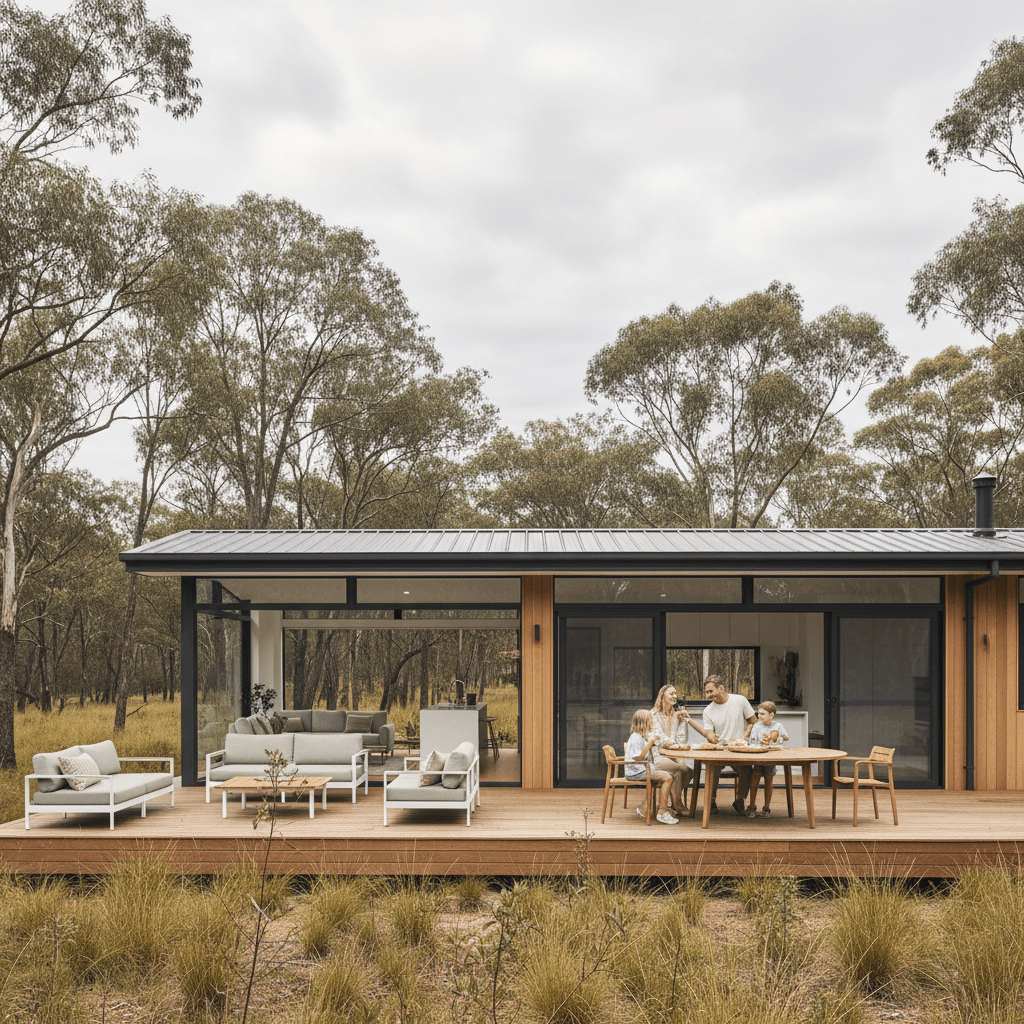
One of the strongest drivers behind this housing trend is the return to multi-generational living. Historically, Australian families have moved away from one another as they grew, but current social shifts are bringing us back together. Secondary dwellings allow for a unique 'connected but independent' lifestyle. Grandparents can stay close to their grandchildren without sacrificing their privacy, and adult children can maintain their independence while remaining within the family support network.
Designing a secondary dwelling for multi-generational use requires a focus on accessibility and longevity. This is where kit homes shine, as the floor plans can be selected to suit specific needs, such as open-plan layouts that are easier to navigate or wide doorways that accommodate mobility aids later in life. Using durable materials like BlueScope Truecore steel ensures the structure remains straight and true for decades, providing a stable foundation for family life across several generations.
Current Design Trends in Secondary Dwellings
Contemporary Australian housing trends are leaning heavily into minimalism and sustainable design. When it comes to kit homes in the backyard, several key design elements are currently leading the way:
- High Ceilings and Natural Light: To make a smaller footprint feel spacious, modern designs incorporate high rake ceilings and large windows. This creates an airy, pavilion-style feel that connects the interior with the surrounding garden.
- Sustainable Cladding: Natural-looking cladding that blends into the Australian landscape is a huge trend. Using high-quality external finishes that can withstand our harsh sun is essential for a long-lasting secondary dwelling.
- Smart Use of Space: Multi-purpose rooms, built-in storage solutions, and integrated outdoor decks help to maximize every square meter. A well-placed deck can effectively double the living area of a secondary dwelling.
- Industrial Minimalism: The use of exposed steel elements and clean lines reflects a growing preference for industrial aesthetics that are both durable and low-maintenance.
Practical Tips for Planning Your Kit Home
Embarking on a kit home project is an exciting journey, but it requires careful planning to ensure a smooth build. If you are considering adding a secondary dwelling to your property, here are some practical tips to get you started:
Check Your Local Council Regulations
Every local council in Australia has different rules regarding secondary dwellings. Some regions are very encouraging, while others have strict requirements regarding block size, setbacks from boundaries, and the maximum floor area allowed. Before you fall in love with a design, have a chat with a private certifier or your local council planning department to understand what is permissible on your specific piece of land.
Think About Site Access
Unlike a standard new build on a vacant lot, backyard projects often have restricted access. You need to consider how the kit components, such as the steel frames and roofing sheets, will be delivered to the site. If your side access is narrow, you may need to arrange for manual handling or specific crane hire. Planning this logistics phase early can save a lot of headaches during the construction process.
Orientation is Everything
To make your secondary dwelling comfortable and energy-efficient, pay close attention to its orientation. Position living areas and large windows toward the north to capture the winter sun. This not only makes the house more pleasant to live in but also reduces your reliance on artificial heating and cooling, which is a key goal for modern Australian homeowners.
The Owner-Builder Advantage
For many Australians, the appeal of a kit home lies in the ability to become an owner-builder. This pathway offers a level of personal involvement and control that is hard to find with a traditional turnkey builder. As an owner-builder, you are the project manager. You coordinate the trades, manage the site, and have a direct hand in the finishing touches.
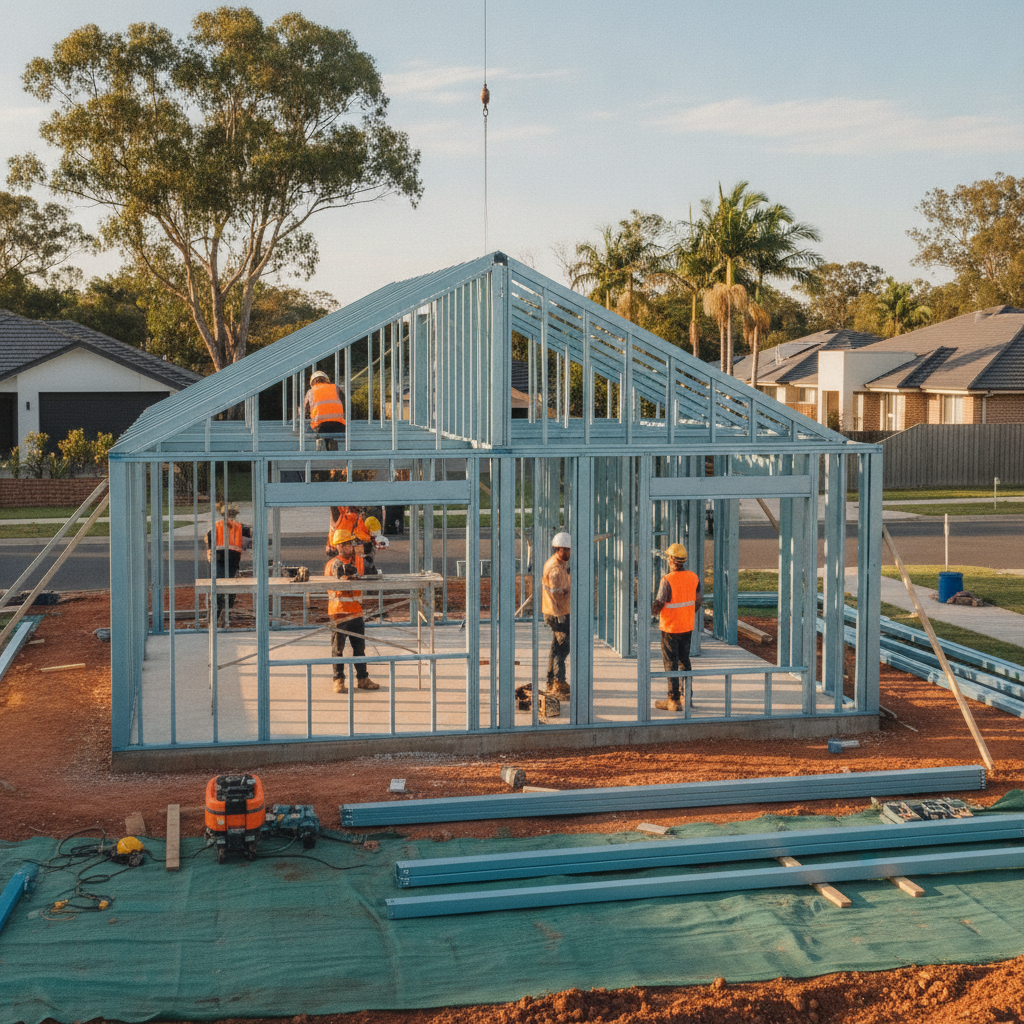
Building with a steel frame kit makes this process more manageable. Because the frames are precision-engineered and delivered ready to be standing, the 'skeleton' of the home goes up quickly and accurately. This provides a solid, square, and straight base for all the following trades. Plumbers and electricians generally find working with steel frames straightforward due to pre-punched service holes, which can help your project stay on schedule.
Hands-on Guidance for DIY Success
If you are planning to take a hands-on approach to your project, here is some guidance to keep you on the right track:
- Educate Yourself: Complete an owner-builder course. These programs are mandatory in most Australian states and provide vital information on your legal responsibilities, site safety, and project management.
- Vet Your Trades: Even if you are doing much of the work yourself, you will still need licensed professionals for plumbing and electrical work. Look for tradespeople who have experience working with steel frames and who are happy to work alongside an owner-builder.
- Stay Organized: Keep a detailed site diary. Document every delivery, every trade visit, and every conversation. This is invaluable if any disputes arise and helps you track your progress against your timeline.
- Quality Over Everything: A secondary dwelling is a long-term investment. Choosing high-quality materials, such as TRUECORE steel for your frames and premium insulation, will pay off in the long run through reduced maintenance and better thermal performance.
Why Steel Frames Make Sense in Australia
In the Australian climate, the choice of building materials is critical. Steel frames have become a staple of modern kit home construction for several practical reasons. Firstly, they are 100% termite-proof. In many parts of Australia, termites are a constant threat to timber-framed homes, but steel offers total peace of mind without the need for harsh chemical treatments.
Secondly, steel is non-combustible. For homeowners in bushfire-prone areas, a steel-framed kit can be a central part of a bushfire resilient design strategy. Finally, steel is incredibly stable. It does not warp, twist, or shrink over time. This means your windows and doors are less likely to stick, and your plasterboard is less likely to crack as the home settles, maintaining the 'new home' feel for much longer.
Defining Your Lifestyle
Ultimately, the surge in secondary dwellings is about more than just adding square meterage. It is about creating a lifestyle that works for the modern world. Whether it is a studio for a creative hobby, a quiet space for a home business, or a cozy home for a family member, these small-scale houses are making big dreams possible. By choosing a kit home approach, Australians are proving that you don't need a massive budget to achieve a high-quality, architecturally inspired result. You just need a bit of vision, a solid plan, and the right materials to bring it all together.
Conclusion
The Australian backyard is undergoing a fascinating transformation. As we move away from the 'bigger is better' mentality, we are discovering the immense value of well-designed, functional, and flexible secondary dwellings. Kit homes provide a practical and high-quality pathway for anyone looking to maximize their land's potential and take a more active role in the creation of their home. With the right preparation and a focus on quality, your backyard project can become a beautiful, lasting addition to your family's future.