The Backyard Revolution: Australia's Love Affair with the Modern Granny Flat
There is a quiet revolution happening over the back fences of Australian suburbs. From the leafy streets of Melbourne to the coastal stretches of Queensland, the traditional backyard is being reimagined. The humble granny flat, once a simple timber bungalow at the end of the garden, has evolved into a sophisticated architectural statement. As our lifestyle needs shift and the way we use our land changes, secondary dwellings have become one of the most significant trends in the Australian housing landscape.
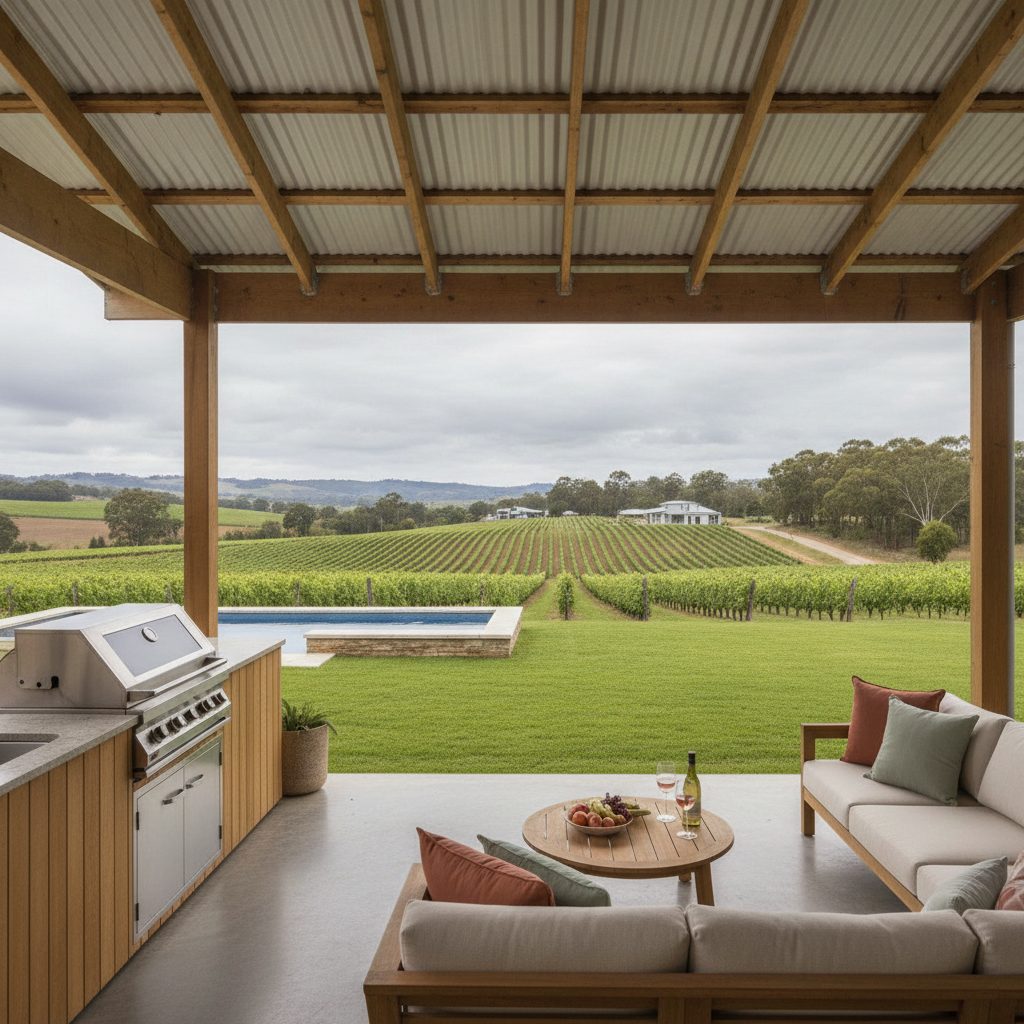
Today, homeowners are looking for more than just extra storage. They want high quality, flexible living spaces that reflect modern design sensibilities. Kit homes have emerged as the leading solution for this demand, offering a streamlined path for owner-builders to add significant value to their property while creating beautiful, functional spaces. Whether it is for multi-generational living, a secluded home office, or a dedicated creative studio, the versatility of the modern kit home is driving a new era of Australian residential design.
Connecting Generations through Smart Design
One of the strongest drivers behind the popularity of secondary dwellings is the return to multi-generational living. As our population ages and the dynamics of Australian families shift, many are looking for ways to keep loved ones close while maintaining independence. A well-designed kit home provides the perfect balance. It offers a private sanctuary for grandparents or adult children, complete with its own kitchen, bathroom, and living areas, all while staying connected to the main family hub.
This trend is not just about utility, it is about lifestyle. Modern kit homes allow for open-plan living, generous ceiling heights, and large windows that invite the outside in. By choosing designs that utilise durable materials like BlueScope steel frames, homeowners are ensuring these buildings stand the test of time, resisting the harsh Australian elements while providing a safe, termite-resistant sanctuary for family members.
The New Home Office: Beyond the Spare Bedroom
The Australian work culture has undergone a permanent shift. The days of the daily commute are, for many, a thing of the past. However, working from the kitchen table or a cramped corner of the bedroom is no longer a viable long-term solution. This has led to a surge in the "Executive Studio" trend, where kit homes are used to create professional, detached workspaces.
A secondary dwelling allows for a clear physical and mental boundary between work and home life. When you walk across the lawn to your kit home office, you are "going to work." This separation is vital for productivity and well-being. These spaces are often designed with high-pitched roofs and integrated insulation to create a quiet, comfortable environment that feels light years away from the distractions of the main house.
Why Kit Homes are the Choice for Owner-Builders
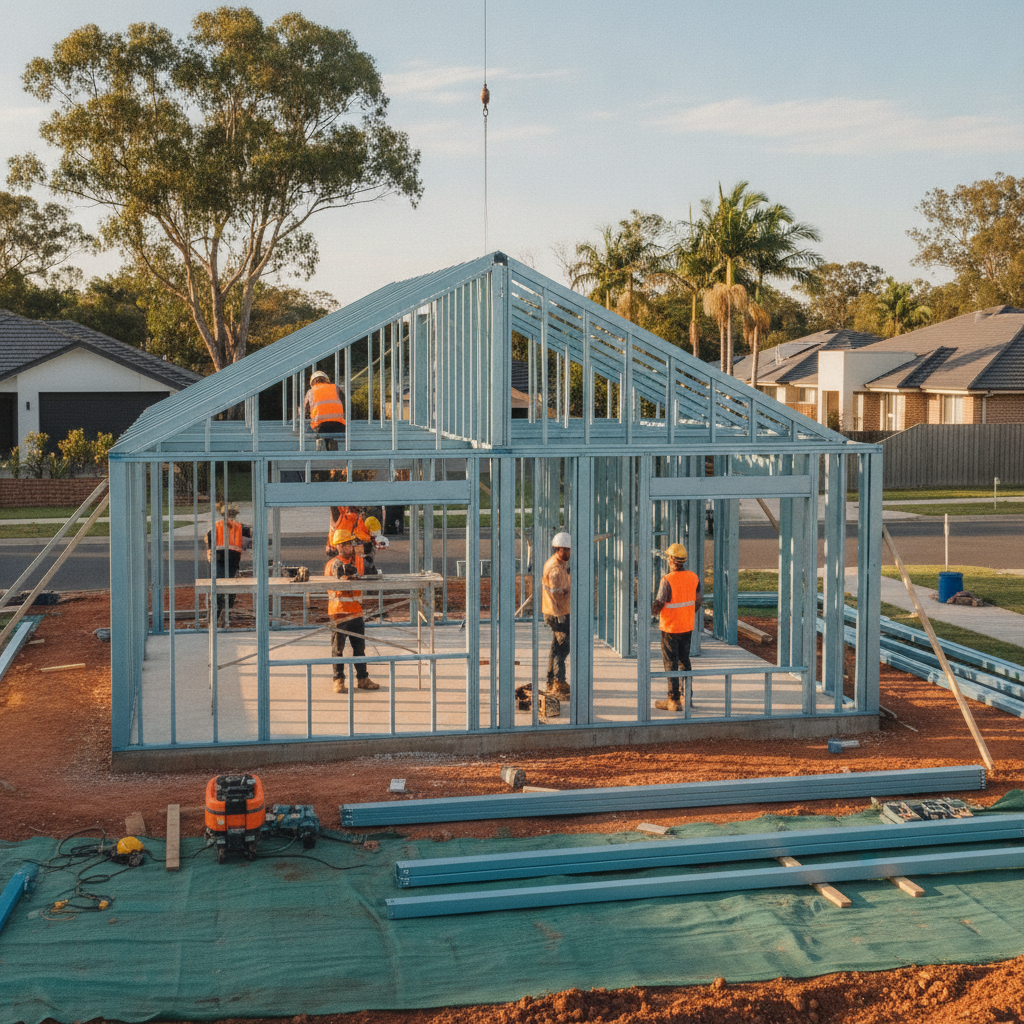
For many Australians, the dream of building their own home is alive and well, but the complexity of a full-scale build can be daunting. Kit homes bridge this gap beautifully. They provide the structural integrity and high quality components, such as TRUECORE steel frames, roofing, and cladding, while giving the owner-builder the freedom to manage the project and finalise the fit-out to their personal taste.
The beauty of the kit model is the predictability of the structural phase. Because the frames are precision engineered, the skeletal structure of the secondary dwelling comes together with impressive accuracy. This allows owner-builders to take a hands-on approach, coordinating local trades for the slab, plumbing, and electrical work, and then rolling up their sleeves for the internal linings and styling.
Practical Tips for Planning Your Secondary Dwelling
Before you start digging footings, there are several practical considerations to ensure your project is a success. Planning is the most critical phase of any kit home journey.
- Check Your Local Council Regulations: Every council in Australia has different rules regarding secondary dwellings. Some have size limits, usually around 60 square metres, while others have specific setback requirements from property boundaries. Always start with a conversation with your local planning office.
- Consider Site Access: Kit homes are delivered as a series of components. You need to ensure there is adequate space for delivery trucks and a clear path to the building site in your backyard. Think about overhead power lines and narrow side passages.
- Solar Orientation: Just because it is a smaller building doesn't mean you should ignore passive solar design. Aim to position your windows to capture northern sun in winter while providing shade in summer. This will make your kit home much more comfortable and energy efficient.
- Incorporate Durable Materials: Given Australia's climate, choosing materials that require low maintenance is a must. Steel frames and quality cladding are excellent choices because they don't warp or twist over time, and they offer superior protection against pests and fire.
Design Trends: Aesthetics of the Modern Kit Home
The "shed look" is out, and architectural elegance is in. Current trends in Australian secondary dwellings focus on textures and finishes. We are seeing a lot of mixed-material exteriors, combining sleek steel cladding with timber accents or stone features. Darker, contemporary colours like Monument or Deep Ocean are incredibly popular, allowing the building to recede into the garden greenery.
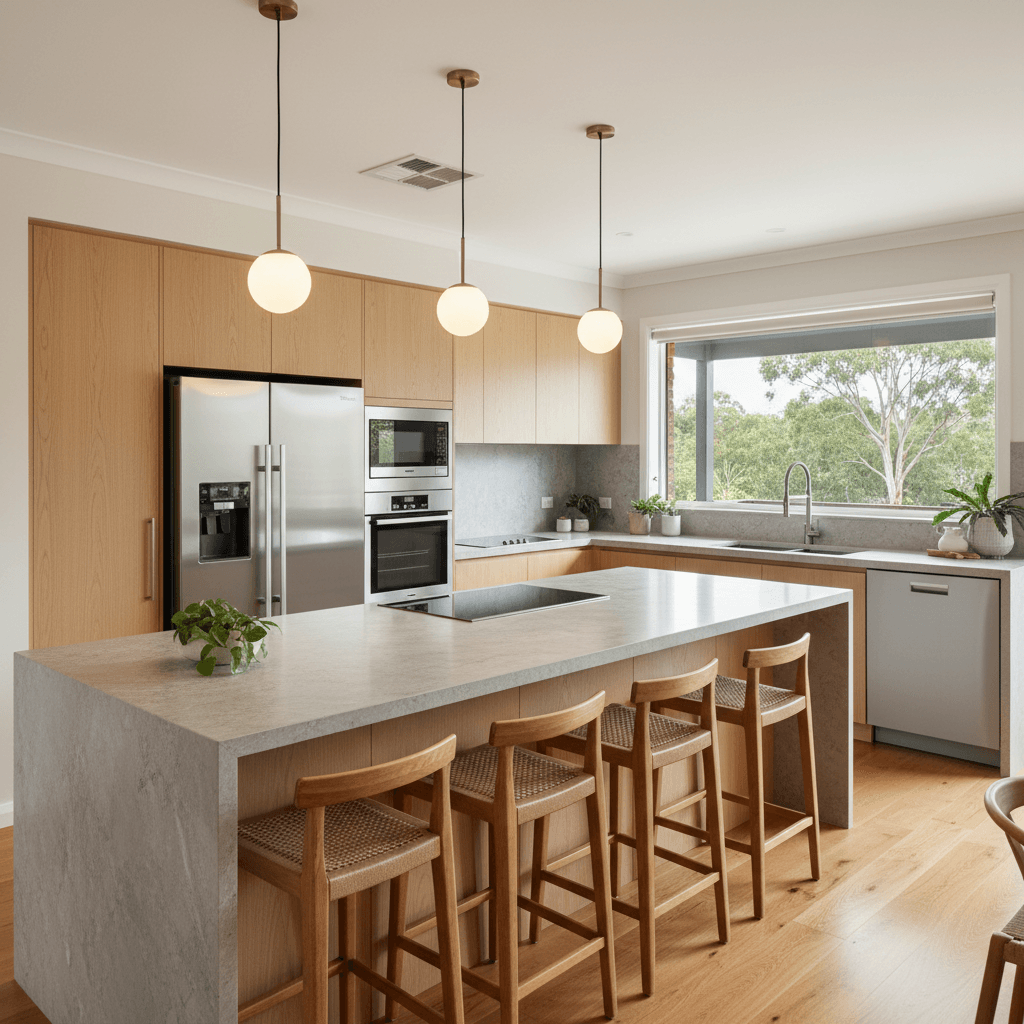
Inside, the focus is on maximizing space. Built-in joinery, pocket doors, and vaulted ceilings are used to create a sense of volume that belies the small footprint. European-style laundries hidden behind cupboards and galley kitchens are clever ways to maintain functionality without sacrificing living space. The goal is to create a dwelling that feels like a premium home, not an afterthought.
Advice for the Owner-Builder Journey
Managing your own build is an incredibly rewarding experience, but it requires organization. Here is some hands-on guidance for those taking the lead:
Build a Strong Relationship with Your Trades: Even if you are doing much of the work yourself, you will need licensed plumbers and electricians. Find tradespeople who are comfortable working with owner-builders and who understand the nuances of kit home assembly. Clear communication is key to keeping the project on track.
Stay Organised with Documentation: Keep a dedicated folder for all your permits, site plans, and kit home instructions. Being able to quickly reference a structural drawing when a trade arrives on site will save time and prevent costly mistakes.
Focus on the Finish: The quality of your kit home will be judged by the finish. Take your time with the painting, the tiling, and the floorboards. High quality fixtures and fittings can elevate a simple kit home into a luxury retreat.
Sustainability and the Future of Housing
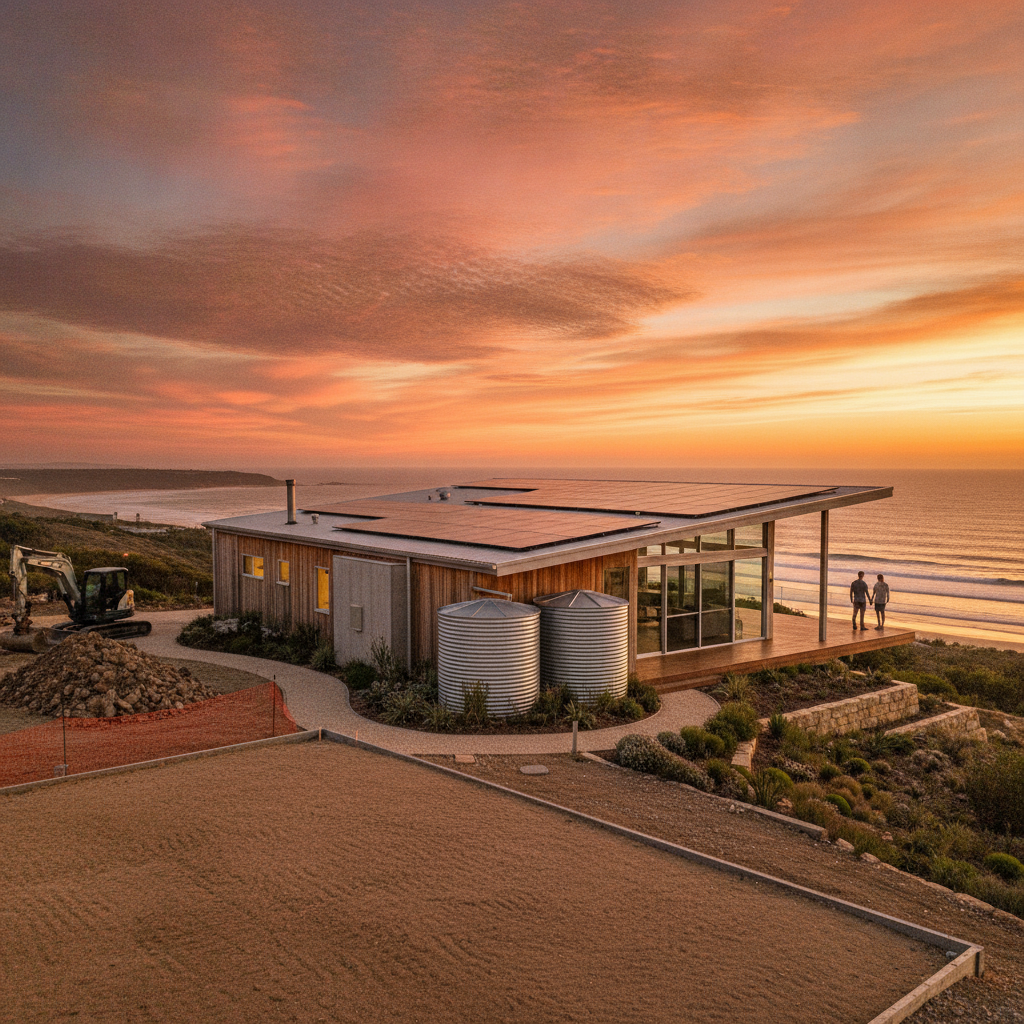
As we move toward a more sustainable future, the secondary dwelling plays a vital role. By increasing density on existing urban lots, we reduce the need for sprawling new developments. Kit homes are inherently more sustainable through their precision engineering, which results in minimal on-site waste. Modern insulation packages and the thermal efficiency of steel-framed structures mean these small homes require less energy to heat and cool, aligning perfectly with the eco-conscious values of many Australian homeowners.
Wrapping Up the Backyard Dream
The rise of the secondary dwelling is more than just a passing fad, it is a response to the changing way we live, work, and care for each other in Australia. By choosing a kit home, Australians are taking control of their living spaces, creating high quality, versatile buildings that meet their specific needs. Whether you are building a retreat for a parent, a launchpad for a child, or a professional studio for yourself, the journey of an owner-builder is one of pride and personal achievement. With the right planning, a bit of Australian grit, and a quality steel-framed kit, your backyard could be the site of your next great adventure.