The Great Australian Shift toward Openness
There is a unique feeling to the Australian lifestyle that revolves around space, light, and a connection to the outdoors. For decades, our homes were segments of small, boxed-off rooms that kept the kitchen away from the conversation and the living room isolated from the garden. However, a major design shift has taken place. Today, the modern Australian kit home is defined by open plan living, focusing on flow, functionality, and a seamless transition between the interior and the landscape.
Choosing to build a kit home gives you a unique advantage in this design revolution. Because you are at the helm as an owner-builder, you have the creative freedom to ensure your home reflects how we actually live today. From the bush to the coast, the trend is clear: we want homes that feel larger than their footprint, breathe with the breeze, and bring the family together in one central, sun-drenched hub.
Defining the Open Plan Lifestyle
Open plan living is more than just knocking down walls. It is a philosophy of design that prioritizes social interaction and natural light. In a kit home context, this usually involves a large, integrated zone that combines the kitchen, dining, and living areas. This 'Great Room' concept has become the heart of the Australian home.
The benefits are immediate. Without internal load-bearing walls cluttering the center of the house, light can penetrate deeper into the floor plan. This makes even a modest three-bedroom kit home feel like a sprawling manor. For families, it means the person preparing dinner is no longer cut off from the kids doing homework or friends enjoying a glass of wine in the lounge. It is about connection.
The Role of Large Spans and Steel Frames
Achieving these wide, sweeping spaces requires a strong structural backbone. This is where the choice of materials becomes a silent hero in your design. Using high-quality BlueScope Steel frames, like the TRUECORE brand, allows for much larger internal spans without the need for intrusive columns or support pillars. Because steel has a high strength-to-weight ratio, it can support the weight of the roof over a wide expanse, giving you that 'ballroom' feel in your main living area. This structural integrity is what allows for those massive sliding doors and floor-to-ceiling windows that are so popular in modern Australian architecture.
Designing for Flow: Indoor-Outdoor Integration
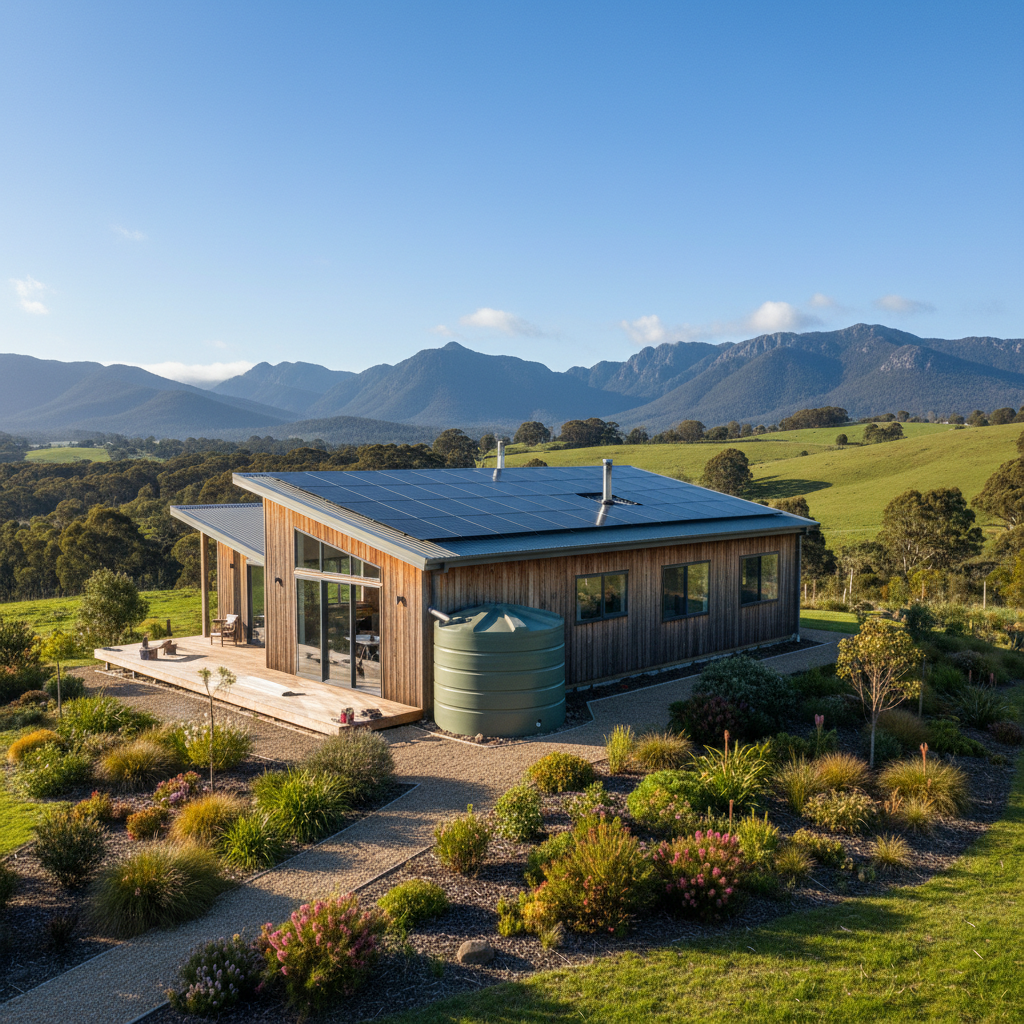
In Australia, our 'living room' rarely stops at the back door. The most successful open plan kit homes are those that treat the deck or alfresco area as an extension of the internal floor space. To achieve this, consider the following design elements:
- Level Thresholds: Set your floor levels so that the transition from your internal timber or tile floor to your external decking is flush. This removes the visual and physical 'trip' barrier, making the two spaces feel like one.
- Stacking Slider Doors: Instead of a standard sliding door, look at stacking doors that retract into a small footprint. This opens up almost the entire wall, inviting the garden into your lounge room.
- Consistent Materials: Using similar colors or materials inside and out helps the eye glide over the boundary, creating an illusion of endless space.
Practical Tips for Owner-Builders Designing Open Spaces
While open plans are beautiful, they do require careful planning to remain functional. As an owner-builder, you are the project manager of your lifestyle. Here are some actionable tips to keep in mind during the planning phase:
1. Define Zones Without Walls
The biggest risk with open plan living is that the space can feel like a gymnasium. Use furniture, rugs, and lighting to create 'zones.' A large rug under the sofa defines the lounge, while a trio of pendant lights over the kitchen island marks the culinary zone. This creates a sense of order and intimacy within the larger space.
2. Consider Acoustics
Hard surfaces like polished concrete or floorboards look stunning in an open plan kit home, but they can be noisy. To keep the atmosphere peaceful, integrate soft furnishings, curtains, and perhaps acoustic ceiling panels or high-quality insulation in the walls. Because your kit includes insulation, ensure you are maximizing its use beyond just thermal control.
3. Manage the Mess
In an open house, the kitchen sink is always on display. A trending solution in modern Australian builds is the 'Butler's Pantry' or a hidden scullery. By tucking the toaster, kettle, and dirty dishes behind a small wall or in a walk-in pantry, you keep the primary open space looking like a design magazine cover even during a dinner party.
The Importance of Natural Light and Ventilation
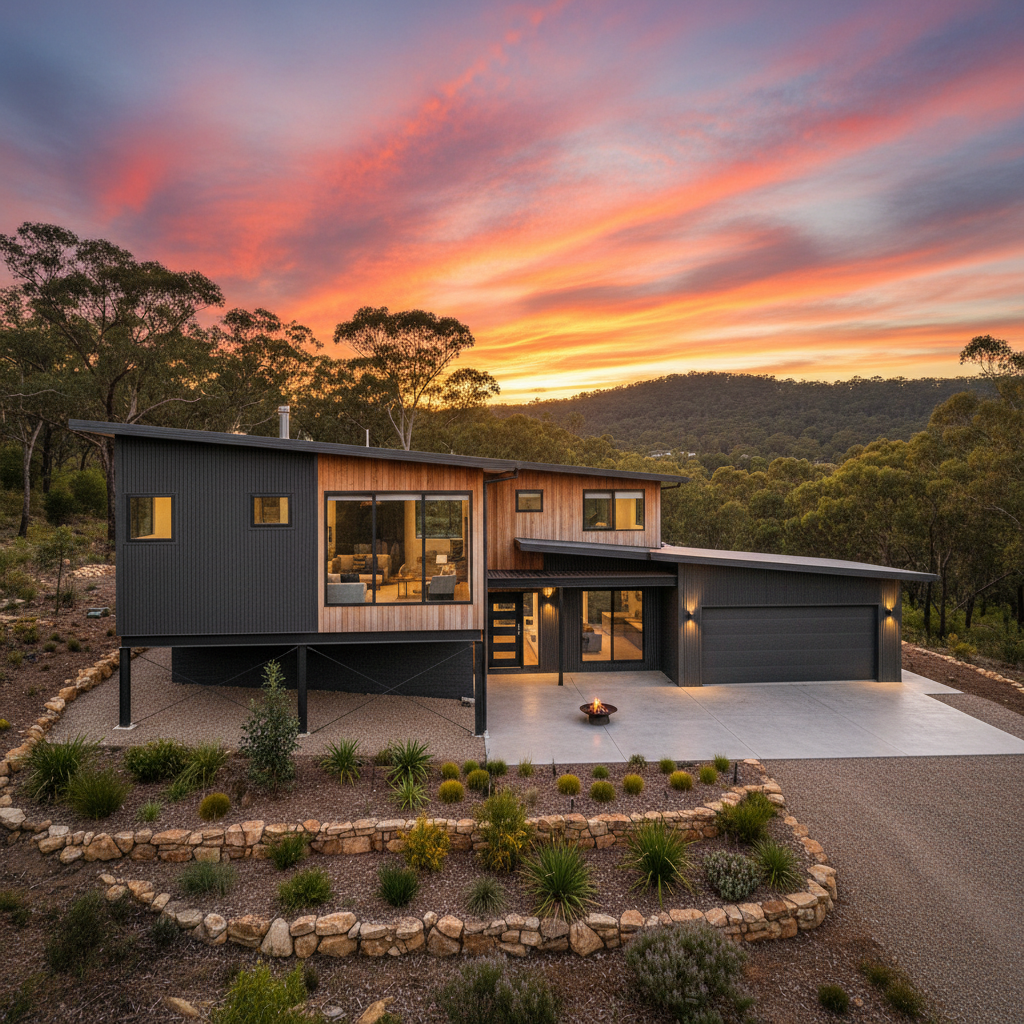
Open plan designs work best when they harness the Australian climate. Placing your large open areas on the northern side of your site will ensure your home is flooded with winter sun, naturally warming the space. High ceilings, another benefit of steel frame construction, allow for high-set windows (clerestory windows) that let hot air escape in summer and pull in more light during the day.
Cross-ventilation is equally important. When you have an open floor plan, you can strategically place windows on opposite sides of the house to catch the afternoon breeze. This 'passive cooling' reduces the need for air conditioning, making your home feel more connected to the natural environment.
Owner-Builder Wisdom: Managing the Project
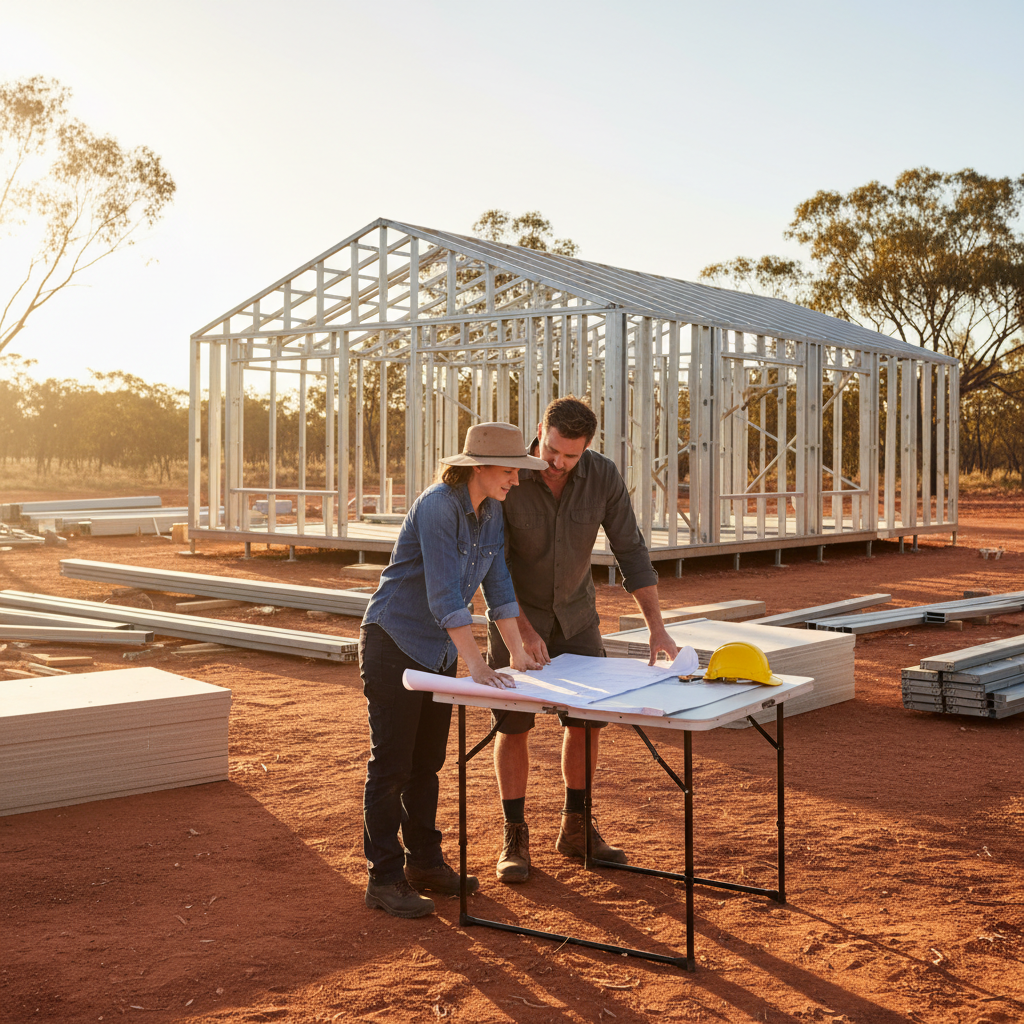
Stepping into the role of an owner-builder for your kit home is an empowering journey, but it requires a keen eye for detail. When your kit arrives, including the frames, roofing, and cladding, you are essentially receiving the shell of your dream. Your job is to coordinate the trades that bring the 'lifestyle' elements to life.
When working with your plumber and electrician, talk to them early about your open plan goals. For example, because you have fewer internal walls, you need to plan where your power outlets and light switches will go. Floor-mounted power points can be a great addition if your sofa is going to sit in the middle of a large room away from a wall. These are the small details that make a DIY project feel professional.
Steel Frames: The Quiet Achiever
While we focus on the paint colors and the kitchen island, the steel frame underneath is doing the heavy lifting. In Australia, steel is a popular choice for kit homes not just for its strength, but for its resilience. It is termite-proof and non-combustible, providing peace of mind for those building in rural or bush-prone areas. More importantly for the lifestyle-conscious builder, steel frames stay straight and true. They won't warp or twist over time, which means those large sliding doors will continue to glide smoothly and your open-concept ceilings will remain perfectly flat for years to come.
Conclusion: Your Home, Your Lifestyle
The move toward open plan designs in Australian kit homes reflects our desire for a simpler, more connected way of living. It is about creating a space that adapts to your needs, whether you are hosting a large family gathering or enjoying a quiet morning coffee while looking out at the yard. By taking the reins as an owner-builder and choosing a design that prioritizes flow, light, and modern materials, you aren't just building a house; you are crafting a lifestyle.
Remember, the best open plan homes are those that feel intentional. Plan your zones, respect the light, and utilize the structural advantages of your kit to create a home that feels as open and welcoming as the Australian landscape itself.