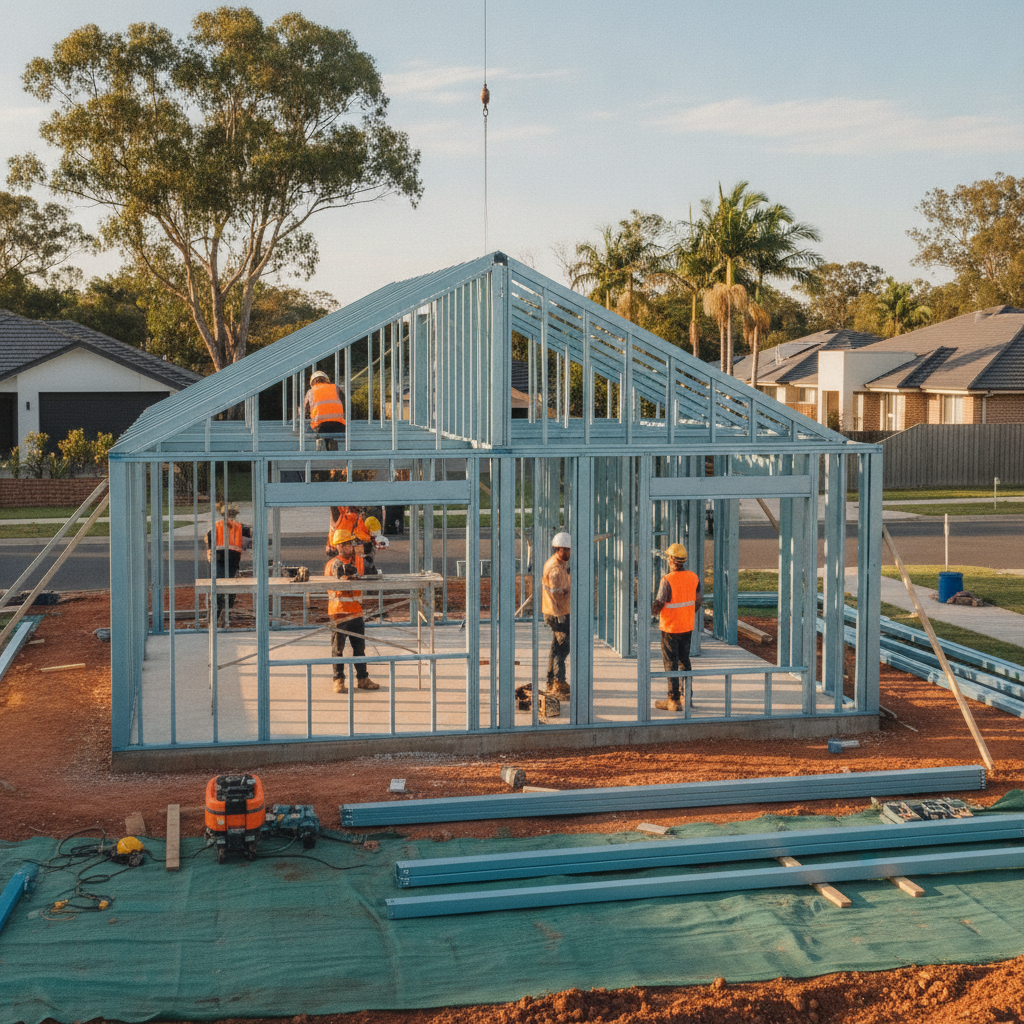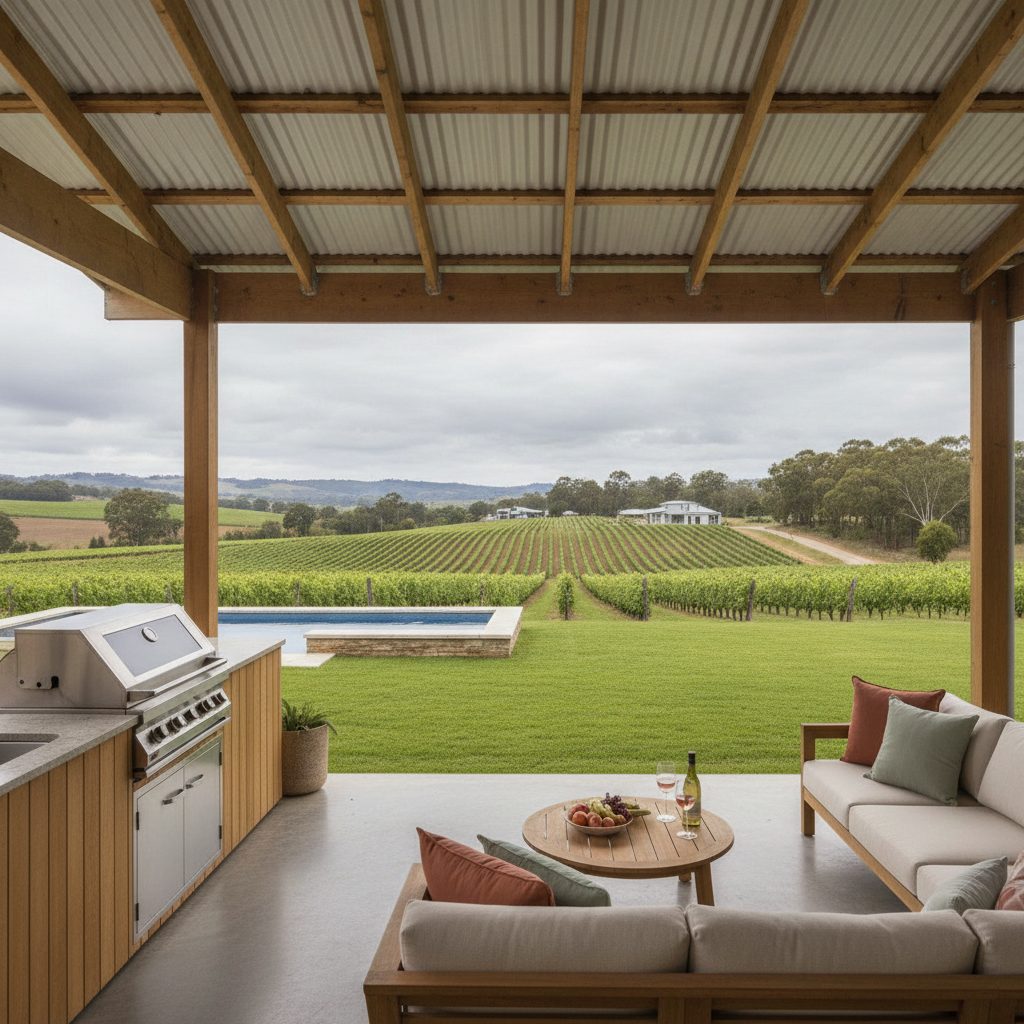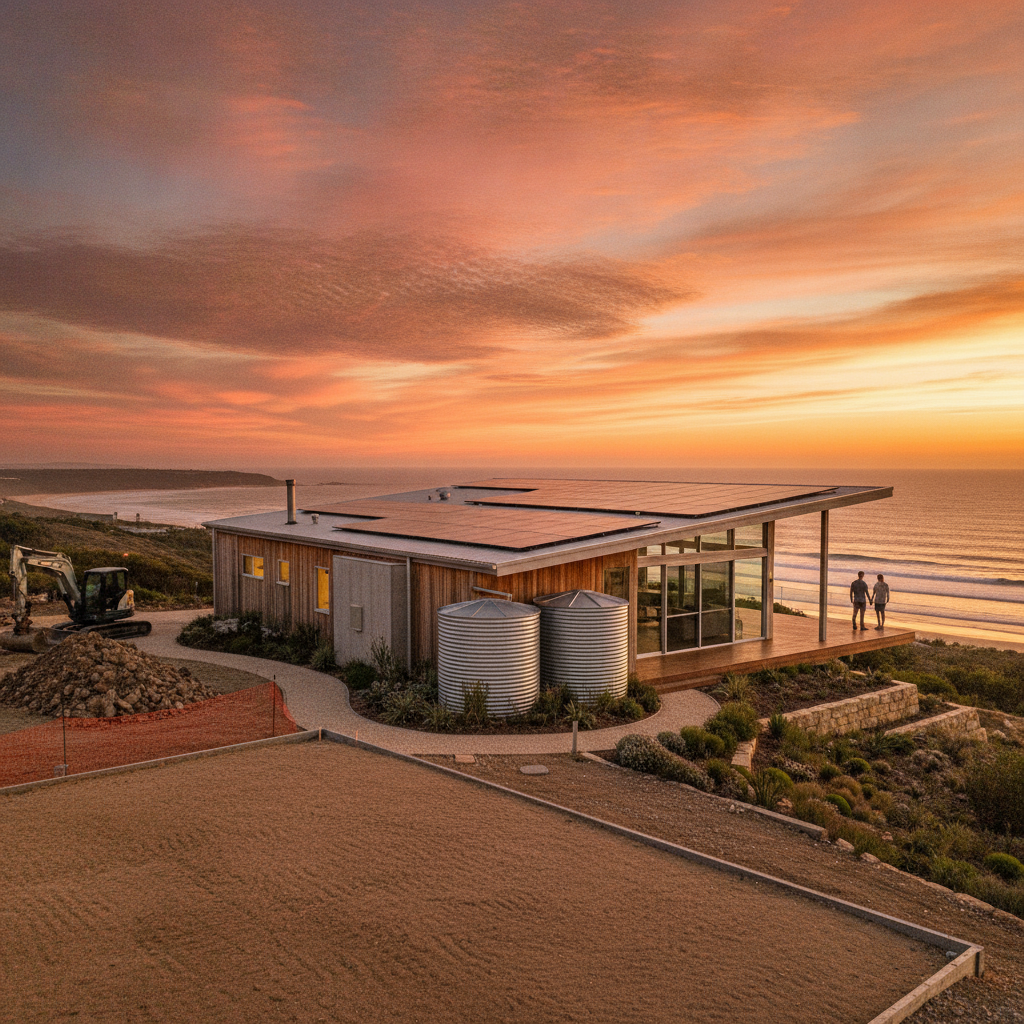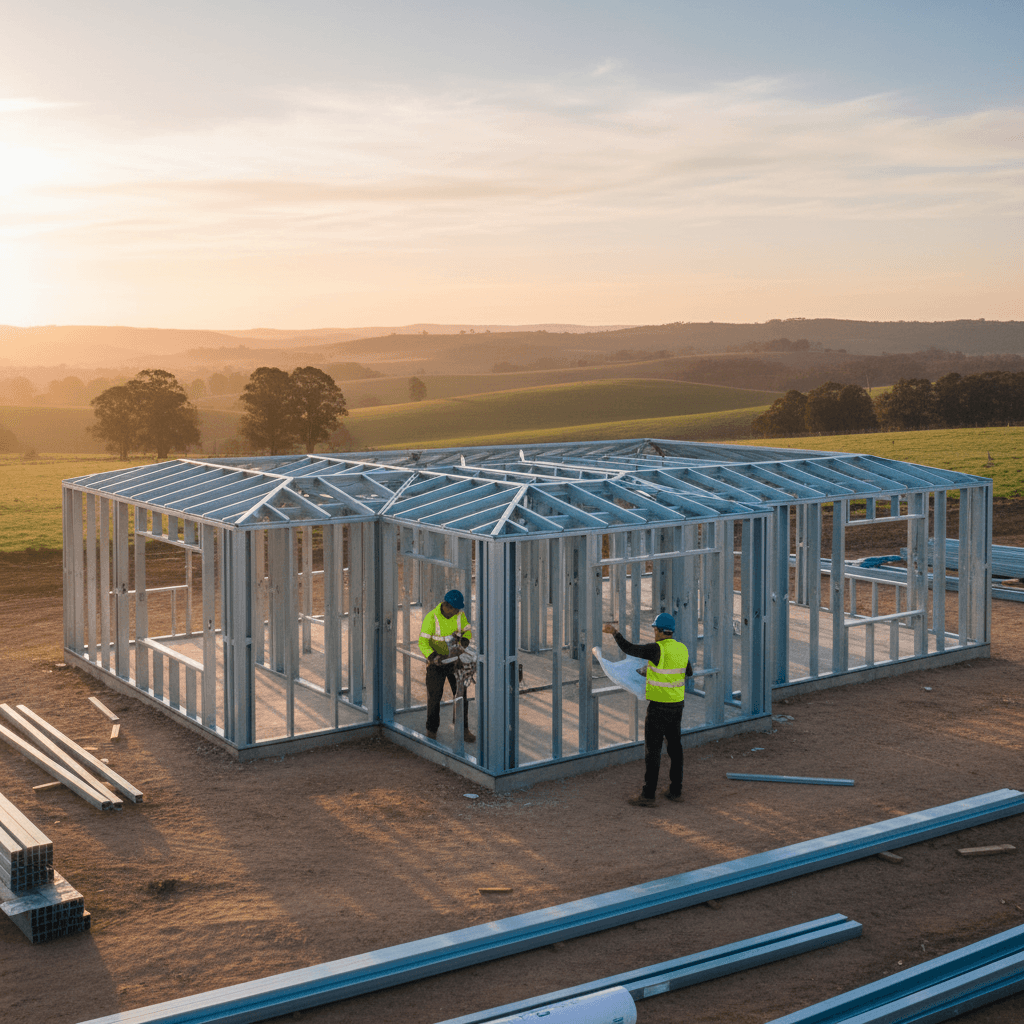
I have spent the last fifteen years looking at floor plans. Thousands of them. I have seen families pull their hair out because they fell in love with a render of a kit home on a website, only to realize six months into the build that they forgot to account for where the muddy boots go or how the afternoon sun in Queensland will turn their master bedroom into a furnace. Picking a layout is not about aesthetics. It is about logistics. It is about how you move from the car to the kitchen with ten bags of groceries while the dog trips you up.
The Hallway Trap and Dead Space
Most people look at a floor plan and see rooms. I look at a floor plan and see wasted money. Every square meter of hallway is a square meter you are paying for but not living in. If you are looking at a kit with a long, dark corridor running down the center, ask yourself why. Can you move the entry? Can you use a central living hub to distribute traffic? In a steel frame home, you have got a bit of flex here. Because we use BlueScope TRUECORE steel, those internal walls are not always load bearing in the way old timber sticks used to be. You can often open things up. But keep it tight. A compact floor plan is easier to heat in a Victorian winter and a hell of a lot faster to mop on a Sunday arve.
Zoning for Sanity
If you have kids, you need zones. It is that simple. The 'open plan living' dream turns into a nightmare the second the teenager wants to watch a loud movie while you are trying to have a quiet glass of wine in the kitchen. Look for a kit that physically separates the master suite from the other bedrooms. Put the laundry and a bathroom in between them if you have to. Sound travels. Even with the best R2.5 batts stuffed into the internal walls, you will hear a slammed door at 2am if the rooms are side by side. I always tell owner builders to look for the 'parent's retreat' layout, but make sure that retreat isn't just a bigger bedroom. It needs to be a tactical buffer zone.
The Mudroom Reality Check
Let's talk about the 'Great Australian Entryway'. Usually, it is a front door that opens directly into a living room. That is a mistake. If you are building on an acre in a spot like the Hunter Valley or outside Gympie, you are going to have dirt. You are going to have wet coats. You need a transition space. Some of our best floor plans allow for a secondary entry through the laundry or a dedicated mudroom. It sounds fancy. It isn't. It is just a small room with a bench and some hooks. But it keeps the red dust out of your carpet. If the kit you like doesn't have one, see if you can tweak the laundry layout to accommodate it. It is the best 4 square meters you will ever allocate.
Orientation is Not Optional
The NCC (National Construction Code) Volume 2 has plenty to say about energy efficiency, but common sense says more. You can buy the most expensive kit in the world, but if you face your big glass sliding doors West in Australia, you are going to bake. You'll be running the aircon until your power bill looks like a phone number. Take your site plan. Find North. Your living areas should be soaking up that northern sun in the winter. Your bedrooms should ideally stay on the cooler side of the house. Because kit homes come with pre-engineered steel frames, moving a window location isn't as hard as it sounds during the planning phase, but don't try to do it once the frames are delivered to the site. Get the orientation right on paper first.
Kitchen Ergonomics for Real People
I see too many plans where the fridge is miles away from the stove. Or the pantry is tucked around a corner where you'll forget you have three bags of flour until they go out of date. Look at the 'work triangle'. Sink, fridge, stove. They should be close. And look at the island bench. If you have a family, that bench is going to be the homework station, the breakfast bar, and the place where you sort the mail. Make it wide. At least 900mm. If the floor plan shows a skinny 600mm island, it is going to feel like a shelf, not a feature. Also, check where the dishwasher goes. If it's open, can you still get past it to the bin? Small details, but they matter when you're living there every day.
Storage is the Silent Killer
You have more stuff than you think. Where does the vacuum cleaner go? The ironing board? The Christmas tree? Most kit home plans are light on storage to make the rooms look bigger on the brochure. Do not fall for it. Check the linen cupboards. If there is only one small cupboard for a four bedroom house, you're in trouble. I reckon you should sacrifice a bit of bedroom space to get a walk-in pantry or a proper walk-in linen closet. You won't miss the 20cm in the bedroom, but you will definitely miss the shelf space for your towels.
The Owner Builder Advantage
The beauty of the kit home route is that you aren't stuck with a 'take it or leave it' project home builder. Since you are the one hiring the trades, you can make the fit-out work for you. If a bedroom feels a bit tight on the plan, talk to us about the spans. Steel frames go long and strong. We can often give you that extra bit of width without needing a forest of internal pillars. But remember, once those frames are bolted to the slab, that is it. No shifting walls then. Spend three weeks staring at your floor plan. Print it out. Mark where your actual furniture will go. Use a blue pen to trace your path from the bed to the coffee machine. If that path is a zigzag around three walls and a dining table, find a different plan. Life is too short for bad layouts.
Building your own place is a massive undertaking. It's dusty, it's loud, and you'll spend way too much time on the phone with council planners. But when you're sitting in a house that actually fits your family, with the sun hitting the right spot on the floor and a place for every stray shoe, the stress slips away. Just make sure the plan works before the first truck arrives.