Embracing the Great Australian Backyard
There is something uniquely Australian about the way we live. It is found in the smell of a barbecue on a Saturday afternoon, the sound of kids splashing in a pool, and the quiet satisfaction of watching the sunset from a comfortable deck. For many Australians, the dream of home ownership isn't just about the four walls we sleep within, it is about the space we create around them. When you are planning a kit home, you have a rare opportunity to design from the ground up with the outdoors as a central focus, rather than an afterthought.
The beauty of a kit home lies in its flexibility. Because you are managing the project as an owner builder, you can ensure the transition between your kitchen and your deck is seamless, creating a lifestyle that celebrates our climate. In this guide, any mention of extending your living area is focused on how to make your home feel twice as large by blurring the lines between inside and out.
The Philosophy of Indoor-Outdoor Flow
Modern Australian housing trends have shifted away from closed off rooms toward open plan living. However, the most successful designs take this a step further by treating the deck or patio as an additional room of the house. This is often referred to as indoor-outdoor flow.
To achieve this, consider the orientation of your home on your block. A north-facing outdoor area will capture the winter sun while providing a shaded retreat during the heat of a summer afternoon. When you are looking at your kit home floor plan, think about where your main living area sits. Placing large sliding doors or bi-fold doors directly opposite the kitchen allows the cook to remain part of the conversation even when guests are outside.
Kit Home Tip: Vertical Integration
When choosing your kit inclusions, look for high quality window and door packages. Large glass spans are essential for visual connectivity. Even when the doors are closed, being able to see your garden or the bushland beyond makes your interior feel far more expansive and connected to nature.
Designing an Entertainer's Kitchen
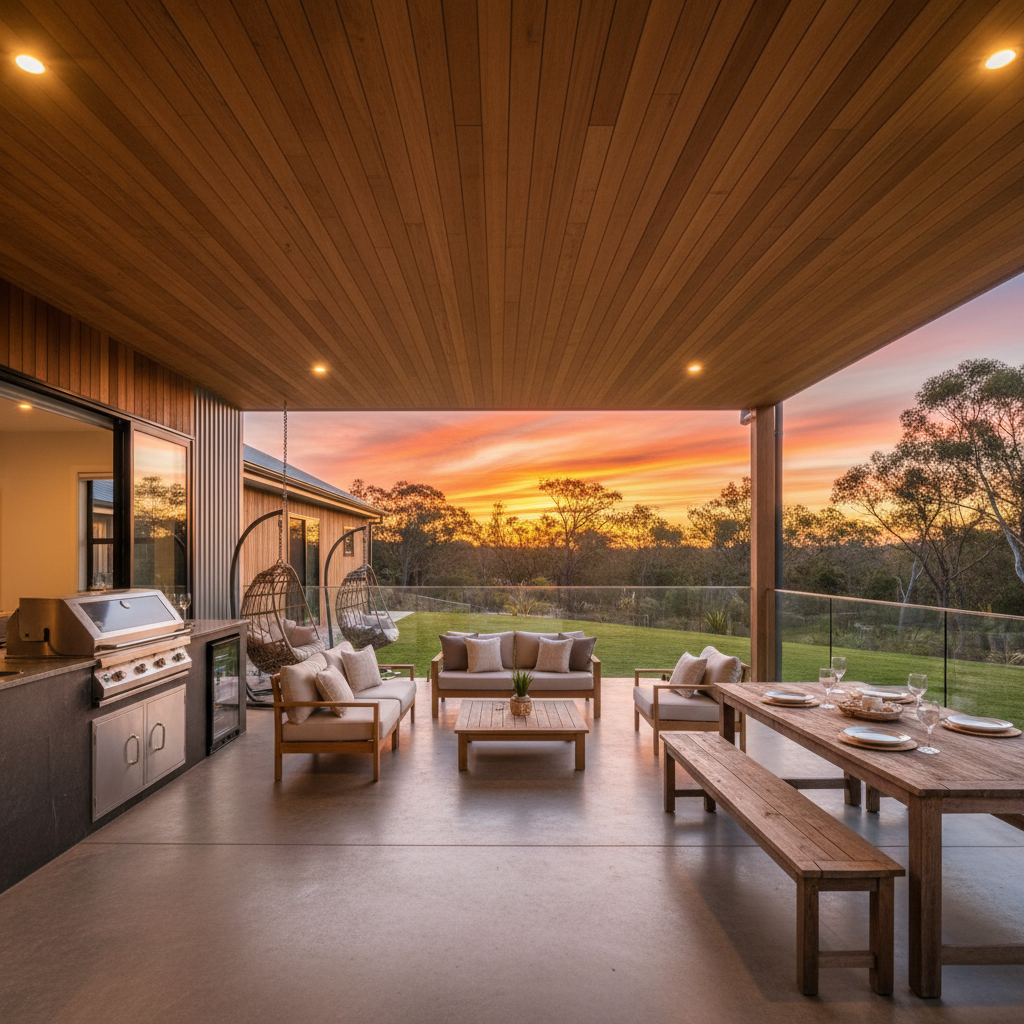
In many Australian homes, the kitchen is the hub. When you are an owner builder, you have the freedom to customize your fit-out to suit your hosting style. A popular trend is the installation of a servery window. This is usually a wide, awning style window that opens out onto a breakfast bar on the deck. It allows you to pass drinks and plates directly from the kitchen to the outdoor area without walking through the house.
For those who love to cook, consider how your indoor kitchen interacts with your outdoor barbecue area. Ideally, they should be back-to-back or in close proximity to minimize the distance you have to carry heavy trays of food. Using similar materials for your indoor benchtops and your outdoor prep areas can create a sense of design continuity that makes the two spaces feel like one.
The Strength of the Skeleton: Steel Frames and Wide Spans
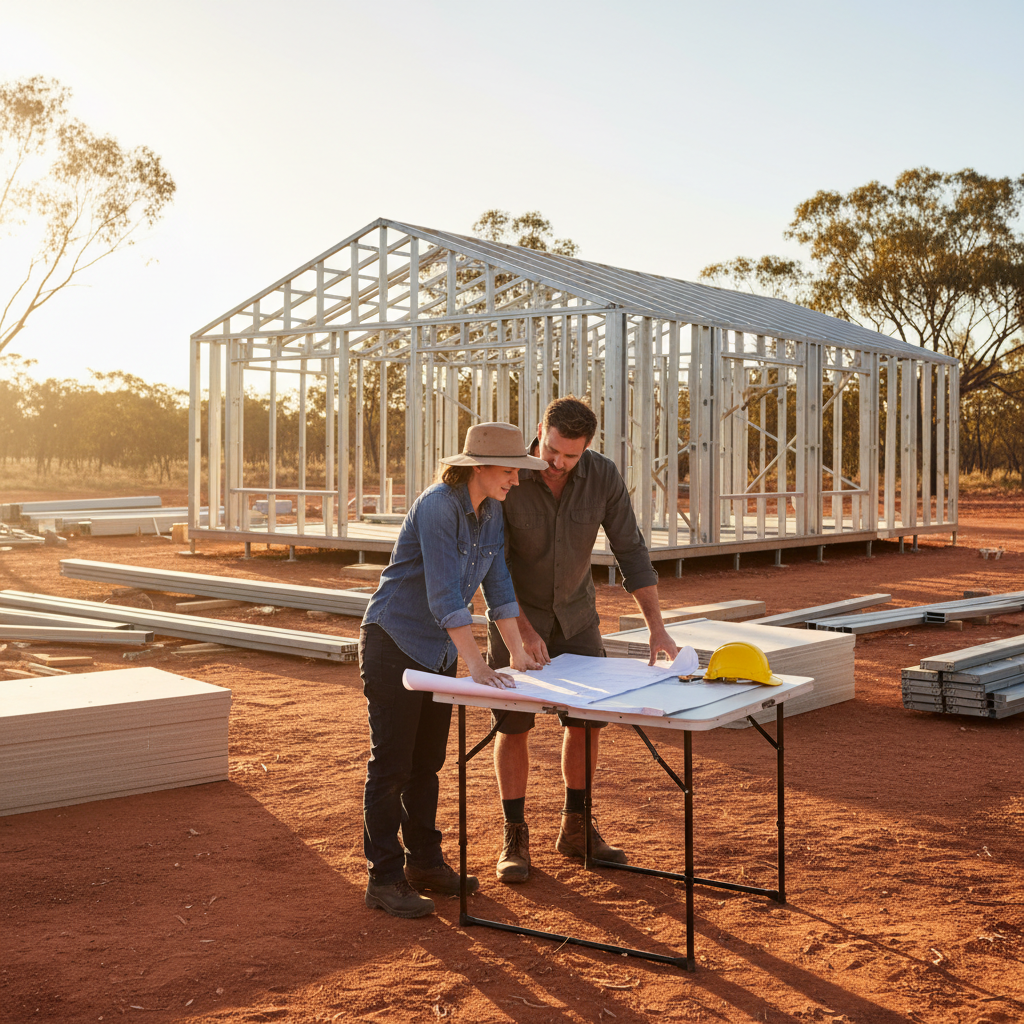
One of the technical advantages of using a kit home with a steel frame is the structural integrity it provides. Because steel, specifically high quality Australian TRUECORE steel, has a high strength-to-weight ratio, it allows for wider spans without the need for bulky supporting columns. This is particularly beneficial for outdoor entertaining areas where you want an unobstructed view.
Steel frames are also straight and true, which is a dream for owner builders when it comes to the finishing stages. When you are installing large glass sliding doors, you need a frame that is perfectly square and won't warp or shrink over time. This ensures your doors glide smoothly for decades, maintaining that effortless transition to your outdoor space.
Materials That Withstand the Elements
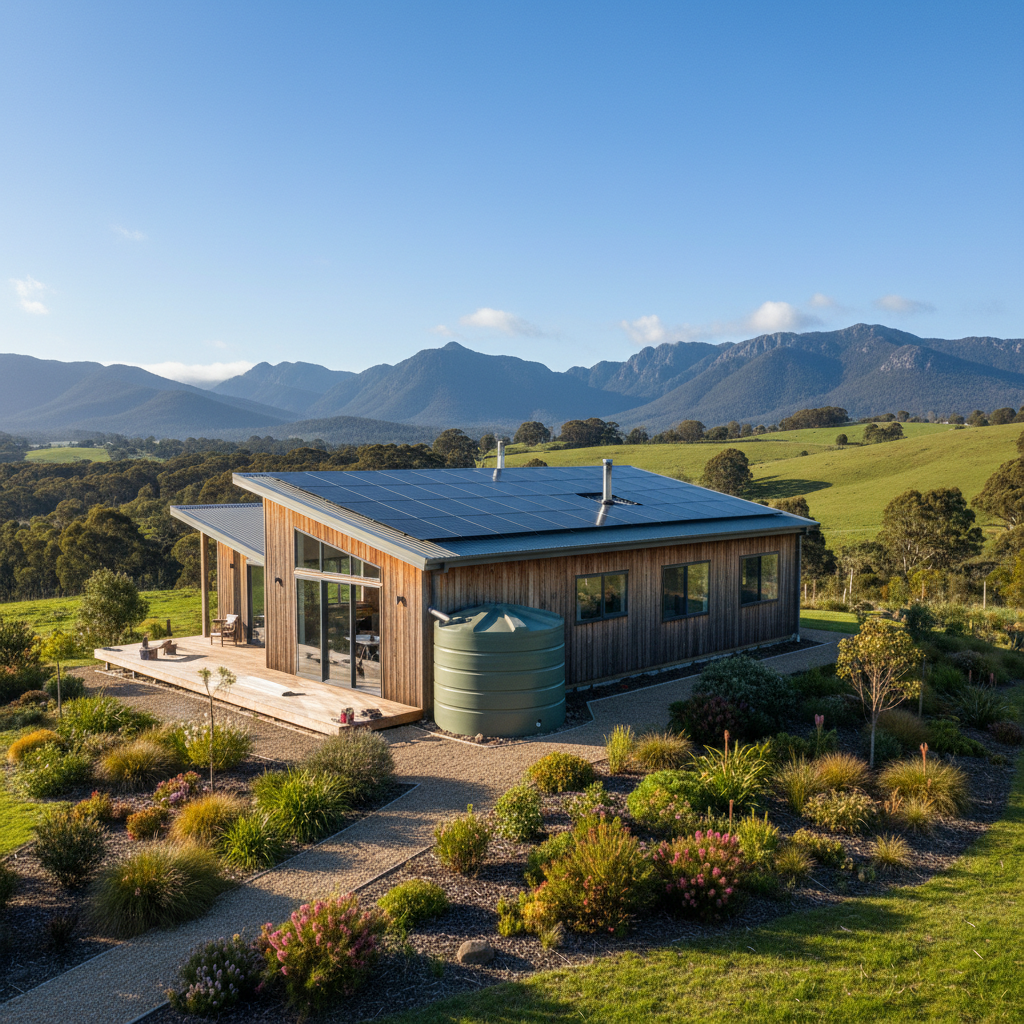
The Australian environment can be harsh. From the salt spray of the coast to the intense UV rays of the outback, your outdoor space needs to be built tough. This is where your choice of cladding and roofing becomes vital. Most kit homes come with durable steel roofing and cladding options that are designed to handle these conditions while requiring very little maintenance.
When choosing your deck materials, consider how they complement the house. Timber decking offers a warm, natural feel, while composite decking can offer a low-maintenance alternative. To keep the look cohesive, try to match the color palette of your outdoor flooring with your indoor floorboards or tiles. This visual trick leads the eye straight through the glass, making the whole area feel unified.
Owner Builder Tips: Planning Your Outdoor Oasis
If you are taking the reins as an owner builder, here are some practical steps to ensure your outdoor area is a success:
- Think about lighting early: Don't just stick a single floodlight on the wall. Use a mix of task lighting over the barbecue, ambient lighting under the eaves, and garden lights to create depth at night.
- Factor in climate control: Consider installing outdoor ceiling fans for those still, humid nights. If you are in a cooler region, leaving space for a fire pit or an overhead strip heater can extend your entertaining season into the winter months.
- Plan for power: You will always need more power outlets than you think. From charging phones to plugging in a portable speaker or an outdoor fridge, having weatherproof outlets strategically placed is a lifesaver.
- Manage the breeze: While a breeze is lovely, a wind tunnel is not. Use privacy screens or strategic planting to block prevailing winds while still allowing for natural ventilation.
The Vertical Garden and Landscaping
No outdoor entertaining space is complete without greenery. If you are working with a smaller block, vertical gardens are a fantastic way to introduce life without taking up floor space. You can mount planter boxes directly onto the exterior cladding of your kit home or create a freestanding trellis.
Landscaping shouldn't just be about aesthetics, it should be about lifestyle. Deciduous trees are a great choice for the northern side of your deck; they provide thick shade in the summer but drop their leaves in winter to let the sunshine through. Strategic planting can also provide natural privacy from neighbors, creating a secluded sanctuary for your family.
Making it Reflect Your Personality
The most important part of designing your kit home lifestyle is making sure it reflects how you actually live. If you are a quiet family who loves movie nights, perhaps your outdoor space should focus on comfortable lounge seating and a projector wall. If you are the person who hosts every Christmas lunch, focus on a large dining area and plenty of bench space.
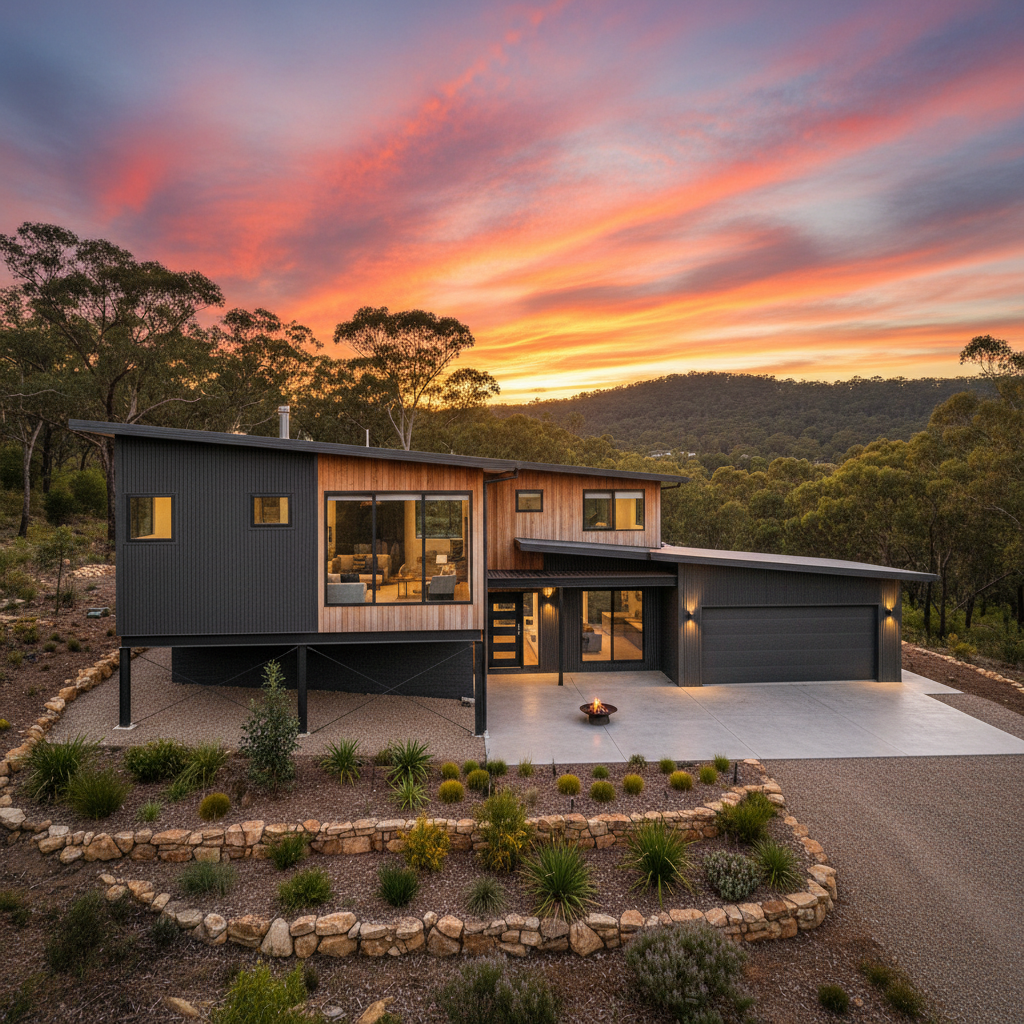
Because you are involved in the process from the beginning, you can select colors and textures that resonate with you. Darker, moody tones can create a sophisticated, modern look, while lighter, sandy tones can give your home a relaxed, coastal vibe. The flexibility of kit homes means you aren't stuck with a cookie-cutter design; you can tweak the details to create a home that is truly yours.
Conclusion: Living the Dream
Building a kit home as an owner builder is a journey of discovery. It is about more than just putting together a structure; it is about crafting a lifestyle that aligns with the Australian environment. By focusing on your outdoor entertaining spaces, you are prioritizing the moments that matter: the shared meals, the celebrations, and the quiet mornings with a coffee on the deck.
With the strength of a steel frame, the durability of modern materials, and your own personal design flair, your kit home can become a place where the boundaries between inside and out simply melt away. Start planning your layout today, and imagine the possibilities of a life lived both within and beyond your four walls.