The Shift Toward Small-Scale Living
Walk down any suburban street in places like Penrith, Logan, or the edges of Geelong right now and you'll hear the same thing. The rhythmic bang of a nail gun and the sharp whine of a circular saw cutting through metal. Backyard blocks that used to sit empty, growing nothing but weeds and a rusty Hills Hoist, are being put to work. It's the rise of the secondary dwelling. People call them granny flats, but that's a bit of a misnomer these days. They aren't just for elderly parents anymore. We’re seeing young couples trying to save a deposit, freelancers needing a quiet office away from the kids, and savvy homeowners looking to offset their mortgage with a bit of rental income.
Choosing to go down the kit home path for these builds is a smart move for an owner builder. Especially when you look at the speed of getting a frame up. If you've ever tried to deal with warped timber on a humid Brisbane afternoon, you know the frustration of nothing being square. Using a steel frame kit, specifically something like TRUECORE steel from BlueScope, changes the game. It’s light. It’s straight. You aren't fighting the material every step of the way. Plus, termites in Australia are a nightmare you don't want to invite into a new build. Steel gives you that peace of mind without a massive chemical barrier footprint.
Design for the Lifestyle You Actually Have
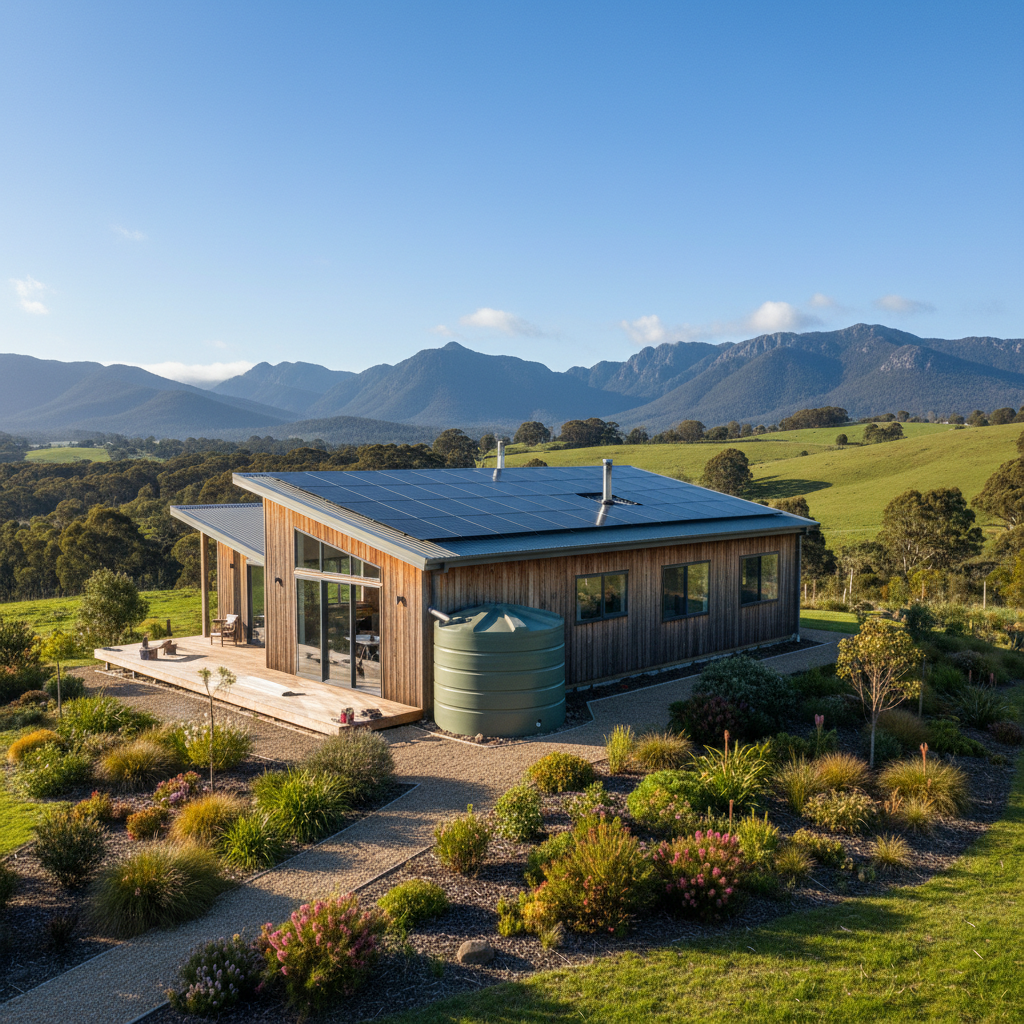
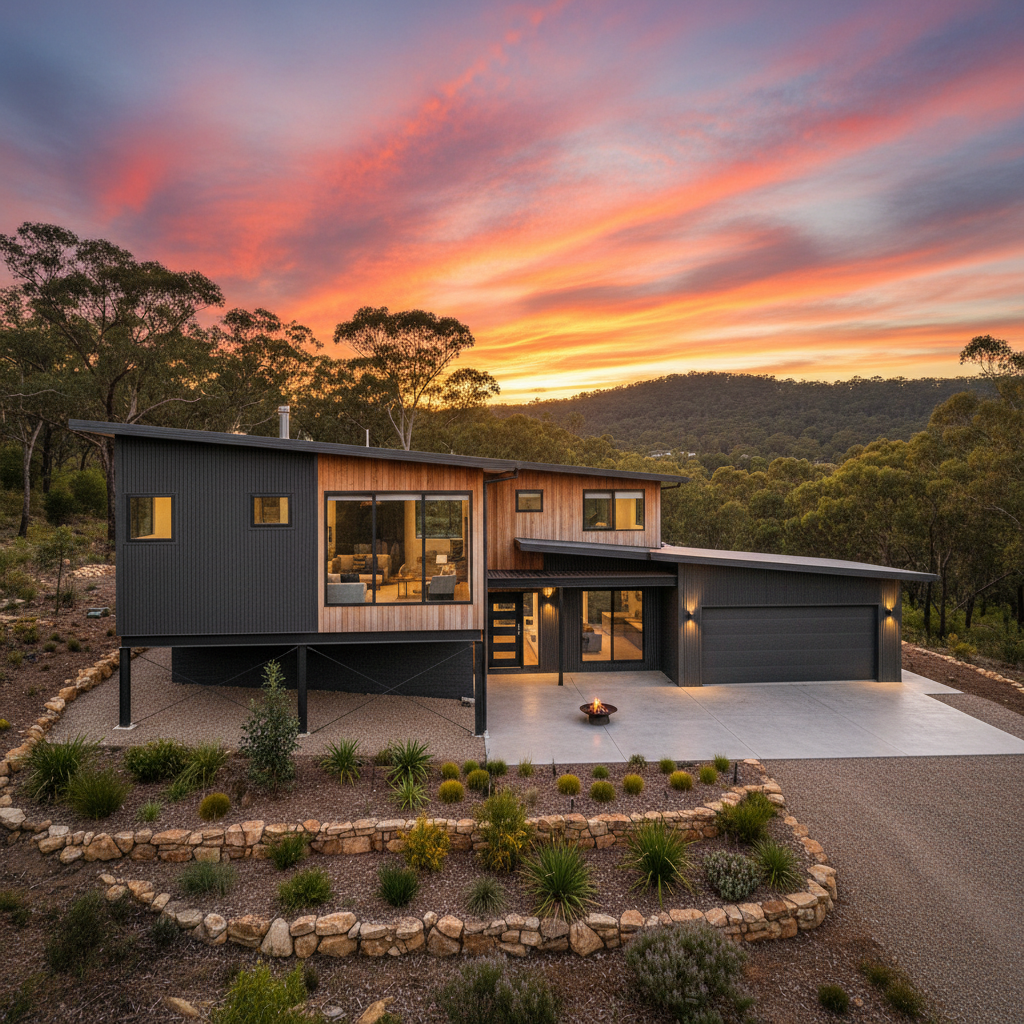
Most people start their project by looking at a tiny floor plan and thinking about how they can squeeze a whole life into 60 square metres. That's the wrong way to look at it. You have to design for the specific lifestyle the space will serve. If it's a rental, you want a hardy kitchen and an open-plan living area that feels bigger than it is. Think high ceilings. Skillion roofs are great for this because they allow for clerestory windows that let in the winter sun without sacrificing privacy from the main house.
If you're building a creative studio or a workspace, the focus shifts. You need natural light, yes, but you also need wall space. A steel frame kit home is brilliant here because the structural integrity allows for those larger spans of glass without needing massive, expensive lintels. But I'll give you a tip from the salt mines: plan your internal fit-out before the frames arrive. If you want to hang a massive TV or heavy floating shelves, you need to tell your kit provider or talk to your chippy about extra noggins. Steel is incredibly strong, but you can't just screw a heavy bracket into the thin flange of a stud and hope for the best. You need solid backing.
The Owner Builder Reality Check
Let's be real for a second. Being an owner builder isn't just about wearing a high-vis vest and feeling important. It's about paperwork. Coordination. Solving problems when the plumber hasn't shown up and the concrete truck is ten minutes away. In Australia, each state has its own quirky rules. In NSW, for example, the SEPP (Housing) 2021 makes it a bit easier to get granny flats through as Complying Development, but you still need to tick every box regarding setbacks and site coverage.
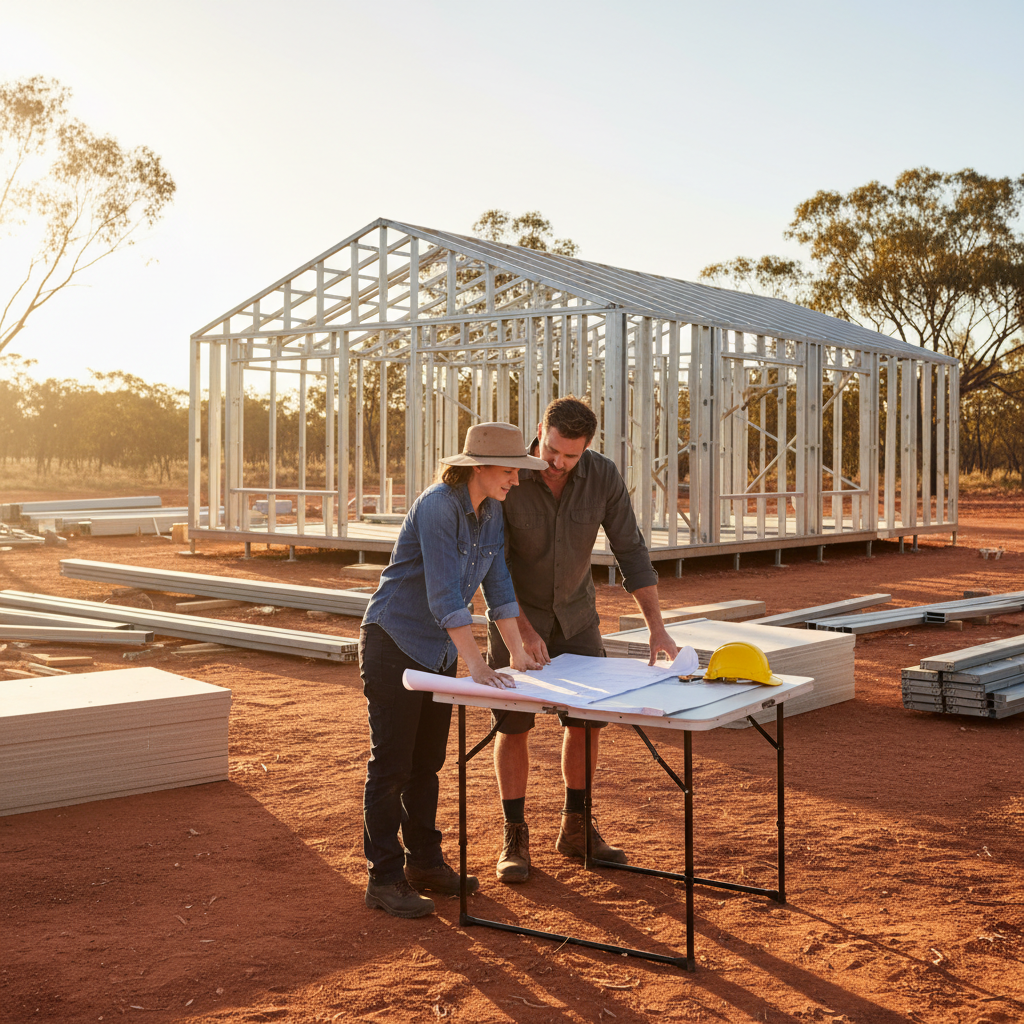
When your kit arrives, it's like a giant Meccano set for adults. It’s exciting. But don't just chuck the bundles on the grass and start grabbing pieces. You need a flat, dry spot to store your cladding and windows. Check your delivery against the packing list the second the truck leaves. If a window is cracked or a flashing is missing, you want to know then, not three weeks later when you're trying to get the place lock-up ready before a storm hits.
Steel Frames: Why We Use Them
There's a lot of talk about building materials, but for backyard builds, steel is king. It doesn't rot. It won't burn if you're in a BAL (Bushfire Attack Level) rated zone, which a lot of us are these days. Most kit homes will come with a layout that's been engineered to the millimetre. The frames are pre-punched for your electrical and plumbing. That saves your trades a heap of time because they aren't standing there drilling holes through every stud in the building.
But keep in mind that steel transmits sound differently than timber. If you're building a two-storey secondary dwelling or a studio where someone’s going to be recording podcasts, you need to think about acoustic insulation. Don't cheap out on the batts. Get the high-density stuff. It makes a massive difference in how the home feels to live in. A kit home shouldn't feel like a tin shed. It should feel like a sanctuary.
Privacy and Site Integration
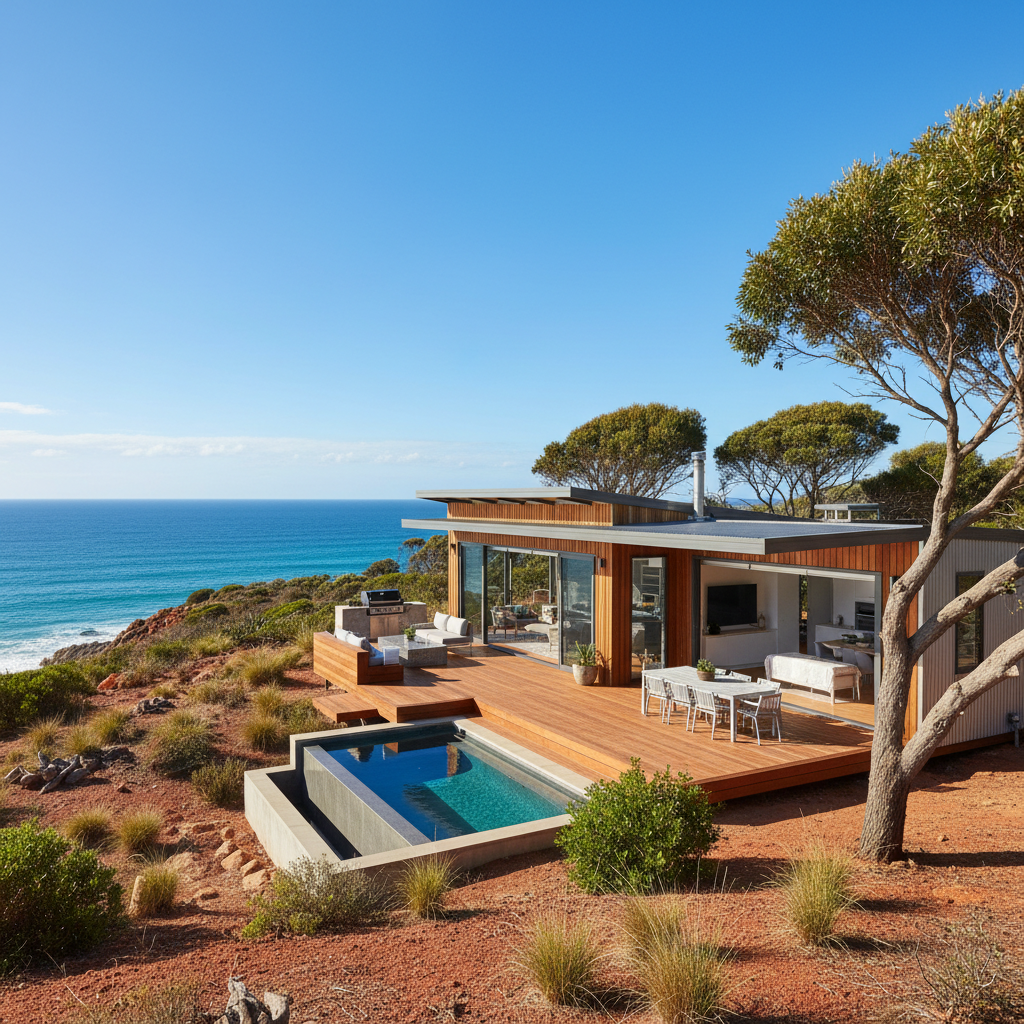
The biggest mistake I see? People just plonking the kit home right in the middle of the backyard as an afterthought. It looks terrible and ruins the flow of the main house. You have to think about the 'dead space' between the two buildings. Use landscaping. A nice deck or some clever screening can create a sense of separation so you aren't staring into each other’s lounge rooms. Placement is everything. Think about where the bins go. Think about where the air conditioning compressor is going to sit. You don't want that humming right outside your bedroom window at 2am.
Practical Tips for Kit Home Success
- Suss out your site access: If the delivery truck can't get into your backyard, you’re going to be carrying steel frames and sheets of cladding by hand. That's a back-breaker. Measure your side gate. Then measure it again.
- Master the slab: Your kit is designed to fit a specific slab size perfectly. If your concrete is out by 20mm, your frames won't overhang properly and your cladding will look dog-ugly at the bottom. Get a good concreter. It's the most important part of the job.
- Order of operations: Don't buy your kitchen or your fancy bathroom tiles until the roof is on and the windows are in. You don't want that stuff sitting in a garage getting dusty or pinched.
- Insulation is non-negotiable: Australia is hot. Then it's cold. Then it's hot again. Use a good quality thermal break between your steel frame and your cladding. It prevents the heat from transferring straight through the metal into your living room.
Building a secondary dwelling is a massive undertaking, even with the convenience of a kit. But the payoff is huge. You aren't just adding a building; you're adding options to your life. Whether that’s a place for your kids to stay so they don't have to pay $600 a week for a shoebox, or a studio where you can finally start that side hustle, the kit approach puts the control back in your hands. Just make sure you've got a good cordless impact driver and plenty of spare batteries. You're going to need them.
At the end of the day, a well-designed kit home is about freedom. It’s about taking that patch of grass you’ve been mowing for years and turning it into something useful. Something that adds value. The steel arrives, the frames go up, and suddenly, your backyard is a construction site of potential. It's hard work, but when you're sitting in that secondary dwelling with a coffee, looking out at the yard you used to just stare at through the kitchen window, you'll know it was worth every hour spent on the tools.