The Changing Face of Australian Home Building
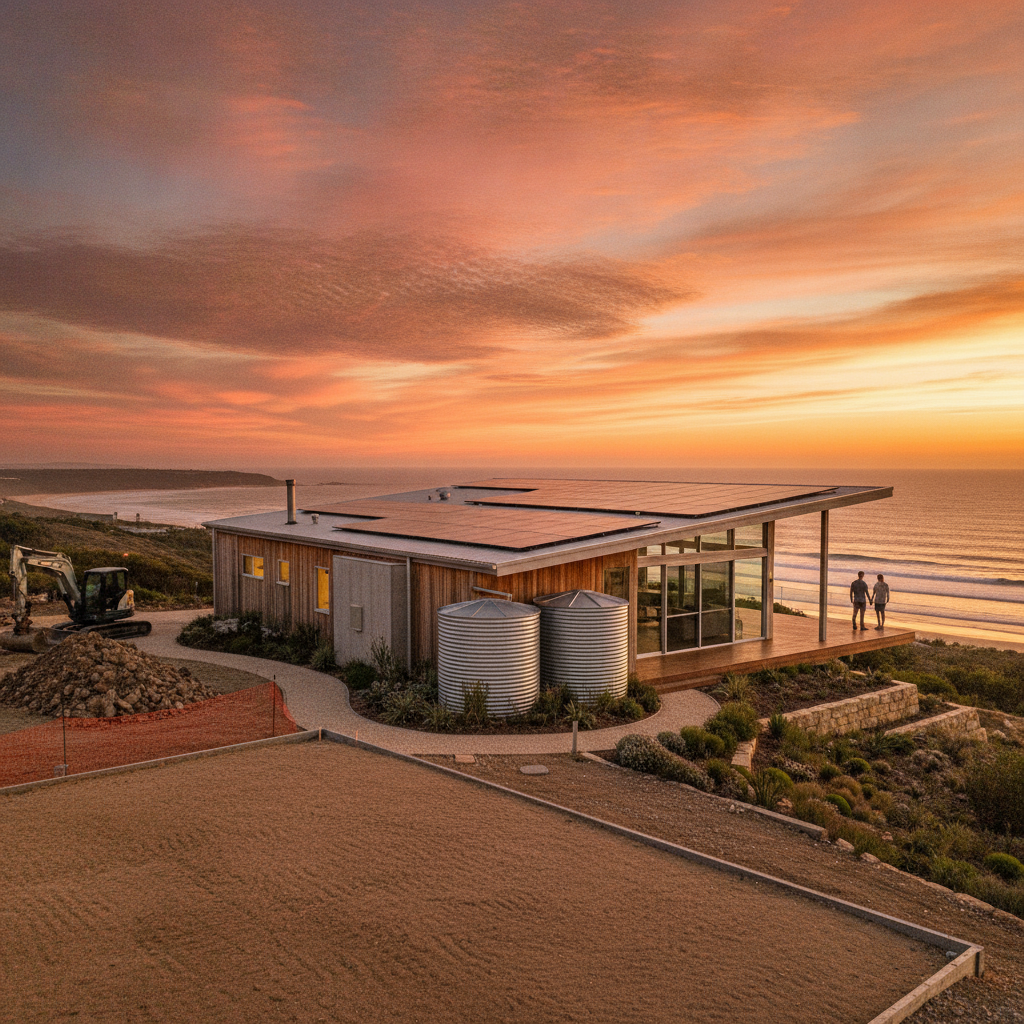
For many Australians, the dream of owning a home involves a connection to the landscape. Whether it is a block nestled in the rolling hills of the Great Dividing Range, a coastal escape surrounded by scrub, or a bushy retreat on the outskirts of our major cities, the Aussie bush is part of our identity. However, with that connection comes a unique set of challenges, particularly the annual threat of bushfire season. As we look toward more resilient building practices, the materials we choose have never been more important.
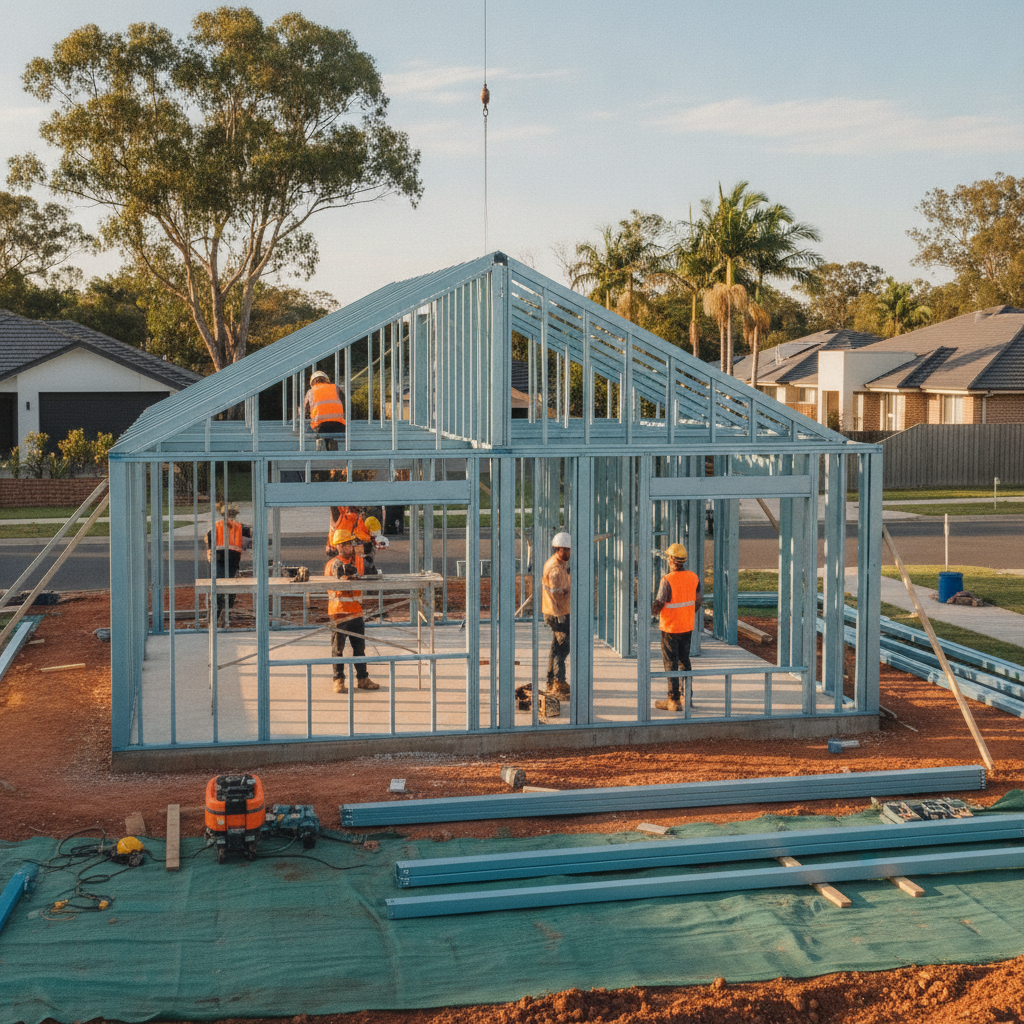
Kit homes have long been a popular choice for owner builders looking to take control of their project, but the conversation has shifted. It is no longer just about the layout or the verandah width, it is about the skeletal integrity of the structure. This is where steel frames, specifically those made from high quality BlueScope TRUECORE steel, have stepped into the spotlight. In this guide, we will explore why steel frame kit homes are a powerhouse of protection in bushfire-prone areas and how they offer peace of mind for those building in our beautiful but rugged environment.
Understanding the Bushfire Attack Level (BAL)
If you are planning a kit home in Australia, the first term you need to get familiar with is BAL, or Bushfire Attack Level. This is a ranking system used to determine the potential for a building to be hit by a bushfire. The ratings range from BAL-LOW (minimal risk) to BAL-FZ (Flame Zone). Your local council or a private certifier will assess your site based on the vegetation type, the slope of the land, and the distance from potential fuel sources.
Why does this matter for your frame choice? Because as the BAL rating increases, the requirements for non-combustible materials become stricter. Using a steel frame from the outset provides a massive head start in meeting these stringent Australian Standards (AS 3959). Unlike traditional timber, steel does not contribute fuel to a fire, making it a foundationally safer choice for any site with a BAL rating higher than LOW.
The Steel Advantage: Non-Combustibility
The most obvious benefit of a steel frame in a bushfire scenario is that steel does not burn. While that sounds simple, the implications for an owner builder are profound. In the event of a bushfire, the main threats to a home are radiant heat, flying embers, and direct flame contact. While the external cladding and windows are your first line of defense, the internal structure is what holds the home together.
If embers manage to penetrate a roof cavity or an under-floor area, a timber frame can ignite, leading to a total structural failure from the inside out. A steel frame, however, does not provide a fuel source. It won't catch fire, and it won't help spread the flames through the wall cavities. This inherent property of steel provides a critical safety margin, potentially giving emergency services more time or allowing the structure to survive even if the exterior is scorched.
Precision Engineering and Ember Protection
One of the biggest risks in a bushfire is actually the smallest element: the ember. Windborne embers can travel kilometers ahead of a fire front, seeking out tiny gaps in eaves, ridges, and wall junctions. This is where the precision of a kit home steel frame really shines. Because steel frames are engineered using advanced software and pre-cut to exact millimetre specifications, the joins are incredibly tight and consistent.
When you are building with TRUECORE steel, you are working with a material that won't warp, twist, or shrink over time. In a timber home, as the wood seasons and reacts to the weather, gaps can open up in the structure. These gaps are invitations for embers. Because steel remains straight and true, your external seals, cladding, and flashing stay exactly where they were designed to be, maintainting the integrity of your bushfire protection measures for the life of the home.
The Strength of TRUECORE Steel
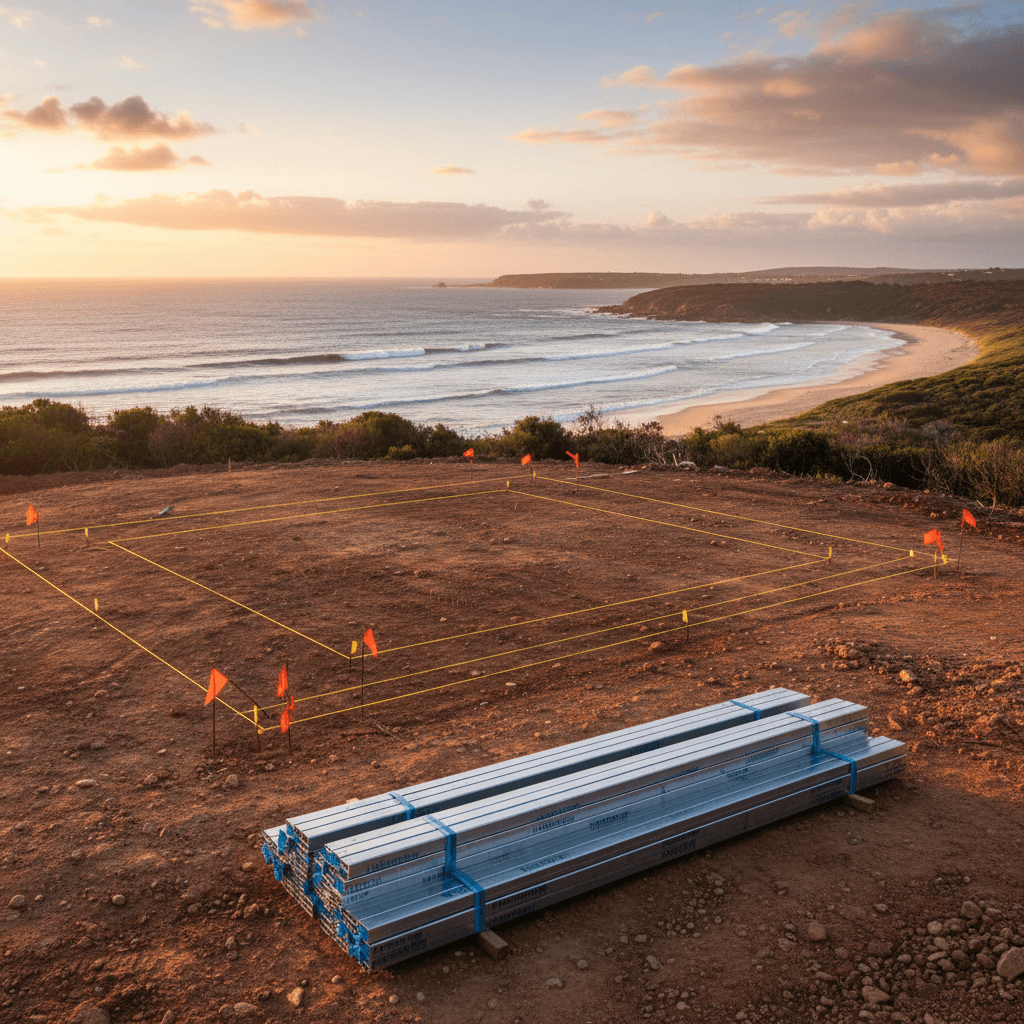
In Australia, we have a unique advantage with locally produced BlueScope TRUECORE steel. This isn't just regular steel, it is specifically designed for the Australian residential market. It features a distinctive blue finish and a zinc/aluminium alloy coating that protects against corrosion. For an owner builder, using a recognized brand means you are getting a product tested against Australian conditions.
During a fire event, extreme heat can cause materials to lose structural integrity. While no material is invincible at high enough temperatures, steel's high melting point and the way it is engineered into C-sections and trusses provide a robust framework. It holds the roof up and the walls straight, which is vital when the wind speeds pick up during a fire storm.
Practical Tips for Owner Builders in Bushfire Zones
If you are embarking on a kit home journey in a high-risk area, here are some actionable tips to ensure your steel frame project is as safe as possible:
- Check your BAL Rating early: Don't wait until the design phase is finished. Get an assessment early so you can choose a kit home design that matches your requirements.
- Focus on the envelope: While the steel frame is your internal hero, ensure the kit includes fire-rated sarking, metal flyscreens, and toughened glass for windows.
- Seal every gap: Use fire-grade sealants and ember guards on all vents and openings. The goal is to make the home airtight against embers.
- Landscaping as a buffer: Create an "inner protection zone" around your kit home. Keep trees away from the roofline and use non-combustible mulch alternatives like river stones or pebbles.
- Gutter protection: Specify metal leaf guards for your gutters. Dry leaves in a gutter are the most common ignition point for homes during a bushfire.
Termites: The Other Silent Threat
While we are talking about resilience, it is worth mentioning that in many of the same bushy areas where fire is a risk, termites are also a massive concern. The beauty of a steel frame kit home is the dual protection it offers. Termites cannot eat steel. For an owner builder, this removes the need for some of the heavy chemical barriers required for timber homes, and it provides long term peace of mind that the structural integrity of the home won't be compromised by pests. When you build with steel, you are building a home that is resilient against both the elements and the local fauna.
The Sustainability Factor
Building in a sensitive Australian environment often comes with a desire to be eco-friendly. Steel is one of the most recycled materials on the planet. Choosing a steel frame means less waste on site, as every piece is pre-cut to size in the factory. There are no offcuts of treated timber to dispose of, and the footprint of the construction process is significantly reduced. This aligns perfectly with the lifestyle of many kit home builders who want to live lightly on the land they love.
Conclusion: A Future-Proof Investment
Building an owner builder kit home is a significant undertaking, filled with decisions that will impact your family's safety and comfort for decades. In the Australian context, choosing a steel frame is more than just a structural preference, it is a strategic decision for resilience. By opting for a kit home with a TRUECORE steel frame, you are choosing a material that does not burn, stays straight and true for better ember protection, and stands up to the harshest conditions our continent can throw at it.
Whether you are building a small weekender or a large family home, the peace of mind that comes from knowing your "bones" are made of steel is invaluable. It allows you to enjoy the beauty of the Australian bush, knowing you have taken the best possible steps to protect your slice of paradise. When it comes to bushfire-prone areas, steel isn't just a benefit, it is the gold standard for modern Australian living.