The Australian dream used to be a three-bedder on a quarter-acre block with a Hills Hoist and a lone family unit. These days, that's changing fast. I am seeing more families in the kit home world coming to me with a specific problem: they need to fit three generations under one roof without ending up on the evening news. It's the 'sandwich generation' at work. You've got aging parents who need a bit of a hand, or you've got adult kids who can't crack the Sydney or Brisbane rental market and are moving back home with a partner in tow.
Building a home for this kind of crowd is a massive design challenge. If you just slap an extra bedroom onto a standard floor plan, you're going to regret it within three months. Privacy becomes your absolute primary currency. You need to think about acoustic separation, separate entries, and how people move through the kitchen at 7am when three different generations are trying to make toast at the same time.
The Psychology of the Floor Plan
When you sit down with a set of kit home plans, stop looking at the pretty renderings and start thinking about traffic. In a multi-generational setup, 'zoning' isn't just a fancy architect word. It's what keeps your mother-in-law from walking past your shower in her dressing gown. We usually recommend a 'dual-wing' approach. You put the main living area and the master suite on one side, and the secondary living area with its own bedrooms on the other. This creates a buffer zone. Sometimes that's a hallway, a laundry, or even a double garage acting as a physical sound barrier between the two living spaces.
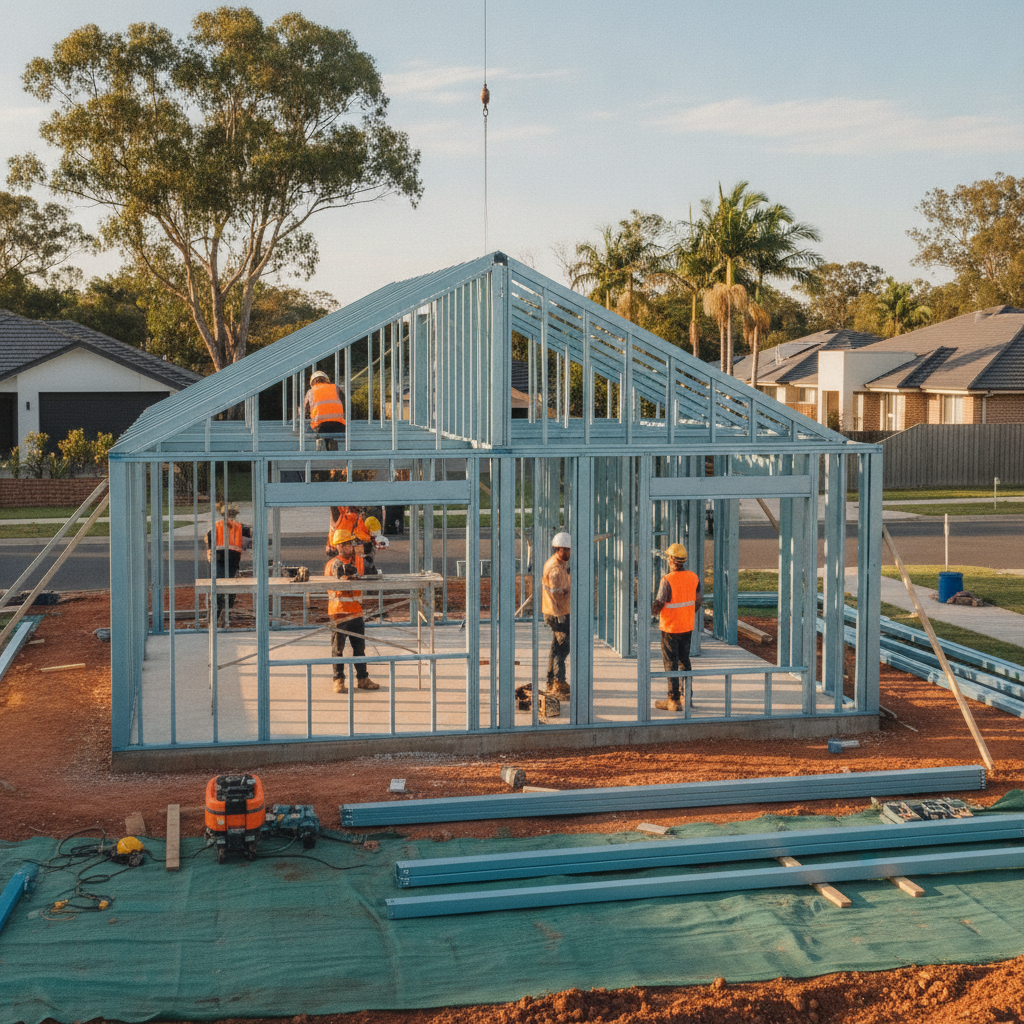
I worked with a bloke up in Gympie who bought one of our steel frame kits specifically to house his retired parents. He didn't just want them in a spare room. He picked a design that allowed for a self-contained feel. We talked about how his dad likes to watch the cricket at 11pm and how that noise would travel through the walls. Because kit homes use steel frames, you've got this great, dead-straight structure to work with, but you need to think about your internal insulation. Shoving R2.5 batts into the internal walls between bedrooms is the best 500 bucks you'll ever spend during the build. Don't skip it.
Kitchens and Common Areas: The Flashpoints
Kitchens are where the most friction happens. Fact. Two people trying to cook different meals in one kitchen is a recipe for a blue. If the kit home design allows for it, consider a kitchenette in the secondary wing. It doesn't need to be a full chef's setup. Just a sink, a spot for a small fridge, and a microwave. It means the grandparents can make a cuppa and some toast at 6am without waking up the grandkids who are sleeping in until noon on a Saturday.
And let's talk about the 'mudroom' or entry. Multi-generational homes have way more shoes. I'm not joking. If you have five or six adults living in a house, you will have a mountain of R.M. Williams boots and sneakers at the front door. Ensure your kit design includes a wide entryway or an integrated storage solution right where people walk in. It sounds small, but tripping over a size 12 boot every Tuesday afternoon will wear you down.
Steel Frames and Future-Proofing
One reason I reckon steel frames are the go for these builds is the long-term structural integrity. When you've got a busy house with kids running around and heavy foot traffic, you don't want floors creaking or doors sticking because the timber shrunk in a dry QLD winter. We use TRUECORE steel because it stays straight. Forever. If you're an owner-builder doing the fit-out, you'll appreciate that every stud is perfectly plumb when you go to hang your cabinetry or tiles in the second bathroom. Plus, if you're building in a high-growth area where termites are a nightmare, that's one less thing to worry about when you've already got the stress of a full house.
Accessibility for Aging Gracefully
If the reason for your build is aging parents, you've got to look at the NCC Volume 2 requirements for accessibility, even if you aren't strictly required to meet Livable Housing Australia (LHA) standards for a private build. Do yourself a favour and specify wider internal doorways. Standard 820mm doors find their way into most kits, but if you've got the space, move to 870mm or 920mm. It makes life easier for anyone with a walker or just carrying a large load of laundry. Also, look at the bathroom. Hobless showers (where the floor tile just runs straight in without a step) are sleek, modern, and vastly safer for older residents. You're building a kit home from scratch, so you might as well get the slab recessed properly for those showers during the site works phase.
Outdoor Living and Finding Solitude
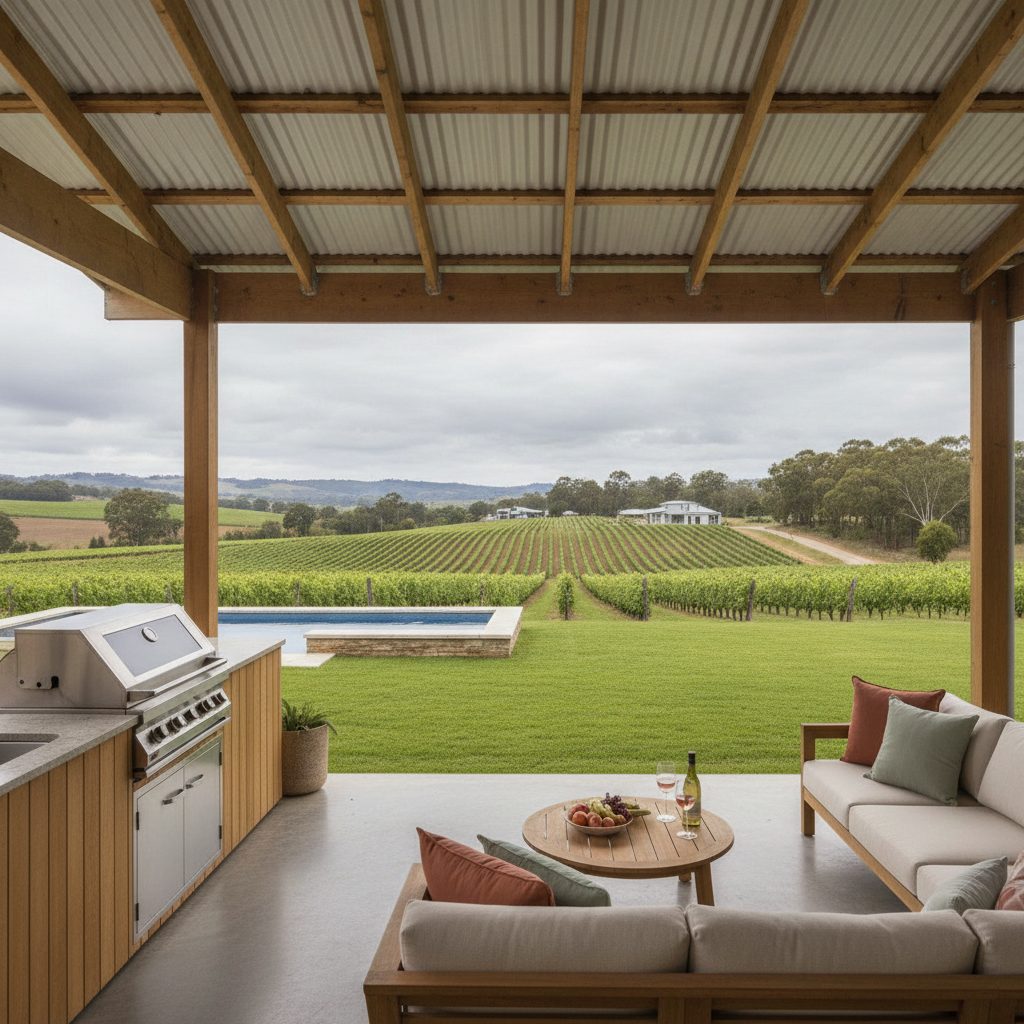
In a house packed with people, your outdoor space becomes your escape hatch. An Aussie kit home isn't complete without a decent deck or verandah. For multi-generational living, try to provide two separate outdoor spots. Maybe the main living room opens onto the big back deck for Sunday lunch, but the parent's wing has a small, private verandah off their bedroom. Giving people a place to sit with a book where they won't be interrupted is how you maintain a happy household.
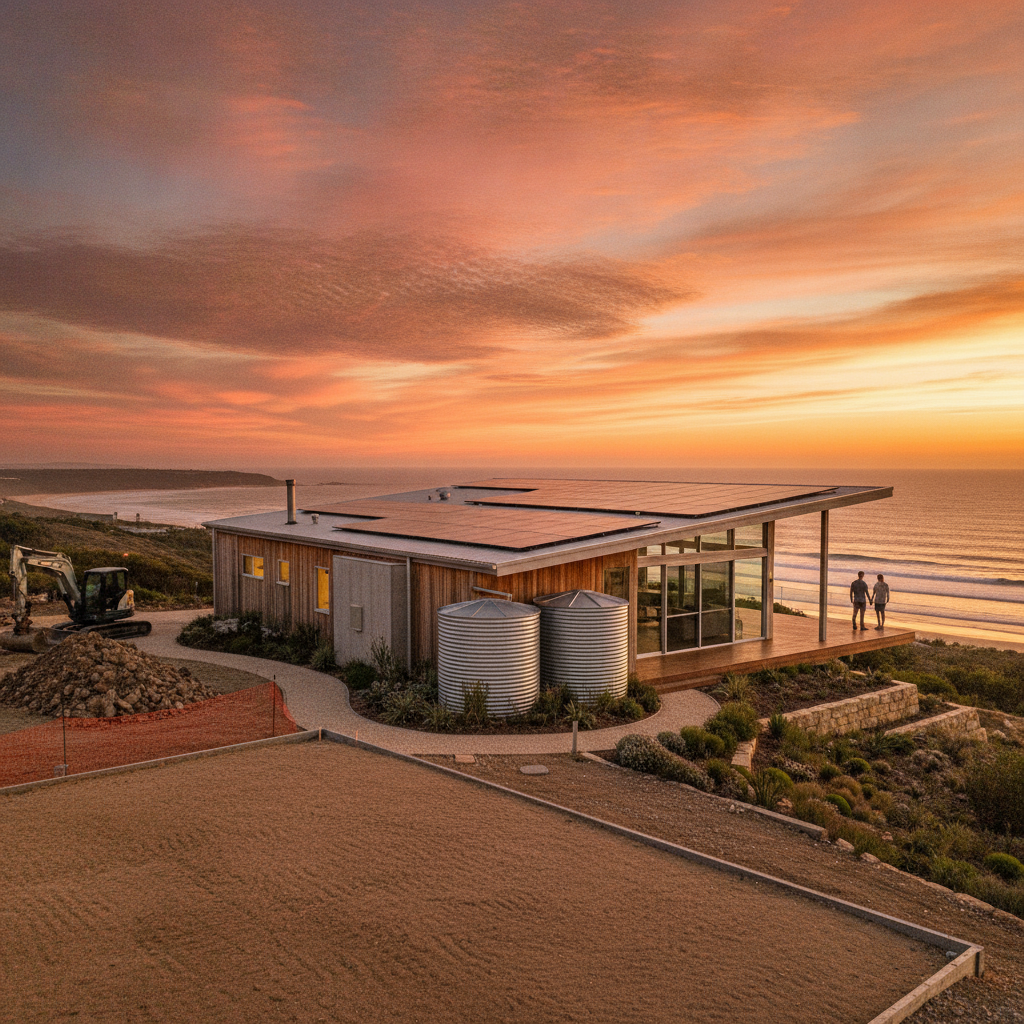
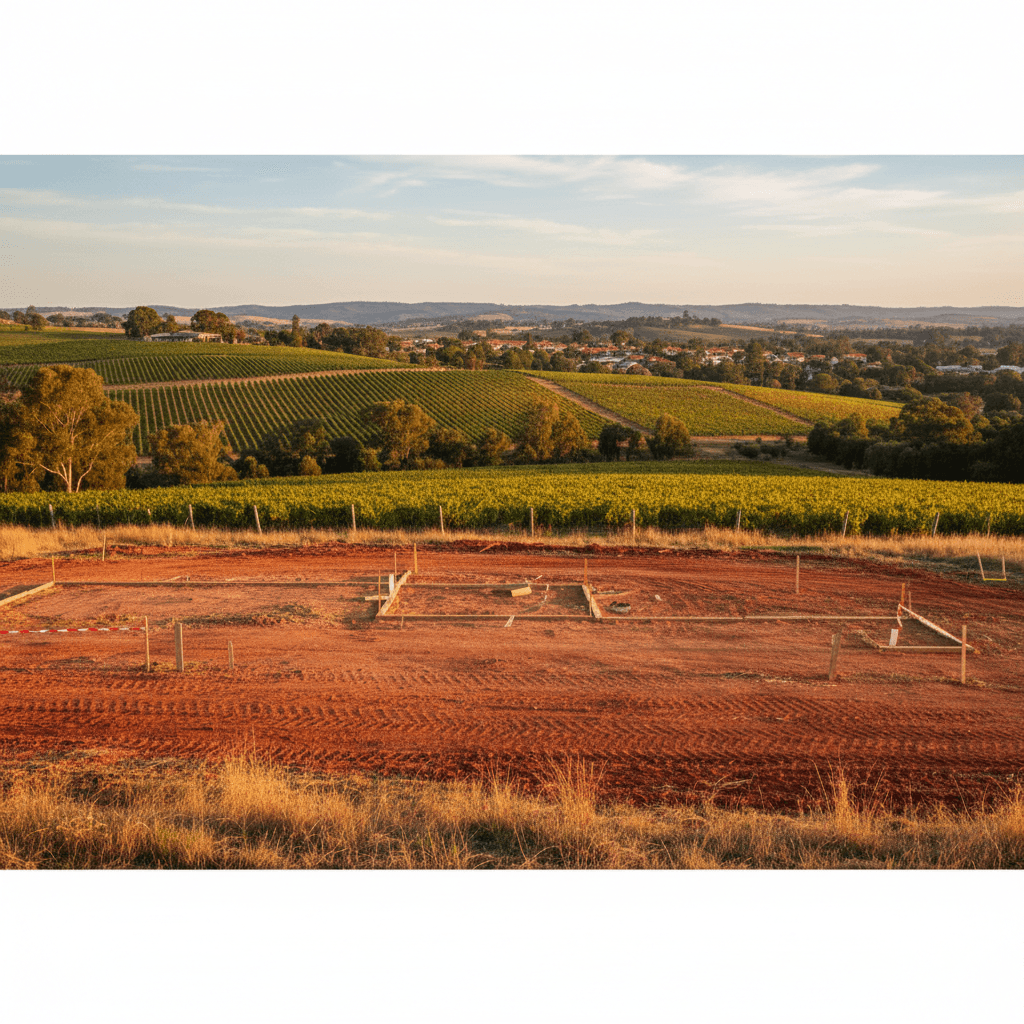
But here is a tip for the owner-builders out there: keep your site works in mind. If you are adding multiple decks and entries, your council DA (Development Application) might get a bit more complex regarding site coverage. Always check with your local certifier before you commit to the extra square meterage. It's better to find out about your site constraints in the planning stage than when the steel arrives on the truck and you realize you have nowhere to put the extra footings.
The Laundry Logistics
Don't underestimate the laundry. In a house of six, that washing machine is going to be running 24/7. Most people tuck the laundry away in a corner, but in a multi-gen home, it's better to have it centrally located or even accessible from the outside. If you're building on stumps rather than a slab, plumbing updates later are easier, but if you're on a slab, you need to get those drain points perfect from day one. I've seen owner-builders forget to plumb for a second washing machine or a larger tub. Don't be that person. Think about the volume of towels a multi-gen family produces. It's astronomical.
What to Avoid
The biggest mistake I see? Open-plan everything. I know it's been the trend for twenty years, but if you have high-density living, you need 'break-out' spaces. An open-plan kitchen/living/dining is great for light, but it's a nightmare for noise. If the TV is blaring in the lounge, you can't have a quiet chat at the dining table. Try to include at least one room with a solid door that can be used as a 'quiet room' or library. It's the pressure valve of the house.
You also need to be realistic about your own stamina as an owner-builder. Managing a project for a standard family home is one thing. Managing a custom multi-gen build requires a lot more coordination with your sparkies and plumbers because the services are more dense. You'll have more taps, more power points, and more smoke alarms (which are often required to be interconnected across the whole house by Australian Standards). Stay organized. Keep a folder. Write every change down.
The beauty of a kit home is that the bones are sorted. You get the roofing, the cladding, and that TRUECORE steel frame delivered, and the rest is up to your vision. If you put the legwork into the design now, emphasizing separation and quiet zones, you aren't just building a house. You're building a way for your family to actually stay close without driving each other up the wall. It takes a bit more thought at the kitchen table over the blueprints, but seeing three generations enjoying a BBQ on a Saturday arvo makes the extra planning worth every second.